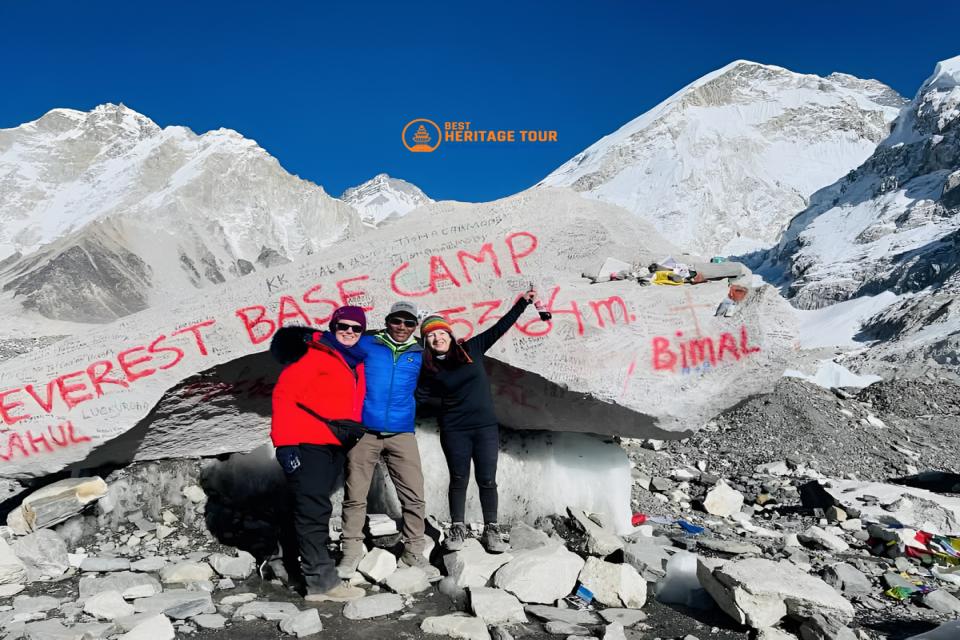
Standing at the edge of the world, surrounded by the towering, snow-capped amphitheater of the Khumbu, is a transformative experience. Trekking to Everest Base Camp (EBC) is a bucket-list achievement for international travelers, families, and adventure seekers alike. However, how you experience this legendary journey alters more than just your comfort level - it transforms your entire relationship with the mountains.
As you plan your journey into the Himalayas, the central question shifts from if you should go, to how you should experience it. Should you opt for our traditional, grit-and-glory Standard EBC Trek, or should you elevate your journey with our Super Luxurious EBC Trek?
We understand that choosing the right itinerary requires a balanced evaluation of comfort, time, physical demands, and budget. To help you make an informed decision, we have broken down the core differences between a high-end luxury expedition and a classic teahouse trek.
What is the Difference Between Super Luxurious EBC Trek and Standard EBC Trek?
The core difference between these two journeys lies in the infrastructure of your hospitality, the pacing of your itinerary, and your mode of transportation.
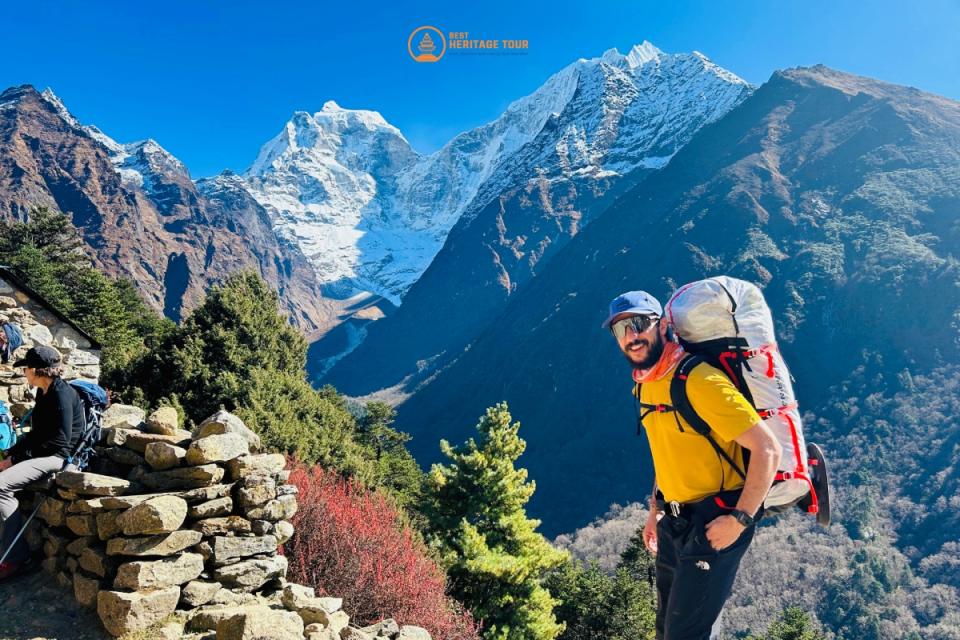
Our Standard EBC Trek is a classic 12-day high-altitude walk. It follows the historic footsteps of Sir Edmund Hillary and Tenzing Norgay Sherpa. This option relies on standard local teahouses - family-run mountain lodges that offer clean but basic amenities. You walk up the trail over several days and walk all the way back down to Lukla to fly back to Kathmandu.
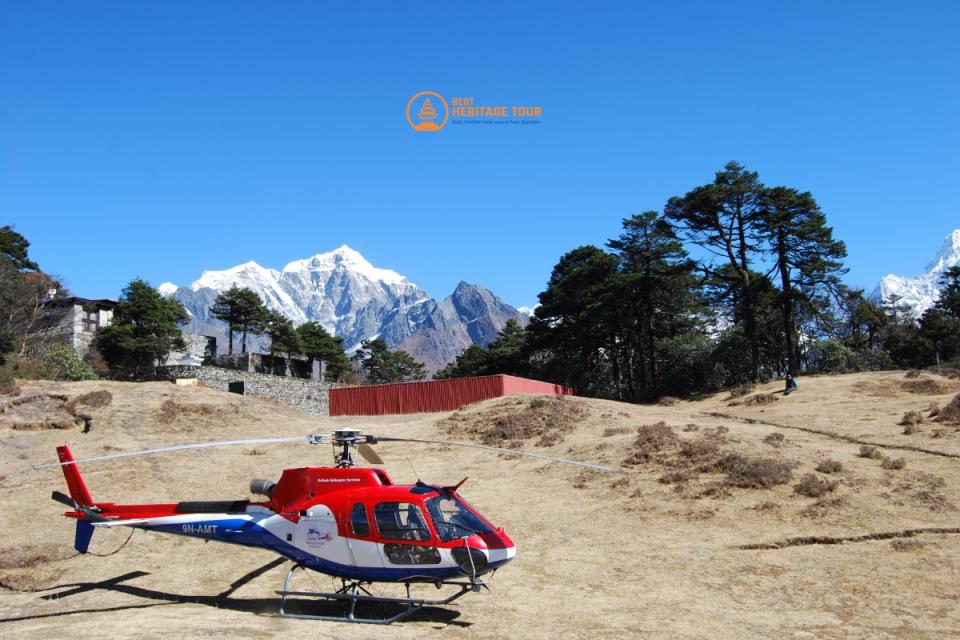
Conversely, our Super Luxurious EBC Trek is an ultra-premium 9-day journey curated for those who seek the raw grandeur of Everest without the traditional physical compromises. It integrates premium luxury boutique mountain lodges throughout the trail, and a private or shared helicopter return directly from the high-altitude zones. This dramatically reduces the physical strain and shortens your travel time without skipping a single iconic view.
Accommodation and Comfort: Premium Lodges vs. Classic Teahouses
The choice of lodging affects your muscle recovery, sleep quality, and overall health in the thin mountain air.
The Super Luxurious Comfort Paradigm
On the luxury trek, your nights are spent in high-end establishments like the famous Yeti Mountain Home or Everest Summit Lodges. In Namche Bazaar and Kongde, these properties offer structural insulation, electric electric blankets or heated mattress pads, private en-suite bathrooms, and hot running water showers.
Waking up at 3,440 meters (11,286 feet) in Namche Bazaar with a hot towel service and an attached bathroom is a luxury that mitigates the harshness of the alpine climate. It keeps your immune system strong when managing atmospheric pressure drops.
The Standard Teahouse Reality
The standard trek utilizes classic Sherpa teahouses. While charming, cozy, and rich in local culture, they are structurally basic.
-
Rooms are typically unheated, twin-sharing configurations with thin plywood walls.
-
Bathrooms are usually communal and located at the end of the hall or downstairs.
-
Hot showers require gas-cylinder or solar heating and come at an additional local fee ($5 to $10 USD per shower).
-
As you ascend past Dingboche, toilets often switch to traditional squat designs, and indoor temperatures drop well below freezing overnight, requiring a high-performance four-season sleeping bag.
Transportation, Logistics, and Saving Time: Helicopter vs. Plane
Logistical disruptions in the Everest region are common due to volatile weather patterns in the mountains. Your choice of itinerary determines how smoothly you navigate these hurdles.
|
Logistical Feature |
Super Luxurious EBC Trek (9 Days) |
Standard EBC Trek (12 Days) |
|---|---|---|
|
Kathmandu to Lukla Transit |
Direct Helicopter or Fixed-Wing (Priority Booking) |
Ramechhap Flight or Standard Fixed-Wing Transit |
|
Return Journey |
Helicopter flight directly from Pheriche/Lobuche to Lukla/Kathmandu |
3-4 days of continuous downhill trekking back to Lukla |
|
Weather Delay Mitigation |
High (Helicopters fly in lower visibility thresholds than planes) |
Moderate (Subject to seasonal fixed-wing cancellations) |
|
Total Trekking Days |
5 to 6 Days |
10 to 11 Days |
The Luxury Flight Path
Our luxury package optimizes your time. Instead of spending three grueling days tracking your steps backward over downhill knee-jarring trails from Gorak Shep down to Lukla, you step into a helicopter.
After standing at Everest Base Camp and climbing Kala Patthar, you board a helicopter in Pheriche or Lobuche. You soar over the Khumbu Icefall, Namche Bazaar, and the Dudh Koshi River gorge, landing back in Kathmandu within hours. This makes it an ideal option for busy executives, families with teenagers, or senior travelers who want to save time and energy.
The Standard Footpath
The standard trek requires a full return march. Downhill trekking can be tough on your knees, especially after days of high-altitude exertion.
Additionally, standard fixed-wing flights during peak seasons (March-May and September-November) often divert to Ramechhap Airport, which is a 4-to-5-hour drive from Kathmandu. Our luxury clients avoid this overland transit entirely by utilizing direct helicopter links from Tribhuvan International Airport (TIA).
Dining, Hydration, and Health Management
At high altitudes, your body burns significantly more calories just to maintain basic metabolic functions. Proper nutrition and hydration are vital for preventing Acute Mountain Sickness (AMS).
Fine Dining in the Clouds
On our Super Luxurious Everest Base Camp Trek, the culinary options go well beyond the typical trekking menu. Luxury lodges employ trained chefs who prepare structured multi-course meals. You can choose from fresh organic salads, locally sourced meats, Continental, Italian, and authentic Nepalese options.
More importantly, unlimited bottled oxygen, clean filtered drinking water, and specialized herbal teas are provided daily. This helps keep your hydration levels stable without needing water purification tablets.
Traditional Mountain Fuel
Standard teahouses offer a standard menu known as the Food Menu Management Committee guidelines. The primary meal is Dal Bhat (lentil soup, rice, and vegetable curry). It is highly nutritious, filling, and an excellent source of energy for trekking.
However, options like meat can be risky at higher elevations because all supplies past Lukla must be carried up by porters or yaks without refrigeration. On a standard trek, travelers must purchase their own boiled or bottled water daily, which can add up over a 12-day period.
Acclimatization, Safety, and Medical Support
Safety is our top priority when organizing any trek in the Himalayas. High-altitude environments require professional oversight, regardless of your comfort preferences.
On both treks, we provide highly trained, English-speaking, government-licensed local guides who carry comprehensive medical kits and pulse oximeters to monitor your oxygen saturation levels daily.
However, the luxury trek offers an additional layer of physiological safety. Because the package includes built-in helicopter logistics, emergency medical evacuation protocols are streamlined. If you show early signs of severe altitude sickness, your guide can coordinate a helicopter evacuation immediately, without waiting for insurance validation clearances or standard flight windows.
Financial Investment: Value Comparison
Understanding where your money goes helps clarify the value proposition of each option.
-
Standard EBC Trek: This option provides high economic value. Your investment covers essential logistical needs, including local permits (Khumbu Pasang Lhamu Rural Municipality Permit and Sagarmatha National Park Permit), standard porter services, basic food, accommodation, and round-trip fixed-wing flights. It is ideal for independent travelers, backpackers, and seasoned trekkers who view basic conditions as an essential part of the classic mountain experience.
-
Super Luxurious EBC Trek: This option reflects the premium costs of helicopter charters, luxury lodge operations, and high-end hospitality services deep within a remote UNESCO World Heritage site. You are investing in time saved, physical comfort, enhanced safety, and premium amenities. It is designed for travelers who prefer to enjoy the rugged wild during the day and retreat to high-end comfort at night.
Crucial Reasons to Choose a Super Luxurious EBC Trek Over a Standard EBC Trek
-
Saves Your Knees and Energy: Skipping the long, continuous downhill trek from the high altitude zones back to Lukla saves you three days of repetitive impact on your joints.
-
Optimizes Short Vacation Windows: You can experience the full Everest Base Camp itinerary in just 9 days instead of 12 to 14 days, without missing the core highlights.
-
Enhanced Privacy and Group Dynamics: Luxury treks operate with smaller, private groups, ensuring a highly personalized pace and an excellent guide-to-client ratio.
-
Prevents Altitude Fatigue: Hot showers, electric electric blankets, and varied nutritional choices help your body recover better each night, reducing structural physical exhaustion.
The Verdict: Which Path Will You Take?
Choose the Standard EBC Trek if you want an authentic, deeply immersive cultural experience, enjoy interacting with fellow international trekkers in communal dining halls, and prefer a classic challenge.
Choose the Super Luxurious EBC Trek if your time is limited, you want to minimize physical strain, or you are traveling with family and want a comfortable mountain experience.
Conclusion
Choosing between the luxury and standard options comes down to how you prefer to balance your physical effort, available time, and comfort. The classic trek offers a traditional, immersive challenge, while the luxury itinerary provides premium amenities, enhanced recovery, and efficient helicopter logistics to maximize your experience in the Himalayas.
Plan Your Everest Journey with Best Heritage Tour
We specialize in crafting reliable, safe, and memorable mountain journeys across Nepal. Whether you choose the rugged path of the classic trek or the high-end comfort of our luxury itinerary, our experienced local guides ensure a seamless experience from start to finish.
Phone / WhatsApp / Viber: +977-9851149197 / +977-9810043046
Email: info@bestheritagetour.com / bestheritagetour@gmail.com
Website: www.bestheritagetour.com
Office: Thamel Marg, Kathmandu, Nepal
Frequently Asked Questions (FAQs)
Can beginners complete the Super Luxurious EBC Trek?
Yes. The luxury trek is well-suited for beginners because the helicopter return cuts out the final days of foot travel, which reduces overall physical exhaustion. However, you will still need to walk 5 to 6 hours per day on steep terrain during the ascent, so good cardiovascular fitness is highly recommended.
Is altitude sickness less common on a luxury trek?
The risk of altitude sickness depends on how your body adapts to changes in elevation, which is identical on both paths up to Base Camp. However, luxury lodges offer better sleep, heating, and nutrition, which helps your body recover from daily exertion and keeps your immune system stronger.
What happens if bad weather cancels the flights or helicopters?
Helicopters can operate under lower cloud ceilings than standard fixed-wing planes. If severe weather grounds all aircraft, our team coordinates alternative logistics or adjusts your itinerary using our local networks to keep your journey moving safely.
Author: Best Heritage Tour
Date: 20th July, 2026