
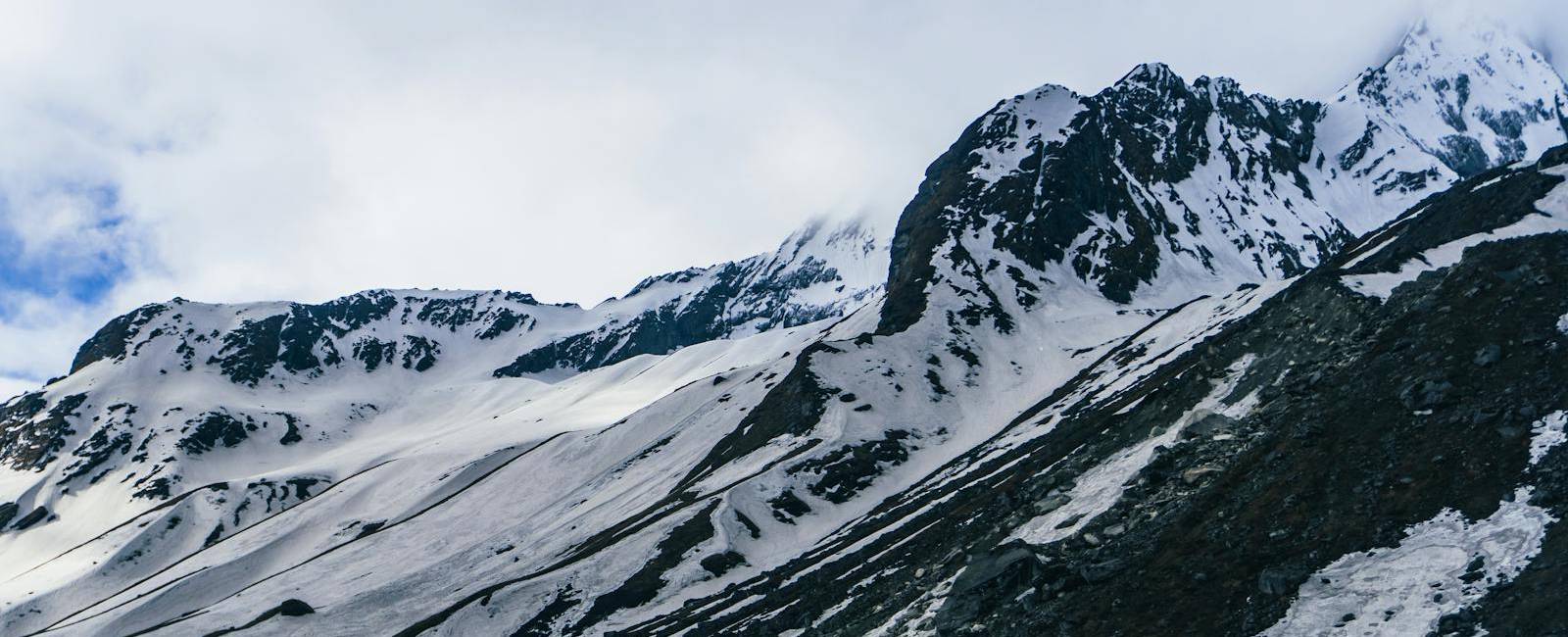
The entire team at Best Heritage Tour extends our deepest condolences to the victims, their families, and all communities affected by the devastating flash flood that struck the Rasuwa and Bhote Koshi region of Nepal on August 26, 2026.
The disaster has caused significant damage to communities, roads, bridges, and other infrastructure in and around the affected areas, including Timure, Syabrubesi, and the Rasuwagadhi border corridor. The impact has deeply affected local families and communities, and recovery efforts are expected to continue for some time.
As international journalists, documentary filmmakers, photographers, YouTubers, and media organizations begin looking toward Nepal to document the aftermath, there is an important need for accurate, responsible, and respectful reporting from the ground.
For international media teams planning to travel to Nepal for this purpose, Best Heritage Tour is ready to provide local transportation, accommodation arrangements, field coordination, guides, interpreters, route planning, equipment support, and other practical logistics required for their assignment.
Our goal is simple: to help international media teams work responsibly and efficiently in Nepal while respecting affected communities and local authorities.
Why International Media May Need Local Support in Nepal?
Traveling to a disaster-affected Himalayan region is very different from making a normal tourist or trekking trip.
Road conditions can change quickly. Some routes may be damaged or temporarily inaccessible, accommodation options may be limited, communications can be unreliable, and access to particular locations may depend on local authorities, security conditions, rescue operations, weather, and the condition of roads and bridges.
For a foreign media crew arriving in Nepal for the first time, understanding these local realities can be challenging.
A reliable local partner can therefore help with the practical side of the assignment while the journalist, filmmaker, photographer, or content creator focuses on reporting and documenting what is happening on the ground.
What Happened in the Rasuwa and Bhote Koshi Region?
The August 26, 2026 flash flood severely affected the Bhote Koshi corridor and surrounding areas of Rasuwa.
Communities and infrastructure in areas including Timure, Syabrubesi, and the Rasuwagadhi area have experienced major impacts. Roads and bridges connecting northern settlements have also been affected, creating significant challenges for transportation and movement.
The disaster has drawn attention to the vulnerability of Himalayan communities and infrastructure to sudden mountain hazards.
For international media, documenting the aftermath can help the wider world understand not only the physical destruction but also the experiences of affected families, local communities, responders, businesses, and people involved in recovery.
However, media coverage should always be carried out with respect for the people affected and without interfering with rescue, relief, or recovery activities.
Can Foreign Journalists, YouTubers and Filmmakers Visit Rasuwa?
International media teams may travel to Nepal to report on the aftermath, but access to individual affected areas can change according to current conditions and official instructions.
Road damage, landslides, weather, security restrictions, ongoing rescue operations, and local administrative decisions can all affect where and when a media crew can travel.
Therefore, anyone planning a field assignment should confirm the latest access situation before departing for an affected area.
Best Heritage Tour can assist international media teams with local route planning and transportation arrangements based on the conditions at the time of travel.
We do not encourage crews to enter restricted, unsafe, or active emergency areas simply to obtain footage.
The priority should always be safety, respect for affected communities, and compliance with instructions from local authorities and emergency personnel.
What Logistics Do International Media Crews Need in Nepal?
A foreign journalist or production crew may arrive in Nepal with cameras, recording equipment, laptops, drones, and other production gear. Organizing transportation and local arrangements for this equipment can be challenging, particularly when traveling toward remote mountain areas.
Depending on the assignment and current field conditions, media teams may need support with:
Private Transportation
Best Heritage Tour can arrange private ground transportation for media teams traveling from Kathmandu toward affected areas and between accessible locations.
Vehicle requirements can vary according to road conditions, crew size, equipment, weather, and the destination.
Experienced Local Drivers
Mountain roads require drivers who understand local terrain and changing road conditions.
A local driver familiar with the region can help the crew travel more efficiently while adapting to changing conditions.
Accommodation Arrangements
Media crews may require accommodation in Kathmandu as well as available hotels, lodges, or other suitable accommodation along their field route.
Best Heritage Tour can assist with accommodation planning according to the team's itinerary and current availability.
Local Guides and Field Coordinators
A local guide or field coordinator can help an international crew understand the area, communicate with local communities, coordinate transportation, and navigate practical challenges during the assignment.
English-Nepali Interpretation
For international journalists conducting interviews, communication with local residents and communities can be a significant consideration.
Where required, Best Heritage Tour can help arrange local language and interpretation support.
Equipment and Luggage Support
Camera equipment and production luggage can be difficult to move through damaged or remote areas.
Our team can assist with local transportation and, where appropriate, arrange porters or additional support for moving equipment.
Route Planning
Routes toward Rasuwa can be affected by road damage, landslides, weather, and changing local conditions.
Best Heritage Tour can monitor the practical situation and help media teams plan transportation around the routes that are accessible at the time of travel.
Best Heritage Tour's Media & Documentary Logistics Support
Best Heritage Tour is a Nepal-based travel company with experience arranging transportation, trekking logistics, accommodation, guides, and remote-area travel throughout Nepal.
For international media teams visiting Nepal to document the August 2026 flash flood and its aftermath, we can provide customized logistical support based on the requirements of each assignment.
Our support can include:
Airport Pickup and Kathmandu Support
We can arrange airport pickup, private transportation, hotel transfers, accommodation, and pre-departure coordination in Kathmandu.
Private Ground Transportation
We can arrange suitable vehicles and experienced local drivers for transportation between Kathmandu and accessible areas of Rasuwa and other locations required for the assignment.
Local Field Coordination
Our local team can assist with practical coordination between the media crew, transportation providers, accommodation, guides, interpreters, and relevant local contacts.
Guides and Local Support
Experienced local guides can accompany crews where appropriate and help them understand the terrain, communities, routes, and local environment.
Interpretation and Interview Support
Where required, we can help arrange English-Nepali interpretation for interviews and communication with local communities.
Accommodation Arrangement
We can assist with finding suitable accommodation along the planned route based on current availability and local conditions.
Equipment and Luggage Assistance
We can help arrange transportation and local porter support for camera equipment, luggage, and other production materials where required.
Flexible Route Planning
Because conditions can change quickly after a major disaster, we can help modify transportation plans and field itineraries according to current road and access conditions.
Responsible Reporting in Disaster-Affected Communities
Documenting a natural disaster comes with a responsibility to respect the people who have experienced loss.
At Best Heritage Tour, we encourage all international media teams working in affected communities to follow responsible reporting practices.
1. Ask Before Filming or Interviewing
Always seek appropriate consent before filming or interviewing affected people, particularly children, vulnerable individuals, and grieving families.
2. Respect People's Dignity
Human suffering should never be presented simply for dramatic footage or clicks.
Focus on people's experiences and the wider context of the disaster rather than sensationalizing personal loss.
3. Do Not Interfere With Rescue or Relief Operations
Emergency responders, security personnel, rescue teams, and local authorities may be working in affected areas.
Media crews should follow instructions, maintain safe distances, and never obstruct rescue, relief, or recovery activities.
4. Respect Local Communities
Foreign media teams should remember that affected areas are people's homes and communities, not simply locations for filming.
Ask permission, respect local customs, and allow people to decide whether they want to participate in interviews or recordings.
5. Verify Information Before Publishing
Rumors and unverified information can spread rapidly following a disaster.
Journalists and content creators should verify important information through reliable sources before publishing or broadcasting it.
6. Support Local Businesses Where Possible
When conditions permit, using local accommodation, transportation, guides, interpreters, and porters can provide practical support to communities and businesses affected by the disaster.
What Should International Media Teams Prepare Before Coming to Nepal?
Before traveling to the affected region, international crews should consider preparing:
-
Valid travel and identification documents
-
Press or media credentials where applicable
-
Crew information and contact details
-
Camera and recording equipment
-
Backup batteries and charging equipment
-
First-aid supplies
-
Reliable communication equipment
-
Appropriate insurance
-
Drone documentation and permissions where applicable
-
A flexible field itinerary
-
Emergency and contingency plans
Most importantly, crews should check current access conditions before traveling toward affected areas.
A route that is accessible today may not necessarily remain accessible tomorrow because of weather, landslides, road damage, or official restrictions.
A Flexible Media Trip to Rasuwa From Kathmandu
Every media assignment is different, so there is no single itinerary that works for every crew.
A typical logistics plan may involve:
Step 1: Kathmandu Arrival
Airport pickup, hotel transfer, equipment organization, team briefing, and preparation for the field assignment.
Step 2: Route and Logistics Planning
Review the latest available information regarding road conditions, accommodation, weather, local access, and the locations the crew intends to document.
Step 3: Travel Toward Rasuwa
Travel by appropriate private vehicle toward accessible areas, with the route adjusted according to current conditions.
Step 4: Field Reporting
Conduct interviews, photography, filming, and documentation while following local instructions and responsible reporting practices.
Step 5: Return or Further Deployment
Depending on the assignment, the crew can return to Kathmandu or continue to another accessible location.
The exact route and schedule should remain flexible because post-disaster conditions can change rapidly.
Why Choose a Local Logistics Partner?
For an international media organization, the biggest challenge is not necessarily reaching Nepal.
It is often understanding and managing the practical realities once you arrive.
A local partner can help with:
-
Local transportation & Drivers
-
Accommodation & Local communication
-
Interpretation, Guides & Porters
-
Kathmandu logistics & Local coordination
This allows the international crew to spend more time doing what they came to Nepal to do: report, document, photograph, film, and tell the stories of the people and communities affected by the disaster.
Conclusion
Best Heritage Tour Is Ready to Support Your Nepal Assignment
The August 26, 2026 flash flood has deeply affected communities in the Rasuwa and Bhote Koshi region, and our thoughts remain with everyone who has lost loved ones, homes, livelihoods, or property.
We also recognize the important role that responsible international media can play in documenting the reality of the disaster and the long process of recovery.
If you are an international journalist, news organization, YouTuber, documentary filmmaker, photographer, production company, or digital content creator planning to come to Nepal to cover the Rasuwa and Bhote Koshi flash flood, Best Heritage Tour is ready to assist with your local logistics.
Planning a Media Trip to Nepal? Contact Best Heritage Tour
Phone / WhatsApp / Viber: +977-9851149197 / +977-9810043046
Email: info@bestheritagetour.com / bestheritagetour@gmail.com
Website: www.bestheritagetour.com
Office: Thamel Marg, Kathmandu, Nepal
Author: Best Heritage Tour
Date: 31st August, 2026