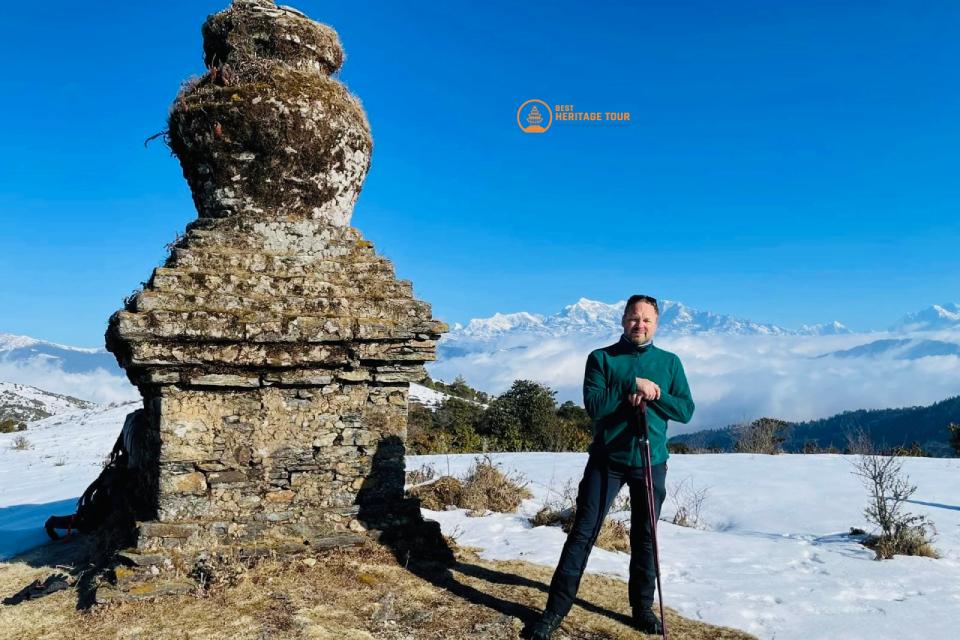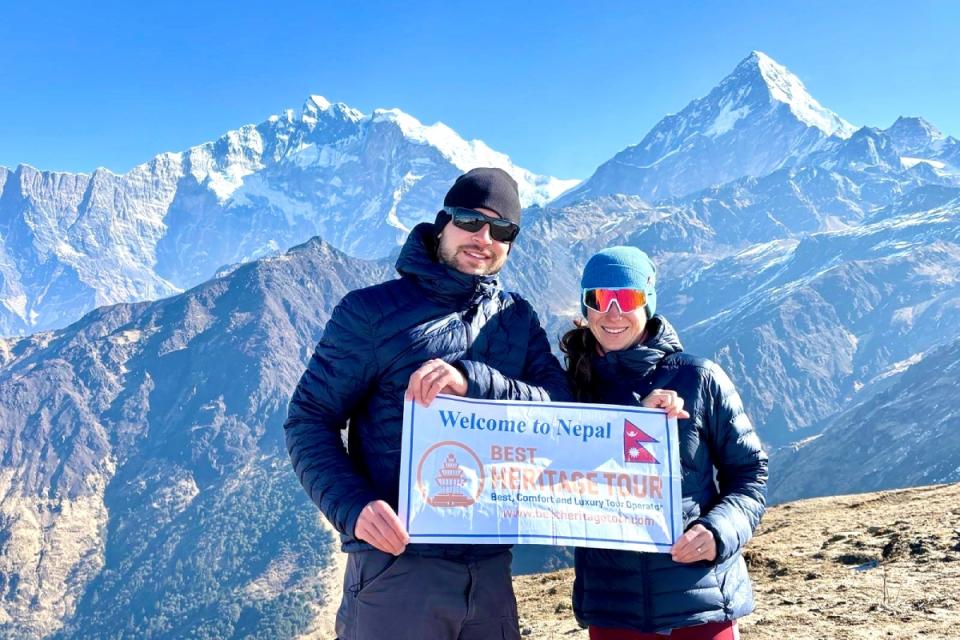
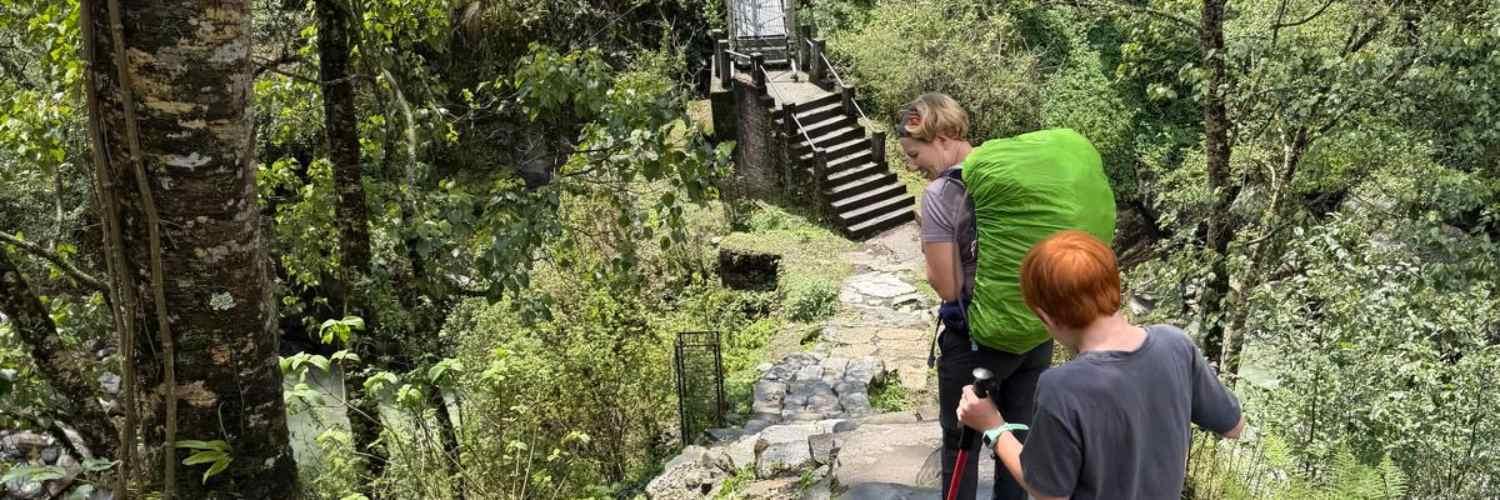
When travelers picture a Himalayan holiday, images of bustling mountain trails, single-file lines on suspension bridges, and crowded tea houses often come to mind. While legendary routes like Everest Base Camp or the Annapurna Circuit offer unmatched grandeur, they also attract thousands of trekkers each season. For beginners, families, and peace-seeking travelers who prefer quiet alpine meadows, authentic cultural immersion, and unhurried views over crowded pathways, a different kind of magic awaits.
At Best Heritage Tour, we believe that the true spirit of the mountains is best experienced in tranquility. If you are looking for gentle paths far off the beaten tourist track, our local experts have curated the definitive guide to the Top 5 Least Crowded Easy Treks in Nepal. These routes combine accessible walking conditions with pristine nature and genuine local hospitality, ensuring an unforgettable Himalayan adventure without the crowds.
Why Choose Less Crowded and Easy Treks in Nepal?
Opting for an easy, low-traffic trek does not mean sacrificing breathtaking mountain panoramas. In fact, many lesser-known routes offer superior viewpoints of towering peaks precisely because they remain undeveloped and raw.
-
Peace and Solitude: Enjoy silent mornings sipping tea while watching sunrise over snow-capped giants without noisy crowds.
-
Authentic Cultural Interaction: Stay in community-run lodges or homestays where local traditions remain untouched by mass tourism.
-
Achievable Paces: Designed for beginners and casual hikers, these routes feature manageable daily walking hours, gradual elevation gains, and lower risks of altitude sickness.
1. Pikey Peak Trek (Everest Region)
While most travelers heading to the Everest region board flights to Lukla for strenuous high-altitude expeditions, the lower Solukhumbu region harbors a hidden gem. The Pikey Peak Trek is widely celebrated for offering the finest panoramic view of Mount Everest in the entire country - a fact famously endorsed by Sir Edmund Hillary himself.
-
Maximum Altitude: Around 4,065 meters (Pikey Peak summit)
-
Why It’s Special: Unlike the main Everest trails, Pikey Peak winds through quiet pine forests, traditional Sherpa settlements, ancient monasteries, and vast yak pastures. Sunrise from the summit reveals an uninterrupted horizon spanning from Dhaulagiri all the way to Kanchenjunga, with Everest dominating the center.
-
Difficulty: Easy to Moderate (accessible for active beginners with proper pacing).
2. Khopra Danda Trek (Annapurna Region)
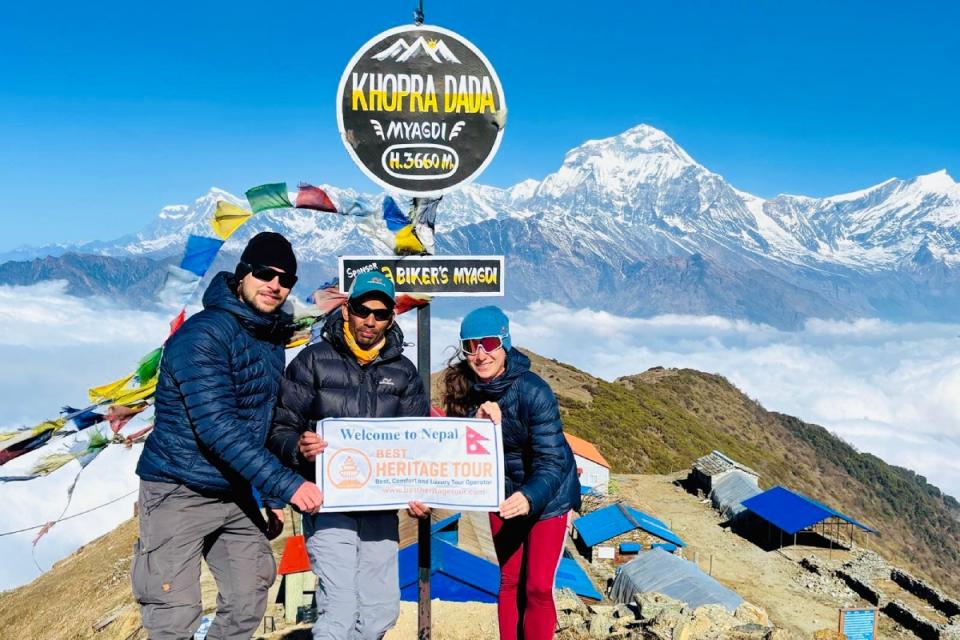
Nestled between the deeper gorges of the Annapurna region, the Khopra Danda (Ridge) Trek offers a brilliant alternative to the congested Ghorepani Poon Hill route. While it shares some overlapping lower trails, Khopra Ridge branches off into a peaceful, high-altitude sanctuary.
-
Maximum Altitude: Ridge viewpoint at roughly 3,660 meters (with an optional day hike to holy Khayer Lake at 4,600 meters for experienced members).
-
Why It’s Special: Khopra Ridge boasts one of the most dramatic balcony views in the Himalayas, looking directly across at Dhaulagiri, Annapurna South, and Nilgiri. Furthermore, the community lodge on the ridge is run by the local Pun community, with proceeds directly funding the local school.
-
Difficulty: Easy to Moderate, featuring well-graded trails and comfortable community-managed lodges.
3. Mohare Danda Trek (Annapurna Region)
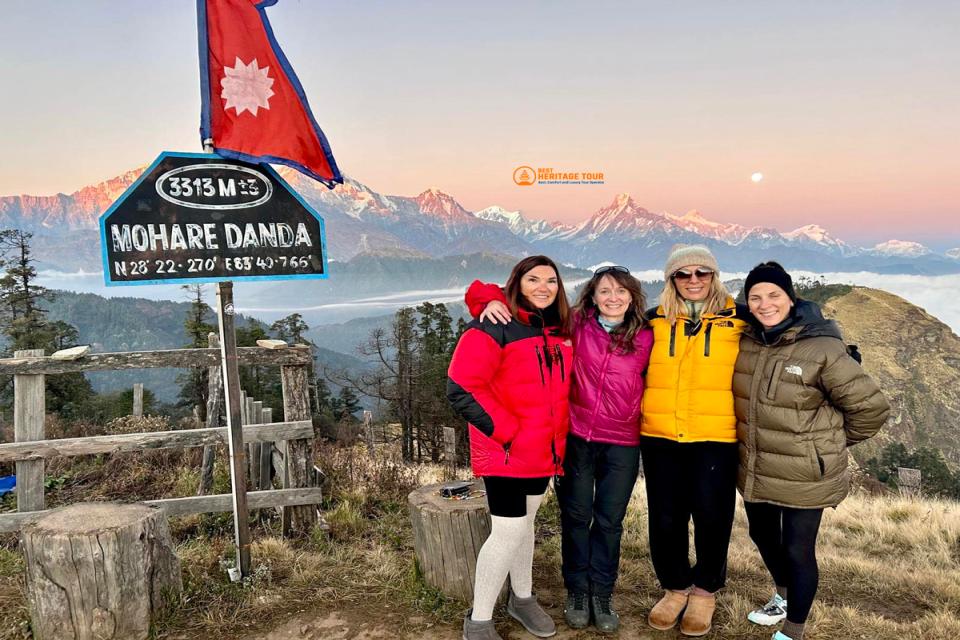
Pioneered as a community-based eco-tourism project, the Mohare Danda Trek is the ultimate choice for travelers seeking sustainability, deep cultural connection, and absolute quiet. It runs parallel to the popular Poon Hill trail but stays entirely on its own secluded ridge.
-
Maximum Altitude: 3,300 meters at Mohare Danda.
-
Why It’s Special: Mohare Danda is famous for its stunning community lodge perched right on the hilltop, equipped with solar power and Wi-Fi, yet deeply rooted in rural traditions. You will walk through dense rhododendron forests, visit remote hillside villages, and experience warm hospitality from indigenous communities.
-
Difficulty: Easy. The daily walking hours are short, making it ideal for families and novice hikers.
4. Tamang Heritage Trail Trek (Langtang Region)
For travelers prioritizing rich cultural heritage alongside gentle mountain scenery, the Tamang Heritage Trail in the Langtang region is an extraordinary choice. This trek loops through authentic Tamang villages whose culture, language, and architecture share deep historical ties with Tibet.
-
Maximum Altitude: Around 3,165 meters at Nagthali Gyang.
-
Why It’s Special: Far away from standard tourist hubs, this trail treats visitors to traditional Shamanic rituals, intricate wooden-carved houses, soothing natural hot springs at Tatopani, and panoramic views of the Langtang and Ganesh Himal ranges.
-
Difficulty: Easy to Moderate, characterized by terraced hillsides, suspension bridges, and community-managed homestays.
5. Tsum Valley Trek (Manaslu Region)
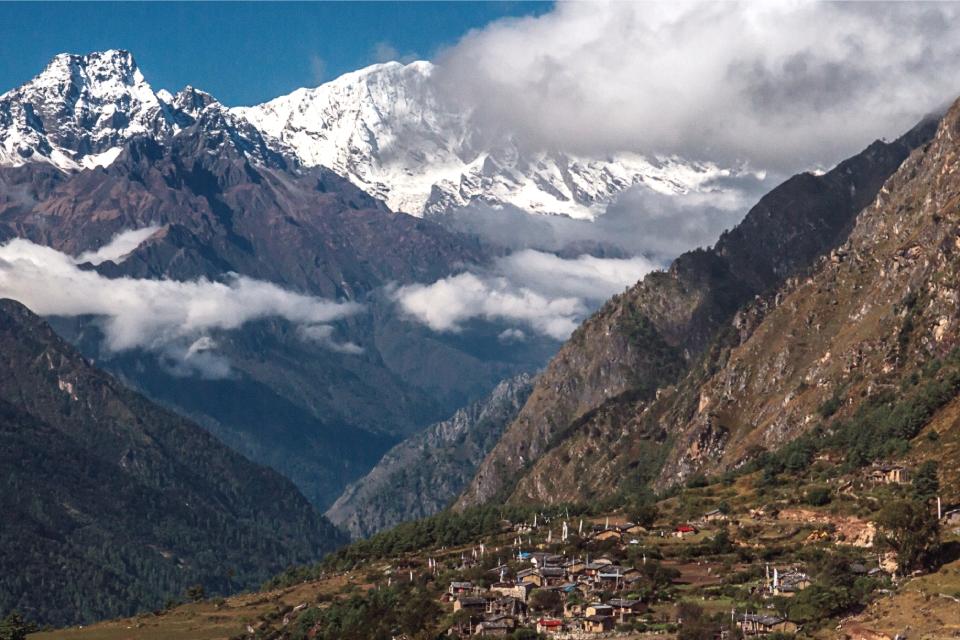
Tsum Valley, meaning the "Valley of Happiness," is a sacred Himalayan pilgrimage valley tucked away against the Tibet border. While the wider Manaslu Circuit has grown in popularity, the Tsum Valley branch remains a remarkably secluded sanctuary preserved in medieval time.
-
Maximum Altitude: Reaching up to 3,700 meters at Mu Gompa.
-
Why It’s Special: Steeped in ancient Buddhist history, the valley is dotted with centuries-old monasteries, mani walls carved with intricate prayers, and welcoming local communities who practice polyandry and retain ancient Tibetan customs. It offers deep spiritual resonance and dramatic cliffside scenery without heavy foot traffic.
-
Difficulty: Moderate (requires a special restricted area permit and basic stamina for remote terrain).
Essential Tips for Low-Traffic Trekking in Nepal
-
Permits and Regulations: Some quiet routes (like Tsum Valley) require special restricted area permits and registered licensed guides. Always book through a trusted local operator like Best Heritage Tour to ensure seamless paperwork.
-
Pack for Variable Weather: Even on easy, low-altitude treks, mountain weather can change quickly. Layered clothing, sturdy trekking boots, and a reliable rain jacket are essential.
-
Support Local Communities: Choosing community lodges and homestays ensures your tourism dollars directly benefit the families and villages hosting you.
Conclusion
Trekking in the Himalayas does not mean battling crowds or rushing along congested pathways. For travelers seeking peace, authentic cultural exchange, and stunning mountain panoramas without the strenuous demands of high-altitude mountaineering, Nepal's hidden trails offer the ultimate escape. From the legendary Everest vistas at Pikey Peak to the warm community hospitality of Mohare Danda and the sacred seclusion of Tsum Valley, these five quiet routes promise an intimate and unforgettable connection with nature.
Ready to escape the crowds and experience the peaceful, authentic heart of the Himalayas? Contact Best Heritage Tour today to plan your custom low-traffic trekking itinerary with our expert local guides.
Phone / WhatsApp / Viber: +977-9851149197 / +977-9810043046
Email: info@bestheritagetour.com / bestheritagetour@gmail.com
Website: www.bestheritagetour.com
Office: Thamel Marg, Kathmandu, Nepal
Frequently Asked Questions (FAQ)
What are the top 5 less crowded easy treks in Nepal?
The top 5 least crowded and easy-to-moderate treks in Nepal are the Pikey Peak Trek (Everest region), Khopra Danda Trek (Annapurna region), Mohare Danda Trek (Annapurna region), Tamang Heritage Trail (Langtang region), and Tsum Valley Trek (Manaslu region).
Are these least crowded treks in Nepal suitable for absolute beginners?
Yes! Trekkers with a reasonable level of general fitness and a spirit of adventure can easily complete routes like Mohare Danda, Tamang Heritage Trail, and Pikey Peak, as they feature gradual ascents and shorter daily walking durations.
Do I need a guide for these remote and quiet trekking routes in Nepal?
While some independent travel is possible on certain trails, hiring a licensed local guide through an established company like Best Heritage Tour guarantees safety, seamless lodge bookings, rich cultural insights, and hassle-free permit management.
When is the best time of year to undertake these quiet Himalayan treks?
Autumn (September to November) and Spring (March to May) provide the most stable weather, clear blue skies, and optimal daytime temperatures for these regional routes.
Author: Best Heritage Tour
Date: 4th August, 2026