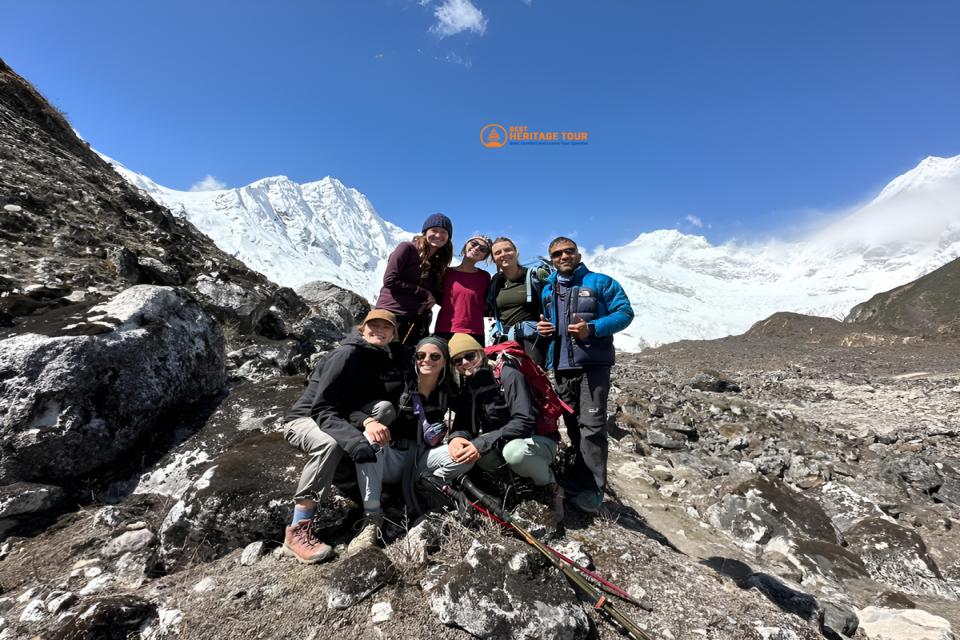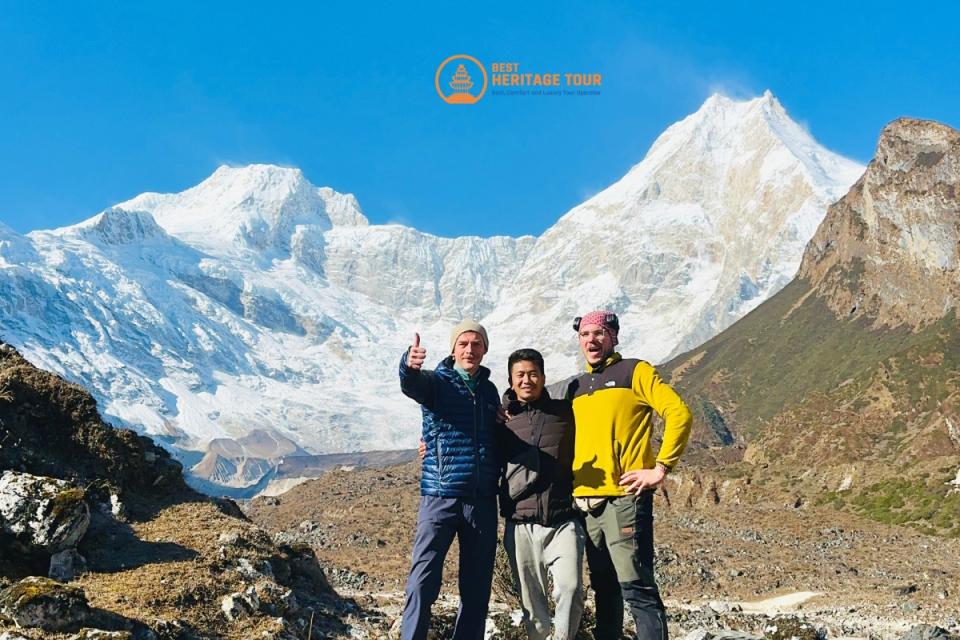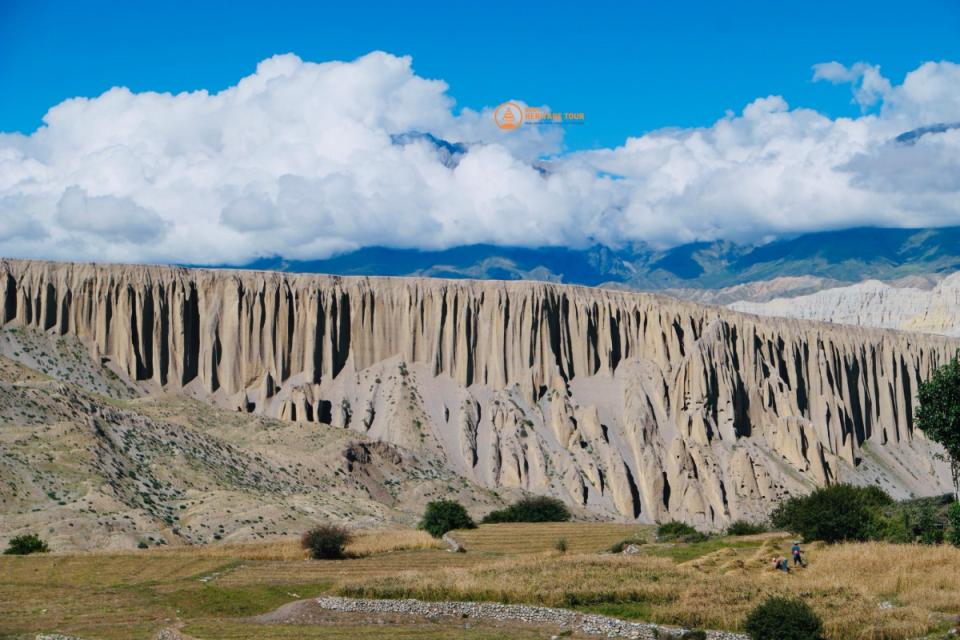
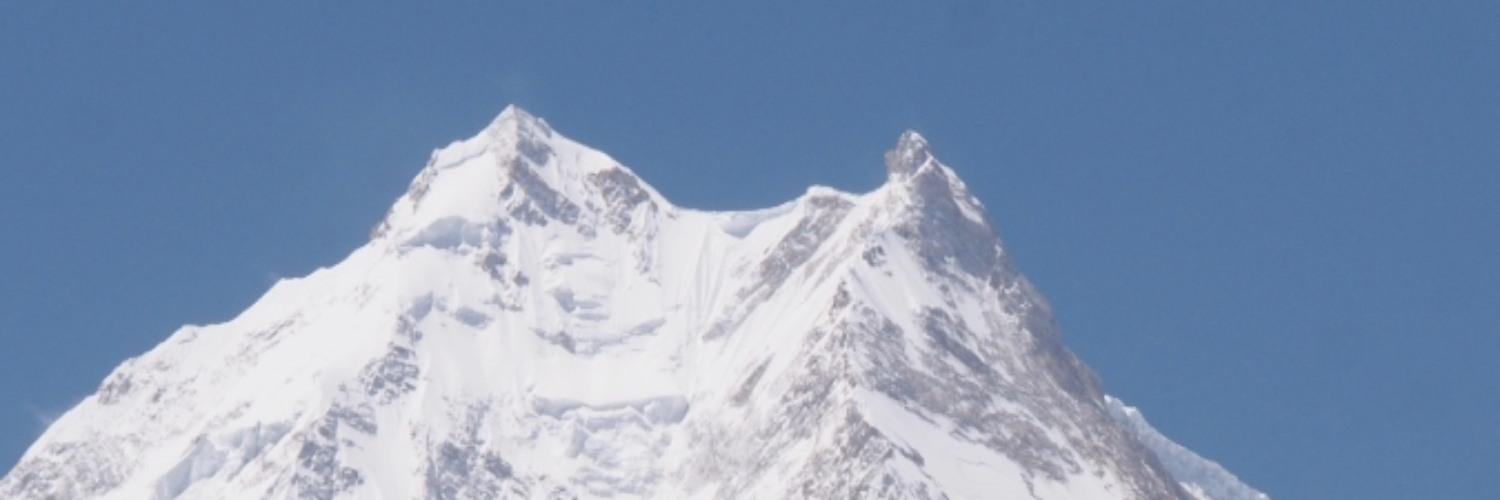
Crossing Larkya La Pass is not just another day on a Himalayan trek - it’s the defining moment of the legendary Manaslu Circuit Trek. Towering at 5,106 meters, this dramatic high pass rewards trekkers with sweeping panoramas of snow-covered peaks, glacier valleys, and raw alpine wilderness that still feels untouched by mass tourism.
If you’re planning this adventure, preparation is everything. Weather, altitude, terrain, gear, and timing all play critical roles in whether your crossing becomes the highlight of your journey - or a dangerous struggle.
This comprehensive guide walks you through everything you must know before crossing Larkya La Pass, based on real trekking conditions in Nepal’s Manaslu region.
Why Larkya La Pass Is So Special
Unlike crowded Himalayan crossings, Larkya La offers a rare sense of remoteness. The trail climbs gradually through traditional Gurung and Tibetan-influenced villages before opening into a vast glacial basin beneath Mount Manaslu - the world’s eighth-highest peak.
What makes the pass remarkable:
-
One of Nepal’s longest and most scenic high-altitude passes
-
Panoramic views of Himlung Himal, Cheo Himal, Kang Guru, and Annapurna II
-
A less commercialized alternative to Everest and Annapurna routes
-
A true wilderness trekking experience
For trekkers who want authentic Himalayan adventure, this crossing delivers in full.
Where Exactly Is Larkya La Pass?
The pass connects the upper Manaslu region to the Annapurna side of Nepal. The crossing occurs between Dharamsala (also called Larkya Phedi) and Bimthang, descending into lush alpine valleys after the high crossing.
The trek typically begins in Soti Khola and ends near Dharapani, where trails connect to the Annapurna region.
Difficulty Level: How Hard Is the Crossing?
Let’s be real - Larkya La is challenging but achievable for prepared trekkers.
Physical Challenge
-
Long ascent day (8-10 hours of trekking)
-
Thin air above 5,000 meters
-
Rocky moraine paths and snow sections
-
Steep descent after the pass
Technical Difficulty
No climbing skills required. However:
-
Snow and ice are common
-
Trail can be unclear in bad weather
-
Trekking poles are essential
Who Can Cross Successfully?
You can cross safely if you:
-
Have prior multi-day trekking experience
-
Are comfortable hiking 6-8 hours daily
-
Follow proper acclimatization
-
Trek with experienced guides
For most trekkers, endurance matters more than speed.
Best Time to Cross Larkya La Pass
Timing can make or break your crossing experience.
Spring (March-May) - Best Overall
-
Stable weather
-
Blooming rhododendron forests
-
Clear mountain views
-
Manageable snow conditions
Autumn (September-November) - Most Popular
-
Crisp visibility
-
Dry trails
-
Ideal temperatures
-
High success rate for crossing
Winter (December-February)
Possible but risky:
-
Heavy snow accumulation
-
Extreme cold
-
High chance of pass closure
Monsoon (June-August)
Not recommended:
-
Landslides
-
Poor visibility
-
Slippery trails
For safety and views, spring and autumn are the clear winners.
Acclimatization: The Golden Rule of Success
Altitude sickness is the biggest risk when crossing Larkya La.
Proper acclimatization schedule usually includes overnight stays at:
-
Samagaon
-
Samdo
-
Dharamsala before crossing
Key Prevention Tips
-
Walk slowly (“bistari, bistari” as locals say)
-
Drink 3-4 liters of water daily
-
Avoid alcohol at altitude
-
Listen to your guide’s advice
-
Descend immediately if symptoms worsen
Your body needs time - rushing the Himalayas never ends well.
What the Larkya La Pass Crossing Day Is Actually Like?
Trekkers usually begin before sunrise from Dharamsala.
Early Morning Start
-
Headlamp trekking begins around 3-4 AM
-
Cold temperatures often below freezing
-
Gradual climb across glacial terrain
The Final Push
As you approach the pass:
-
Prayer flags appear against vast snowy landscapes
-
Wind can be strong
-
Views open dramatically
Standing at Larkya La Pass feels surreal - a true Himalayan achievement.
Descent to Bimthang
The descent is long but stunning:
-
Frozen lakes and glaciers
-
Expansive valley views
-
Increasing oxygen levels
Expect tired legs but unforgettable memories.
Essential Gear for Crossing Larkya La
Packing smart is crucial at high altitude.
Clothing
-
Insulated down jacket
-
Thermal base layers
-
Waterproof shell jacket and pants
-
Warm gloves and hat
-
UV-protection sunglasses
Trekking Equipment
-
Sturdy trekking boots
-
Trekking poles
-
Headlamp with spare batteries
-
Microspikes (spring or late autumn)
Health & Safety
-
First aid kit
-
Water purification tablets
-
High-energy snacks
-
Sunscreen SPF 50+
Weather can change quickly - always prepare for cold and wind.
Weather Conditions at the Pass
High Himalayan weather is unpredictable.
Typical conditions include:
-
Strong winds at the summit
-
Sudden snowfall
-
Rapid temperature drop
-
Clear mornings, cloudy afternoons
This is why guides aim for early crossings - stability is highest before noon.
Permits Required for the Manaslu Region
Larkya La lies in a restricted trekking zone, so permits are mandatory.
Required permits include:
-
Manaslu Restricted Area Permit
-
Manaslu Conservation Area Permit
-
Annapurna Conservation Area Permit
Independent trekking is not allowed - you must trek with a registered agency and guide.
For trekkers planning logistics smoothly, working with experienced local operators like Best Heritage Tour ensures permits, itinerary design, and acclimatization schedules are properly handled.
Common Mistakes Trekkers Make
Even experienced hikers sometimes underestimate Larkya La.
Avoid these pitfalls:
-
Starting too fast
-
Ignoring early altitude symptoms
-
Packing too light for cold weather
-
Crossing in poor weather
-
Skipping acclimatization days
-
Smart trekking is safe trekking
Cultural Experience Along the Trail
The journey to Larkya La is not only about mountains. It’s also a cultural immersion.
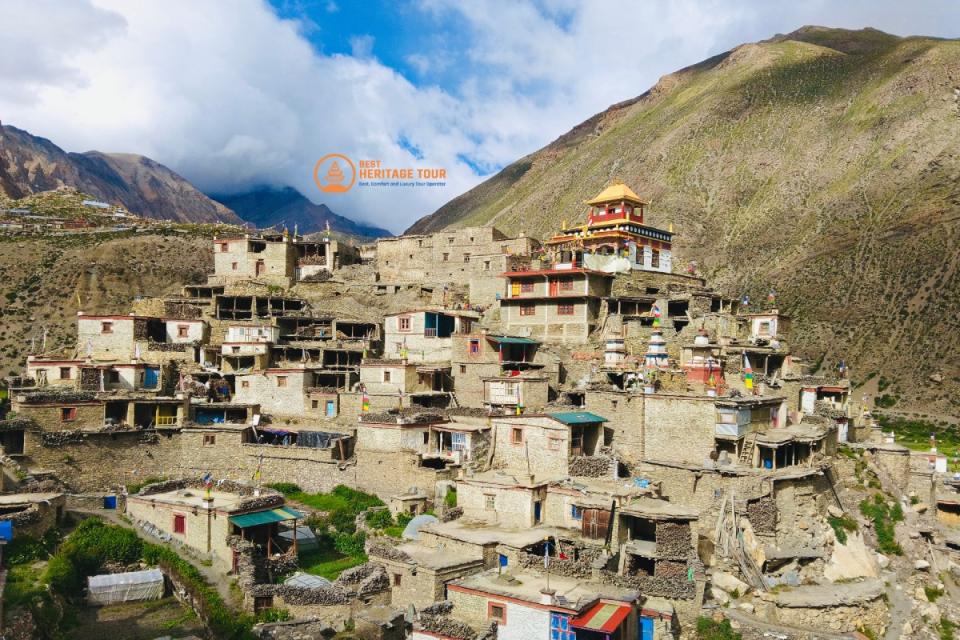
Trekkers pass through traditional Himalayan communities where you’ll see:
-
Tibetan Buddhist monasteries
-
Mani walls and prayer wheels
-
Yak caravans
-
Stone-built mountain villages
The region’s lifestyle remains deeply connected to nature and tradition - something many trekkers find just as memorable as the pass itself.
Why Choose the Manaslu Route Over Other Treks?
If you’re comparing Himalayan routes, Manaslu offers a distinct experience.
Compared to Everest or Annapurna:
-
Fewer crowds
-
More wilderness
-
Authentic village culture
-
Dramatic terrain diversity
-
One of Nepal’s most rewarding high passes
It’s ideal for trekkers seeking adventure without the heavy traffic of classic routes.
Conclusion
Crossing Larkya La Pass is not simply a trekking milestone - it is a powerful journey through remote landscapes, ancient culture, and personal endurance. With proper acclimatization, the right season, reliable gear, and professional guidance, this iconic Himalayan crossing becomes both safe and unforgettable.
For trekkers seeking an authentic high-altitude adventure in Nepal, the Manaslu region offers a rare combination of wilderness, culture, and breathtaking mountain scenery.
If you are planning your Larkya La Pass trek and want a well-organized, safe, and locally guided experience, Best Heritage Tour is ready to assist you with expert planning, permits, experienced guides, and complete trek support.
Contact Best Heritage Tour today to start planning your Manaslu adventure.
Phone / WhatsApp / Viber: +977-9851149197 / +977-9810043046
Email: info@bestheritagetour.com / bestheritagetour@gmail.com
Website: www.bestheritagetour.com
Office: Thamel Marg, Kathmandu, Nepal
Author: Best Heritage Tour
Date: 23rd February, 2026