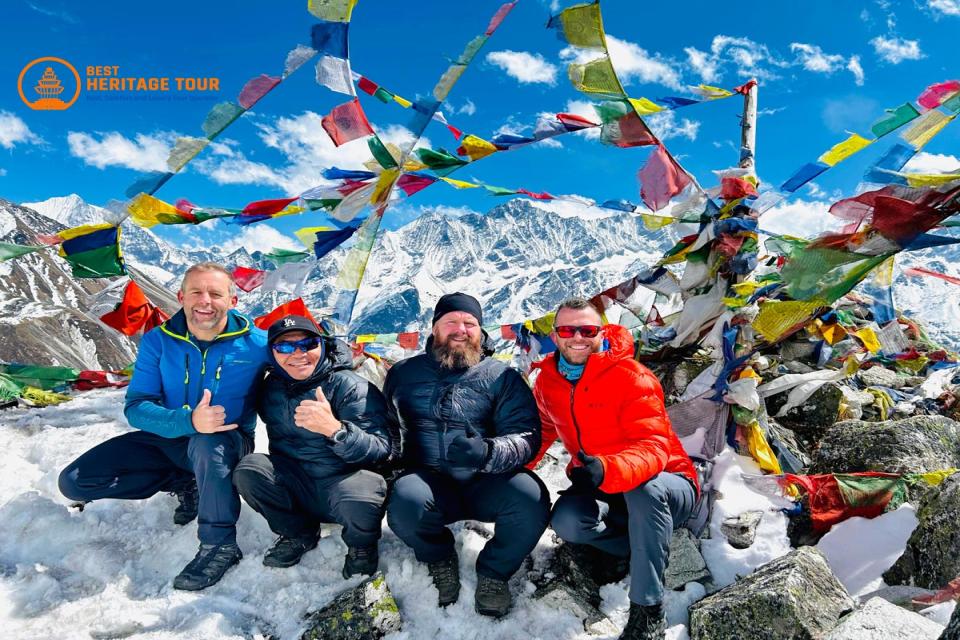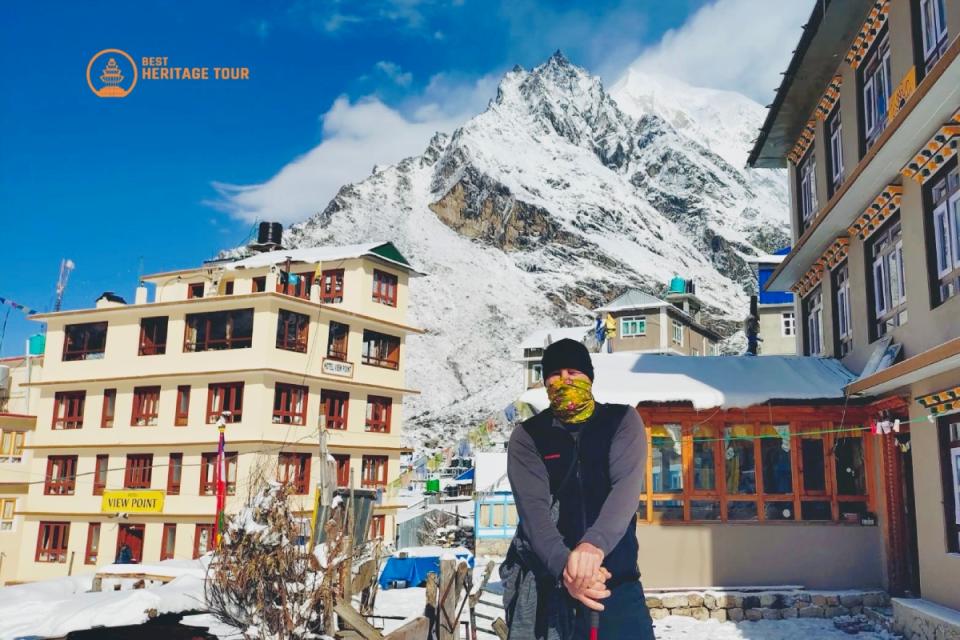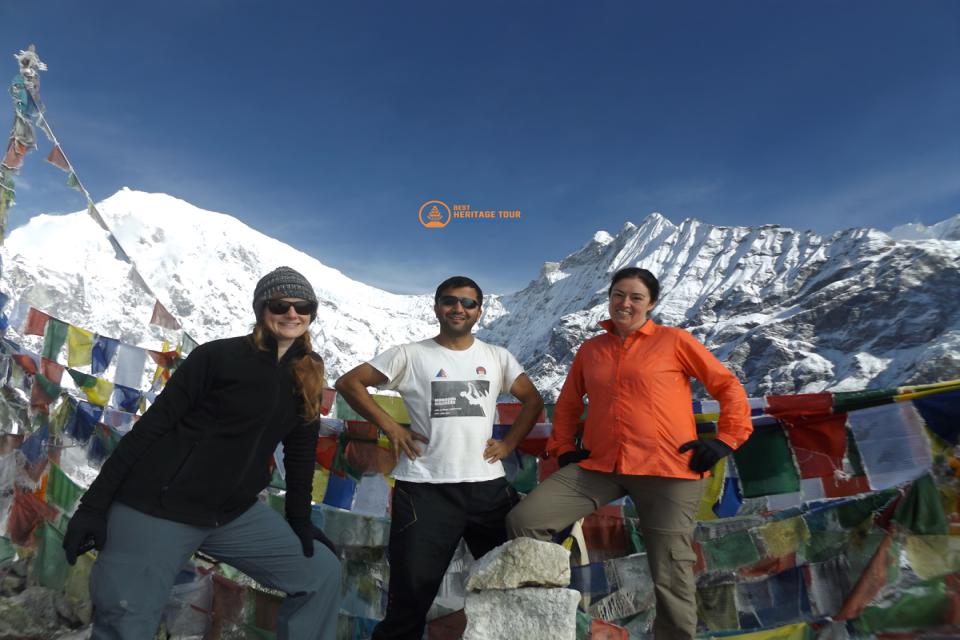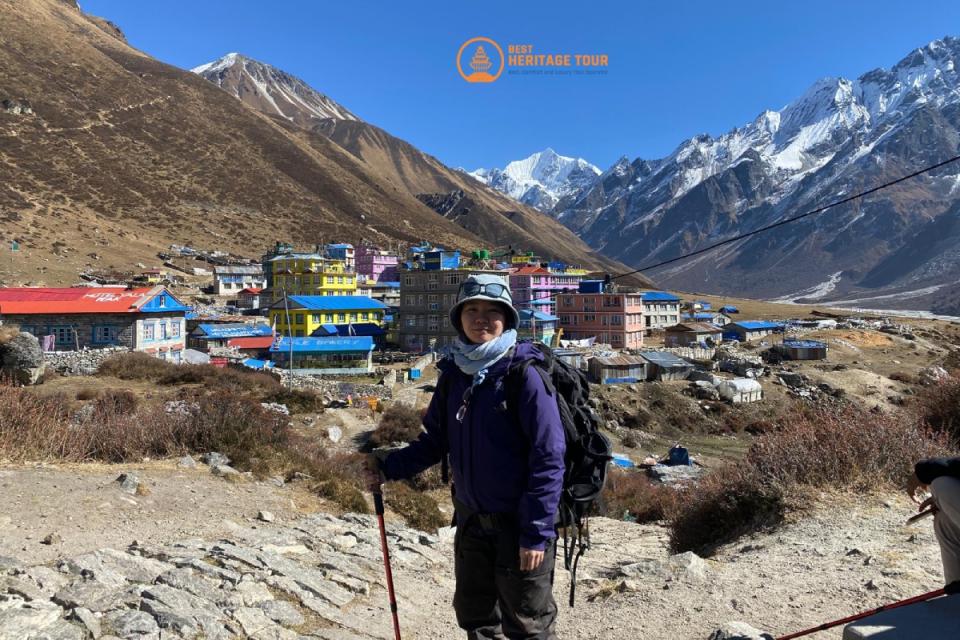
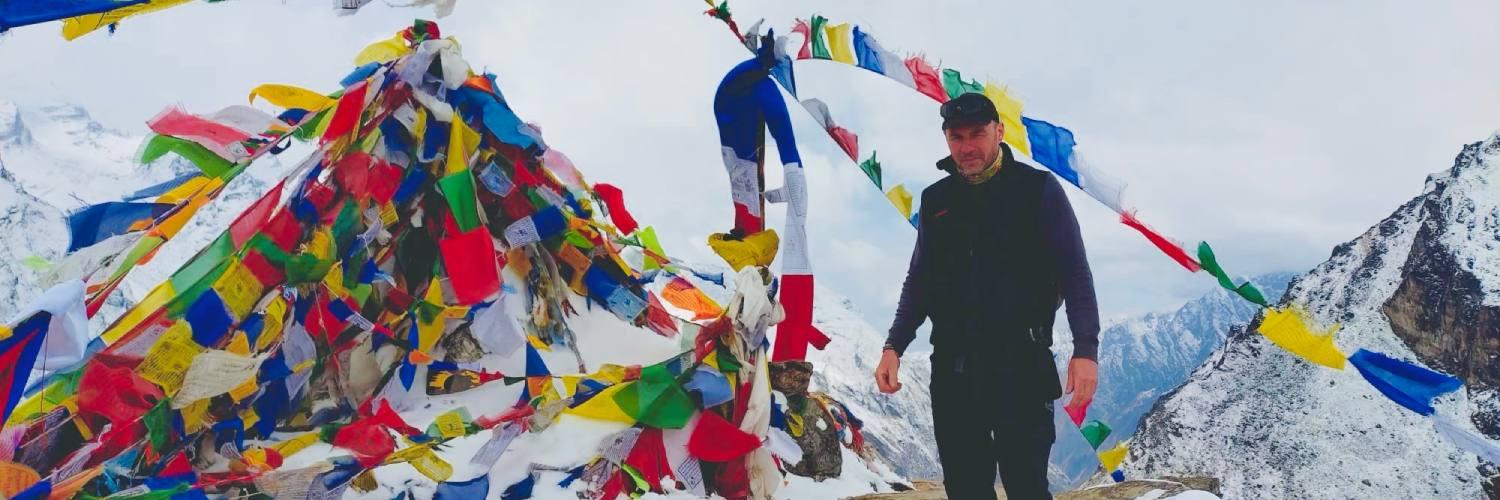
While the world waits for the dust of autumn or the thaw of spring, a quiet transformation occurs in the heart of the Central Himalayas. At Best Heritage Tour, we have spent decades navigating the rugged terrains of Nepal, and we’ve discovered a secret: the Langtang Valley Trek in Summer is perhaps the most misunderstood and most rewarding - experience for the soul-seeking traveler.
Most trekkers avoid the summer months, fearing the monsoon rains. However, for those who know where to look, the "Valley of Glaciers" sheds its icy white coat to reveal a vibrant, emerald-green paradise teeming with life. In this comprehensive guide, we invite you to look past the clouds and discover why trekking to Langtang between June and August is a journey into the very lungs of the Earth.
Why the Langtang Valley Trek in Summer is a Hidden Gem
Most people ask us, "Is it even possible to trek during the monsoon in Nepal?" At Best Heritage Tour, our answer is a resounding "Yes" - provided you are prepared. The summer season, typically spanning from June to August, transforms the Langtang Valley into a vibrant green sanctuary.
1. The "Valley of Glaciers" Becomes a "Valley of Life"
While the snow-capped peaks of Langtang Lirung (7,227m) and Dorje Lakpa remain iconic, the summer rain brings a different kind of magic. The alpine meadows explode with wildflowers - rhododendrons, primulas, and rare orchids. The forests of oak and bamboo feel alive, and the many waterfalls along the trail from Syabrubesi to Lama Hotel are at their most thunderous and majestic.
2. Unrivaled Solitude
If you’ve ever trekked to Everest Base Camp in October, you know the "traffic jams" on the trails. In the summer, you might walk for hours without seeing another soul. This provides an intimate connection with the landscape that peak seasons simply cannot offer.
3. Authentic Cultural Exchange
Because there are fewer tourists, the local Tamang people have more time to share stories. At Best Heritage Tour, we believe travel is about people. In summer, the teahouse owners aren't rushed; they are happy to sit with you over a cup of salt butter tea and discuss the history of the rebuilt Langtang Village.
Is it Safe to Trek to Langtang Valley in Summer?
Safety is our number one priority at Best Heritage Tour. Many travelers worry about the risks of the Langtang Valley Trek in Monsoon, and while there are challenges, they are manageable with professional guidance.
-
Trail Conditions: Yes, the trails can be muddy and slippery. We always recommend high-quality trekking poles and boots with deep lugs.
-
Landslides: Certain sections of the road from Kathmandu to Syabrubesi and the trail itself can be prone to landslides after heavy rain. Our guides are trained to monitor local weather reports and have the "on-the-ground" knowledge to choose alternative paths or wait for the right moment to cross sensitive areas.
-
Leeches and Bugs: The lower altitude forests (below 3,000m) become home to leeches during the rains. We provide our trekkers with salt and repellent, and we teach you the "local tricks" to keep them at bay.
-
Visibility: While clouds often roll in during the afternoons, the early mornings are surprisingly clear. You can often witness the most dramatic sunrises as the clouds part to reveal the glistening peaks.
Weather and Temperature: What to Expect
In the summer, the Langtang region experiences a "warm and wet" climate. It is rarely "freezing" at the elevations most trekkers reach.
|
Elevation |
Daytime Temp |
Nighttime Temp |
Weather Character |
|---|---|---|---|
|
Syabrubesi |
22℃ to 28℃ |
15℃ to 18℃ |
Humid, tropical feel, frequent rain. |
|
Langtang Village |
12℃ to 18℃ |
7℃ to 10℃ |
Refreshingly cool, lush greenery. |
|
Kyanjin Gompa |
8℃ to 12℃ |
3℃ to 6℃ |
Alpine air, crisp mornings, afternoon mist. |
Essential Summer Packing List
Trekking in the monsoon requires a specific strategy: Stay dry, stay light.
-
Waterproof Shells: A high-quality GORE-TEX jacket and rain pants are non-negotiable.
-
Pack Protection: Use a waterproof rain cover for your backpack and internal dry bags for your electronics and dry clothes.
-
Footwear: Waterproof trekking boots. We also recommend a pair of light sandals for the evening in the teahouses.
-
Quick-Dry Clothing: Avoid cotton at all costs. Synthetic or merino wool layers that dry quickly are your best friends when humidity is high.
-
Anti-Leech Socks: Or simply long socks and gaiters to bridge the gap between your boots and pants.
Best Heritage Tour’s Recommended Summer Itinerary
To make the most of the Langtang Valley Trek in Summer, we’ve refined our 7-day itinerary to account for weather patterns and maximize your chance of clear mountain views.
-
Day 01: Drive from Kathmandu to Syabrubesi (1,460m).
A scenic (though sometimes bumpy) drive through the hills. -
Day 02: Trek to Lama Hotel (2,470m).
Follow the Langtang Khola river through lush, rain-washed forests. -
Day 03: Trek to Langtang Village (3,430m).
As you gain altitude, the air clears and the valley opens up. -
Day 04: Trek to Kyanjin Gompa (3,870m).
A shorter day that allows for acclimatization and a visit to the local yak cheese factory. -
Day 05: Exploration Day (Kyanjin Ri or Tsergo Ri).
We start before dawn to catch the sunrise over the Langtang Himal before the afternoon clouds arrive. -
Day 06: Trek back to Lama Hotel.
A long but rewarding descent through the green heart of the valley. -
Day 07: Trek to Syabrubesi and drive back to Kathmandu.
Flora and Fauna: A Summer Highlight
For nature lovers, the Langtang National Park in summer is a paradise. This is the best time to spot:
-
The Red Panda: These elusive creatures are more active in the dense, moist bamboo forests during the summer.
-
Himalayan Monal (Danphe): The national bird of Nepal, displaying its iridescent feathers against the green backdrop.
-
Wild Orchids: Dozens of species bloom only during the monsoon, decorating the moss-covered trees.
Expert Tips for a Successful Summer Trek
-
Start Early: In the monsoon, the weather follows a pattern: clear mornings and rainy afternoons. At Best Heritage Tour, we ensure our groups hit the trail by 6:00 AM to reach the next destination before the heavy rain starts.
-
Stay Hydrated: The humidity can be deceptive. You’ll sweat more than you realize.
-
Flexibility is Key: Sometimes the mountains want you to stay an extra day. We always recommend building a "buffer day" into your travel plans in case of transport delays.
-
Embrace the Atmosphere: There is something deeply spiritual about the sound of rain on a tin roof in a remote Himalayan village. Lean into the experience!
Conclusion
The Langtang Valley Trek in Summer isn't for the trekker looking for a "perfect" postcard blue sky every single hour. It is for the adventurer who wants to see the Himalayas at their most powerful, fertile, and quiet. It is for the traveler who finds beauty in the mist, the waterfalls, and the vibrant life that the rain brings.
At Best Heritage Tour, we have the expertise and the local connections to make your summer trek safe, comfortable, and unforgettable. Let us take care of the logistics while you soak in the magic of the "Valley of Glaciers."
Contact Best Heritage Tour
Ready to experience the green side of the Himalayas? Reach out to us today to start planning your custom Langtang adventure.
Phone / WhatsApp / Viber: +977-9851149197 / +977-9810043046
Email: info@bestheritagetour.com / bestheritagetour@gmail.com
Website: www.bestheritagetour.com
Office: Thamel Marg, Kathmandu, Nepal
Author: Best Heritage Tour
Date: 28th April, 2026