All About the Mu Gompa
Namaste and welcome! If you are reading this, you are likely a seeker of stories, a lover of high-altitude solitude, or a trekker looking for a journey that transcends the physical. As one who had spent years walking the rugged trails of the Manaslu Conservation Area, we can tell you that few places in the world hold the same mystical "vibration" as Mu Gompa.
Located at the highest point of the Tsum Valley Trek, Mu Gompa isn't just a destination - it’s a threshold. It is the place where the trail ends and the spirit begins. In this comprehensive guide, we are going to dive deep into the history, the culture, the logistics, and the sheer magic of Mu Gompa.
Whether you are planning your next adventure with Best Heritage Tour or simply exploring from your screen, let’s walk through the "Hidden Valley of Happiness" together.
What is Mu Gompa? An Overview
Mu Gompa (often spelled Mu Gumba) is the largest and highest monastery in the Tsum Valley, situated at an elevation of 3,700 meters (12,139 ft). While there are many monasteries (gompas) scattered throughout the Gorkha district, Mu Gompa holds a special status as the most remote permanent settlement in the upper valley, sitting just a few kilometers away from the Tibetan border.
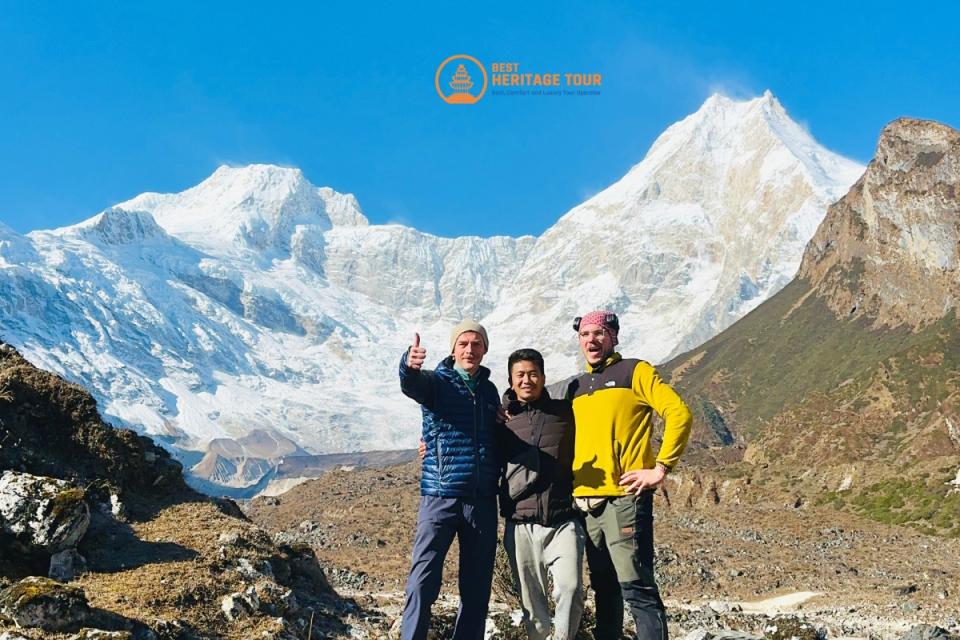
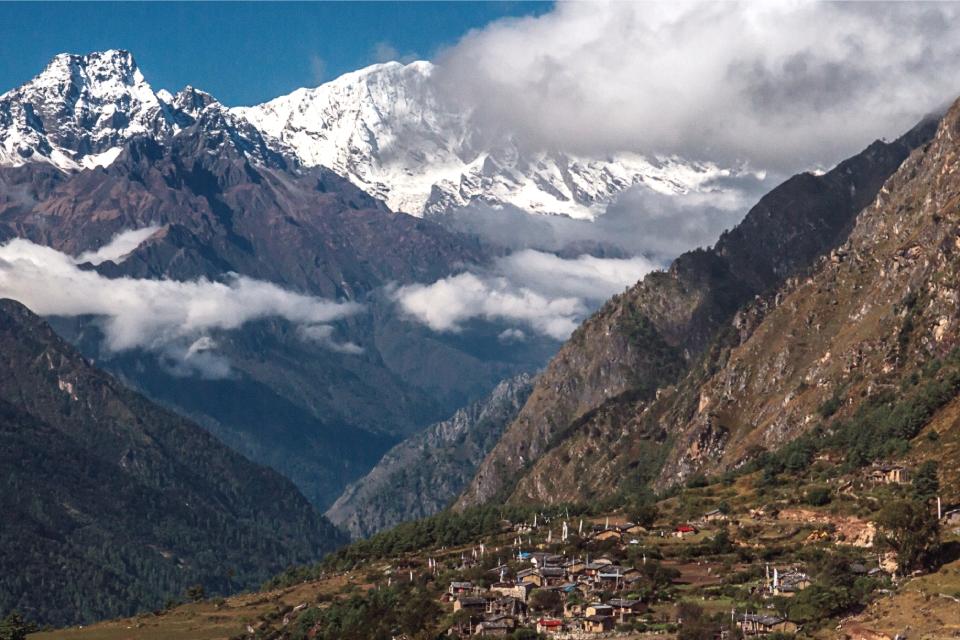
The word "Tsum" comes from the Tibetan word ‘Tsombo’, meaning vivid. Believe me, once you stand on the plateau of Mu Gompa and see the Shringi Himal and Ganesh Himal ranges piercing the sky, you will understand why "vivid" is the only word that fits.
Quick Facts for the Curious Traveler
|
Feature |
Details |
|---|---|
|
Location |
Upper Tsum Valley, Gorkha, Nepal |
|
Altitude |
3,700 meters / 12,139 feet |
|
Tradition |
Gelugpa Lineage (Tibetan Buddhism) |
|
Established |
Late 19th Century (Approx. 1895 AD) |
|
Difficulty |
Moderate to Challenging (Remote & High Altitude) |
|
Best Time |
March-May (Spring) & September-November (Autumn) |
The Sacred History: A Valley Blessed by Saints
To understand Mu Gompa, you must first understand the Tsum Valley. This region is considered a Beyul - one of the 108 sacred "hidden valleys" in the Himalayas. According to Buddhist legend, these valleys were designated by the 8th-century saint Guru Padmasambhava (Guru Rinpoche) as places of refuge where the Dharma would be preserved during times of war and chaos.
The Footsteps of Milarepa
Long before the physical walls of Mu Gompa were built in 1895, the valley was a sanctuary for meditators. The great Tibetan yogi Milarepa is said to have meditated in the caves of these mountains. Just below Mu Gompa, at the Piren Phu (Pigeon Cave), you can still see what is believed to be his footprint embedded in the rock.
The Non-Violence Tradition (Shayagya)
One of the most unique aspects of this region is the tradition of Shayagya. The inhabitants of Tsum - known as Tsumbas - have strictly prohibited the killing of any living beings within the valley for over a century. No hunting, no slaughtering. This deep-rooted compassion has created a harmonious ecosystem where Blue Sheep and Himalayan Thar graze without fear. When you visit Mu Gompa, you aren't just visiting a building; you are entering a zone of total peace.
The Journey to the Top: How to Reach Mu Gompa
Reaching Mu Gompa is a test of patience and persistence. It is not a place you "visit" - it is a place you "earn." Typically, Mu Gompa is the final highlight of the Tsum Valley Trek.
The Trekking Route
Your journey usually begins with a scenic (and sometimes bumpy!) drive from Kathmandu to Machha Khola. From there, you follow the Budhi Gandaki River, diverging from the main Manaslu Circuit at Lokpa.
-
Lokpa to Chumling: This is the gateway. As you enter the valley, the greenery turns more alpine.
-
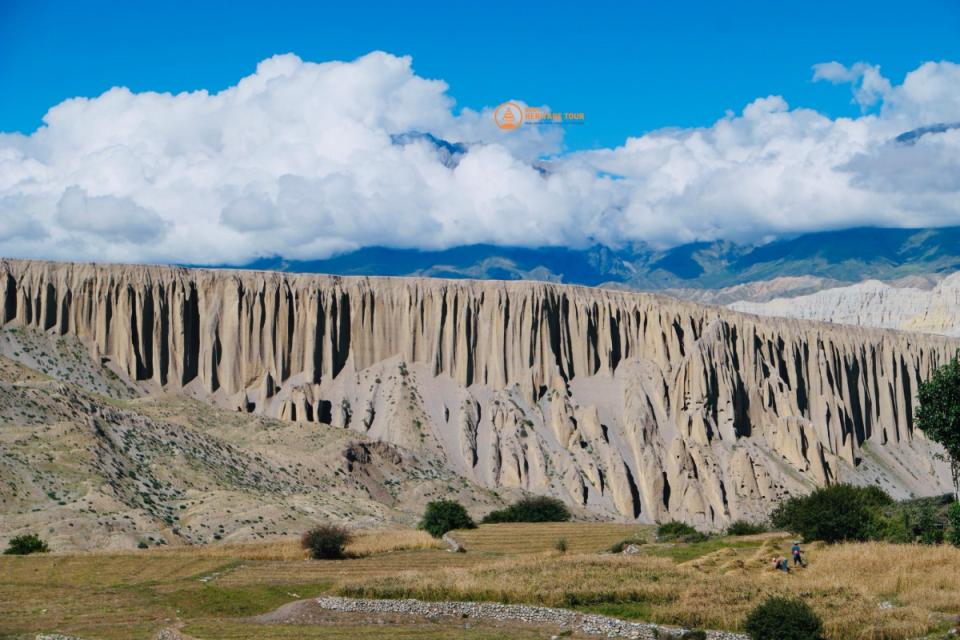
Chumling to Chhokangparo: You enter the "Upper Tsum," where the landscape opens into wide, wind-swept plateaus.
-
Nile to Mu Gompa: The final push. From the village of Nile, it’s a steady 2-to-3-hour climb to the monastery.
Pro-Tip from the Guide: Don't rush this section. The air is thin here. Drink plenty of garlic soup (a local remedy for altitude) and keep a steady, rhythmic pace.
Inside the Walls of Mu Gompa
As you approach, the white-washed walls of the monastery appear like a fortress against the brown and grey of the high-altitude terrain. The monastery is a Gelugpa institution, the same school of Buddhism as the Dalai Lama.
The Architecture
The main prayer hall (Dukhang) is a masterpiece of traditional Tibetan art. Inside, you will find:
-
A life-sized statue of Avalokiteshvara (the Buddha of Compassion).
-
Ancient murals depicting the life of the Buddha and various deities.
-
Rows of Kangyur - sacred Buddhist scriptures preserved in traditional cloth wraps.
-
Intricate Thangkas (scroll paintings) that have survived for decades.
The Daily Life of Monks
Unlike the busy monasteries in Kathmandu, Mu Gompa is quiet. Life here is dictated by the sunrise, prayers, and the harsh mountain seasons. There are only a few resident monks who stay year-round, often entering long retreats during the freezing winter months. If you are lucky, you might be invited for a cup of Tibetan Salt Butter Tea - a staple that keeps the monks warm in the thin air.
Best Time to Visit: Weather and Seasons
The "Hidden Valley" isn't always accessible. Choosing the right time is the difference between a spiritual experience and a dangerous struggle.
Spring (March to May) - The Season of Life
This is arguably the best time. The rhododendrons in the lower valleys are in full bloom, and the weather at Mu Gompa is crisp and clear. The temperatures range from -5°C at night to 12°C during the day.
Autumn (September to November) - The Golden View
After the monsoon rains, the dust is washed from the air, offering the most stable weather and the sharpest views of the Himalayas. This is also the time when locals celebrate festivals like Saka Dawa, and the valley is filled with a sense of gratitude.
Winter (December to February)
Not recommended for most. Mu Gompa is often buried in snow, and the residents move to lower elevations. Only experienced trekkers with heavy-duty gear should attempt this.
Practical Information for Travelers
Permits
Since Tsum Valley is a Restricted Area near the border of Tibet, you cannot trek here alone. You must have:
-
Tsum Valley Restricted Area Permit: (Costs vary by season).
-
Manaslu Conservation Area Project (MCAP) Permit.
-
A Registered Guide: Mandatory for all restricted areas in Nepal.
Side Trips from Mu Gompa
If you have an extra day (which we highly recommend!), there are two incredible spots nearby:
-
Dephyudonma Gumba: One of the oldest monasteries in the valley, tucked even higher in the rugged mountains. It is a 2-hour walk from Mu Gompa and offers a raw, untouched spiritual atmosphere.
-
The Base of Pika Himal (4,865m): For those seeking a physical challenge, a hike toward the base of Pika Himal offers panoramic views of the Tibetan plateau. You can practically see into Tibet from here!
Why Mu Gompa Should Be on Your Bucket List?
In a world that is becoming increasingly "connected" and loud, Mu Gompa offers the opposite. It offers silence.
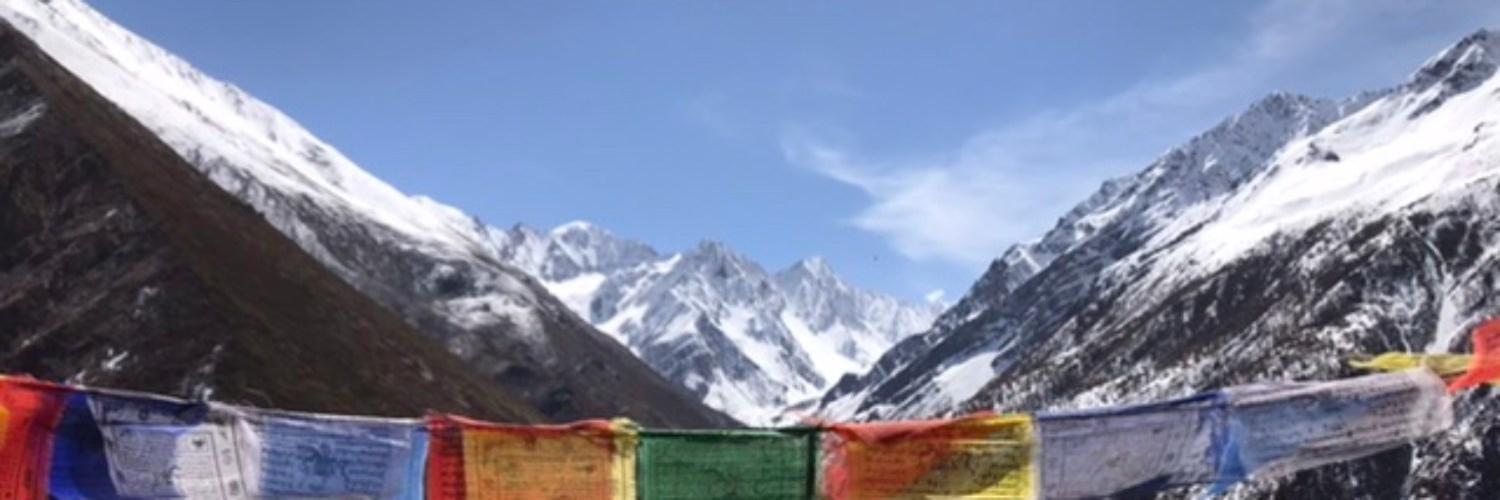
When you stand at the edge of the Mu Gompa plateau, looking at the prayer flags fluttering in the wind, you realize that the trek wasn't just about the miles. It was about the transition from the noise of the city to the stillness of the heart. The Tsumbas say that once you visit Tsum, a part of your soul stays there forever.
Conclusion
Mu Gompa is more than just a pin on a map. It is the pinnacle of the Tsum Valley, a place where history, religion, and nature converge in a beautiful, high-altitude dance. If you are a cultural explorer or a trekker looking for something "off the beaten path," there is no better destination than this.
At Best Heritage Tour, we specialize in these deep-dive cultural experiences. We don't just lead you to the monastery; we introduce you to the monks, explain the history of the murals, and ensure your journey is safe, respectful, and unforgettable.
Are You Ready to Discover the Hidden Valley?
Don't just dream about the Himalayas - walk them. Contact us today to customize your Tsum Valley and Mu Gompa Trek. Whether you are a solo traveler or a group, we have the expertise to make your Himalayan dream a reality.
Phone / WhatsApp / Viber: +977-9851149197 / +977-9810043046
Email: info@bestheritagetour.com / bestheritagetour@gmail.com
Website: www.bestheritagetour.com
Office: Thamel Marg, Kathmandu, Nepal
Author: Best Heritage Tour
Date: 16th March, 2026