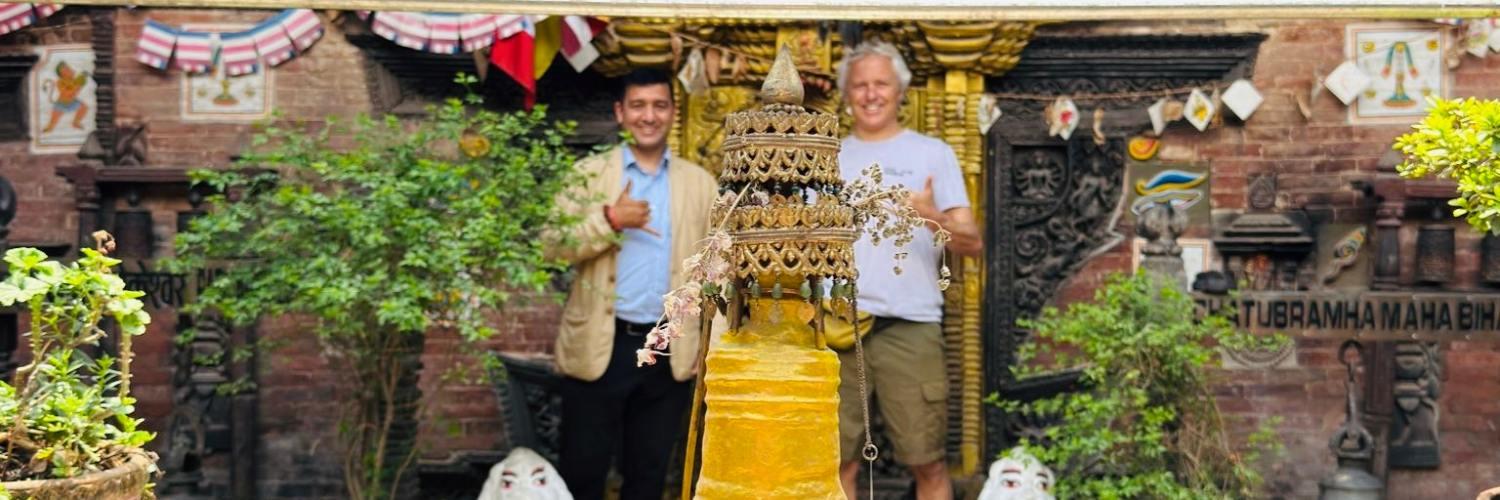
Kathmandu is often the first place travelers experience in Nepal. For some, it is simply a starting point before heading toward Everest, Annapurna, Manaslu, or another Himalayan destination. But spend a little more time here, and you will discover that Kathmandu Valley itself is a remarkable destination.
The valley is home to ancient cities, sacred temples, Buddhist stupas, royal courtyards, traditional architecture, and living cultural traditions. Seven of its historic and religious sites are recognized by UNESCO as a World Heritage property.
A Kathmandu Valley UNESCO tour is therefore much more than a sightseeing trip. It is a chance to understand the history, religion, art, and everyday culture that have shaped Nepal.
In this guide, we explore all 7 UNESCO World Heritage Sites in Kathmandu Valley, what makes each one special, how you can visit them, and what to know before you go.
What Makes Kathmandu Valley Special?
Kathmandu Valley is made up of three historic cities: Kathmandu, Lalitpur (Patan), and Bhaktapur.
For centuries, the valley was a major center of trade, religion, art, and craftsmanship. The Newar communities who developed these cities created remarkable temples, palaces, courtyards, sculptures, and houses.
What makes the valley particularly interesting is that Hindu and Buddhist traditions exist side by side. It is common to see a Hindu temple close to a Buddhist shrine, while ancient festivals and rituals continue as part of everyday life.
The seven UNESCO sites reflect this cultural richness.
They are:
- Kathmandu Durbar Square
- Swayambhunath
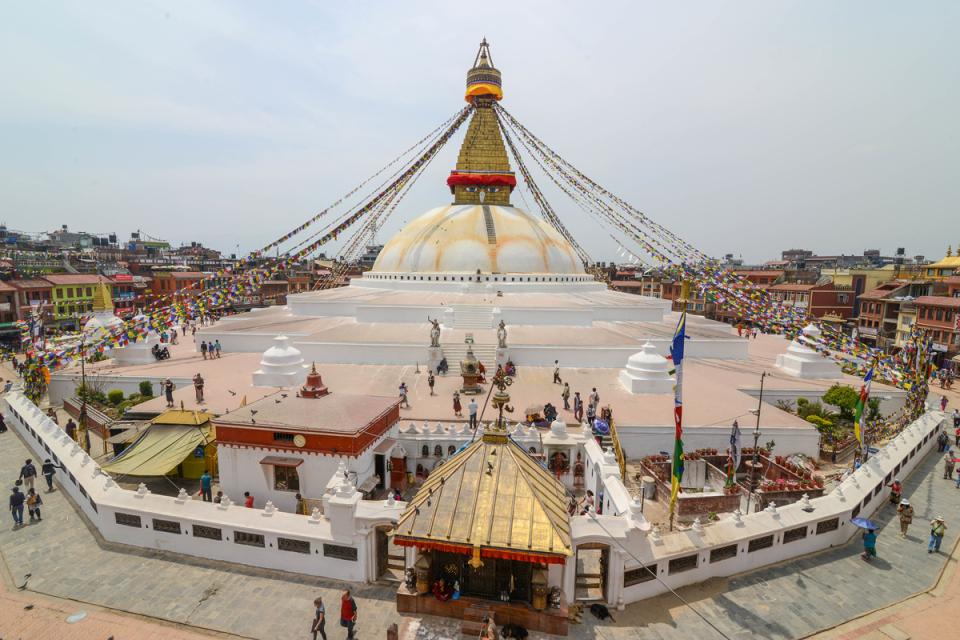
- Boudhanath
- Pashupatinath
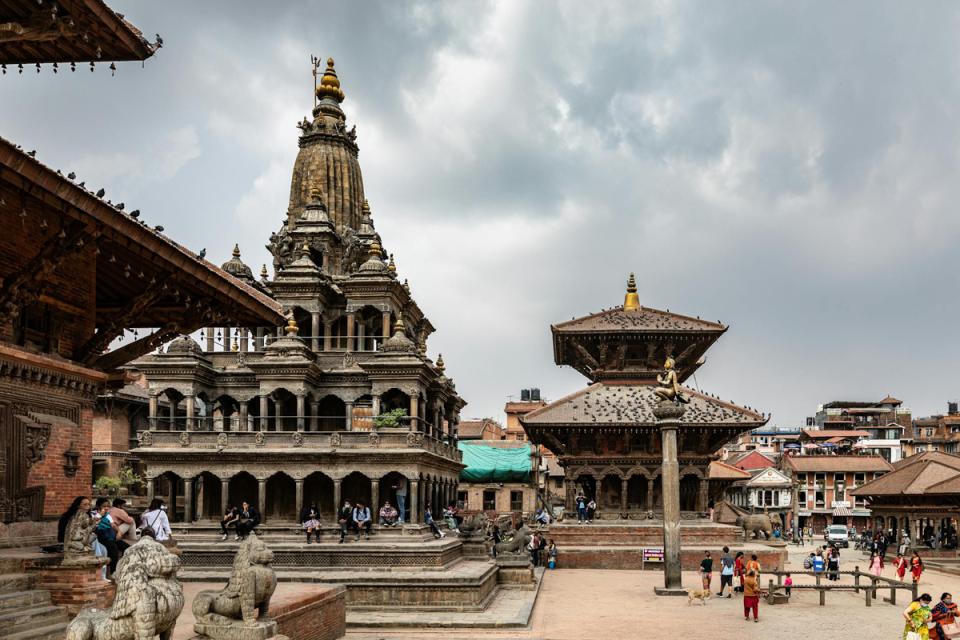
- Patan Durbar Square
- Bhaktapur Durbar Square
- Changu Narayan
Although they are collectively recognized as one UNESCO World Heritage property, each site has its own atmosphere and story.
1. Kathmandu Durbar Square
Kathmandu Durbar Square sits in the heart of the old city and was once the center of royal life in Kathmandu.
Walking through the square, you can see historic palaces, temples, courtyards, statues, and beautifully carved traditional buildings. The area gives visitors an immediate sense of how Kathmandu looked and functioned centuries ago.
One of its best-known landmarks is Hanuman Dhoka, the former royal palace complex. Another important attraction is Kumari Ghar, where the living goddess Kumari resides.
The square is surrounded by busy streets and local neighborhoods, so the experience is not limited to the monuments themselves. You can see traditional shops, local vendors, worshippers, and residents going about their daily lives.
Why visit Kathmandu Durbar Square?
It is an excellent place to begin understanding Kathmandu's royal history, architecture, religious traditions, and Newari culture.
2. Swayambhunath
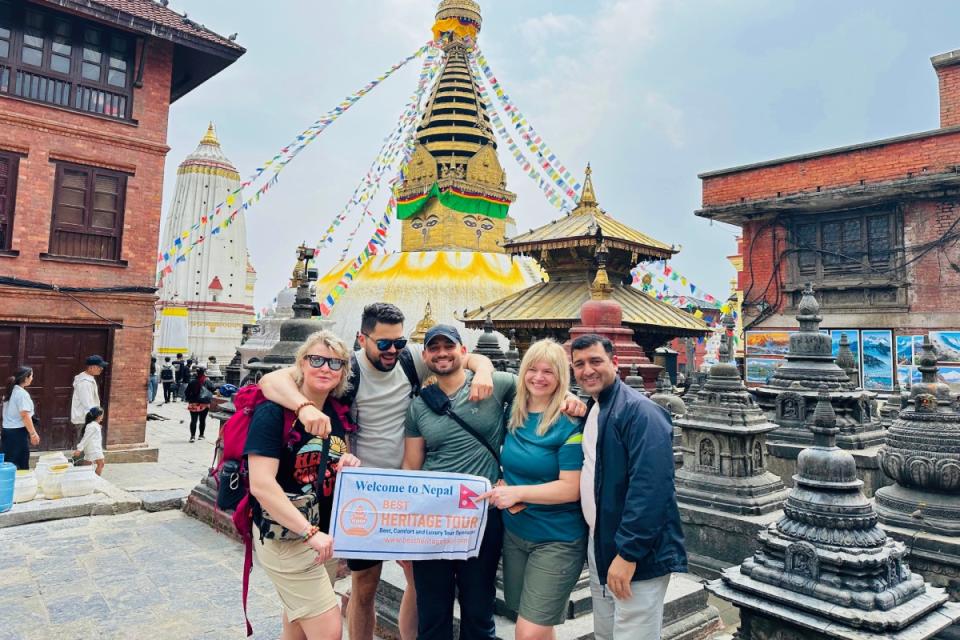
Swayambhunath is one of the most recognizable Buddhist landmarks in Kathmandu.
The stupa stands on a hill overlooking the Kathmandu Valley. Reaching the main complex involves climbing a long staircase, but the journey itself is part of the experience.
At the top, you will find the famous white stupa, prayer wheels, shrines, monasteries, statues, and colorful prayer flags. The Buddha's eyes painted on the stupa are among the most familiar symbols associated with Kathmandu.
The site is also commonly called the Monkey Temple, because monkeys can often be seen around the temple complex.
On a clear day, the hill provides a broad view across Kathmandu Valley.
Why visit Swayambhunath?
It combines Buddhist spirituality, historic architecture, and one of the best elevated views of Kathmandu.
3. Boudhanath
Boudhanath is another major Buddhist landmark and one of the most atmospheric places to visit in Kathmandu.
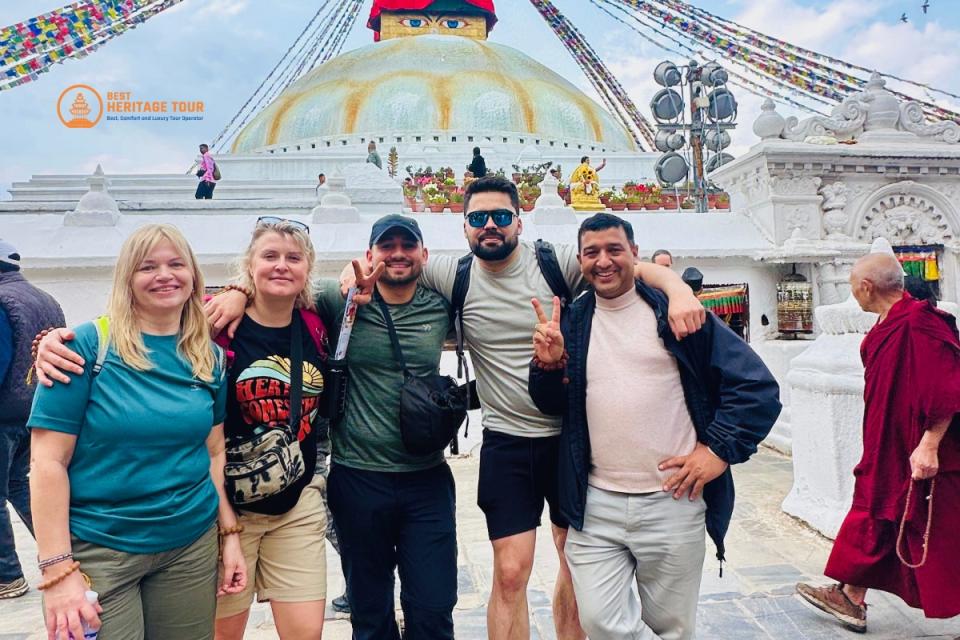
The enormous white stupa dominates the surrounding neighborhood. Pilgrims and visitors walk around the stupa, often spinning prayer wheels as they make their circuit.
The streets around Boudhanath are home to Buddhist monasteries, traditional shops, restaurants, cafés, and Tibetan-influenced cultural centers.
What makes Boudhanath particularly memorable is that it remains a living religious center. You are not simply looking at an old monument—you are watching people practice their faith.
Why visit Boudhanath?
If you want to experience Tibetan Buddhist culture and see one of Nepal's most important Buddhist pilgrimage sites, Boudhanath should be on your itinerary.
4. Pashupatinath Temple
Pashupatinath is one of the most sacred Hindu pilgrimage sites in Nepal and is dedicated to Lord Shiva.
The temple complex extends along the banks of the Bagmati River and contains numerous shrines, temples, sculptures, and religious spaces.
The main temple is reserved for Hindu worshippers, but visitors of other faiths can explore designated areas around the complex.
The Bagmati River is an important part of the experience. Religious ceremonies and traditional cremation rituals take place along its banks, making Pashupatinath a place where visitors can observe an important part of Hindu life and tradition.
Why visit Pashupatinath?
It offers a deeper understanding of Hindu spirituality and Nepal's religious heritage.
Visitors should dress modestly and behave respectfully, particularly around worshippers and religious ceremonies.
5. Patan Durbar Square
Crossing into Lalitpur, you reach Patan Durbar Square, an area particularly famous for its artistic heritage.
Patan has long been associated with skilled artisans and traditional Newari craftsmanship. The historic square contains temples, palace courtyards, stone sculptures, metalwork, and detailed wood carvings.
The Krishna Mandir is one of the most prominent structures in the square. The nearby Patan Museum is also worth visiting if you want to learn more about Nepalese art and religious traditions.
Patan feels somewhat different from central Kathmandu. Its historic streets and courtyards reveal a strong connection between architecture, community life, and craftsmanship.
Why visit Patan Durbar Square?
It is one of the best places in the valley to appreciate traditional Nepalese art and Newari architecture.
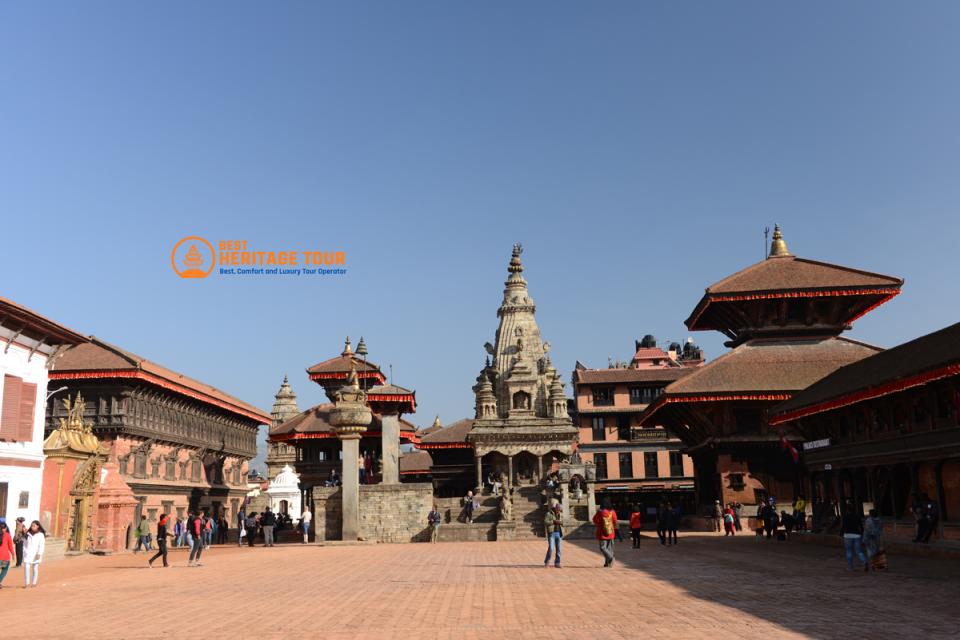
6. Bhaktapur Durbar Square
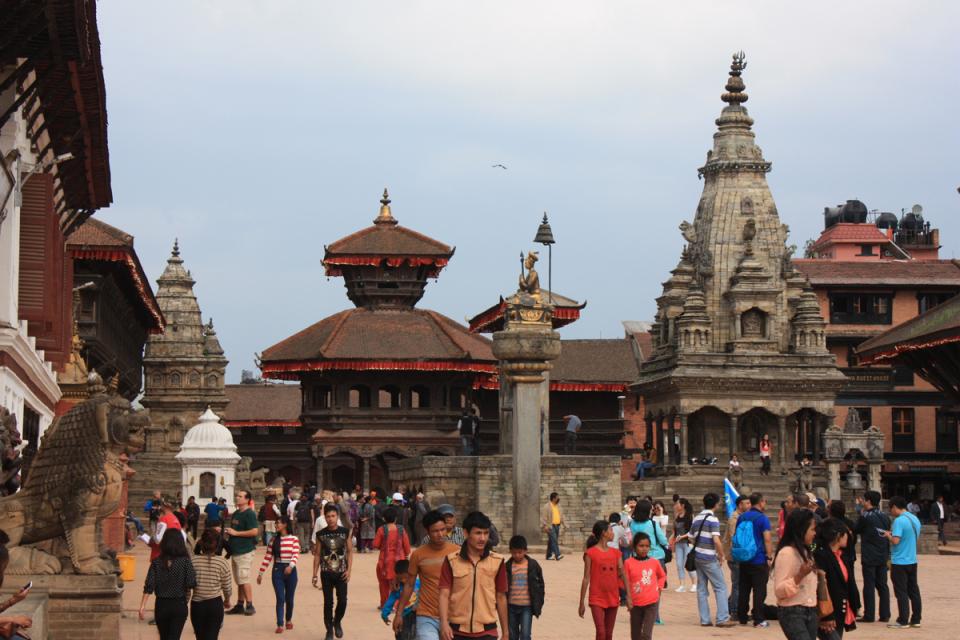
Bhaktapur is perhaps the place where visitors most strongly feel that they have stepped into historic Nepal.
The ancient city is known for its brick-paved streets, traditional houses, temples, courtyards, and impressive architecture.
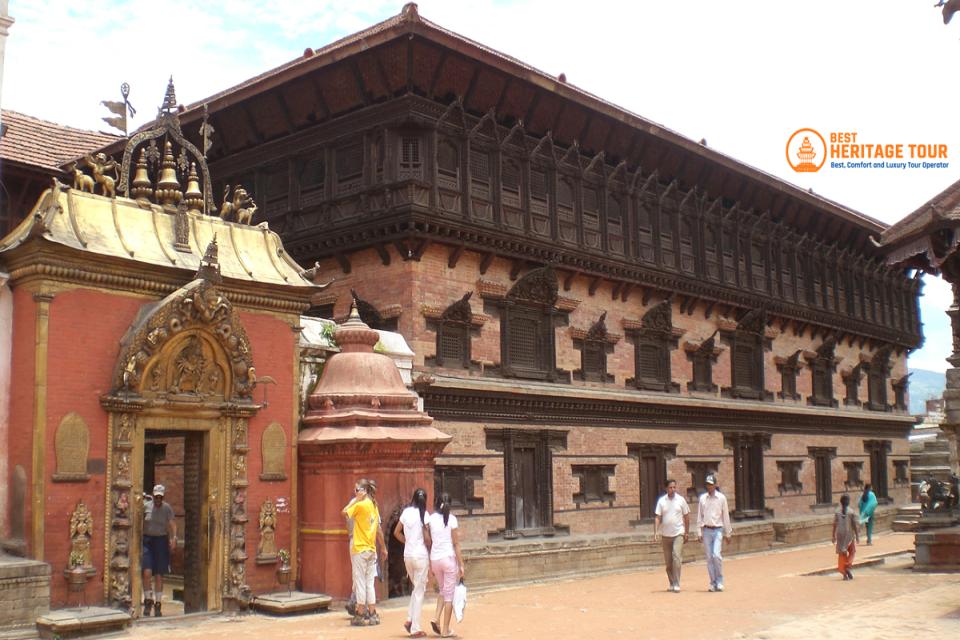
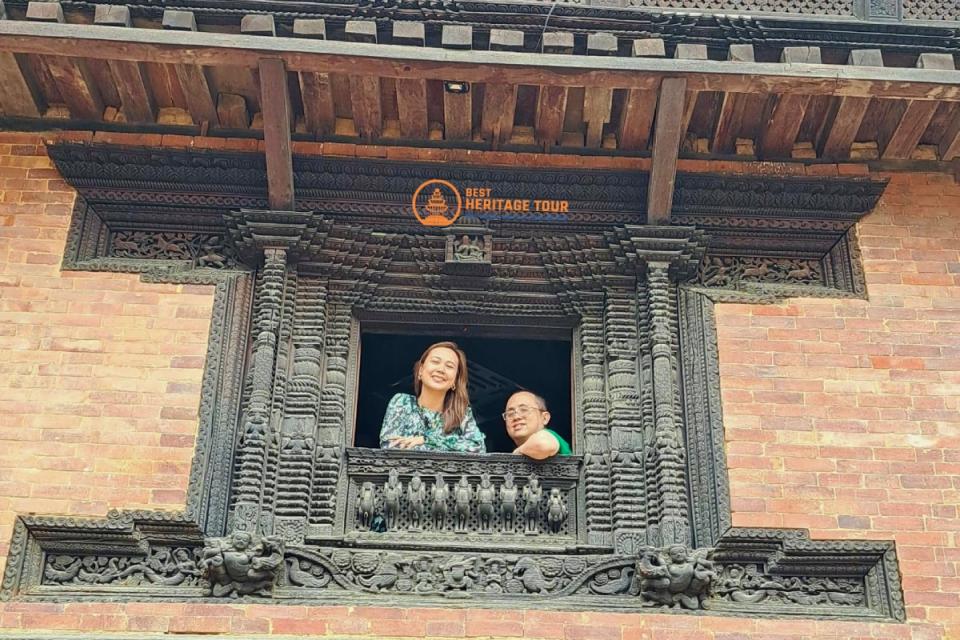
Bhaktapur Durbar Square contains several important landmarks, including the Nyatapola Temple, the 55-Window Palace, and the Golden Gate.
The city is also famous for its pottery tradition. A walk through the local streets can reveal craftsmen working with clay and producing traditional pottery.
And if you enjoy trying local food, Bhaktapur is a great place to taste Juju Dhau, the city's famous traditional yogurt.
Why visit Bhaktapur?
Bhaktapur offers an unusually immersive experience of traditional Newari culture, architecture, food, and daily life.
7. Changu Narayan Temple
Changu Narayan is located on a hilltop near Bhaktapur and is dedicated to Lord Vishnu.
Compared with the busy heritage squares in Kathmandu and Bhaktapur, Changu Narayan generally feels quieter. The temple complex contains traditional architecture, religious sculptures, and historic inscriptions.
Its hilltop location also makes it an appealing addition to a Kathmandu Valley sightseeing itinerary.
For travelers who want to combine cultural sightseeing with a quieter environment, Changu Narayan is well worth including.
Why visit Changu Narayan?
It provides a more peaceful heritage experience and adds another important chapter to the history of Kathmandu Valley.
How to Visit the 7 UNESCO Sites in Kathmandu Valley
Trying to see everything in a few hours can make the experience feel rushed. If you have enough time, we recommend allowing two days for the complete UNESCO tour.
Day 1: Kathmandu Heritage Sites
Start with:
- Pashupatinath Temple
- Boudhanath Stupa
- Swayambhunath
- Kathmandu Durbar Square
These four sites can be arranged into a practical day tour with a private vehicle and local guide.
Day 2: Patan and Bhaktapur
Spend the second day exploring:
- Patan Durbar Square
- Bhaktapur Durbar Square
- Changu Narayan Temple
This gives you more time to walk through the historic streets, visit local craft areas, and enjoy the atmosphere instead of simply moving from one monument to another.
Can You Visit All 7 UNESCO Sites in One Day?
Yes, it can be done, but we would not recommend it if you want to enjoy the experience.
A one-day tour can become a race between monuments, especially when traffic in Kathmandu Valley is busy.
If your schedule is tight, visiting the four major Kathmandu sites in one day is a practical choice. If you want to see all seven, two days is a much better option.
Best Time for a Kathmandu UNESCO Tour
Kathmandu Valley can be explored throughout the year, but the experience varies by season.
Spring - March to May
Spring generally brings comfortable sightseeing conditions. The weather becomes warmer, and the valley's surrounding landscape becomes greener.
Autumn - September to November
Autumn is one of the most popular travel seasons in Nepal. The weather is generally favorable for sightseeing, and the skies can be clearer.
This period can also coincide with major Nepalese festivals, giving visitors an opportunity to experience the country's cultural traditions.
Winter - December to February
Days can be pleasant, although mornings and evenings may be chilly. The cooler weather can actually make walking around the heritage sites comfortable during the daytime.
Monsoon - June to August
Rain is common during the monsoon. You can still visit the UNESCO sites, but it is wise to allow extra time for transportation.
How Long Should You Spend in Kathmandu?
If your main goal is sightseeing, two full days is enough to cover the seven UNESCO sites at a reasonable pace.
However, if you are visiting Nepal for the first time, staying three days or more allows you to experience more than the major monuments.
You can combine your UNESCO tour with:
- Thamel
- Local markets
- Newari food experiences
- Traditional handicraft workshops
- Monasteries
- Cultural performances
- Nearby villages
- Mountain viewpoints
For trekkers, two days in Kathmandu can also be an excellent way to adjust to the environment before beginning a Himalayan trek.
Why Take a Guided UNESCO Tour?
You can certainly explore Kathmandu Valley independently. However, a local guide can help you understand what you are actually seeing.
A temple may look beautiful from the outside, but its history, symbols, and religious purpose can make the visit much more meaningful.
A knowledgeable guide can explain:
- The history of the Kathmandu Valley
- Hindu and Buddhist traditions
- Newari architecture
- Local festivals
- Religious customs
- Stories connected with temples and monuments
- Traditional art and craftsmanship
This is one reason a private Kathmandu UNESCO heritage tour can be more rewarding than simply following a map from one attraction to another.
Cultural Etiquette You Should Know
Kathmandu's UNESCO sites are not museums frozen in the past. Many remain active places of worship.
A few simple habits will help you travel respectfully:
- Dress appropriately when visiting religious sites.
- Remove your shoes when requested.
- Ask before photographing people.
- Do not touch religious statues or objects without permission.
- Follow local instructions.
- Avoid loud behavior inside religious areas.
- Be particularly respectful during religious ceremonies.
- Follow clockwise walking traditions around Buddhist stupas where appropriate.
Respecting local culture is an important part of responsible tourism in Nepal.
What Makes a Kathmandu UNESCO Tour Different?
One of the best things about visiting Kathmandu Valley is the variety you experience within a relatively short journey.
In one day, you can see a Hindu pilgrimage site, walk around a Buddhist stupa, explore an ancient royal square, and finish your afternoon among traditional Newari buildings.
The experience is not only about ancient monuments. It is about seeing how history continues to live alongside modern Kathmandu.
That is what makes the valley special.
Kathmandu UNESCO Tour Before or After a Trek
Many travelers visit Kathmandu only because they are preparing for a trek. But adding a heritage tour before or after your mountain adventure can give your Nepal trip a much broader perspective.
Before a trek, you can spend two days exploring Kathmandu Valley and learning about the country you are about to travel through.
After a trek, a UNESCO tour provides a more relaxed way to spend your final days in Nepal.
A cultural tour can also be combined with trekking or other popular Nepal experiences, including:
- Everest Base Camp Trek
- Annapurna Trekking
- Manaslu Trek
- Langtang Valley Trek
- Pokhara Tour
- Chitwan Safari
- Nepal Cultural Tour
Frequently Asked Questions
How many UNESCO World Heritage Sites are in Kathmandu Valley?
Kathmandu Valley has seven UNESCO - listed monument zones within its World Heritage property.
What are the 7 UNESCO sites in Kathmandu?
The seven sites are Kathmandu Durbar Square, Swayambhunath, Boudhanath, Pashupatinath, Patan Durbar Square, Bhaktapur Durbar Square, and Changu Narayan.
Is the Kathmandu UNESCO tour worth it?
Absolutely. It is one of the best ways to experience Nepal's history, religion, architecture, art, and living culture, particularly if you are visiting Nepal for the first time.
How many days do I need for the 7 UNESCO sites?
We recommend two days for a comfortable visit to all seven sites. Travelers with limited time can arrange a shorter itinerary.
Which UNESCO site should I visit first?
There is no single correct order. The itinerary can be arranged according to your hotel location, traffic, opening times, and other activities planned for the day.
Can I combine the UNESCO tour with trekking?
Yes. Many trekkers visit the UNESCO sites before or after their Himalayan trek.
Final Thoughts
The Kathmandu Valley UNESCO World Heritage Sites tell the story of Nepal in a way that no single monument can.
From the royal courtyards of Kathmandu, Patan, and Bhaktapur to the spiritual atmosphere of Pashupatinath, Boudhanath, and Swayambhunath, every site offers something different.
If you are coming to Nepal for trekking, don't think of Kathmandu as merely the place where your mountain journey begins. Give yourself time to explore its heritage, meet its people, taste its food, and understand its culture.
A 7 UNESCO Sites Kathmandu tour can be one of the most memorable parts of your Nepal journey- and a perfect introduction to the country before you head into the Himalayas.
Author: Best Heritage Tour
Date: 15th September, 2026