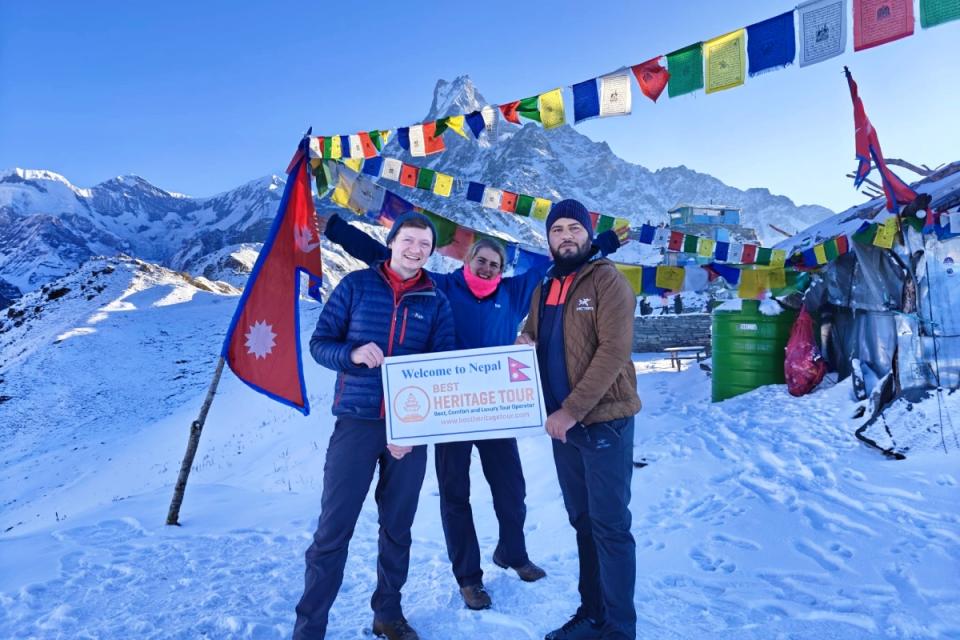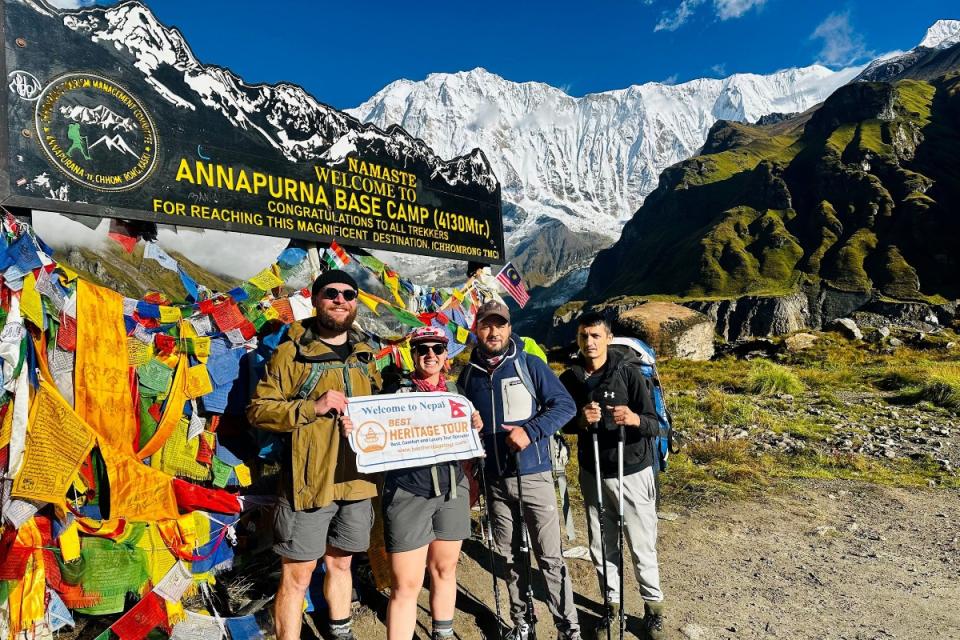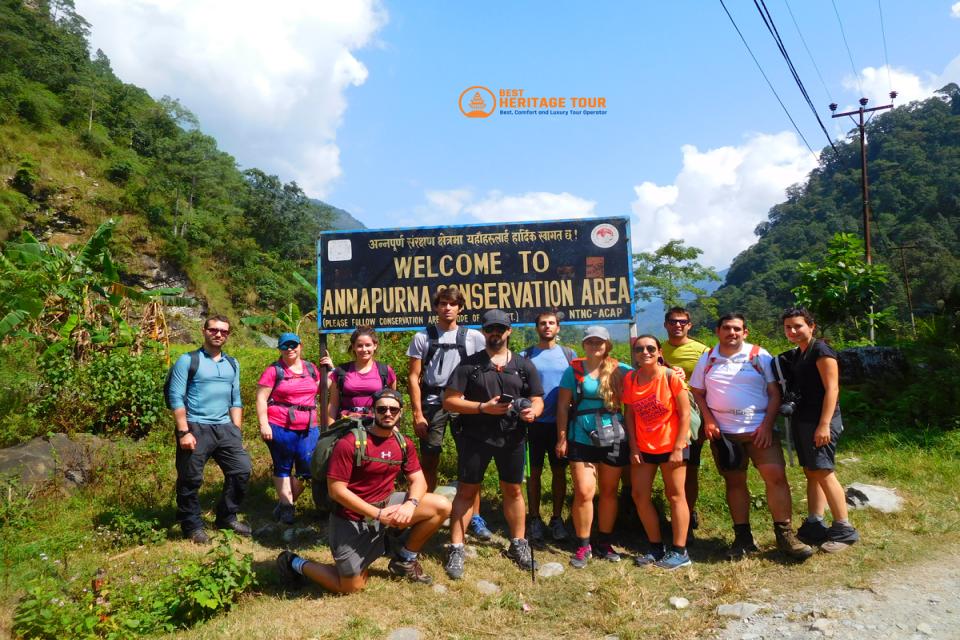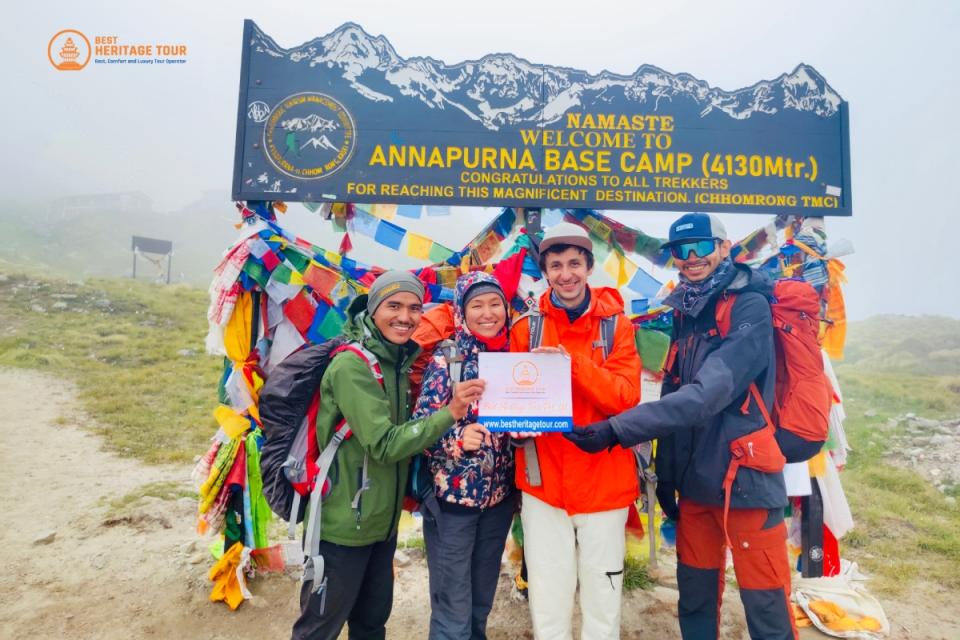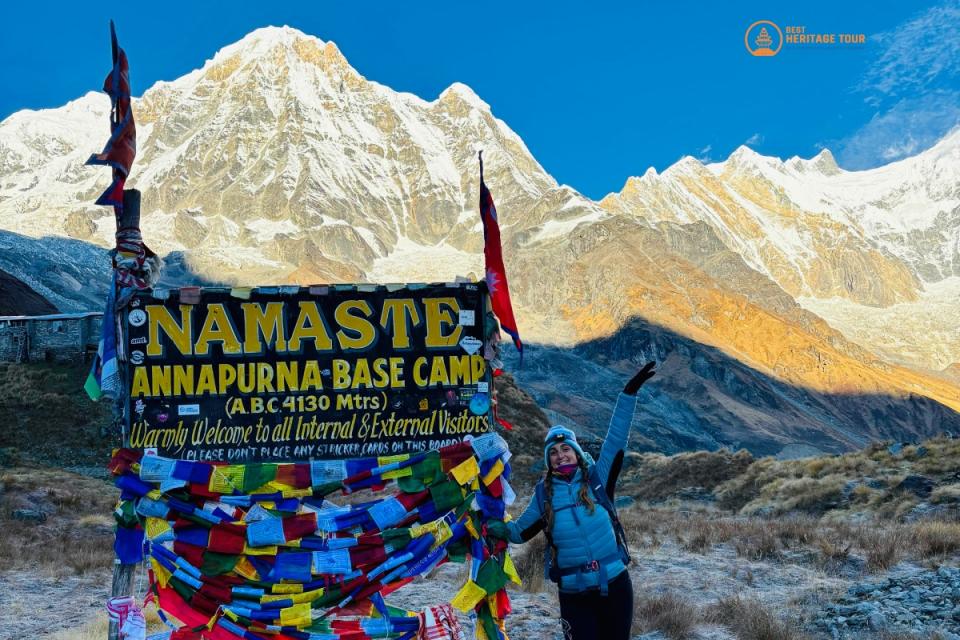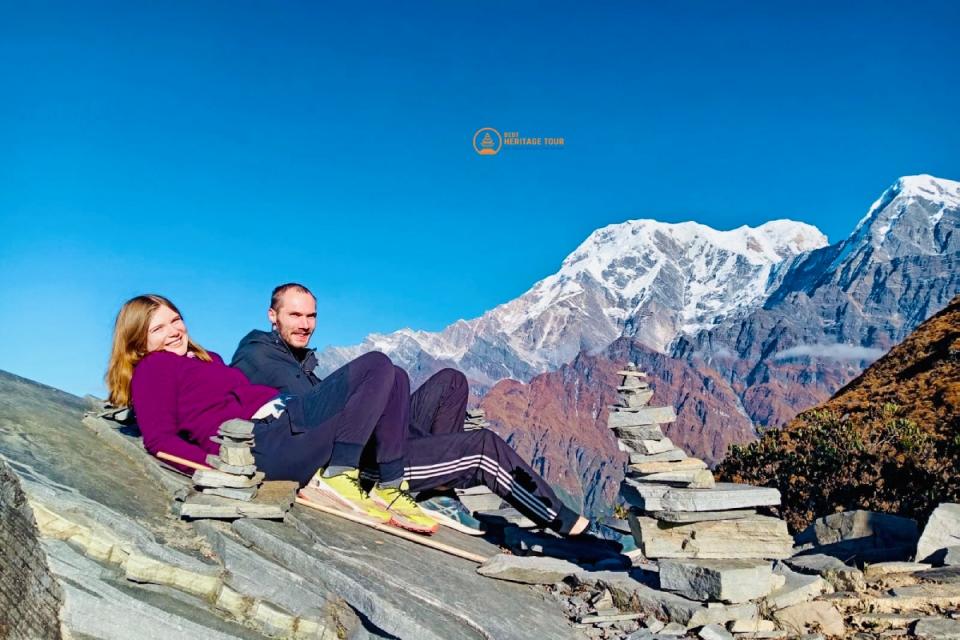
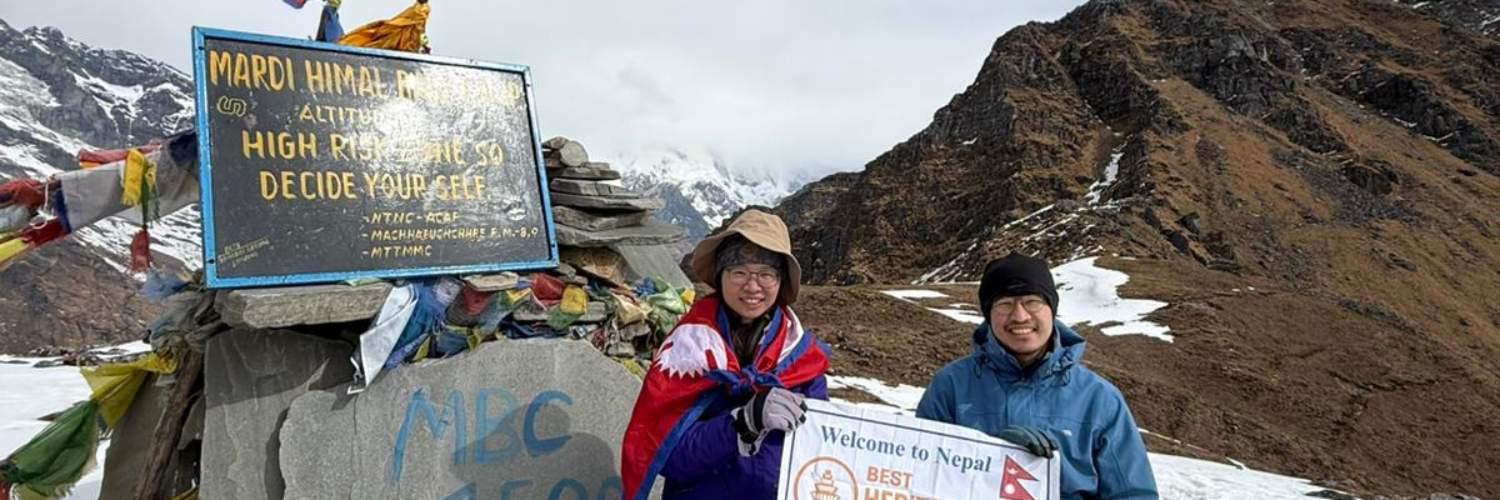
Trekking through the Annapurna region is a transformative journey filled with stone-paved stairs, cascading waterfalls, and crisp mountain air. Yet, days of navigating steep ascents and rugged descents eventually take a toll on the body. As you make your descent from the high altitudes of Annapurna Base Camp or Mardi Himal, your knees feel the strain, and your muscles carry the weight of the thin air.
Nestled at an altitude of 1,780 meters (5,840 feet) on the banks of the roaring Modi Khola River, Jhinu Danda emerges as a sanctuary for weary travelers. Famous for its therapeutic, mineral-rich natural hot springs, this quiet Gurung village is more than just a mandatory stopover; it is a natural wellness retreat that bridges the gap between rugged Himalayan adventure and deep physical restoration.
At Best Heritage Tour, we understand that true exploration requires a balance of effort and recovery. In this comprehensive guide, we unpack everything you need to know about visiting the Jhinu Danda hot springs, from the science behind their healing waters to the practical details required for your next trek in 2026.
Why Jhinu Danda is a Trekker’s Sanctuary
For decades, Jhinu Danda has served as a pivotal rest station on the classic Annapurna Sanctuary circuit. Structurally, the village signals a sharp shift in climate, terrain, and oxygen levels. Descending here from the higher reaches of the sanctuary feels like walking from winter back into summer in a single day.
As the subalpine terrain fades into dense subtropical forests, the air thickens with oxygen, relieving high-altitude headaches and exhaustion almost instantly. The true highlight, however, sits roughly 15 to 20 minutes downhill from the main village grid: a collection of natural stone pools carved into the riverbank where geothermal water bubbles up directly from the earth's crust.
The Science and Healing Power of the Hot Springs
The hot springs at Jhinu Danda are entirely natural, heated deep within the earth before percolating up through rock fissures to the edge of the Modi Khola. Unlike commercial spas, this is a rustic, community-managed thermal environment where the elements meet seamlessly.
-
Water Temperature: The pools consistently maintain a comfortable temperature of 35°C to 40°C (95°F to 104°F). This optimal thermal range increases peripheral blood circulation and systematically reduces muscle tension without scalding the skin.
-
Mineral Composition: The geothermal water is heavily infused with sulphur, iron, and various trace minerals. You will notice a faint, authentic earthy aroma near the water. For centuries, local communities and traditional healers have recognized these minerals for their therapeutic properties, noting their efficiency in treating joint pain, soothing skin irritations, and expediting muscle fiber recovery.
-
Hydrotherapy Benefits: Spending 20 to 30 minutes submerged in these pools allows lactic acid buildup in your calves and thighs to dissolve. The sensory contrast between the warm, stationary thermal water and the cold, roaring glacial river just feet away creates a profoundly soothing atmosphere.
How to Get to Jhinu Danda: Routes and Access Points
Whether you are completing a multi-day high-altitude trek or looking for a shorter weekend escape from Pokhara, Jhinu Danda is highly accessible via multiple well-traveled trails.
1. The Descent from Annapurna Base Camp (ABC)
If you are coming down from ABC or Chhomrong, the trail consists of a well-maintained but steep stone staircase. It takes roughly 1.5 to 2 hours of downward hiking from Chhomrong to reach Jhinu Danda. While it can be demanding on your knees, the anticipation of the hot springs makes every step manageable.
2. The Landruk Approach
For those seeking a gentler gradient, approaching from Landruk offers a scenic alternative. This route weaves through lush terraced fields and forested paths, taking about 1.5 hours. It crosses the iconic New Bridge, one of the longest and highest suspension bridges in the region, offering panoramic views of the river gorge below.
3. Direct Access from Pokhara (The Short Route)
If you have limited time but still want to experience the healing magic of the Annapurna foothills, you can access Jhinu Danda rapidly by road:
-
Drive: Take a private jeep or local transport from Pokhara to Nayapul, and continue onward to Siwai or Ghandruk Phedi (approx. 2.5 to 4 hours depending on seasonal road conditions).
-
Hike: From the end of the motorable road at Siwai, a moderate 2.5 to 3-hour hike along the Modi Khola brings you straight to the foot of Jhinu Danda.
Practical Information for Visitors
To make the most of your soak at the hot springs, keep these logistical details in mind:
|
Parameter |
Details & Logistics |
|---|---|
|
Operational Hours |
Typically open daily from 7:00 AM to 6:00 PM |
|
Entry Fee |
A small local community fee of NPR 150 to 300 per person |
|
Infrastructure |
Simple stone-lined pools, basic changing stalls, and a rustic toilet |
|
What to Pack |
Swimwear, a quick-dry towel, flip-flops, and clean undergarments |
|
Local Amenities |
A small, local tea shop nearby sells hot tea, cold water, and light snacks |
Pro-Tips from Our Local Guides
-
Timing is Key: The pools are least crowded in the early morning (around 7:30 AM) or mid-afternoon before the main wave of descending trekkers arrives around 4:00 PM.
-
The Return Hike: Remember that while going down to the springs from your village teahouse takes 15 minutes, walking back up after your muscles have fully relaxed takes about 25 to 30 minutes of steady uphill climbing. Do not rush this return walk; move slowly to retain the therapeutic benefits of the soak.
-
Hydration: Geothermal baths dehydrate the body quickly, especially at altitude. Drink at least one liter of filtered water before and after your soak.
Accommodation and Village Culture
Jhinu Danda is a charming example of Himalayan hospitality. The village features an array of stone-built teahouses and modernizing mountain lodges that offer cozy rooms, hot communal showers, and charging stations.
Dining here highlights local agricultural traditions. Beyond standard international traveler fare like pasta and pancakes, we highly recommend ordering a fresh plate of Dal Bhat (rice, lentil soup, and seasonal vegetable curries). The vegetables served in Jhinu are often plucked directly from the organic terraced gardens surrounding your lodge.
Staying here also gives you a front-row seat to Gurung culture. The local communities manage the hot springs through a dedicated committee, using the entry fees directly to maintain the trails, clean the pools, and fund local school initiatives. By visiting, you are contributing directly to sustainable eco-tourism in the region.
Conclusion
The natural hot springs of Jhinu Danda are a powerful reminder that travel is as much about recovery and reflection as it is about reaching the summit. Soaking away days of trekking exhaustion while listening to the roar of the glacier-fed Modi Khola is an essential Himalayan experience.
At Best Heritage Tour, we meticulously design our Annapurna itineraries to include dedicated rest time at Jhinu Danda. Our expert, licensed local guides ensure your permits are flawlessly handled, your safety is prioritized, and your journey through our mountain heritage is deeply enriching.
Ready to experience the healing waters of the Annapurna?
Phone / WhatsApp / Viber: +977-9851149197 / +977-9810043046
Email: info@bestheritagetour.com / bestheritagetour@gmail.com
Website: www.bestheritagetour.com
Office: Thamel Marg, Kathmandu, Nepal
Frequently Asked Questions
Is it safe to swim in the Jhinu Danda hot springs?
Yes, it is entirely safe. The pools are stone-lined and continually refreshed by flowing natural thermal water. However, always test the water temperature before stepping in, and limit your continuous soaking time to 30 minutes to avoid dizziness.
Can I visit Jhinu Danda without doing a long trek?
Absolutely. You can take a private jeep from Pokhara to Siwai, followed by an easy-to-moderate 3-hour hike. This makes Jhinu Danda an ideal 2-to-3-day wellness escape from the city.
Are there private bathrooms or luxury amenities at the Jhinu Danda Hot springs?
No. The hot springs emphasize a rustic, natural environment. Changing facilities consist of basic, private wooden stalls, and toilets are simple. It is a genuine wilderness experience rather than a commercial luxury spa.
Do I need to bring my own towel and swimwear?
Yes. The local tea shops and community committees do not rent out towels or clothing. Ensure you pack a lightweight, quick-dry towel and appropriate swimwear in your daypack.
Author: Best Heritage Tour
Date: 10th July, 2026