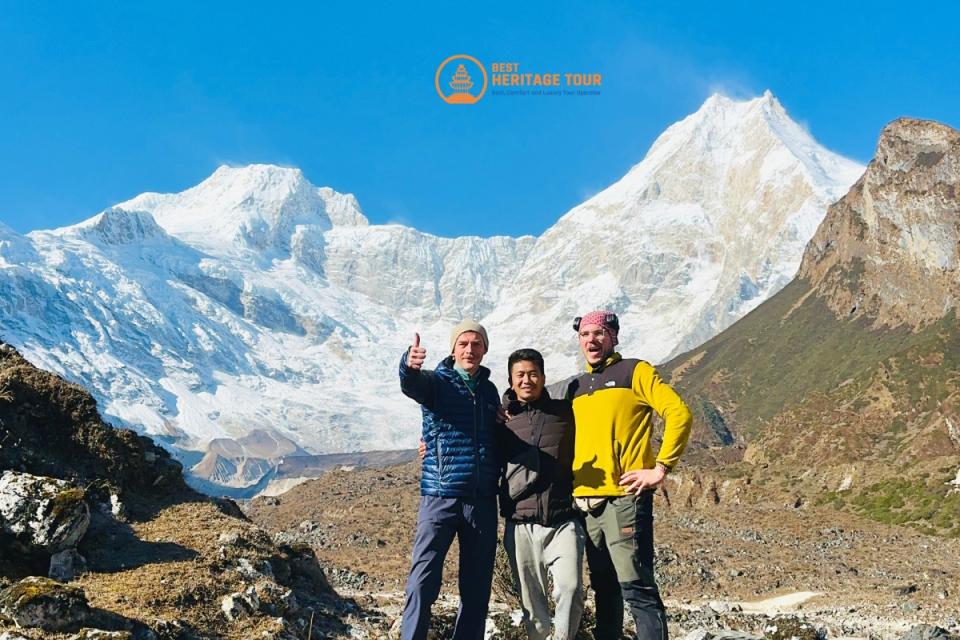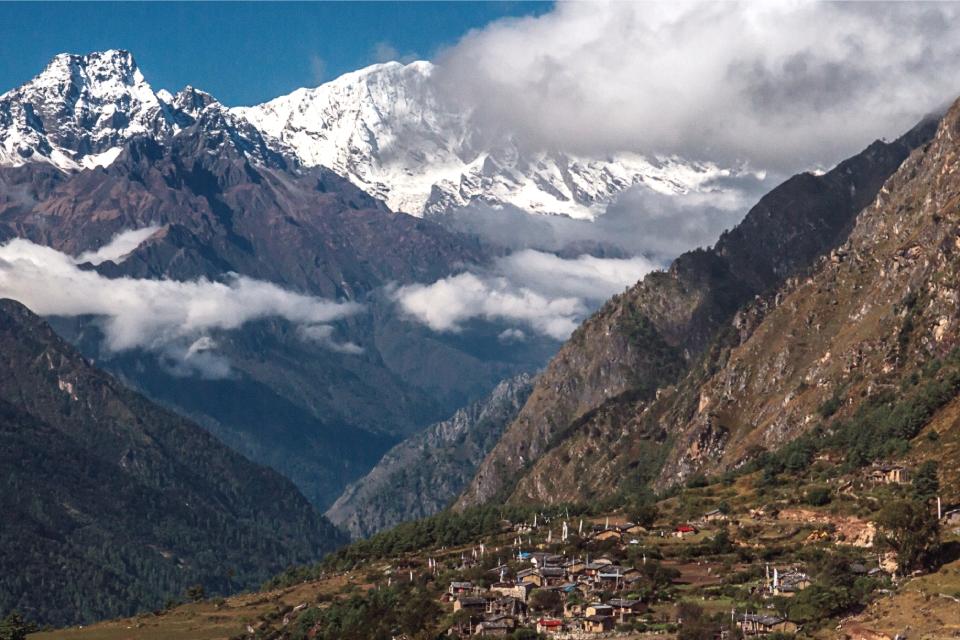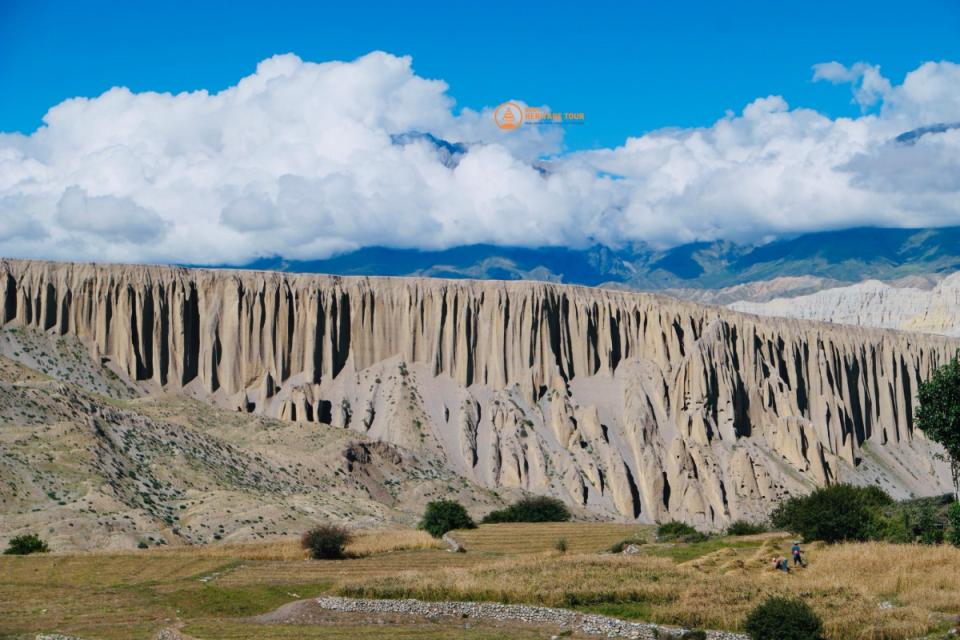
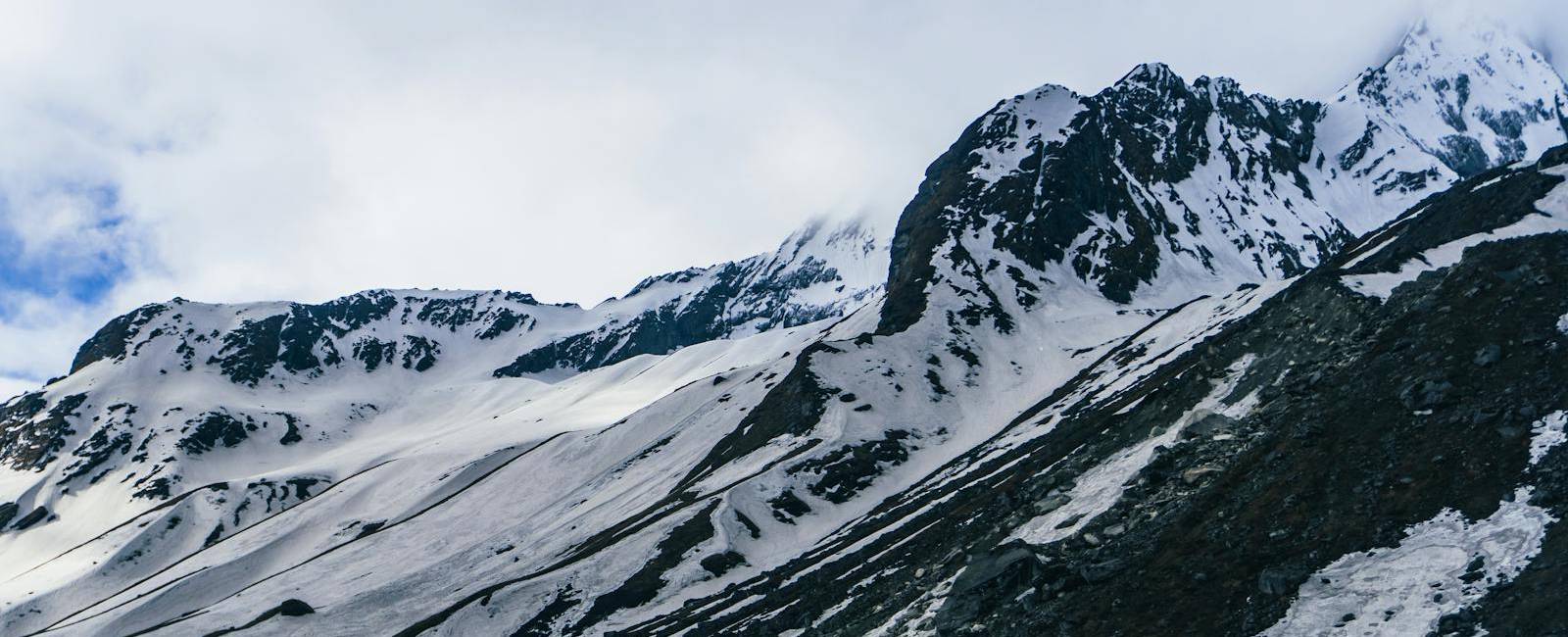
Tucked away in the shadow of the imposing Ganesh Himal and Sringi Himal ranges lies one of the Nepalese Himalayas’ best-kept secrets: The Tsum Valley. Known locally as Beyul Kyimolung (the Sacred Valley of Peace and Happiness), this secluded haven was closed to foreign travelers until 2008. Even today, it remains a tranquil sanctuary far removed from the heavily trafficked routes of Everest Base Camp and the Annapurna Circuit.
If you are planning an expedition to Nepal, you are likely asking the core question: Is Tsum Valley Trek worth it?
At Best Heritage Tour, our team has been guiding adventurers through every corner of Nepal’s restricted regions. To give you the short answer: Yes, the Tsum Valley Trek is unconditionally worth it. It offers a rare, untamed blend of ancient Tibetan Buddhist culture, pristine alpine scenery, and undisturbed sanctuary that few destinations on Earth can match.
In this definitive guide, we delve into everything you need to know - from seasonal conditions and cultural highlights to combining Tsum Valley with the Manaslu Circuit and planning ahead for 2026 and 2027.
What Makes Tsum Valley Worth It & Truly Unique?
To understand the value of this trek, one must understand the distinct nature of the valley itself. Tsum Valley is not merely a mountain trail; it is an open-air cultural museum and a living spiritual sanctuary.
1. Living Tibetan Buddhist Heritage
Unlike commercialized trails, Tsum Valley retains an authentic, ancient lifestyle deeply tied to Tibetan Buddhism. The inhabitants known as Tsumpas - speak a unique local dialect, practice non-violence, and adhere to a century-old tradition called Shyagya, which strictly prohibits the harming or slaughtering of animals within the valley.
Along the trail, you walk past centuries-old stone mani walls (some extending over 250 meters), chortens, and prayer flags fluttering against snowy peaks.
2. Ancient Monasteries and Sacred Caves
Tsum Valley is home to some of the most revered spiritual sites in the Himalayas:
-
Mu Gompa (3,700 m): The highest and largest monastery in the upper valley, offering raw panoramic views toward the Tibetan border.
-
Rachen Gompa: A serene nunnery nestled beneath rugged cliffs, providing direct insight into monastic life.
-
Milarepa’s Cave (Piren Phu): The legendary rock cave where the famous 11th-century Tibetan saint and poet Milarepa is believed to have meditated.
3. Dramatic Landscapes and Pristine Peaks
The geography shifts dramatically as you branch off the main river gorges into wide, terraced valleys surrounded by the Ganesh Himal (7,422 m), Sringi Himal, Boudha Himal, and Himal Chuli. Because foot traffic remains low, the forests, rivers, and high pastures remain untouched.
Is Tsum Valley Worthy to Extend During the Manaslu Circuit?
One of the most frequent questions our travel specialists receive is whether adding Tsum Valley as a side trip to the standard Manaslu Circuit Trek is worth the extra time and budget.
The Side-by-Side Comparison
|
Feature |
Standard Manaslu Circuit |
Manaslu Circuit + Tsum Valley Extension |
|---|---|---|
|
Average Duration |
12 to 14 Days |
16 to 20 Days |
|
Max Elevation |
5,106 m (Larkya La Pass) |
5,106 m (Larkya La) & 3,700 m (Mu Gompa) |
|
Focus |
High pass adventure, mountain views, mixed culture |
High pass adventure PLUS deep Tibetan cultural immersion |
|
Crowd Level |
Moderate |
Remote & Uncrowded (in the Tsum section) |
|
Permits Required |
MCAP, ACAP, RAP (Manaslu) |
MCAP, ACAP, RAP (Manaslu) + RAP (Tsum Valley) |
Why Extending ManasluCircuit to Tsum Valley Highly Recommended?
When trekking the classic Manaslu Circuit, you pass directly by Lokpa - the official gateway village to Tsum Valley. Bypassing it means missing out on the richest cultural portion of the entire Gorkha/Manaslu sanctuary.
Adding 5 to 7 days to explore Upper Tsum Valley (including Chumling, Chhokang Paro, Nile, and Mu Gompa) transforms your trip from a standard mountain hike into an unforgettable spiritual and wilderness expedition. Furthermore, spending extra days around 3,000-3,700 meters in Tsum Valley provides optimal natural acclimatization before tackling the high-altitude Larkya La Pass (5,106 m) later on the circuit.
Is Tsum Valley Open After the Monsoon in October 2026?
Yes, Tsum Valley is fully open after the monsoon in October 2026.
In fact, October is widely considered the peak, ideal month for trekking in the region.
Post-Monsoon Conditions in October 2026
-
Weather & Visibility: By early October, the summer monsoon rains clear out completely, giving way to crystal-clear skies, fresh crisp mountain air, and outstanding panoramic views of the Ganesh and Manaslu ranges.
-
Trail Conditions: The lower trails between Machha Khola and Lokpa dry out following the monsoon, making river crossings safe and paths stable.
-
Local Festivals: Autumn is a vibrant time in mountain villages. You may have the opportunity to observe local harvest activities and monastic ceremonies.
Note for Travelers: Because Tsum Valley is a designated Restricted Area in Nepal, trekking permits are always issued under government control, regardless of the season. As long as you book through a registered agency like Best Heritage Tour, all post-monsoon permits for October 2026 can be seamless organized.
Is Tsum Valley Trek Worth It in 2027?
Looking forward to 2027, the value of the Tsum Valley Trek is set to climb even higher for conscious travelers.
As popular Himalayan routes face expanding road construction and increasing tourist density, Tsum Valley remains protected under strict government restricted-area protocols. This regulatory barrier preserves the wilderness and ensures that commercial mass tourism cannot overtake its sacred trails.
Key Reasons to Trek Tsum Valley in 2027
-
Preserved Off-the-Beaten-Path Experience: While other regions continue to modernize rapidly, Tsum Valley maintains its traditional stone-and-timber tea houses, pristine footpaths, and quiet atmosphere.
-
Improved Infrastructure Without Mass Tourism: Tea house accommodation and dining options in key settlements like Chhokang Paro and Nile have steadily improved in comfort while keeping their family-run charm.
-
Sustainable & Eco-Conscious Travel: The region’s non-violent Shyagya heritage and community-led conservation make it an exemplary model for eco-friendly tourism in Nepal.
Daily Outline Itinerary (Only Tsum Valley Trek Itinerary for 2027)
Below is a standard day-by-day outline for a standalone Tsum Valley expedition:
Day 1: Drive from Kathmandu (1,400 m) to Machha Khola (760 m)
Day 2: Trek from Machha Khola (760 m) to Jagat (1,300 m)
Day 3: Trek from Jagat (1,300 m) to Lokpa (1,800 m)
Day 4: Trek from Lokpa (1,800 m) to Chumling (2,300 m)
Day 5: Trek from Chumling (2,300 m) to Chekampar (3,060 m)
Day 6: Trek from Chekampar (3,060 m) to Mu Gumpa (3,700 m) and Return to Lama Gau (3,300 m)
Day 7: Trek from Lama Gau (3,300 m) to Chumling (2,300 m)
Day 8: Trek from Chumling (2,300 m) to Sirdibas (1,500 m)
Day 9: Trek from Sirdibas (1,500 m) to Machha Khola (760 m) via Jagat (1,300 m) & Tatopani (1,100 m)
Day 10: Drive from Machha Khola (760 m) to Kathmandu (1,400 m)
Who Is the Tsum Valley Trek Ideal For?
While Tsum Valley is immensely rewarding, it is essential to align the trek with your expectations and physical capability.
Ideal For:
-
Culture & History Enthusiasts: Travelers seeking authentic Tibetan Buddhist heritage, ancient monasteries, and living traditions.
-
Peace & Solitude Seekers: Hikers who want to avoid crowded trails and enjoy peaceful nature.
-
Moderate Altitude Hikers: Trekkers who want a genuine remote Himalayan experience without crossing extreme altitude passes above 5,000 meters (maximum altitude is 3,700 m at Mu Gompa).
-
Manaslu Circuit Trekkers: Hikers on the Manaslu Circuit looking to add a deep cultural extension to their journey.
Less Ideal For:
-
Travelers looking for luxury resorts or high-end hotel amenities along the trail.
-
Hikers who prefer high-tempo, heavily social trails with bustling nightlife and westernized cafes.
Conclusion
So, is Tsum Valley Trek worth it? Without a doubt, yes.
Tsum Valley stands as one of the few remaining untouched cultural havens in the Himalayas. Whether you visit as a standalone journey or extend it during your Manaslu Circuit adventure, its sacred monasteries, warm local hospitality, breathtaking Ganesh Himal vistas, and tranquil trails will leave you with memories to last a lifetime.
Whether you are planning your departure for October 2026 post-monsoon or preparing ahead for 2027, proper preparation, permit handling, and experienced local leadership are essential for a smooth, rewarding voyage.
Plan Your Tsum Valley Expedition with Best Heritage Tour
Phone / WhatsApp / Viber: +977-9851149197 / +977-9810043046
Email: info@bestheritagetour.com / bestheritagetour@gmail.com
Website: www.bestheritagetour.com
Office: Thamel Marg, Kathmandu, Nepal
Author: Best Heritage Tour
Date: 9th October, 2026