For decades, the standard for a classic Himalayan adventure has been measured by dramatic high-altitude landscapes, distinct cultural encounters, and those unforgettable moments when the rising sun illuminates massive walls of ice. Yet, as global tourism evolves and modern travel demands seamless logistics and sustainable practices, many prospective trekkers find themselves asking a critical question: Is the Poon Hill Trek in 2027 worthy?
At Best Heritage Tour, we have guided thousands of international travelers through the historic corridors, lush rhododendron valleys, and stone-paved trails of the Annapurna Conservation Area (ACA). We understand that your time is valuable, your travel goals are unique, and you want to ensure your journey to Nepal delivers an authentic, safe, and deeply rewarding experience.
The short answer is a resounding yes but with vital updates regarding safety regulations, infrastructure improvements, and route variations that will define the upcoming 2027 trekking season. This comprehensive, expert-vetted guide explores everything you need to know about embarking on the Poon Hill Trek in 2027, giving you the precise insights required to plan your ultimate Himalayan holiday.
What is the Ghorepani Poon Hill Trek?
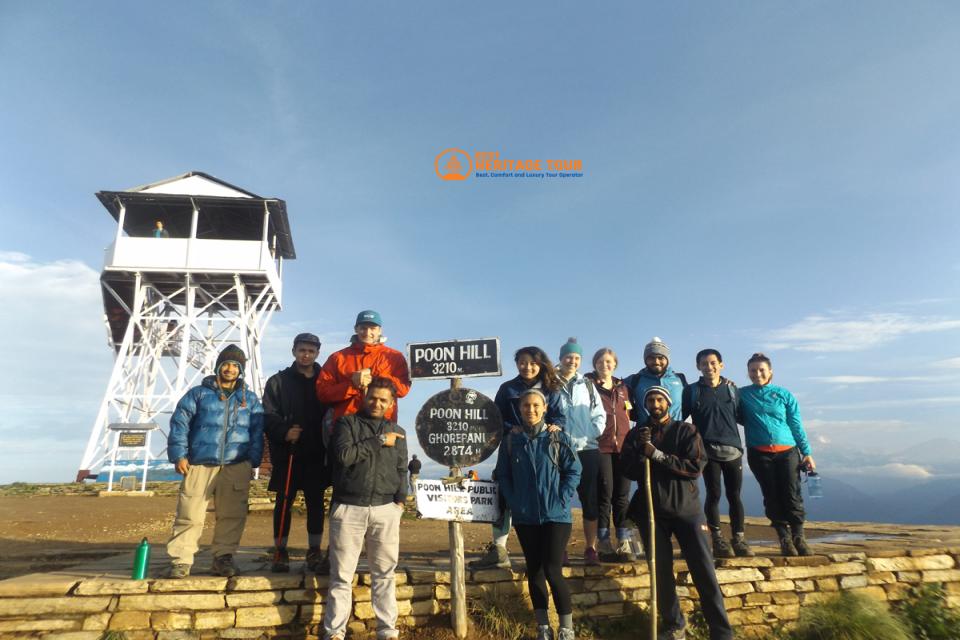
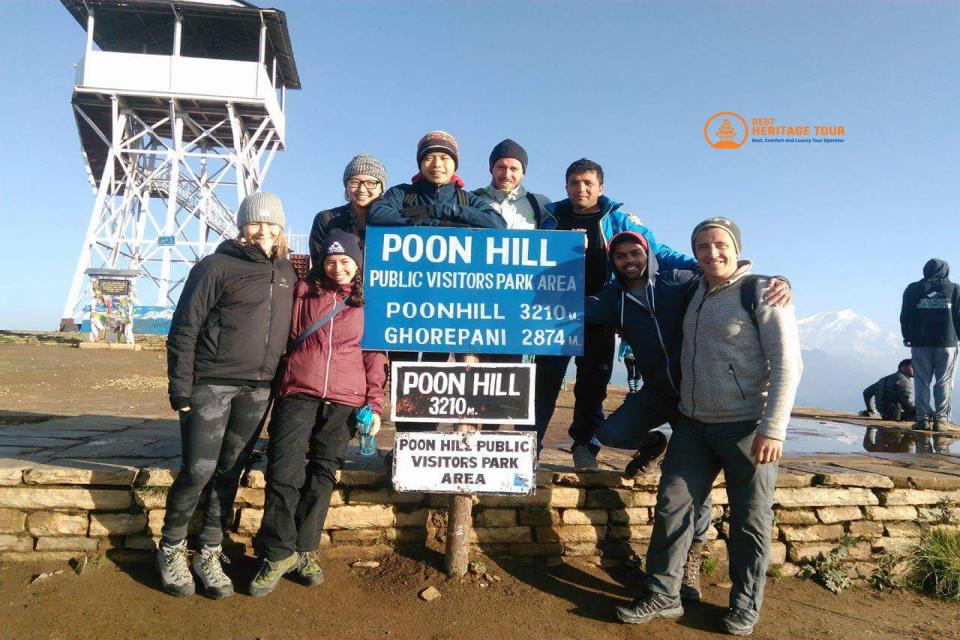
Before diving into the specific updates for the upcoming year, let us look at what makes this specific route an enduring classic. Geographically situated roughly 270 kilometers west of Kathmandu and just a short distance from the lakeside city of Pokhara, the Ghorepani Poon Hill Trek is a short, loop-style mountain journey that reaches its maximum elevation of 3,210 meters (10,531 feet) at the famed Poon Hill viewpoint.
Commonly referred to as the Annapurna Panorama Trek, this route is celebrated worldwide for its accessible difficulty level, making it the premier choice for families, beginner hikers, and travelers with limited time who still want to witness the grandeur of 8,000-meter peaks. Over the course of a standard 4 to 5-day itinerary, the trail winds through terraced farmlands, vibrant indigenous villages, and ancient moss-covered forests, providing a complete cross-section of Nepal's unique mountain ecosystem and diverse heritage.
Is Poon Hill Trek in 2027 Worthy? The Definite Verdict
To evaluate whether the Poon Hill Trek in 2027 deserves a spot on your bucket list, we must examine the trail through the lens of modern, responsible travel. Several key transformations have taken place over the last few seasons, making the journey more secure, environmentally conscious, and culturally immersive than ever before.
1. Unmatched Panoramic Reward vs. Moderate Physical Effort
The primary draw of Poon Hill has always been its extraordinary visual reward-to-effort ratio. Unlike high-altitude expeditions that require weeks of grueling acclimatization and exposure to extreme conditions, the trek to Poon Hill stays entirely below the standard threshold for altitude sickness.
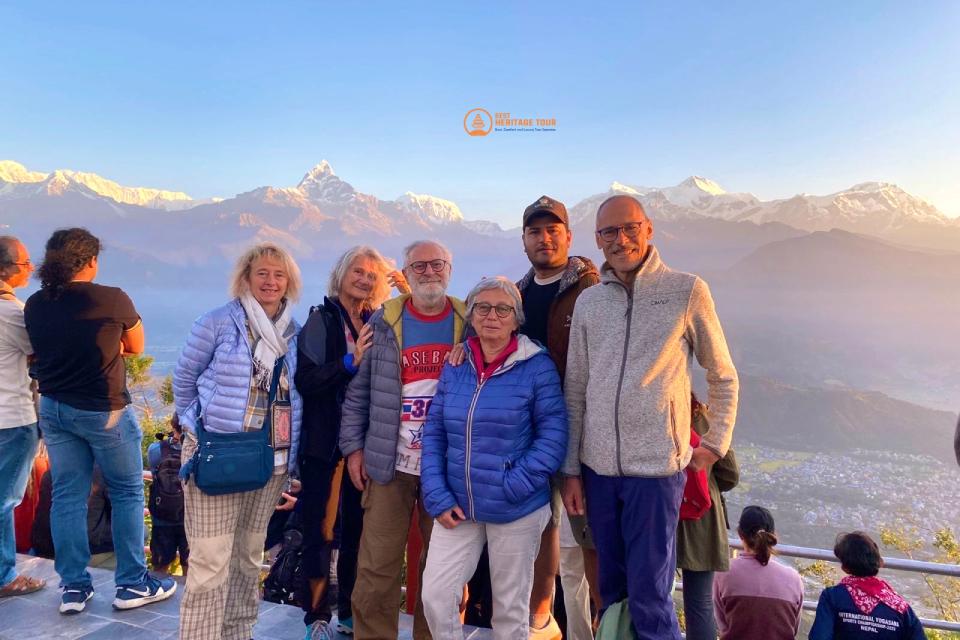
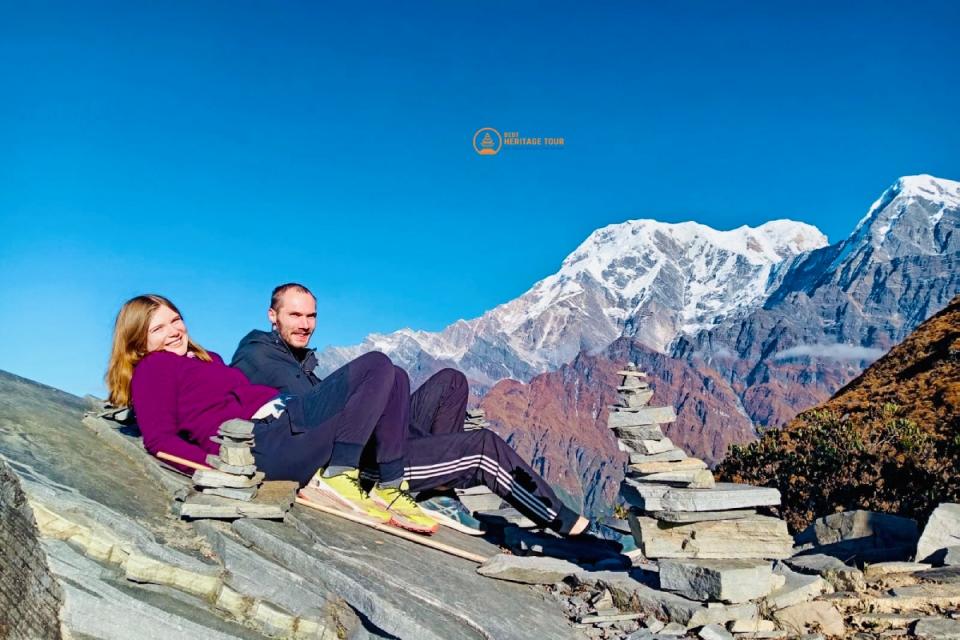
From the summit at dawn, you are treated to a sweeping, unobstructed vista of two of the world's fourteen highest mountains: Mt. Dhaulagiri (8,167 m) and Mt. Annapurna I (8,091 m), alongside a stunning supporting cast that includes Annapurna South, Nilgiri, Hiunchuli, and the sacred, fishtail-shaped Mt. Machhapuchhre (6,997 m). In 2027, this breathtaking view remains just as jaw-dropping as it was when the first pioneers set foot in the region.
2. Enhanced Safety and the Mandatory Guide Regulation
Safety standards for Himalayan trekking have shifted significantly. The Government of Nepal, alongside the Trekking Agencies' Association of Nepal (TAAN), enforces mandatory safety regulations requiring all international trekkers to be accompanied by a licensed local guide. Solo independent trekking is restricted on this route to eliminate the risk of getting lost, injured, or stranded.
At Best Heritage Tour, we fully endorse these safety measures. Your licensed guide serves as a cultural ambassador, a wildlife spotter, and an expert navigator who monitors local weather patterns in real-time. For the 2027 season, checkposts have streamlined their entry procedures using modern scanning and barcode systems managed directly by your agency and guide, minimizing administrative delays and letting you focus entirely on the scenery.
3. The Green Tourism Initiative and Sustainable Infrastructure
The Annapurna Conservation Area Project (ACAP) has made great strides in promoting eco-friendly hospitality practices. Teahouses along the Ghorepani circuit have largely adapted a greener scheme for tourism, implementing strict waste management policies, promoting solar-powered charging stations, and installing filtered water stations to drastically reduce single-use plastic bottles. Choosing the Poon Hill Trek in 2027 means participating in a highly structured, community-based tourism framework that actively preserves the environment and creates sustainable economic opportunities for local indigenous families.
Essential Trip Facts and Route Outline
To help you visualize the logistics of your journey, our operations team has summarized the fundamental specifications of the classic Ghorepani Poon Hill Circuit:
|
Feature |
Details and Specifications |
|---|---|
|
Total Trekking Distance |
Approximately 40 Kilometers (25 Miles) for the complete loop |
|
Maximum Elevation |
3,210 Meters (10,531 Feet) at Poon Hill Viewpoint |
|
Trek Difficulty Level |
Easy to Moderate (Beginner-friendly with good general fitness) |
|
Standard Duration |
4 to 5 Days of active hiking (Plus travel time from Kathmandu) |
|
Primary Accommodation |
Comfortable mountain teahouses and community lodges |
|
Required Permits |
ACAP Permit (NPR 3,000) & TIMS Card (NPR 2,000) |
|
Best Travel Seasons |
Spring (March to May) & Autumn (September to November) |
When is the Best Time to Planning the Trek?
Timing your journey correctly is critical to maximizing your views and ensuring comfortable walking conditions. The weather patterns in the Annapurna foothills generally divide the year into four distinct seasons:
-
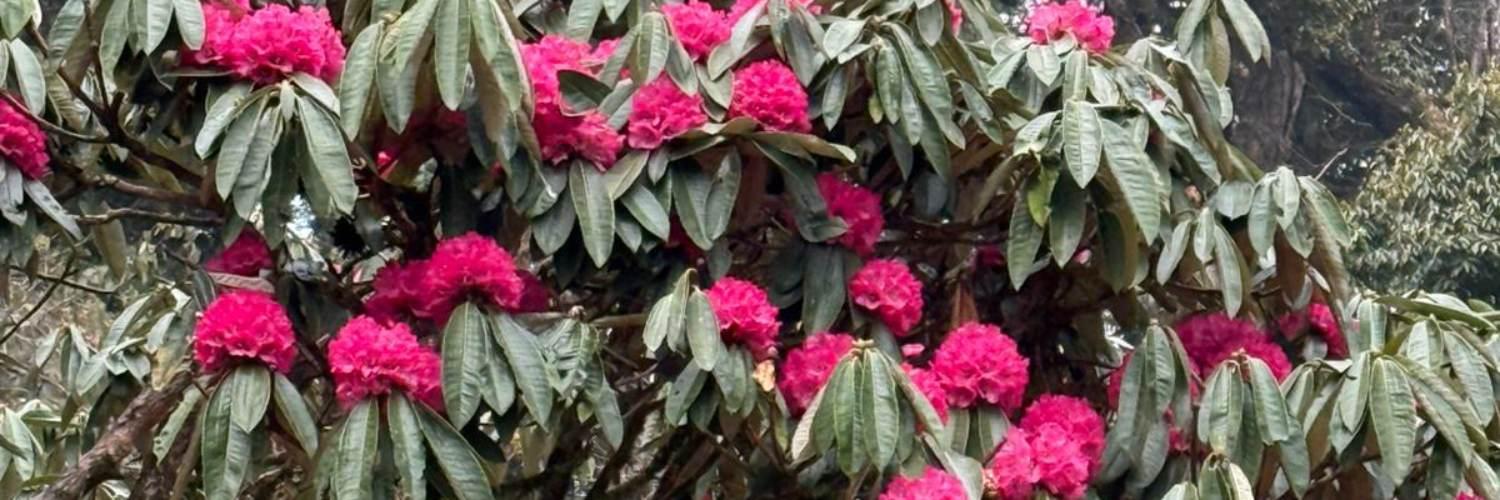
Spring (March to May): A spectacular time to visit. Temperatures are pleasantly warm at lower elevations, and the sky is generally clear in the mornings. The defining highlight of spring is the blooming of the world’s largest rhododendron forests, transforming the mountainsides into an absolute wonderland of color.
-
Autumn (September to November): The undisputed peak season for trekking across Nepal. Freshly washed clean by the summer monsoons, the atmosphere is exceptionally clear, offering the sharpest, most consistent mountain views of the entire year. Daytime walking temperatures are nearly perfect, though nights get crisp.
-
Winter (December to February): While daytime skies can be wonderfully clear and tourist crowds are virtually non-existent, temperatures drop significantly. Snow patches can accumulate on the trail leading up to Ghorepani and Poon Hill, requiring proper thermal gear and careful foot placement.
-
Monsoon (June to August): This season is generally not recommended for leisure trekking. Heavy rains bring thick clouds that obscure the mountain views, make the trails muddy and slippery, and introduce leeches to the lower forested zones.
Practical Preparation, Fitness, and Packing Tips
While the Poon Hill Trek in 2027 is classified as easy to moderate, it is still a genuine mountain hike that requires a respectful amount of physical preparation.
Physical Training
You do not need to be an elite marathon runner or an experienced mountaineer to complete this trek successfully. However, your enjoyment will be vastly enhanced if you possess good cardiovascular endurance and leg strength. In the 4 to 6 weeks leading up to your trip, focus on activities like jogging, cycling, swimming, and especially practicing hikes that involve walking uphill and downhill. If you live in a flat area, spending time on a stair climber machine at your local gym is an excellent way to prepare your quadriceps for the 3,000 steps of Ulleri.
Essential Packing List
The teahouses along the route provide cozy beds, warm blankets, and extensive menus, meaning you do not need to carry heavy camping gear. A standard 30 to 40-liter backpack is perfect if you are utilizing a porter, or a slightly larger pack if you intend to carry your own gear. Ensure you pack:
-
High-quality, well-broken-in waterproof hiking boots to prevent blisters.
-
A lightweight, windproof, and water-resistant outer jacket.
-
Thermal base layers and a warm fleece sweater for chilly evenings.
-
A reliable headlamp with extra batteries for the early morning sunrise hike.
-
A reusable water bottle or hydration bladder alongside water purification tablets.
-
Personal sun protection (sunglasses, wide-brimmed hat, and high-SPF sunscreen).
Conclusion
When evaluating if the Poon Hill Trek in 2027 is worthy, look past the simple step-counts and see it for what it truly represents: an extraordinary gateway into the heart of the Himalayas. The combination of improved trail safety, community-driven green tourism initiatives, and the timeless beauty of the Annapurna panoramas ensures that this route remains an unrivaled journey for global travelers seeking a perfect balance of adventure and accessibility.
At Best Heritage Tour, we pride ourselves on designing deeply personalized, highly secure, and culturally immersive journeys that show the absolute best of our beautiful country. Our all-inclusive tour packages handle every detail of your trip - from securing mandatory ACAP and TIMS permits to providing expert local guides, arranging comfortable private transport, and managing handpicked teahouse accommodations.
Are you ready to witness the sunrise over the spectacular peaks of Dhaulagiri and Annapurna? Let our experienced team manage the logistics while you focus on creating memories that will last a lifetime.
Contact Best Heritage Tour Today
Phone / WhatsApp / Viber: +977-9851149197 / +977-9810043046
Email: info@bestheritagetour.com / bestheritagetour@gmail.com
Website: www.bestheritagetour.com
Office: Thamel Marg, Kathmandu, Nepal
Author: Best Heritage Tour
Date: 19th May, 2026