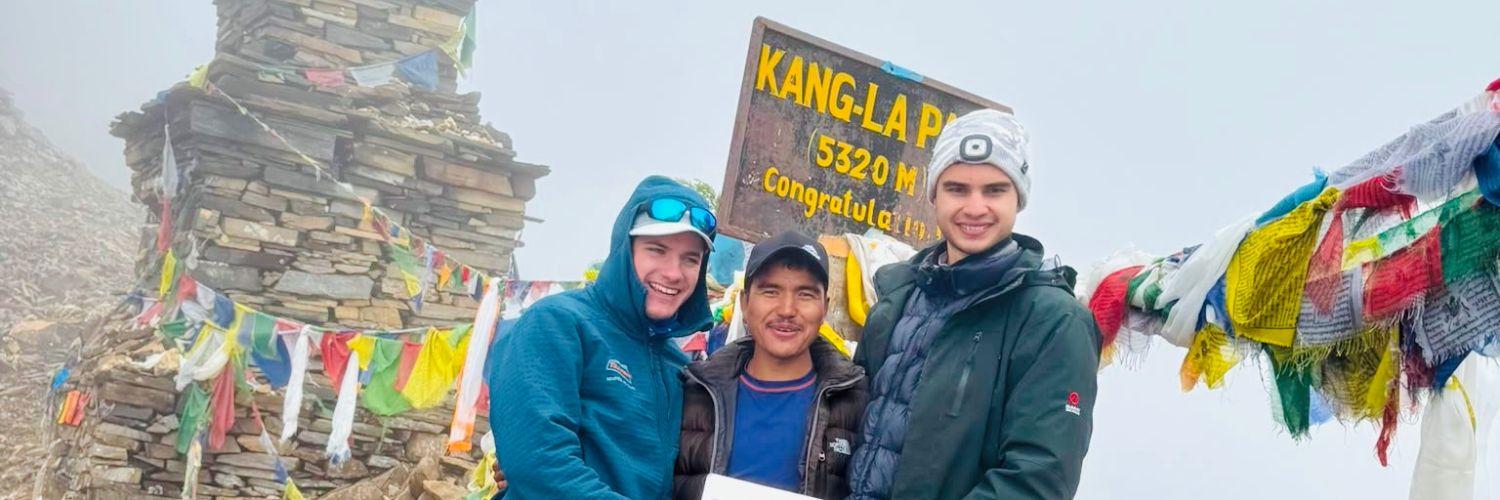
There is a quiet revolution taking place across the high-altitude trails of the Nepal Himalayas. For decades, classic routes like the Annapurna Circuit, Everest Base Camp, and the Langtang Valley have captured the imaginations of international adventurers. Yet, as iconic trails grow more developed and accessible, true wilderness explorers and seasoned trekkers are asking us a single, recurring question:
"Where can we find the untamed, raw, and silence-bound Nepal that existed thirty years ago?"
At Best Heritage Tour, with years of experience organizing expeditionary treks, guiding remote mountain passes, and leading heritage journeys across the country, we know that Nepal’s true pulse beats far away from the commercial tea house crowds. It thrives above 5,000 meters in the shadow of giants - where ancient trade routes, glacial moraines, and sacred high-altitude passes connect isolated valleys.
If you are a high-altitude enthusiast seeking pure solitude, technical challenge, and untouched natural beauty, this comprehensive guide explores the most rewarding, less-traveled passes in Nepal.
What Makes High Passes So Special?
A mountain pass (La in Tibetan and mountain dialects) is more than just a physical crest between two valleys. Historically, these natural notches in the Himalayan wall served as vital trans-Himalayan trade arteries. Yak caravans carried Tibetan salt, wool, and dried herbs south to barter for rice, grain, and spices from the mid-hills.
Today, crossing a hidden pass offers something increasingly rare in modern adventure travel: complete self-reliance and immersive wilderness.
Unlike mainstream trekking routes supported by modern roads and luxury lodges, less-traveled passes require technical focus, rigorous physical preparation, and skilled expedition support. When you top out on a 5,000-meter pass after days of navigating glacial ice, loose scree, and silent alpine meadows, the sweeping panoramic reward feels earned in a way few other experiences can match.
Quick Comparison: Nepal’s Top Hidden High Passes
|
Pass Name |
Altitude |
Region |
Accommodation Type |
Key Permits Required |
|---|---|---|---|---|
|
Ganja La Pass |
5,130 m |
Langtang → Helambu |
Teahouse + Camping |
Langtang & Shivapuri NP Permit + TIMS |
|
Mesokanto La Pass |
5,330 m |
Manang → Mustang |
Teahouse + Camping |
ACAP Permit + TIMS |
|
Kang La Pass |
5,322 m |
Nar Phu Valley → Ngawal |
Fully Teahouse Trek |
Restricted Area Permit (RAP) + ACAP |
|
Tilman Pass |
5,320 m |
Langtang → Panch Pokhari |
Teahouse + Camping |
Langtang NP + TIMS |
|
French & Dhampus Pass |
5,360 m & 5,240 m |
Dhaulagiri Circuit |
Teahouse + Camping |
ACAP Permit + TIMS |
1. Ganja La Pass (5,130 m): The Wild Bridge from Langtang to Helambu
Overview
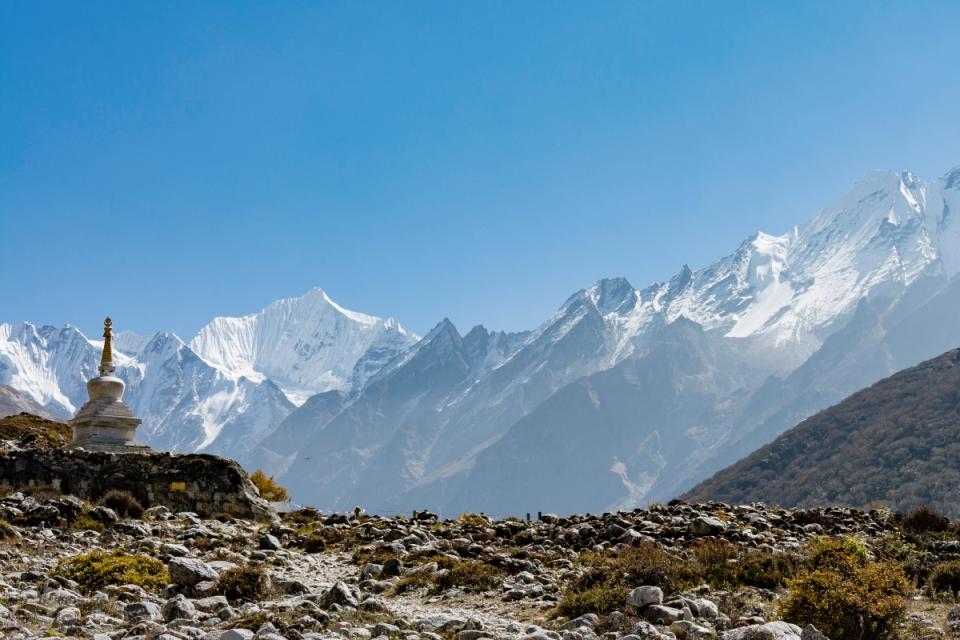
Located in the central Himalayas just north of Kathmandu, the Ganja La Pass (5,130 m) creates a challenging, high-altitude alpine traverse that bridges the deep glacier-carved Langtang Valley with the rolling, forested ridges of the Helambu region. While thousands of trekkers walk to Kyanjin Gompa and return along the same path, very few venture across the southern mountain wall via Ganja La.
Trek Style & Logistical Demands
-
Accommodation: Teahouse and Camping. Once you leave Kyanjin Gompa, teahouse infrastructure disappears completely for three to four days.
-
Technicality: Moderate to High. The northern approach involves steep scrambles over loose rock falls, exposed snow slopes, and unpredictable icy chutes. Fixed ropes may be required near the gap depending on early-season snowpack.
Why Choose Ganja La?
Crossing Ganja La offers one of the most dramatic landscape transformations in central Nepal. You transition from the Tibetan-influenced, high-alpine glacier amphitheaters of Langtang Lirung (7,234 m) into the pristine, moss-draped rhododendron and bamboo wilderness of Helambu. It is ideal for experienced trekkers who want to combine a classic teahouse warm-up with a brief, high-intensity camping traverse.
2. Mesokanto La Pass (5,330 m): The True Wilderness Crossing from Manang to Mustang
Overview
Tucked away in the formidable mountain barrier separating the upper Marshyangdi river basin from the Kali Gandaki valley, Mesokanto La Pass (5,330 m) is one of Nepal's most scenic, challenging, and historic high-altitude crossovers. Passing directly past the shimmering turquoise shores of Tilicho Lake (4,919 m) - one of the highest alpine lakes in the world - Mesokanto La offers a wild west-facing descent directly down to Jomsom in Upper Mustang.
Trek Style & Logistical Demands
-
Accommodation: Teahouse & Camping. You can stay in teahouses up to Tilicho Base Camp, but crossing the pass requires self-sustained high-altitude camping gear and experienced wilderness guides.
-
Technicality: High. Descending the western flank toward Mustang requires navigating steep, unstable scree, crumbling shale, and narrow rock chimneys that demand careful footwork.
Why Mesokanto La Pass Beats Thorong La Pass
While the classic Annapurna Circuit route crosses Thorong La (5,416 m) alongside hundreds of trekkers daily during peak season, Mesokanto La provides absolute solitude.
|
Feature |
Thorong La Pass (5,416 m) |
Mesokanto La Pass (5,330 m) |
|---|---|---|
|
Crowd Levels |
High (50-200+ trekkers/day in season) |
Extremely Low (Rarely seen groups) |
|
Trail Quality |
Broad, well-trodden, commercialized path |
Rough, unpaved wilderness single-track |
|
Iconic Feature |
Standard high-mountain saddle |
Passes directly by sacred Tilicho Lake |
|
Scenery |
Panoramic mountain range views |
Stark contrast: Glacial lake → Mustang trans-Himalayan desert |
3. Kang La Pass (5,322 m): Teahouse Comfort Meets Restricted Area Wilderness
Overview
For those who want to experience the raw isolation of a restricted Himalayan valley without sleeping in a tent, Kang La Pass (5,322 m) in the hidden Nar Phu Valley is an exceptional choice. Positioned within the rain-shadow northern reaches of the Annapurna Conservation Area near the Tibetan border, the pass links the ancient, stone-walled medieval villages of Nar and Phu with the upper Manang region.
Trek Style & Logistical Demands
-
Accommodation: 100% Teahouse Trek. Simple, authentic, locally run rustic lodges are available across the entire route, including Nar and Phu villages.
-
Permits: Requires a Restricted Area Permit (RAP) with a mandatory registered guide, alongside standard ACAP permits.
Why Choose Kang La?
-
High Chance of Wildlife Encounters: Due to its isolation and low human impact, the Nar Phu Valley is a primary habitat for the elusive Snow Leopard, Blue Sheep (Bharal), and Tibetan Wolves.
-
Living History: Visiting Phu Monastery (Tashi Lhakhang) feels like stepping back into 14th-century Tibet, featuring unpainted stone dwellings and timeless mountain culture.
-
The View from the Top: Topping out on Kang La rewards you with an uninterrupted wall-to-wall vista of Annapurna II, Gangapurna, and Tilicho Peak that few mainstream trekkers ever see.
4. Tilman Pass (5,320 m): The Ultimate Glacial Expedition into Sacred Waters
Overview
Named after the legendary British explorer and mountaineer H.W. Tilman, who pioneered the route in the 1950s, Tilman Pass (5,320 m) is one of the most obscure, wild, and demanding passes in Nepal. Located deep within the Jugal Himal range, this trail links the upper reaches of Langtang Valley (Langshisha Kharka) with the pristine alpine lakes of Panch Pokhari (Five Sacred Lakes).
Trek Style & Logistical Demands
-
Accommodation: Teahouse and Camping. Once you leave Kyanjin Gompa, teahouse infrastructure disappears completely. After Kyanjin Gompa, this is an entirely self-sustained expedition requiring tents, specialized cooking staff, and alpine gear.
-
Technicality: Very High. Navigating the approach requires tracking unmarked moraine, crossing moving ice glaciers, and managing loose rock fall channels. Basic ice axe and crampon skills may be necessary depending on conditions.
Why Choose Tilman Pass?
Tilman Pass is an authentic alpine expedition. Descending from the pass leads directly into the high basin of Panch Pokhari - the 9th-highest wetland ecosystem on Earth. Here, five glacial lakes sit under the shadows of Jugal Himal, venerated by Hindu and Buddhist pilgrims alike. If you want a journey devoid of modern footprints, this is the gold standard.
5. French Pass (5,360 m) & Dhampus Pass (5,240 m): The Raw Heart of the Dhaulagiri Circuit
Overview
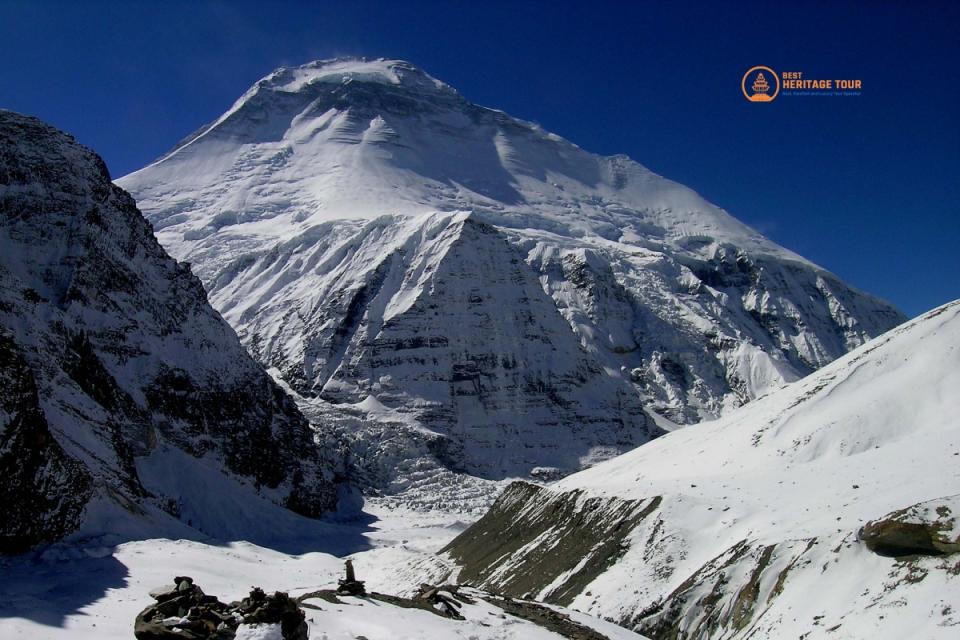
For the ultimate test of high-altitude endurance and alpine wilderness, nothing matches the double-pass crossing of French Pass (5,360 m) and Dhampus Pass (5,240 m) along the legendary Dhaulagiri Circuit Trek. Encircling the world’s seventh-highest peak, Mt. Dhaulagiri I (8,167 m), this route plunges deep into the uninhabited "Hidden Valley" - an otherworldly, high-altitude alpine desert framed by massive glaciers.
Trek Style & Logistical Demands
-
Accommodation: Teahouse and Camping. Once you leave Italian Base Camp, teahouse infrastructure disappears completely. Trekkers must camp on glaciers and frozen terrain for multiple consecutive nights.
-
Technicality: Extreme. This is widely considered one of the most physically demanding non-climbing treks in the Himalayas. It requires strong high-altitude acclimatization, endurance, and navigation skills across snow fields and moraine.
Why Choose French & Dhampus Pass?
-
Dhaulagiri Icefall & Base Camp: Standing at Dhaulagiri Base Camp and looking up at the 4,000-meter sheer vertical south face of Dhaulagiri is an unforgettable experience.
-
The Mysterious Hidden Valley: Suspended over 5,000 meters above sea level, the Hidden Valley feels completely isolated from the modern world.
-
Double High Pass Achievement: Crossing two consecutive 5,000-meters passes back-to-back offers an elite mountaineering milestone for non-climbers.
Safety, Fitness, and Preparation for Remote Pass Crossing
Crossing remote 5,000-meter-plus mountain passes is a rewarding experience, but safety requires thorough preparation and planning.
1. High-Altitude Acclimatization
Acute Mountain Sickness (AMS) is a real risk at elevations above 3,500 meters.
-
Rule of Elevation: Above 3,000 m, limit your average sleep elevation gain to 300-500 meters per day.
-
Acclimatization Days: Build dedicated rest and active exploration days at key nodes (e.g., Kyanjin Gompa, Nar Village, or Tilicho Base Camp) before attempting a high pass.
2. Wilderness Logistics & Environmental Stewardship
Remote camping treks (Ganja La, Tilman, Dhaulagiri Circuit) require careful environmental management.
-
Leave No Trace: Every piece of refuse, plastic, and non-biodegradable waste must be packed out.
-
Support Teams: Ensure your expedition agency provides proper high-altitude gear, insurance, fair pay, and thermal protection for local porters and mountain guides.
3. Weather Windows & Seasonal Timing
-
Autumn (September - November): Offers crystal-clear skies, stable high-pressure systems, and dry trail conditions - ideal for technical pass crossing.
-
Spring (March - May): Features blooming rhododendron forests at lower elevations and warming temperatures, though late-season winter snow can linger on high passes.
Conclusion
The true magic of the Himalayas is still out there - hidden high above the crowded valley floors, waiting across silent, wind-swept stone passes. Whether you dream of standing beside the sacred turquoise waters of Tilicho after crossing Mesokanto La, trailing snow leopards through Nar Phu over Kang La, or conquering the icy glacial heights of Tilman Pass, these journeys redefine what it means to explore.
At Best Heritage Tour, we don't just organize trips - we craft safe, culturally respectful, and unforgettable wilderness expeditions tailored to your experience level. Backed by over two decades of local mountain expertise, trusted veteran guides, and a commitment to sustainable tourism, we ensure every detail of your high-pass traverse is handled with care.
Ready to Step Off the Beaten Path? Contact Best Heritage Tour Today!
Phone / WhatsApp / Viber: +977-9851149197 / +977-9810043046
Email: info@bestheritagetour.com / bestheritagetour@gmail.com
Website: www.bestheritagetour.com
Office: Thamel Marg, Kathmandu, Nepal
Frequently Asked Questions (FAQ)
1. Which hidden pass is best for a first-time high-pass trekker?
Kang La Pass (5,322 m) in Nar Phu is an excellent entry point. Because it operates entirely on a teahouse itinerary, you enjoy comfortable beds and hot meals every night while experiencing raw, restricted-area high wilderness.
2. Do I need technical climbing gear (crampons, ice axes, ropes) for these passes?
For Kang La and Mesokanto La, standard trekking poles and microspikes are typically sufficient in clear weather. However, Ganja La, Tilman Pass, and French Pass often require safety ropes, ice axes, and full crampons depending on snow cover and ice conditions.
3. Why are permits more expensive for routes like Nar Phu (Kang La)?
Routes like Nar Phu border sensitive trans-Himalayan zones and intact cultural ecosystems. The Restricted Area Permit (RAP) system limits tourist volume, protecting fragile local Buddhist cultures and fragile wildlife habitats from over-commercialization.
Author: Best Heritage Tour
Date: 21st August, 2026