When travelers think about exploring the majestic Himalayas of Nepal, images of towering eight-thousanders, extreme high-altitude passes, and weeks of grueling physical endurance often come to mind. For seasoned mountaineers, this rugged challenge is precisely the appeal. However, for beginners, families, or travelers with limited holiday time, the prospect of an intense high-altitude expedition can feel daunting or entirely out of reach.
Fortunately, Nepal’s diverse geography offers incredible alternatives that balance Himalayan grandeur with accessibility. Among these, the Helambu region stands out as a premier destination. If you are wondering, How Difficult is the Helambu Trek?, the short answer is that it is widely considered one of the most accessible, beginner-friendly tea house treks in the country.
As a local operator with years of experience guiding travelers through Nepal’s rich cultural and natural landscapes, Best Heritage Tour has designed this comprehensive guide to break down the physical demands, trail conditions, altitude profiles, and daily realities of the Helambu route. Whether you are planning your very first Himalayan adventure or looking for a rewarding getaway close to the capital, this article will give you everything you need to know to prepare with confidence.
Understanding the Helambu Trek: An Overview
Located just north of Kathmandu, the Helambu region is named after the indigenous Hyolmo people who call these mountains home. The Shortest Trek Near Kathmandu offers a unique combination of lush subtropical forests, terraced farmland, roaring mountain streams, snow-capped peaks, and ancient Buddhist monasteries - all without requiring a grueling multi-week commitment or complex logistics.
Unlike the famous Everest Base Camp or Annapurna Circuit treks, which demand domestic flights, long jeep rides, and weeks of continuous walking, the Helambu trail begins practically at the edge of the Kathmandu Valley. This makes it an ideal option for travelers who want an authentic Himalayan experience but have tight scheduling constraints.
Key Highlights of the Route
-
Duration: Typically completed in a well-paced 5-day itinerary.
-
Maximum Altitude: Reaches a peak of 3,690 meters (12,106 feet) at Tarke Gyang or Tharepati (depending on the exact loop variation).
-
Cultural Immersion: Deeply rooted in Tibetan Buddhism, featuring ancient mani walls, chortens, and traditional Hyolmo villages.
-
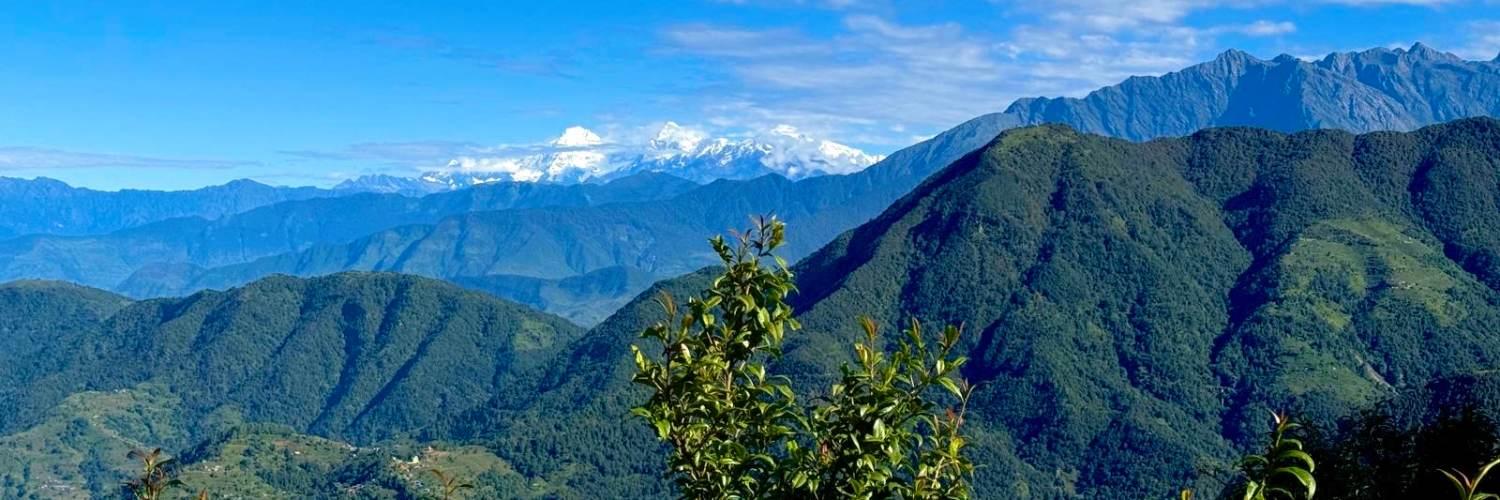
Scenery: Panoramic views of the Langtang range, Jugal Himal, and rolling green hills.
-
Crowd Factor: Significantly less crowded than the Annapurna or Everest regions, ensuring a peaceful, immersive journey.
Breaking Down the Helambu Trek Difficulty
To properly answer How Difficult is the Helambu Trek?, we need to evaluate the journey across several key metrics: physical fitness requirements, terrain, altitude gain, and daily walking hours. While the trek is classified as easy to moderate, every mountain trail demands respect and preparation.
1. Physical Fitness and Preparation
You do not need to be an elite endurance athlete or a technical mountaineer to complete this trek. There are no vertical rock faces, ropes, crampons, or technical climbing sections involved. The route consists entirely of well-trodden walking trails, stone steps, and dirt paths.
However, "easy" in the Himalayas still means walking uphill and downhill for several hours a day. Helambu Trek Difficulty largely stems from the rolling nature of the topography. The trail frequently dips into deep river valleys and climbs back up ridges, meaning you will encounter continuous ascents and descents.
-
Who it is for: Beginners with a moderate level of physical fitness, active families with teenagers, and older travelers who maintain a regular walking routine.
-
How to prepare: A few weeks before your trip, incorporate cardiovascular exercises such as brisk walking, jogging, stair climbing, or cycling into your routine. Building leg strength and stamina will make your daily walks much more enjoyable.
2. Altitude Profile and Risk of Altitude Sickness
One of the primary concerns for anyone visiting the Himalayas is Acute Mountain Sickness (AMS). High-altitude illnesses typically become a significant risk above 4,000 meters (13,123 feet).
The maximum altitude of the standard Helambu circuit is 3,690 meters (12,106 feet). Because the trail stays comfortably below the critical high-altitude threshold where severe AMS is common, the risk is drastically reduced.
-
Acclimatization: The gradual ascent profile allows your body to adapt naturally to the thinning air.
-
Symptoms to watch for: Mild headaches or fatigue can occasionally occur, but severe altitude sickness is exceptionally rare on this route when proper hydration and pacing are maintained.
3. Terrain and Trail Conditions
The paths on the Helambu route are well-established historical trading and pilgrimage routes connecting mountain communities to the Kathmandu Valley.
-
Trail Types: You will walk on dirt tracks, stone-paved staircases, forest trails, and occasional suspension bridges over rushing rivers.
-
Weather Impact: Depending on the season (spring or autumn), trails are generally dry and stable. During the monsoon or winter months, certain sections can become muddy, slippery, or dusted with light snow, which slightly increases the physical effort required.
4. Daily Walking Hours and Pace
A standard 5-day itinerary breaks the journey down into manageable chunks:
-
Average walking time: 4 to 6 hours per day.
-
Distance covered: Roughly 8 to 12 kilometers per day, depending on the specific stops.
-
Pace: Mountain trekking is not a race. Our experienced guides always emphasize a "pole-pole" (slowly, slowly) pace, ensuring every trekker finds a rhythm that protects their knees and preserves their energy.
What Makes the Helambu Trek One of the Easiest Short Treks in Nepal?
When comparing trekking options across the Himalayan nation, the Helambu route consistently ranks at the top for accessibility. Several defining factors contribute to this reputation:
-
Time Efficiency: Requiring only 5 days from start to finish, it fits seamlessly into a broader vacation or a short holiday to Nepal.
-
Low Maximum Altitude: Reaching a safe ceiling of 3,690 m (12,106 ft) minimizes health risks associated with extreme altitudes.
-
Logistical Simplicity: Because the trailhead is close to Kathmandu, transportation is straightforward, eliminating complex domestic flight bookings that are often subject to weather delays.
-
Infrastructure and Comfort: The route is dotted with traditional tea houses run by local families. You do not need to carry heavy camping gear; warm beds, blankets, and hearty meals are available every night.
-
Cultural Richness without Isolation: While you experience deep wilderness, remote villages, and pristine forests, you are never too far from local settlements and communication lines.
Daily Itinerary Breakdown: What to Expect on the Trail
To give you a clearer picture of what the physical day-to-day looks like, here is a breakdown of a standard 5-day Helambu itinerary operated by Best Heritage Tour:
-
Day 1: Drive from Kathmandu to Sundarijal, trek to Chisapani (2,215 m)
-
Walking time: 4-5 hours
-
Terrain: Begins with an uphill climb through the Shivapuri Nagarjun National Park, stepping through stone staircases and lush secondary forests before opening up to ridge-top views at Chisapani.
-
-
Day 2: Trek from Chisapani to Kutumsang (2,470 m)
-
Walking time: 5-6 hours
-
Terrain: Gentle descents through farming settlements followed by rolling hills and picturesque mountain vistas.
-
-
Day 3: Trek from Kutumsang to Tharepati (3,690 m)
-
Walking time: 6-7 hours (The most physically demanding day)
-
Terrain: A steady climb through dense rhododendron and pine forests up to the high ridge of Tharepati, offering breathtaking panoramic views of the Langtang and Jugal mountain ranges.
-
-
Day 4: Trek from Tharepati to Tarke Gyang (2,740 m)
-
Walking time: 5-6 hours
-
Terrain: A long, scenic descent through forests and meadows into the heart of the Hyolmo cultural region, ending in the charming village of Tarke Gyang, home to one of the oldest Buddhist monasteries in the area.
-
-
Day 5: Trek to Sermathang and drive back to Kathmandu
-
Walking time: 3-4 hours of walking followed by a comfortable jeep/bus ride back to Kathmandu.
-
Terrain: An easy, gentle walk through terraced fields and traditional villages before meeting your transport vehicle.
-
Who is the Helambu Trek Best For?
Given its moderate physical demands and remarkable versatility, the Helambu trail welcomes a wide variety of travelers:
-
First-Time Himalayan Trekkers: If you have never trekked in Nepal and want to test your stamina and comfort levels in the mountains before committing to a 2-week or 3-week expedition, Helambu is the ultimate testing ground.
-
Families and Multigenerational Travelers: The manageable daily distances and lower altitude make it an achievable adventure for active older children, teenagers, and healthy adults looking to share a meaningful travel experience together.
-
Cultural Enthusiasts: Travelers who prefer immersive cultural encounters over high-altitude mountaineering will fall in love with the monasteries, traditional wooden architecture, and warm hospitality of the Hyolmo people.
-
Time-Capped Explorers: Travelers on a short vacation who want to experience the authentic magic of the Himalayas without spending days traveling to remote trailheads.
Conclusion
The Helambu Trek proves that you do not need to push to extreme, oxygen-starved heights or endure weeks of physical hardship to experience the breathtaking beauty and rich spiritual heritage of the Nepalese Himalayas. With its accessible altitude profile, well-maintained trails, comfortable tea houses, and rich cultural tapestry, it remains the ultimate short adventure near the capital.
If you are ready to take your first step into the mountains or looking for a rewarding, peaceful escape, the Helambu region awaits.
Contact Best Heritage Tour
Plan your Himalayan journey with confidence alongside Nepal’s trusted local experts. Reach out to our team today to customize your itinerary or book your next adventure:
Phone / WhatsApp / Viber: +977-9851149197 / +977-9810043046
Email: info@bestheritagetour.com / bestheritagetour@gmail.com
Website: www.bestheritagetour.com
Office: Thamel Marg, Kathmandu, Nepal
Frequently Asked Questions (FAQs)
Where does the Helambu Trek start and end, and how do I get there from Kathmandu?
The Helambu Trek is renowned as the Shortest Trek Near Kathmandu. The standard route typically begins at Sundarijal, which is just a 45-minute to 1-hour drive from central Kathmandu. The trek concludes either by returning via road from Melamchi or taking a short, scenic drive back from the final stops like Sermathang.
Is a guide or permit required for the Helambu Trek?
Yes. Trekking in the Helambu region requires official entry permits, specifically the Shivapuri Nagarjun National Park Permit and the Langtang National Park Permit, as portions of the trail pass through protected conservation areas. Furthermore, a licensed local guide is required for traveler safety, manage checkpoints, and navigate local terrain seamlessly.
What is the best time of year to do the Helambu Trek?
The Helambu Trek can be enjoyed during two primary seasons in Nepal: Spring (March to May) and Autumn (September to November). Winter treks are also possible for those who prefer quiet trails, though higher passes like Tharepati can experience colder nights and occasional light snow dusting.
Do I need previous trekking experience to complete the Helambu route?
No previous trekking experience is required to tackle the Helambu Trek Difficulty level. Because the maximum elevation peaks at a safe 3,690 meters (12,106 feet) and features gradual ascents alongside comfortable tea house accommodations every night.
Author: Best Heritage Tour
Date: 12th August, 2026