
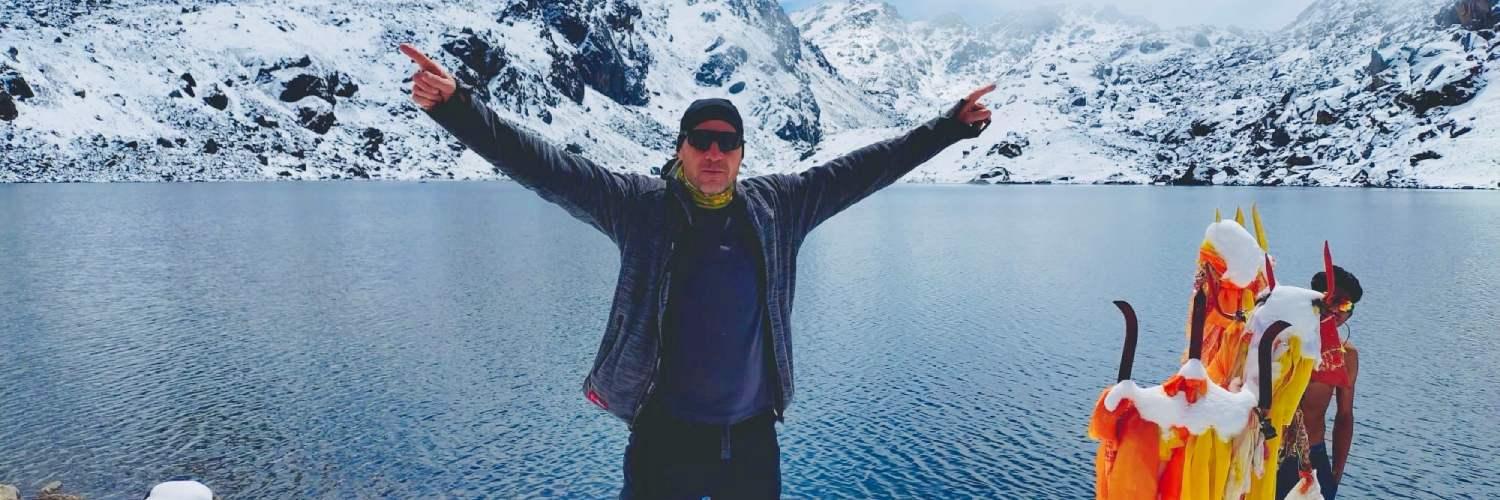
When travelers visualize a journey into the heart of the Himalayas, towering giants like Everest or Annapurna often steal the spotlight. Yet, hidden within the Langtang National Park lies an alpine sanctuary that commands an entirely different kind of admiration. For over years, our team at Best Heritage Tour has guided thousands of passionate trekkers, cultural explorers, and spiritual seekers up the winding stone staircases of the Langtang region. Time and again, the question we hear most from prospective travelers is simple yet urgent: How Difficult is the Gosaikunda Lake Trek?
Evaluating trail difficulty requires looking beyond raw numbers to understand how terrain, altitude, daily mileage, and weather interact. As one of the absolute shortest treks from Kathmandu that crosses high alpine terrain, the Gosaikunda journey packs an extraordinary amount of geographic and cultural diversity into a relatively compact itinerary.
This comprehensive guide explores the physical demands, trail realities, and altitude dynamics of the route, equipping you to decide whether this sacred Himalayan pilgrimage belongs on your bucket list.
Understanding the Gosaikunda Lake Trek: An Overview
Before diving into physical endurance metrics, it helps to understand the landscape. Gosaikunda is not merely a body of water; it is a cluster of pristine oligotrophic glacial lakes situated at an elevation of 4,380 meters (14,370 feet). For Hindus and Buddhists alike, these lakes hold immense spiritual significance. According to Hindu mythology, Gosaikunda was created by Lord Shiva when he thrust his holy trident (trishula) into a mountain to extract cold water to quench his burning throat after swallowing poison.
Because of this deep spiritual heritage, the trek attracts a unique mix of international adventure tourists and devoted pilgrims - particularly during the Janai Purnima festival in August, when thousands gather to bathe in the icy waters.
From a logistical standpoint, the trail begins just a short drive from Kathmandu, making it the premier choice for travelers seeking a true high-altitude Himalayan experience without committing to a two-week or three-week expedition. However, do not let its short duration fool you into thinking it is a gentle stroll.
General Assessment: Is the Gosaikunda Lake Trek Hard?
The Gosaikunda Lake Trek difficulty is officially rated as moderately challenging.
It is entirely suitable for trekkers with a reasonable level of cardiovascular fitness, a resilient mindset, and a positive attitude toward mountain walking. While the trail does not require technical mountaineering skills, ropes, or ice axes under normal seasonal conditions, it demands respect.
The primary challenge of the Gosaikunda route stems from vertical compression. Unlike longer treks where elevation is gained gradually over weeks, this route ramps up altitude quickly over a compressed timeline. You transition from sub-tropical river valleys to barren, high-alpine zones in a matter of days. For travelers wondering about the Gosaikunda Lake Trek difficulty relative to other regional routes, it is physically more demanding than the lower Langtang Valley trek due to the steep, direct ascents, yet shorter in duration than the Annapurna Circuit.
What Makes the Gosaikunda Lake Trek Difficult?
Breaking down the specific elements that test endurance helps paint a realistic picture of what a day on the trail looks like. Several core factors contribute to the overall challenge:
A. High Altitude and Thinning Air
The single greatest hurdle on this journey is altitude. The trek reaches its zenith at Lauribina Pass, sitting proudly at 4,610 meters (15,125 feet), while the lakes themselves rest at 4,380 meters. As you climb above 3,000 meters, atmospheric pressure drops, meaning fewer oxygen molecules are inhaled per breath. This makes cardiovascular exertion noticeably harder, even for seasoned athletes.
B. Rapid Elevation Gain
The route typically begins with a drive from Kathmandu to Dhunche (1,960 meters). From there, the trail points almost strictly upward. Gaining more than 2,600 meters of elevation in just a few days requires careful physiological adaptation. Without proper pacing, sudden altitude sickness - known medically as Acute Mountain Sickness (AMS) - can halt progress.
C. Steep Ascents and Descents
Much of the path consists of stone-paved staircases carved into mountain ridges or winding forest tracks. You will encounter long stretches of continuous uphill climbing where your leg muscles and joints will be put to work. Descending can be equally taxing on your knees and quadriceps, making trekking poles an absolute necessity.
D. Long Walking Hours
Expect to spend between 5 to 8 hours per day on your feet. While the actual distance covered in kilometers may look short on a map, vertical meters change the equation entirely. Walking uphill for hours in thin air demands immense mental and physical stamina.
E. Mountain Weather and Climatic Shifts
Himalayan weather is notoriously fickle. Clear, crisp blue mornings can give way to heavy afternoon mist, biting winds, or sudden alpine snow flurries, particularly as you approach the ridge lines around Lauribina and Gosaikunda.
F. Cold Temperatures at Night
Once you pass Sing Gompa (approx. 3,250 meters) and head into the higher alpine zone, nighttime temperatures drop sharply, often falling well below freezing during shoulder seasons. Managing these cold conditions requires proper layering and thermal gear.
G. Basic Tea House Facilities
Unlike lower commercial routes that feature luxury lodges with heated rooms and extensive menus, accommodations along the upper stretches of the Gosaikunda trail are traditional, cozy, and basic. Rooms feature twin beds with simple foam mattresses, and dining halls are typically heated by a central yak-dung or wood-burning stove.
Trail Breakdown: Step-by-Step Elevation and Terrain
To better visualize the physical demands, let us look at how the terrain shifts across a standard itinerary managed by our field teams at Best Heritage Tour:
-
Kathmandu to Dhunche / Syabrubesi (Drive): A scenic 6 to 7-hour road journey along winding mountain highways sets the stage.
-
Dhunche (1,960 m) to Chandanbari / Sing Gompa (3,250 m): Your first major test. This leg is a sustained, steep uphill climb through dense pine and rhododendron forests lasting about 5 to 6 hours. Your lungs will definitely feel the transition.
-
Chandanbari (3,250 m) to Laurebina (3,920 m): The trees begin to thin out, opening up dramatic, sweeping valley views. The trail becomes rockier and exposed to open mountain air. Walking time is roughly 4 hours.
-
Laurebina (3,920 m) to Gosaikunda Lake (4,380 m): The final push to the sacred lakes. The trail snakes along a high-altitude mountain ridge with sheer drop-offs to one side. The combination of altitude and exposed terrain requires steady, slow steps.
-
Crossing Lauribina Pass (4,610 m) and Descending to Shin Gompa or Melamchi Valley: For those undertaking the full cross-over trek, the climb to the pass is steep, gravelly, and physically demanding, followed by a long, knee-testing descent.
Who Can Do the Gosaikunda Lake Trek? Fitness and Preparation Requirements
One of the most common misconceptions we encounter at Best Heritage Tour is that you need to be an elite marathon runner to explore the Nepalese Himalayas. In reality, successful high-altitude trekking relies more on endurance and mental grit than raw speed.
-
Cardiovascular Conditioning: Start preparing 2 to 3 months before your trip. Focus on aerobic exercises such as brisk hiking, jogging, swimming, or cycling for 45 minutes to an hour, 3 to 4 times a week.
-
Leg Strength: Incorporate squats, lunges, and stair climbing into your routine. Your leg muscles will thank you when tackling thousands of stone steps.
-
Mental Resilience: Trekking in the mountains challenges comfort zones. Embracing slow, steady movement ("bistarai, bistarai" as the locals say - meaning "slowly, slowly") is the secret to Himalayan longevity.
With proper preparation, suitable trekking gear, and the professional support of Best Heritage Tour's experienced, licensed local guides, most healthy travelers with a moderate fitness level can successfully complete this journey.
Why Choose the Gosaikunda Lake Trek? (The Rewards)
Why do travelers choose to face these moderate physical challenges? Because the rewards far outweigh the exertion.
-
The Shortest High-Altitude Escape: As a premier option for the shortest trek from Kathmandu that enters the true alpine zone, it maximizes your holiday time without requiring domestic flights to remote mountain airstrips.
-
Untouched Natural Beauty: You witness deep glacial tarns mirroring jagged snow-capped peaks, dramatic cliffside trails, and panoramic vistas stretching across the Langtang and Ganesh Himal ranges all the way to Tibet.
-
Rich Cultural Immersion: Passing through traditional Tamang and Sherpa settlements offers an authentic window into mountain lifestyles, monasteries, and ancient cheese factories.
-
Spiritual Serenity: Standing on the shores of Gosaikunda Lake as mist rolls over the icy water offers a profound sense of peace that is hard to find anywhere else on Earth.
Essential Tips for Managing Trek Difficulty
-
Hydrate Aggressively: Drink 3 to 4 liters of water daily. Dehydration accelerates the onset of altitude sickness.
-
Acclimatize Correctly: Listen strictly to your guide's pacing instructions. Never climb too high, too fast.
-
Pack Smart Layers: Weather changes instantly above 3,000 meters. Windproof jackets, thermal underwear, sturdy broken-in boots, and quality UV-protection sunglasses are non-negotiable.
-
Travel with Experts: Having a seasoned guide from Best Heritage Tour means constant health monitoring, local logistical support, and deep cultural storytelling that enriches every step of the trail.
Conclusion
The Gosaikunda Lake Trek presents a rewarding test of endurance, blending physical exertion with jaw-dropping alpine scenery and profound spiritual history. While the thin air at Lauribina Pass and the steep mountain staircases demand respect and preparation, the journey is entirely within reach for anyone with a moderate fitness level and an adventurous spirit.
Are you ready to walk the sacred paths of the Himalayas with a team that has called these mountains home for over two decades? Let Best Heritage Tour handle the details while you focus on the journey of a lifetime.
Contact Best Heritage Tour
Phone / WhatsApp / Viber: +977-9851149197 / +977-9810043046
Email: info@bestheritagetour.com / bestheritagetour@gmail.com
Website: www.bestheritagetour.com
Office: Thamel Marg, Kathmandu, Nepal
Frequently Asked Questions
Do I need previous trekking experience to do the Gosaikunda Lake Trek?
No prior technical mountaineering experience is required. Because the trail consists of well-established paths and stone steps, anyone with a moderate level of cardiovascular fitness, good health, and mental readiness can successfully complete it.
Is altitude sickness a major concern on the Gosaikunda Lake Trek?
Yes, altitude sickness (AMS) can be a risk because the route gains elevation rapidly and peaks at Lauribina Pass (4,610 m / 15,125 ft). However, maintaining a slow and steady pace, staying properly hydrated, and allowing your guides to monitor your health minimize this risk effectively.
What is the best time of year to undertake the Gosaikunda Lake Trek?
The ideal seasons are autumn (September to November) and spring (March to May). These months offer stable weather, crystal-clear mountain views, and comfortable daytime temperatures. The trek is also popular in August during the sacred Janai Purnima festival, though trails are much busier and temperatures are colder.
What kind of accommodation can I expect along the Gosaikunda Lake Trek?
Teahouses along the route provide cozy, traditional, and basic accommodation. Rooms typically feature twin beds with simple foam mattresses, and meals are served in communal dining halls warmed by a central stove.
Author: Best Heritage Tour
Date: 11th August, 2026
