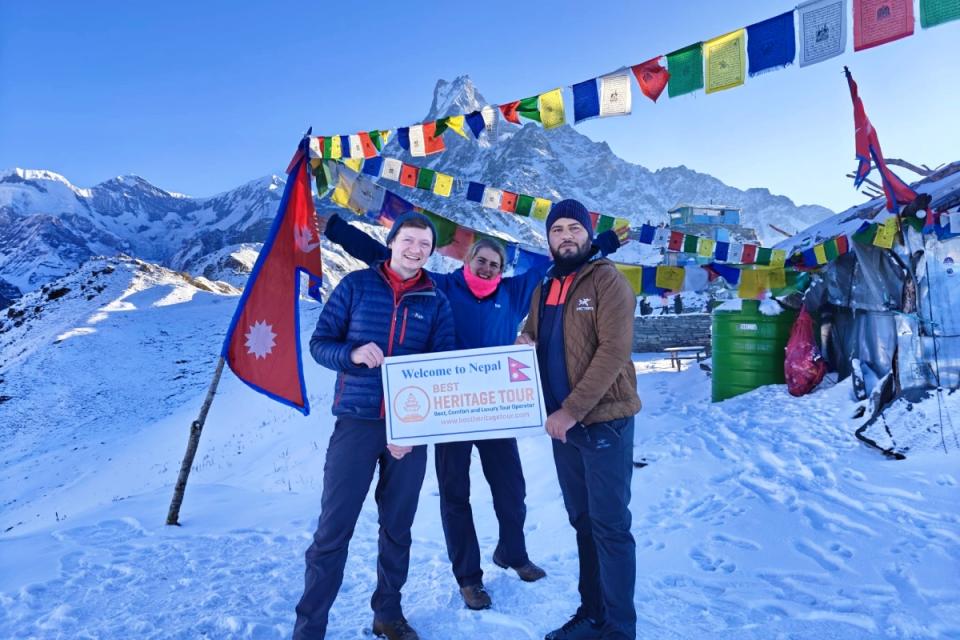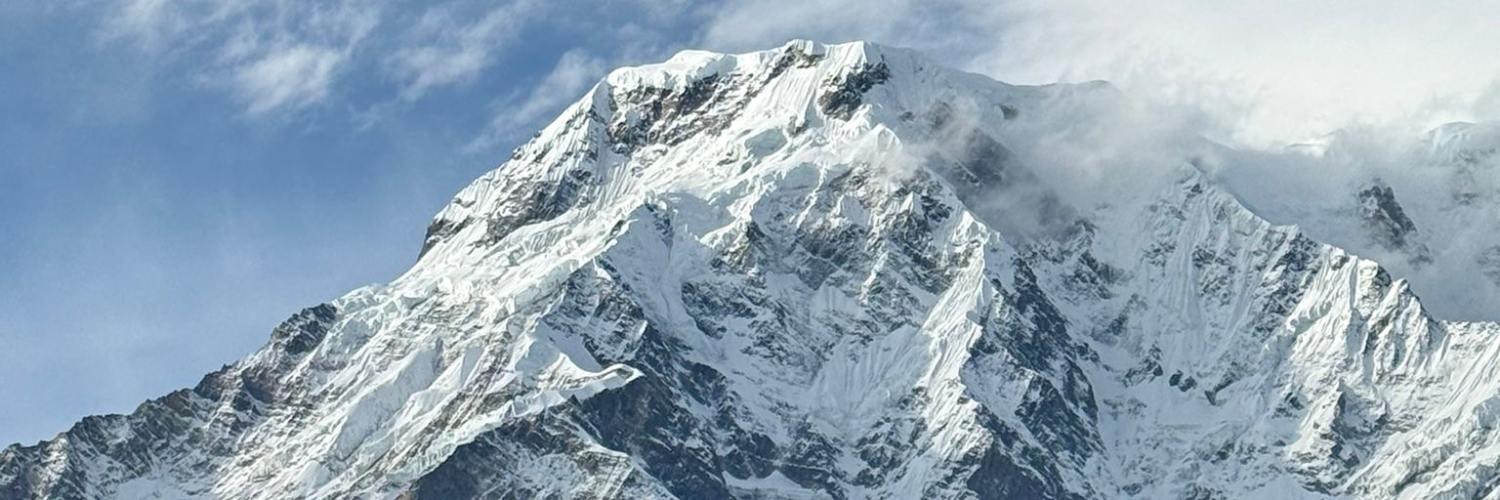
If you are dreaming of an escape that effortlessly avoids the heavily commercialized paths of the Annapurna Circuit or Everest Base Camp, the Mardi Himal Trek is calling your name. We at Best Heritage Tour have guided hundreds of global explorers through these pristine landscapes.
Among all the resting points along this majestic ridgeline route, there is one specific, enchanted clearing that captures the hearts of every traveler, tourist, and seasoned trekker we lead: Forest Camp.
Whether you are looking for the absolute breakdown of what to expect on the trail, mapping out your high-altitude logistics, or looking ahead to plan your ultimate Mardi Himal Trek in 2027, this comprehensive, definitive guide covers everything you need to know about this vital jungle sanctuary.
Where is Forest Camp? Unveiling the Geography
For any traveler trying to visualize their upcoming Himalayan expedition, the first practical question is always: Where is Forest Camp?
Locally referred to as Kokar, Forest Camp is tucked deep inside the globally renowned Annapurna Conservation Area Project (ACAP) in central Nepal. Geographically, it sits on a dramatic, heavily forested ridge that extends south from the base of the sacred mountain Machhapuchhre (Fishtail Mountain).
The Elevation Profile and Strategic Acclimatization
Forest Camp rests comfortably at an elevation of 2,550 meters (8,366 feet) above sea level. This specific altitude serves an incredibly vital logistical role in your overall trekking itinerary.
When you book a journey through us, our standard itinerary departs from the lakeside paradise of Pokhara (822 meters). A scenic one-hour drive brings us to the primary trailhead at Kande (1,770 meters). From Kande, we initiate a steady climb up stone stairs past Australian Camp to the small ridgeline clearing of Pitam Deurali (1,990 meters).
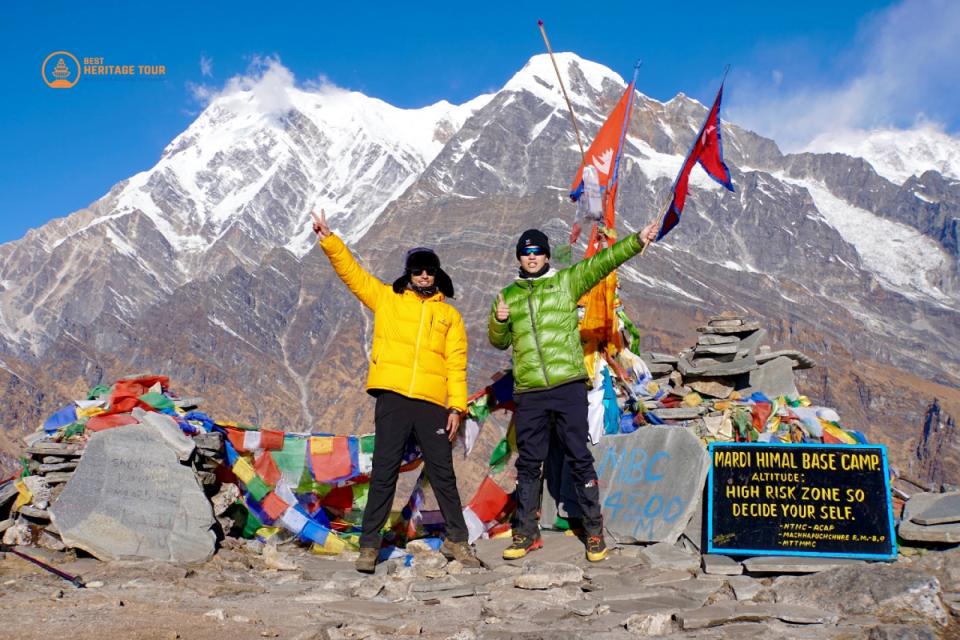
Pushing onward from Deurali, the trail enters a vast, uninhabited forest canopy before concluding Day 1 at Forest Camp. By resting your head at 2,550 meters on your very first evening, you are allowing your body to naturally and safely adjust to the thin mountain air without experiencing any symptoms of Acute Mountain Sickness (AMS). It is the ultimate, low-stress stepping stone before you attempt the stark, wind-swept alpine altitudes of High Camp (3,580 meters) and Mardi Himal Base Camp (4,500 meters).
The Landscape: Stepping into a Living Fairy Tale
Leaving behind the paved, terraced farmland trails of Pitam Deurali, the route to Forest Camp transforms completely. You are stepping onto a rugged, natural path dominated by ancient tree roots, mossy earth, and an overwhelming sense of isolation.
This section of the trek is a lush wonderland filled with massive oak, maple, and birch trees, draped in delicate hanging ferns and bright green moss. However, the true crowning glory of this zone is the spectacular rhododendron forest.
If you choose to experience the Mardi Himal Trek in 2027 during the vibrant spring months (March to May), these ancient forests completely explode into a spectacular sea of crimson, pink, and paper-white blooms. Walking through this jungle feels like navigating a surreal, natural tunnel of flowers, with the cool mountain breeze carrying the faint, sweet scent of alpine flora.
Even during the crisp autumn months (September to November), when the flowers are resting, the jungle exhibits a mystical, golden-amber hue, providing perfect conditions for photography and quiet reflection.
Things to Do in Forest Camp: Top Trails and Hidden Activities
While many independent trekkers make the mistake of treating Forest Camp as a simple place to drop their backpacks, eat dinner, and sleep, our experienced local guides know that this serene village offers an array of life-enriching experiences.
If you want to truly maximize your time in this pristine environment, here are the absolute best things to do in Forest Camp:
1. Immerse Yourself in Bird Watching and Wildlife Spotting
Because the stretch of forest surrounding Kokar is entirely free from heavy vehicle traffic and dense human settlements, it serves as a safe haven for an incredible diversity of Himalayan wildlife.
As you sit quietly on the wooden porch of your teahouse or wander the quiet perimeters of the camp, keep your eyes trained on the upper canopy. You are highly likely to spot families of Himalayan Langurs (gray, long-tailed monkeys) leaping effortlessly between the massive oak trees.
For bird enthusiasts, the area is an absolute paradise. Listen for the distinct calls and look out for the brilliant plumage of the Danphe (Impeyan Monal) - the magnificent, multi-colored national bird of Nepal - as well as laughingthrushes, vibrant sunbirds, and soaring alpine eagles riding the thermal currents right above the trees.
2. Capture Early Morning Views of Sacred Peaks
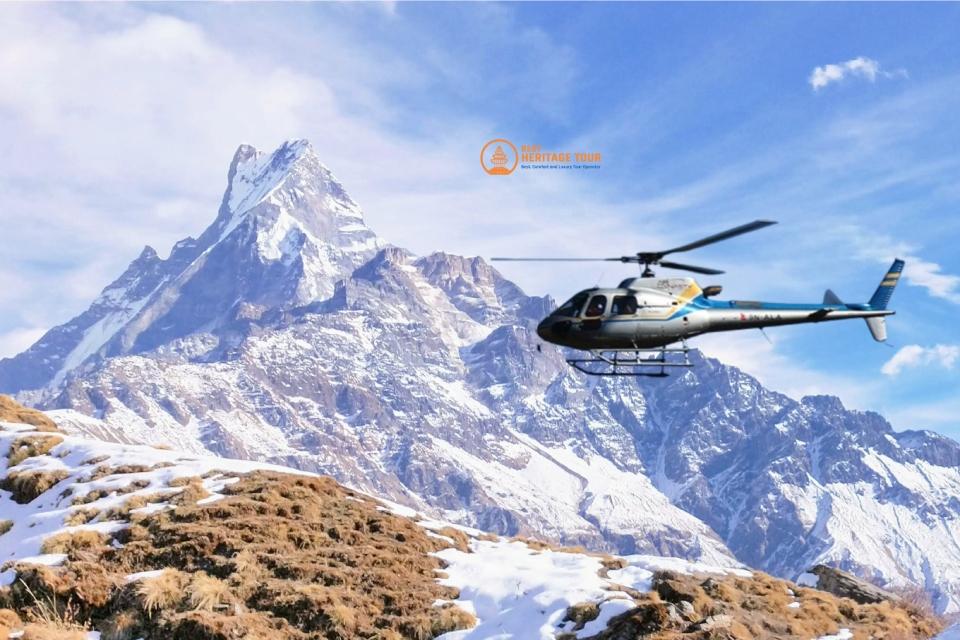
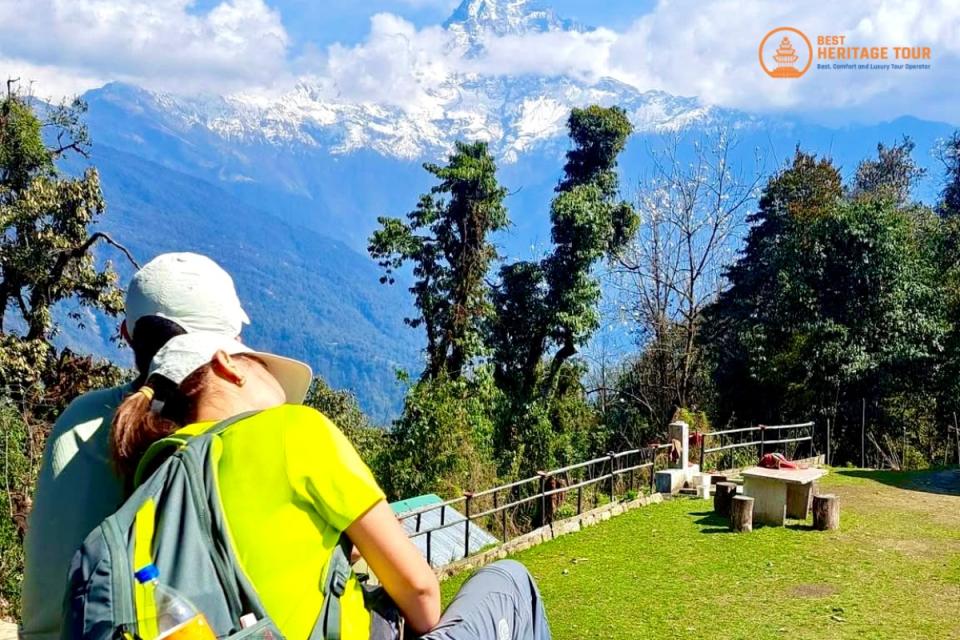
While Forest Camp is famous for its dense jungle surroundings, it features strategic clearings that look out directly into the deep, plunging valleys below. On clear mornings, you can step right outside your room to catch your very first, close-up glimpse of the iconic Machhapuchhre (6,993 meters) slicing into the clear blue sky.
The dramatic contrast of seeing a sharp, snow-capped pyramid peak rising immediately out of a dense, emerald-green jungle canopy provides an incredibly unique photographic opportunity that you simply cannot replicate in the bare, rocky high-altitude camps further up the trail.
3. Take an Acclimatization Hike along the Ridge
If you arrive at the camp in the early afternoon with energy to spare, we highly recommend embarking on a short, slow-paced exploratory hike along the ascending ridgeline toward Rest Camp.
Walking without the weight of your main trekking pack allows you to fully focus on your breathing, stretch out your calf muscles after the long uphill climb from Kande, and observe how the plant life slowly begins to alter as the trail creeps closer to the 3,000-meter mark.
4. Experience the Warmth of a Traditional Himalayan Dining Hall
When night falls over the forest, the temperature drops rapidly. The absolute best activity is to gather inside the communal wooden dining hall of your lodge.
Centering around a warm, roaring wood stove, this is where the true cultural magic of a Nepalese teahouse trek comes alive. It provides the perfect environment to swap travel stories with international explorers, play cards, and listen to our local guides share ancient mountain folklore and insights into the indigenous Gurung and Magar heritage of the hills.
Accommodation and Daily Life at Forest Camp
To maintain realistic expectations for your journey, it is important to understand that the accommodation options at Forest Camp are built around the concept of traditional, rustic Nepalese teahouses. These are small, family-run mountain lodges constructed from locally sourced timber and river stones. They offer clean, cozy comfort rather than modern luxury.
What to Expect Inside Your Lodge:
-
The Guest Rooms: Rooms are typically arranged on a twin-sharing basis, featuring two single wooden beds equipped with a foam mattress, a pillow, and a heavy, warm blanket. Because the wooden walls are relatively thin and uninsulated, we always provide our clients with high-quality, sub-zero sleeping bags for added warmth and personal comfort.
-
Bathroom and Toilet Facilities: At this specific altitude, most lodges feature shared bathroom facilities located at the end of the hallway or in a separate block just outside. You will find a mixture of Western-style sit-down toilets and traditional Asian squat toilets.
-
Hot Showers: After a rigorous 5-to-6-hour hike through the jungle, nothing feels more rewarding than a hot shower. Forest Camp lodges offer solar or gas-heated showers for an additional fee, typically ranging from NPR 200 to NPR 500 per session.
-
Electricity and Device Charging: The lower camps enjoy relatively stable electricity. You can charge your smartphones, camera batteries, and power banks in the communal dining hall for a minor fee (around NPR 100 to NPR 300 per device). We highly recommend traveling with a high-capacity power bank (10,000 to 20,000 mAh) to keep your electronics operational throughout the higher, off-grid segments of the trek.
-
Wi-Fi and Cellular Connectivity: Wireless internet is available at most lodges in Forest Camp for a small daily access fee. However, due to the dense forest canopy and remote mountain topography, the connection can be highly unstable and slow. For reliable communication, we recommend purchasing a local NTC or Ncell SIM card with a data pack in Kathmandu or Pokhara before heading into the mountains, though please note that cellular signals will fluctuate significantly as you climb higher.
Planning Ahead: The Mardi Himal Trek in 2027
As we look forward to the upcoming trekking seasons, the Mardi Himal Trek in 2027 is projected to be one of the most sought-after eco-tourism experiences in all of South Asia. Travelers are increasingly seeking out shorter, crowd-free alternatives to traditional routes, making Mardi Himal the perfect choice.
To ensure your future journey is seamless, safe, and utterly unforgettable, keep these crucial planning factors in mind:
Choosing Your Perfect Trekking Season
-
The Autumn Window (September to November): This is widely considered the absolute peak season for mountain visibility. The monsoon rains have completely washed away the dust and haze, leaving behind crisp, clear blue skies and sharp, unobstructed views of the massive Annapurna massif.
-
The Spring Window (March to May): This is the ultimate dream season for nature lovers and photographers. The weather is comfortably warm, and the entire trail from Pitam Deurali through Forest Camp transforms into a stunning, multi-colored wonderland of blooming rhododendron forests.
Conclusion
Forest Camp is far more than just a quick overnight stop on a map; it is the peaceful, green gateway that marks your transition from the familiar comforts of the lower valleys into the dramatic, awe-inspiring world of the high Himalayas. Standing amidst the ancient, moss-covered oaks and listening to the wind whisper through the rhododendron canopy, you will feel an profound sense of peace that stays with you long after you return home.
Are you ready to turn your dream of standing directly beneath the sacred peak of Machhapuchhre into a reality? Let us handle the complex permits, the logistics, and the safety protocols, leaving you completely free to immerse yourself in the magic of the trail.
Start Planning Your Himalayan Adventure Today!
Phone / WhatsApp / Viber: +977-9851149197 / +977-9810043046
Email: info@bestheritagetour.com / bestheritagetour@gmail.com
Website: www.bestheritagetour.com
Office: Thamel Marg, Kathmandu, Nepal
Author: Best Heritage Tour
Date: 24th May, 2026