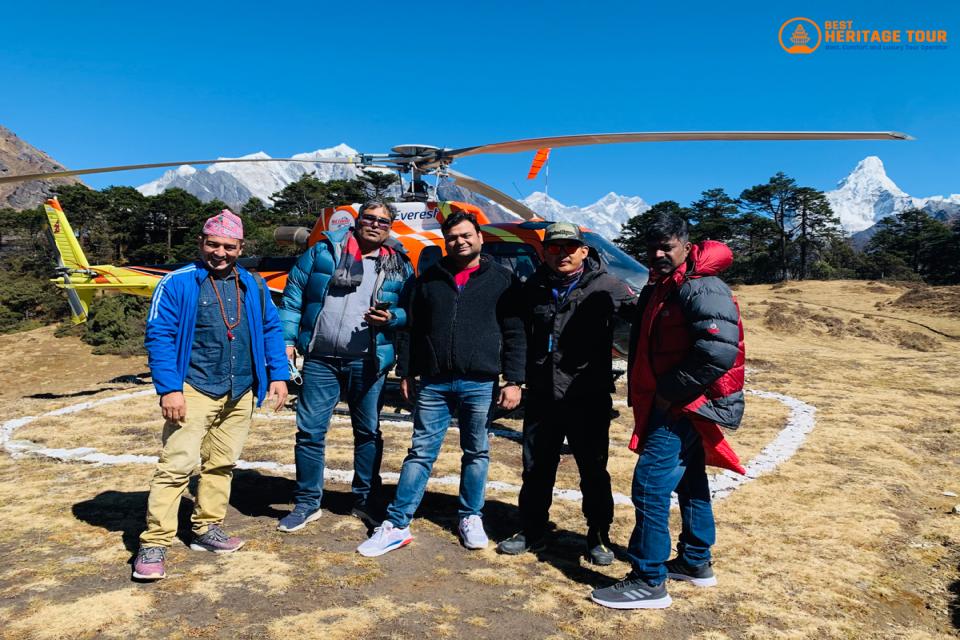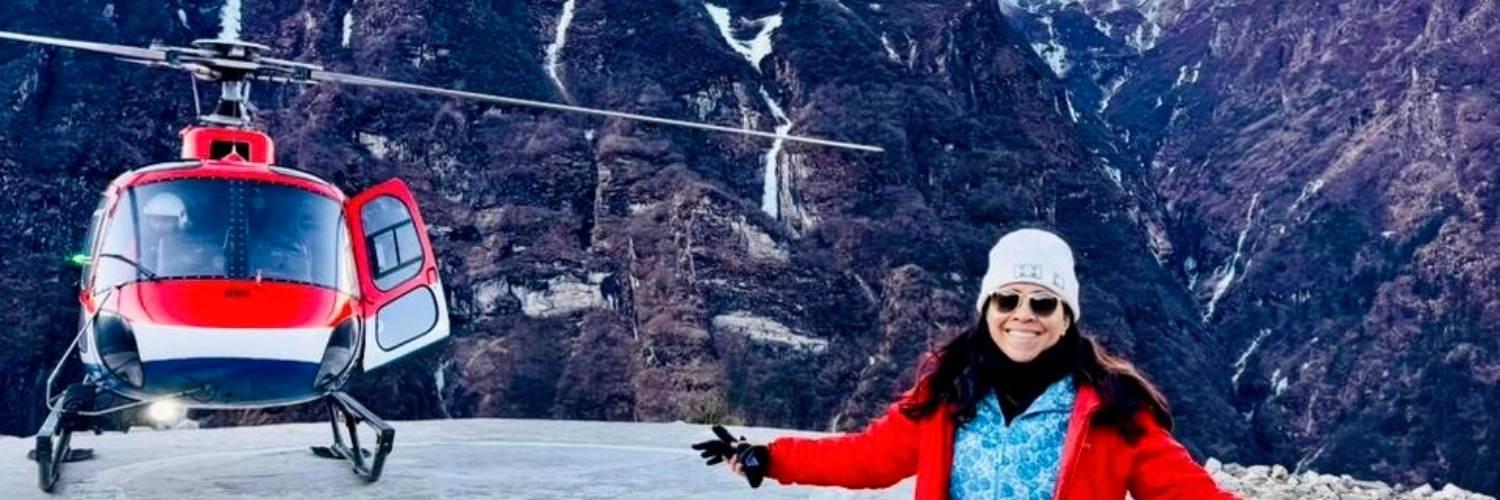
Reaching the "Top of the World" is a dream that sits atop many bucket lists. However, not everyone has the two weeks required to trek through the Khumbu’s demanding terrain. At Best Heritage Tour, we believe the majesty of the Himalayas should be accessible to everyone. The Everest Base Camp (EBC) Helicopter Tour has emerged as the premier luxury alternative, shortening a 12-day grueling trek into a breathtaking 4-hour aerial odyssey.
But when you are flying into the heart of the world’s highest peaks, timing isn't just a detail - it’s everything. To help you plan your Himalayan adventure, we have curated this definitive guide on the best time for EBC Heli Tour and the seasonal nuances you need to know.
Why Timing Matters for your Everest Base Camp Helicopter Tour
Flying a helicopter in the Everest region involves navigating some of the most complex weather systems on Earth. High-altitude aviation depends entirely on visibility, wind speeds, and temperature. Choosing the right window ensures:
-
Crystal Clear Views: You want to see the serrated ridges of Lhotse, Nuptse, and Everest without a shroud of mist.
-
Safe Landings: Landing at Kala Patthar (5,545m) requires stable wind conditions.
-
Uninterrupted Schedules: Flight delays are common in Nepal; picking the right season minimizes the risk of cancellations.
The Golden Seasons: Spring (March to May)
Most seasoned pilots and guides at Best Heritage Tour will agree: Spring is arguably the best time for EBC Heli Tour.
Why Spring?
As the winter snow begins to melt, the Khumbu region wakes up in a riot of color. While you are soaring at 5,000 meters, the valleys below are painted pink and red by blooming Rhododendrons.
-
Weather Stability: The mornings are consistently clear, providing a reliable window for 6:00 AM departures from Kathmandu.
-
The "Climbing Vibe": April and May are the peak climbing months. From your helicopter, you will see the famous "Yellow Tents" of Everest Base Camp, a sight only available during this season.
-
Comfortable Temperatures: While it is always cold at the landing points, the ambient temperature in the helicopter and during your breakfast at Hotel Everest View is pleasant.
Local Insight: If you want to see the Khumbu Icefall at its most active and witness the bustle of international expeditions, May is your month.
The Post-Monsoon Peak: Autumn (September to November)
If Spring is for the "blooms," Autumn is for the "views." After the monsoon rains have washed the dust and haze from the atmosphere, the visibility in the Himalayas becomes razor-sharp.
Why Autumn?
-
High Visibility: This season offers the most "High Definition" views of Mount Everest. The deep blue skies provide a stunning contrast against the white peaks.
-
Low Humidity: The air is dry and crisp, which usually means smoother flights with less turbulence.
-
Festive Spirit: Many of Nepal’s major festivals fall in October, making it a great time to experience the local culture before or after your tour.
September vs. October: Late September can sometimes see lingering monsoon clouds. For the highest success rate, we recommend booking your EBC Heli Tour between October and November.
The Winter Adventure: December to February
Can you do an Everest Helicopter tour in the winter? Absolutely. In fact, for photographers, this might be the secret "best" time.
Why Winter?
-
Deep Blue Skies: Winter high-pressure systems often bring the clearest skies of the year.
-
The "Private" Feel: The Everest region is much quieter. You won’t be sharing the landing spot at Kala Patthar with many other helicopters.
-
Snow-Capped Everything: In Spring, some lower peaks may look rocky. In winter, everything is draped in a thick, pristine blanket of white.
The Challenges: It is biting cold. Wind speeds can also pick up, which might lead to more frequent "no-go" days compared to Spring. However, if the pilot gives the green light, the views are unparalleled.
The Monsoon Gap: June to August
Generally, this is the least favorable time for an EBC Heli Tour. The monsoon brings heavy rain, thick clouds, and unpredictable fog.
-
High Cancellation Rate: Flights are frequently grounded due to poor visibility in Kathmandu or Lukla.
-
Hidden Peaks: Even if the helicopter takes off, the "Big One" might be hiding behind a wall of grey clouds.
However, if you are in Nepal during this time, we suggest keeping a 3-day flexible window. Occasionally, a "monsoon break" occurs where the clouds part for a few hours, offering lush, emerald-green valley views that you won't see in any other season.
Monthly Breakdown for EBC Heli Tour Planning
|
Month |
Visibility |
Temperature |
Success Rate |
|---|---|---|---|
|
Jan - Feb |
Exceptional |
Very Cold |
Moderate (due to wind) |
|
Mar - May |
Excellent |
Moderate |
Very High |
|
Jun - Aug |
Poor |
Warm/Rainy |
Low |
|
Sep - Nov |
Outstanding |
Cool/Crisp |
Highest |
|
Dec |
Sharp/Clear |
Cold |
High |
What to Expect on Your Best Heritage Tour Experience
When you book with Best Heritage Tour, we don't just provide a flight; we provide a curated Himalayan experience. Here is how your morning typically unfolds:
Phase 1: The Kathmandu Departure
Your day starts early. We pick you up from your hotel in Thamel and transfer you to the domestic terminal. As the rotors start spinning, the excitement is palpable.
Phase 2: The Lukla Gateway
The flight to Lukla is a highlight in itself. You'll see the landscape transform from the terraced hills of the mid-lands to the jagged, pine-forested alpine terrain. We stop in Lukla for a brief refueling, giving you a chance to see the world's most famous mountain airstrip.
Phase 3: Flying Over the Khumbu
This is where the EBC Heli Tour truly shines. We fly over:
-
Namche Bazaar: The vibrant Sherpa capital nestled in a horseshoe-shaped bowl.
-
Tengboche Monastery: The spiritual heart of the region.
-
Khumbu Glacier: A massive river of ice that looks like a moonscape from above.
Essential Preparation Tips for Travelers
To ensure your EBC Heli Tour is perfect, keep these professional tips in mind:
-
Dress in Layers: It might be 20°C in Kathmandu, but it will be -5°C at Kala Patthar. Wear a base layer, a fleece, and a down jacket.
-
Sunglasses are Mandatory: The sun reflecting off the Himalayan snow is incredibly bright and can cause snow blindness without protection.
-
Stay Hydrated: High altitude dehydrates the body quickly. Drink plenty of water the night before.
-
The "Buffer Day" Rule: Always book your heli tour for the beginning of your trip to Nepal. If the weather is bad on Day 1, we can easily reschedule you for Day 2 or 3.
Conclusion
The Everest Base Camp Helicopter Tour is more than just a flight; it is a spiritual encounter with the giants of the earth. Whether you choose the rhododendron-filled trails of Spring or the crystal-clear horizons of Autumn, the experience will leave an indelible mark on your soul.
At Best Heritage Tour, we are ready to take you there. Don't let the dream of seeing Everest remain just a dream.
Book Your Adventure Today
Phone / WhatsApp / Viber: +977-9851149197 / +977-9810043046
Email: info@bestheritagetour.com / bestheritagetour@gmail.com
Website: www.bestheritagetour.com
Office: Thamel Marg, Kathmandu, Nepal
Author: Best Heritage Tour
Date: 27th April, 2026