The Everest Base Camp Trek is one of the most iconic high-altitude trekking journeys in Nepal. While the spectacular views of Mount Everest, Ama Dablam, Lhotse, Nuptse, and the surrounding Himalayan peaks are a major attraction, understanding the EBC trek altitude profile is equally important before starting the journey.
The Everest Base Camp route gradually climbs from the lower Khumbu Valley to Everest Base Camp at 5,364 meters (17,598 feet) and then reaches an even higher point at Kala Patthar, which is approximately 5,555 meters (18,208 feet) on the itinerary followed by Best Heritage Tour. Because the elevation increases progressively, proper pacing and acclimatization are essential parts of the trek.
At Best Heritage Tour, we recommend that trekkers understand the Everest Base Camp trek elevation by day before departure. Knowing how high each overnight stop is, where the major altitude gains occur, and where acclimatization days are included can help trekkers prepare physically and mentally for the changing Himalayan environment.
Everest Base Camp Trek Altitude at a Glance
The EBC trek begins around Kathmandu at approximately 1,400 meters and quickly moves into the high-altitude environment after the flight to Lukla. The following table provides the principal elevations along the itinerary.
|
Location |
Altitude in Meters |
Altitude in Feet |
|---|---|---|
|
Kathmandu |
1,400 m |
4,593 ft |
|
Lukla |
2,850 m |
9,350 ft |
|
Phakding |
2,650 m |
8,562 ft |
|
Namche Bazaar |
3,440 m |
11,285 ft |
|
Hotel Everest View |
3,880 m |
12,730 ft |
|
Tengboche |
3,855 m |
12,850 ft |
|
Dingboche |
4,360 m |
14,290 ft |
|
Nangkartshang Peak Viewpoint |
5,083 m |
16,677 ft |
|
Lobuche |
4,930 m |
16,175 ft |
|
Gorak Shep |
5,185 m |
17,010 ft |
|
Everest Base Camp |
5,364 m |
17,598 ft |
|
Kala Patthar |
5,555 m |
18,208 ft |
Altitude figures can vary slightly between maps, GPS readings, trail points, and accommodation locations. The figures above follow the elevations used for this itinerary.
EBC Trek Elevation by Day
Day 1: Kathmandu/Manthali to Lukla and Trek to Phakding
Starting elevation: Kathmandu - 1,400 m (4,593 ft)
Lukla elevation: 2,850 m (9,350 ft)
Overnight elevation: Phakding - 2,650 m (8,562 ft)
The Everest Base Camp trek officially enters the Khumbu region with a flight from Kathmandu or Manthali to Lukla. At 2,850 meters, Lukla is already considerably higher than Kathmandu.
From Lukla, the trail descends gradually toward Phakding at approximately 2,650 meters. Although this is a relatively short trekking day, trekkers are already entering a high-altitude environment. Walking at a comfortable pace and staying hydrated helps the body begin adapting to the elevation.
Day 2: Phakding to Namche Bazaar
Starting elevation: 2,650 m (8,562 ft)
Overnight elevation: Namche Bazaar - 3,440 m (11,285 ft)
Day 2 is an important stage in the EBC trek altitude gain. The trail follows the Dudh Koshi River before gradually climbing toward Namche Bazaar.
Namche is situated at approximately 3,440 meters and represents a significant jump in elevation from Phakding. The final section involves a sustained uphill climb through the forest, followed by the first impressive Himalayan views.
Because the altitude gain is noticeable, trekkers should avoid rushing. Namche is deliberately included as an acclimatization location in the itinerary.
Day 3: Acclimatization Day in Namche Bazaar
Overnight elevation: 3,440 m (11,285 ft)
The third day is dedicated to acclimatization at Namche Bazaar. Rather than simply remaining inactive, trekkers can take a short hike to higher elevations and return to Namche to sleep.
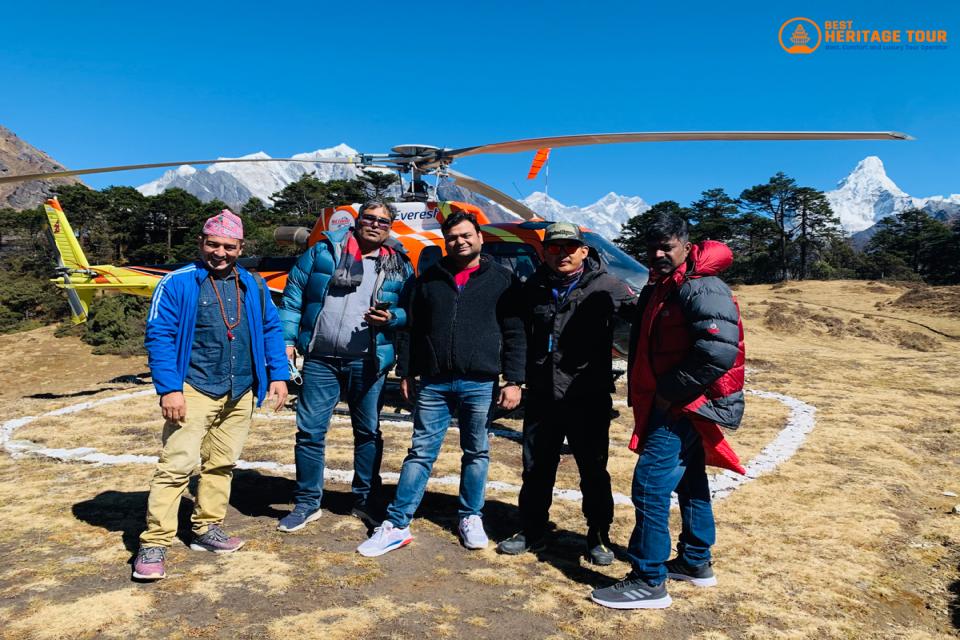
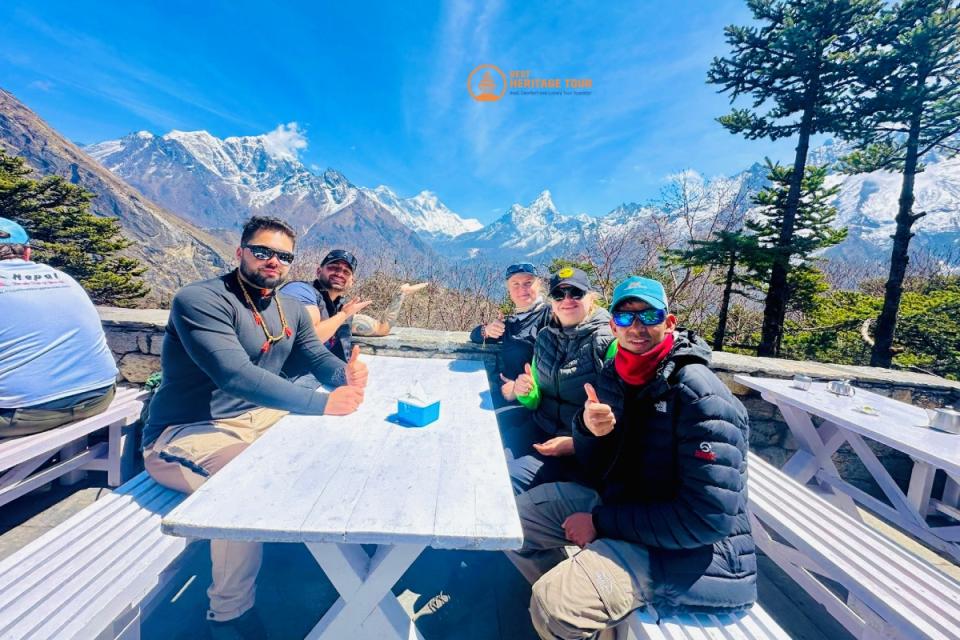
A common acclimatization option is the area around the Hotel Everest View, at approximately 3,880 meters. This allows trekkers to gain additional elevation during the day while returning to sleep at the lower elevation of Namche.
This concept of “climb high, sleep low” is an important part of adapting to altitude during the Everest Base Camp trek.
Day 4: Namche Bazaar to Tengboche
Starting elevation: 3,440 m (11,285 ft)
Overnight elevation: Tengboche - 3,855 m (12,850 ft)
From Namche, the trail continues toward Tengboche. The route offers remarkable views of Everest, Ama Dablam, Thamserku, and other Himalayan peaks.
Tengboche sits at approximately 3,855 meters. The elevation gain from Namche is moderate compared with some of the following trekking days, giving trekkers another opportunity to adjust to the increasingly thin air.
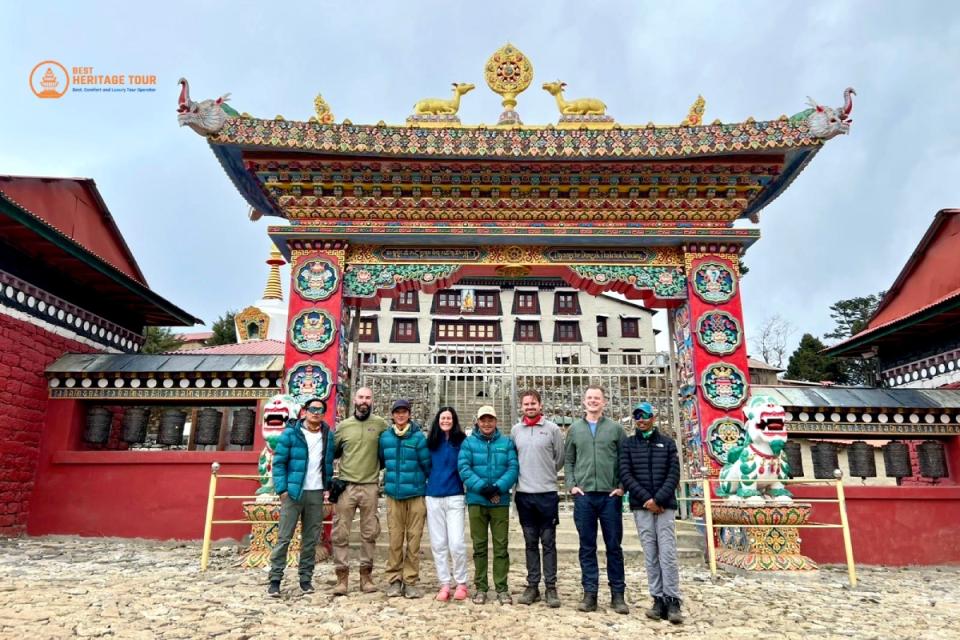
Tengboche is also famous for its historic monastery and panoramic mountain setting, making the altitude gain feel particularly rewarding.
Day 5: Tengboche to Dingboche
Starting elevation: 3,855 m (12,850 ft)
Overnight elevation: Dingboche - 4,360 m (14,290 ft)
The trek from Tengboche to Dingboche marks another major stage in the Everest Base Camp altitude profile. The trail passes through settlements and alpine landscapes before reaching Dingboche at approximately 4,360 meters.
Crossing the 4,000-meter mark is an important milestone. At this elevation, the air contains significantly less oxygen than at sea level, and trekkers may notice that walking uphill requires more effort.
For this reason, maintaining a slow and steady pace becomes increasingly important.
Day 6: Acclimatization Day in Dingboche
Overnight elevation: 4,360 m (14,290 ft)
Dingboche provides another essential EBC trek acclimatization day. Trekkers can take a gradual hike toward higher viewpoints, with Nangkartshang Peak being a popular option.
The viewpoint reaches approximately 5,083 meters (16,677 feet), providing an opportunity for trekkers to experience a higher altitude before returning to Dingboche for the night.
The purpose is not to rush to the highest possible point but to allow the body additional time to adapt before continuing toward Lobuche and Everest Base Camp.
Day 7: Dingboche to Lobuche
Starting elevation: 4,360 m (14,290 ft)
Overnight elevation: Lobuche - 4,930 m (16,175 ft)
The trek from Dingboche to Lobuche brings trekkers deeper into the high Himalayas. The landscape becomes increasingly rugged, dry, and alpine as the trail approaches the Everest Base Camp region.
Lobuche is situated at approximately 4,930 meters. The nearly 600-meter elevation increase makes this a demanding day, particularly because the air is much thinner than at lower elevations.
At this stage of the Everest Base Camp trek elevation profile, proper pacing, hydration, nutrition, and awareness of altitude-related symptoms become increasingly important.
Day 8: Lobuche to Everest Base Camp and Return to Gorak Shep
Starting elevation: 4,930 m (16,175 ft)
Everest Base Camp: 5,364 m (17,598 ft)
Overnight elevation: Gorak Shep - 5,185 m (17,010 ft)
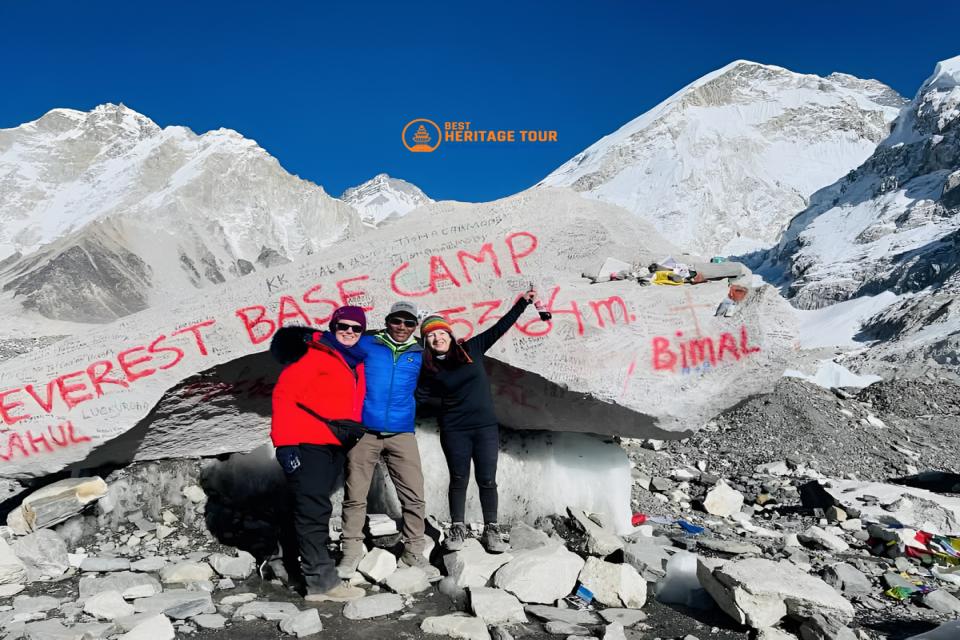
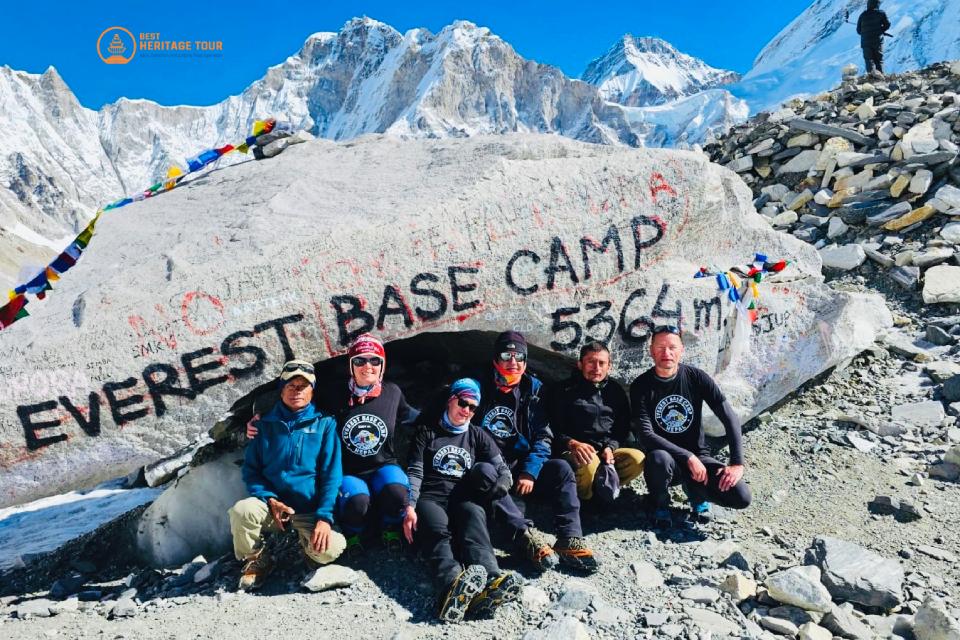
Day 8 is one of the most anticipated days of the trek. The trail continues from Lobuche toward Gorak Shep before proceeding to Everest Base Camp at 5,364 meters.
Reaching EBC means trekkers have climbed more than 3,900 meters from Kathmandu. The environment at this altitude is cold, dry, and oxygen-poor, so walking slowly and conserving energy is particularly important.
After visiting Everest Base Camp, trekkers return to Gorak Shep at approximately 5,185 meters for the night.
Day 9: Kala Patthar and Trek to Pheriche
Kala Patthar: 5,555 m (18,208 ft)
Gorak Shep: 5,185 m (17,010 ft)
Pheriche: 4,250 m (13,945 ft)
Day 9 reaches the highest point of the Everest Base Camp trek itinerary. Trekkers make an early-morning ascent toward Kala Patthar, approximately 5,555 meters above sea level.
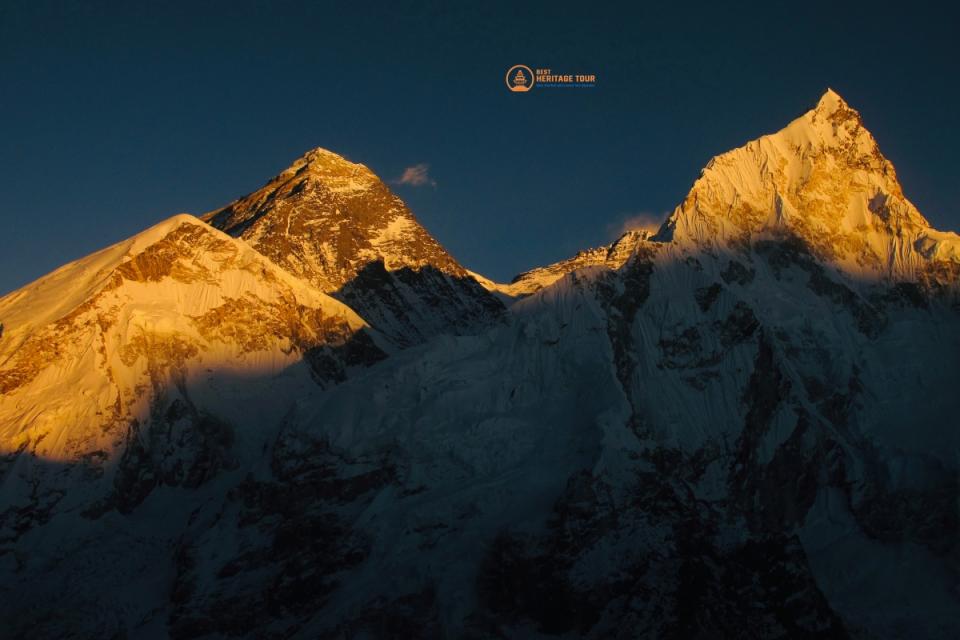
Although Kala Patthar is higher than Everest Base Camp, it is primarily a viewpoint rather than a campsite. From the summit area, trekkers can enjoy exceptional views of Mount Everest and the surrounding Himalayan peaks.
After returning to Gorak Shep, the route continues downhill toward Pheriche at approximately 4,250 meters. Descending to a lower elevation provides welcome relief after spending time above 5,000 meters.
Day 10: Pheriche to Namche Bazaar
Starting elevation: 4,250 m (13,945 ft)
Overnight elevation: 3,440 m (11,285 ft)
The return journey brings a noticeable decrease in elevation. From Pheriche, trekkers retrace sections of the Khumbu trail toward Namche Bazaar.
As the trail descends, the air gradually becomes denser and breathing generally feels easier. The landscape also changes from the stark alpine environment toward greener hills and forested areas.
Day 11: Namche Bazaar to Lukla
Starting elevation: 3,440 m (11,285 ft)
Overnight elevation: 2,850 m (9,350 ft)
The final trekking day follows the trail from Namche Bazaar back toward Lukla. The overall elevation decreases significantly, although the trail contains several uphill and downhill sections.
By reaching Lukla, trekkers have completed the main trekking portion of the Everest Base Camp journey and descended from the highest areas of the Khumbu region.
Day 12: Lukla to Kathmandu/Manthali
Lukla elevation: 2,850 m (9,350 ft)
The final day involves the return flight from Lukla to Kathmandu or Manthali. After spending days at high elevations, returning to Kathmandu brings trekkers back to approximately 1,400 meters.
Where Is the Highest Altitude on the EBC Trek?
The highest point on this itinerary is Kala Patthar at approximately 5,555 meters (18,208 feet). Everest Base Camp itself is lower, at approximately 5,364 meters (17,598 feet).
This distinction is important for trekkers planning the journey. Reaching Everest Base Camp is the primary trekking objective, but Kala Patthar provides the highest elevation and is one of the most renowned viewpoints in the Everest region.
How Quickly Does the EBC Trek Gain Altitude?
The Everest Base Camp trek is designed around gradual elevation gain rather than climbing rapidly to the highest point. The itinerary includes acclimatization days at Namche Bazaar and Dingboche, allowing trekkers additional time to adjust before continuing higher.
The most significant altitude stages are:
-
Lukla to Namche: entering the high-altitude zone.
-
Namche to Dingboche: progressively crossing 4,000 meters.
-
Dingboche to Lobuche: approaching 5,000 meters.
-
Lobuche to EBC: reaching 5,364 meters.
-
Gorak Shep to Kala Patthar: reaching the trek's highest point at approximately 5,555 meters.
Altitude and Acclimatization on the Everest Base Camp Trek
Altitude affects everyone differently, and previous trekking experience does not guarantee immunity from altitude-related problems. The key is to respect the elevation and listen to the body throughout the journey.
Best Heritage Tour encourages trekkers to maintain a comfortable pace, drink sufficient fluids, eat properly, get adequate rest, and communicate with the trekking team if they experience unusual symptoms.
Common altitude-related symptoms can include headache, tiredness, dizziness, reduced appetite, and difficulty sleeping. Severe or worsening symptoms should never be ignored, and descending to a lower elevation may be necessary.
Why Understanding the EBC Altitude Profile Matters
Knowing the Everest Base Camp trek elevation by day helps trekkers understand why the journey becomes progressively more demanding. The challenge is not simply the distance covered each day; the decreasing oxygen availability at higher elevations is a major part of the experience.
A clear altitude profile also helps trekkers prepare appropriate clothing, hydration strategies, physical conditioning, and expectations for each stage of the journey.
For travelers planning their first high-altitude trek in Nepal, understanding the elevation before departure can make the journey more comfortable, organized, and enjoyable.
Conclusion
The EBC Trek altitude profile rises from approximately 1,400 meters in Kathmandu to 5,364 meters at Everest Base Camp and reaches its highest point at around 5,555 meters at Kala Patthar. The journey is carefully structured with gradual elevation gain and acclimatization days in Namche Bazaar and Dingboche.
Understanding the Everest Base Camp altitude by day, preparing for high-altitude conditions, and maintaining a steady pace are essential for a safe and enjoyable trekking experience. With proper preparation and responsible acclimatization, trekkers can focus on the incredible landscapes, Sherpa culture, monasteries, mountain villages, and spectacular Himalayan scenery that make the Everest region so special.
Best Heritage Tour organizes the Everest Base Camp Trek with careful attention to itinerary planning, acclimatization, transportation, accommodation, and trekking support. For further information, itinerary details, booking assistance, or preparation guidance, contact Best Heritage Tour using the company contact details provided below.
Phone / WhatsApp / Viber: +977-9851149197 / +977-9810043046
Email: info@bestheritagetour.com / bestheritagetour@gmail.com
Website: www.bestheritagetour.com
Office: Thamel Marg, Kathmandu, Nepal
Author: Best Heritage Tour
Date: 25th September, 2026