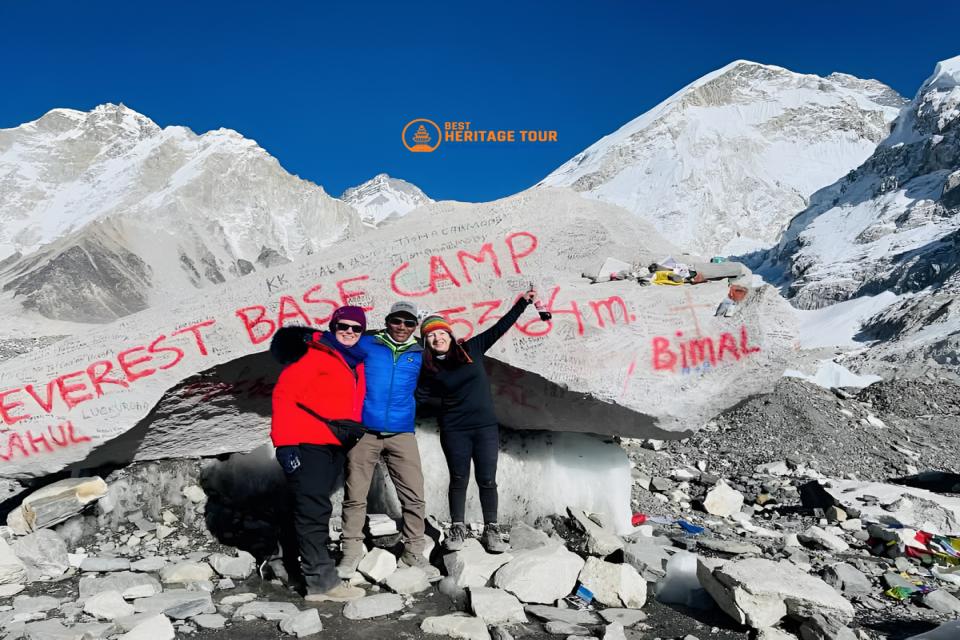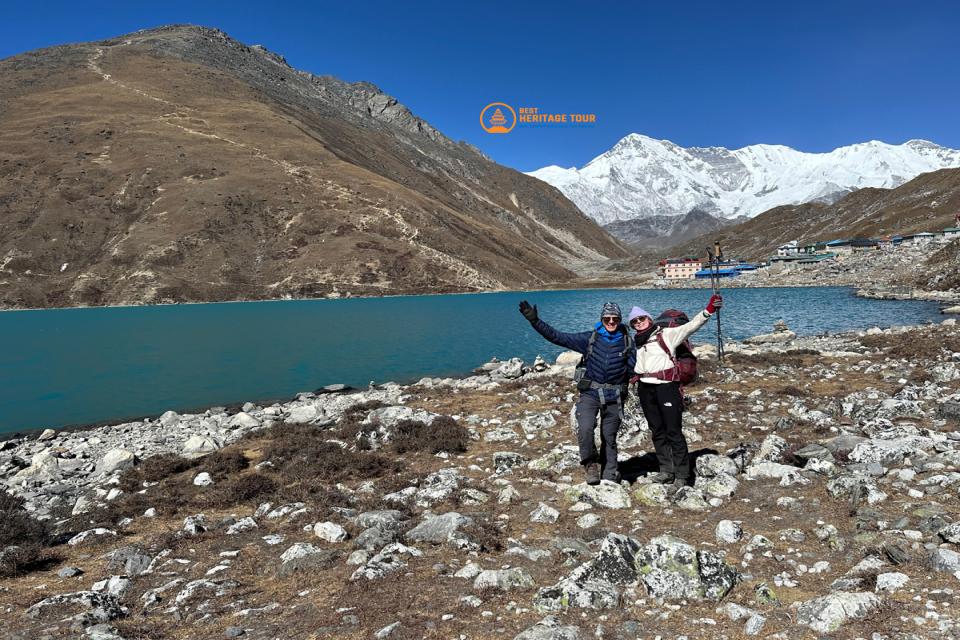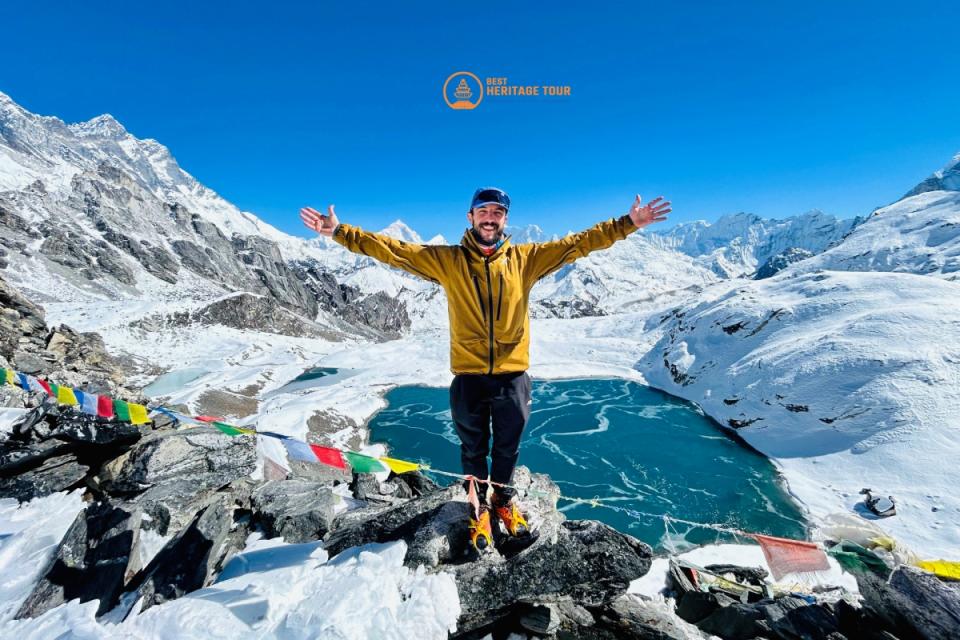
Standing face-to-face with the mighty Mount Everest is a lifelong dream for travelers, adventure seekers, and pilgrims around the globe. However, the traditional 130-kilometer round-trip foot trek across demanding Himalayan terrain can feel daunting - especially for senior trekkers, beginners, or those with physical limitations.
Fortunately, foot travel is no longer the only way to experience the high Khumbu region. Exploring Everest Base Camp by horse vs. trekking has become a popular debate for travelers seeking the best way to reach an altitude of 5,364 meters (17,598 feet). At Best Heritage Tour, we have guided thousands of international guests through the Khumbu Valley - both on foot and in the saddle.
This comprehensive guide compares EBC trek vs. EBC horse ride across physical demands, safety, acclimatization, cost, cultural experience, and overall comfort to help you decide which journey fits your travel style.
Quick Comparison: Horse Ride vs. Foot Trekking
|
Factor |
Everest Base Camp by Horse |
Standard EBC Foot Trek |
|---|---|---|
|
Physical Effort |
Low to Moderate (Relieves joint strain and leg fatigue) |
High (Requires 5-7 hours of steep uphill hiking daily) |
|
Pace & Speed |
Steady, consistent pace set by trained local handlers |
Moderate, dictated by individual walking speed |
|
Acclimatization Risk |
Moderate to High (Requires disciplined acclimatization stops) |
Standard (Natural physical exertion helps monitor fatigue) |
|
Best Suited For |
Senior trekkers, families, individuals with joint/cardio issues |
Active travelers, fitness enthusiasts, seasoned hikers |
|
Trail Accessibility |
Trail-dependent (Horse riding is limited on steep, rocky descents) |
100% accessible across all trail types and suspension bridges |
|
Average Cost Range |
$2,200 - $3,900 USD per person |
$1,200 - $2,200 USD per person |
What is the Everest Base Camp Horse Riding Experience?
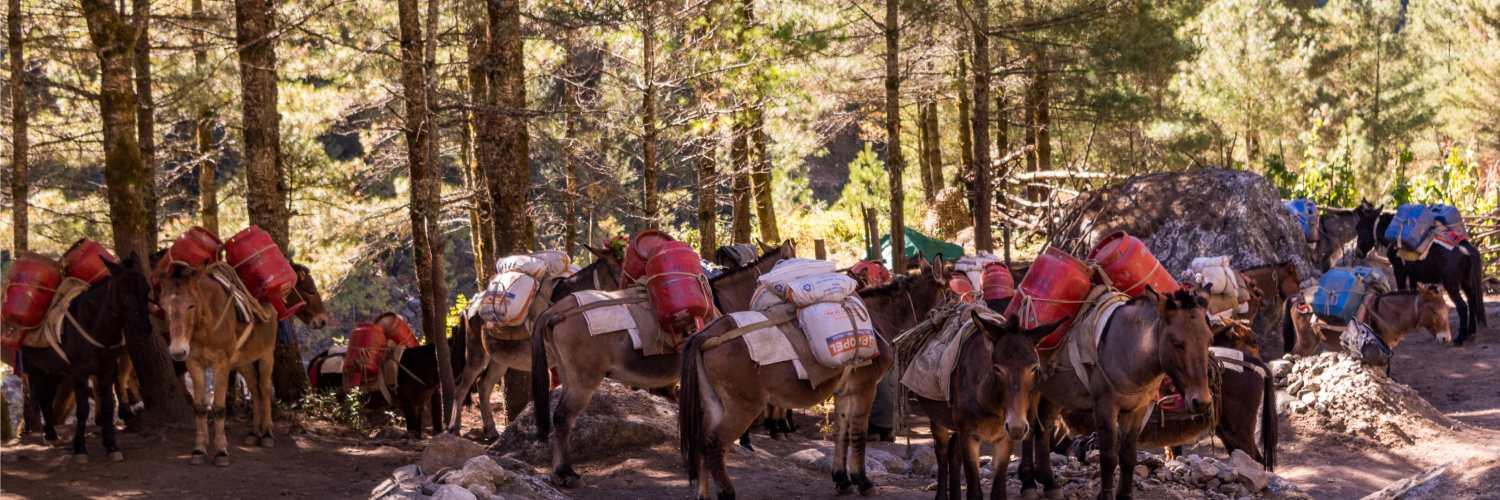
Horseback riding in the Khumbu region relies on strong Tibetan mountain ponies and local horses bred specifically for high-altitude environments. Managed by expert local Sherpa handlers, these horses are sure-footed, calm, and well-adapted to navigating thin air and narrow trails.
How the Journey Works
Rather than riding continuously from Lukla to Base Camp, a horseback journey is a hybrid experience. You ride along flat and steadily uphill stretches - such as the paths between Phakding, Namche Bazaar, and Dingboche - while dismounting to walk across narrow suspension bridges, steep downward slopes, and hazardous moraine sections where riding is unsafe.
Safety Insight from Our Local Guides: Altitude affects horses just as it affects humans. Responsible operators ensure that horses are never overworked, limit riding hours per day, and do not ride on steep descents to prevent joint injuries to both the animal and the rider.
EBC Trek vs. Horse ride: Detailed Head-to-Head Comparison
1. Physical Strain and Comfort
-
Trekking on Foot: Demands months of cardiovascular preparation. Trekkers hike 5 to 8 hours daily over rugged, uneven terrain, placing significant strain on the knees, ankles, and lower back.
-
Riding on Horseback: Reduces physical fatigue by up to 70%. It allows senior travelers, guests with past knee injuries, or those lacking high-altitude stamina to enjoy the scenery without physical exhaustion. However, horseback riding still requires core stability, balance, and post-ride flexibility.
2. High-Altitude Acclimatization and Safety
A common misconception is that riding a horse eliminates Acute Mountain Sickness (AMS).
-
Altitude Gain is Identical: Whether riding or walking, your body ascends to the same elevation.
-
The Exertion Factor: While walking helps trekkers gauge physical stress, horse riders may feel physically comfortable even as air pressure drops.
-
Our Solution at Best Heritage Tour: We design horse-riding itineraries with identical acclimatization rest days in Namche Bazaar (3,440 m) and Dingboche (4,410 m) as foot treks. This ensures your body adapts naturally to high altitudes regardless of your mode of transport.
3. Trail Terrain and Technical Limits
The trail to Everest Base Camp features varied terrain, including paved stone steps, dirt paths, suspension bridges, and icy glacial moraine.
-
Foot Trekkers: Can navigate every section of the trail, including steep drop-offs, boulder fields, and narrow ridges.
-
Horse Riders: Must dismount during high-risk sections. For example, horses do not carry riders across high suspension bridges or down steep rocky descents. Riders should be prepared to walk brief sections alongside their guide and horse handler.
4. Cultural Connection and Trail Interaction
-
Foot Trekking: Encourages a slow pace, allowing you to converse with fellow trekkers, pause at Mani walls, and visit local monasteries at your own speed.
-
Horse Riding: Connects you to an ancient Himalayan tradition. For centuries, mountain horses and yak caravans were the primary trade links across the Khumbu Valley. Riding with a local horse handler provides insight into Sherpa culture and traditional high-altitude living.
Cost Analysis: EBC by Horse Ride vs. Foot Trek
Understanding the financial commitment helps in choosing the right option for your budget. Below is a detailed breakdown comparing the cost of EBC by horse ride with the cost of EBC by trek.
Cost Breakdown Table
|
Expense Category |
Standard EBC Trek (Foot) |
EBC Horse Riding Tour |
|---|---|---|
|
Agency Package (12-14 Days) |
$1,200 - $1,800 USD |
$2,200 - $3,500 USD |
|
Horse & Handler Daily Rental |
N/A |
$150 - $300 USD per day |
|
Permits (Sagarmatha & Khumbu) |
~$50 USD total |
~$50 USD total |
|
Helicopter Return Option |
Optional (+$350 - $500 USD) |
Often included or optional |
|
Guide & Porter Support |
Included in standard packages |
Included (Plus dedicated horse wrangler) |
|
Total Estimated Investment |
$1,250 - $2,200 USD |
$2,450 - $3,900 USD |
Why is the Horse Riding Tour More Expensive?
The cost of EBC by horse ride is higher due to logistical factors:
-
Animal Care & Maintenance: Hiring a horse includes the daily fee for a dedicated local horse handler (Horseman), feed, gear, and insurance for the handler.
-
Specialized Logistics: Horses are booked for the entire duration or specific legs of the route, requiring specialized coordination between local communities.
-
Hybrid Services: Packages often incorporate premium teahouse accommodations and optional helicopter returns from Gorak Shep or Pheriche to lower the physical burden on both rider and horse.
Which Option Should You Choose?
Choose Everest Base Camp by Horse if:
-
You are a senior traveler or trekker with limited joint mobility or reduced endurance.
-
You have previous injuries (e.g., knee, hip, or ankle concerns) that make prolonged downhill hiking painful.
-
You want to complete the historic trail to Base Camp with reduced physical exertion.
-
You are traveling as a family with young teenagers or older relatives who require extra support on the trail.
Choose Traditional Foot Trekking if:
-
You are physically fit and actively seek the challenge of hiking the Himalayas on foot.
-
You want full flexibility to move across all technical, rocky, and steep terrain without dismounting.
-
You are traveling on a strict budget and want to keep total costs under $2,000 USD.
Conclusion
Choosing between Everest Base Camp by horse vs. trekking comes down to your physical preferences, budget, and travel goals. Foot trekking provides a classic physical challenge, while a horseback journey offers an accessible way for travelers of all ages and fitness levels to experience the Himalayas.
Ready to plan your trip to the Himalayas? Let our local experts design a customized journey tailored to your schedule and comfort level.
Plan Your Everest Journey with Best Heritage Tour
Phone / WhatsApp / Viber: +977-9851149197 / +977-9810043046
Email: info@bestheritagetour.com / bestheritagetour@gmail.com
Website: www.bestheritagetour.com
Office: Thamel Marg, Kathmandu, Nepal
Frequently Asked Questions (FAQs)
Can beginners ride a horse to Everest Base Camp without prior riding experience?
Yes. The Tibetan mountain ponies used on the trail are steady, gentle, and walk at a calm, controlled pace. A local horse handler accompanies you on foot at all times to hold the lead rope and guide the horse through tricky sections.
Can you ride the horse all the way into Everest Base Camp?
Horses can carry riders up to Gorak Shep and across flat sections toward Everest Base Camp. However, the final push onto the Khumbu Glacier involves loose ice, boulders, and steep moraine paths where all riders must walk for safety.
Do I still need travel insurance if I travel by horse to EBC?
Yes. Standard travel insurance is mandatory for high-altitude activities in Nepal. Ensure your policy explicitly covers high-altitude trekking/riding up to 5,500 meters and emergency helicopter evacuation.
Is horseback riding available for the return journey from EBC to Lukla?
Yes, you can ride horseback on the return trip. Alternatively, many guests choose a popular hybrid option: riding a horse up to Base Camp and taking a scenic helicopter flight back to Lukla or Kathmandu.
Author: Best Heritage Tour
Date: 27th July, 2026