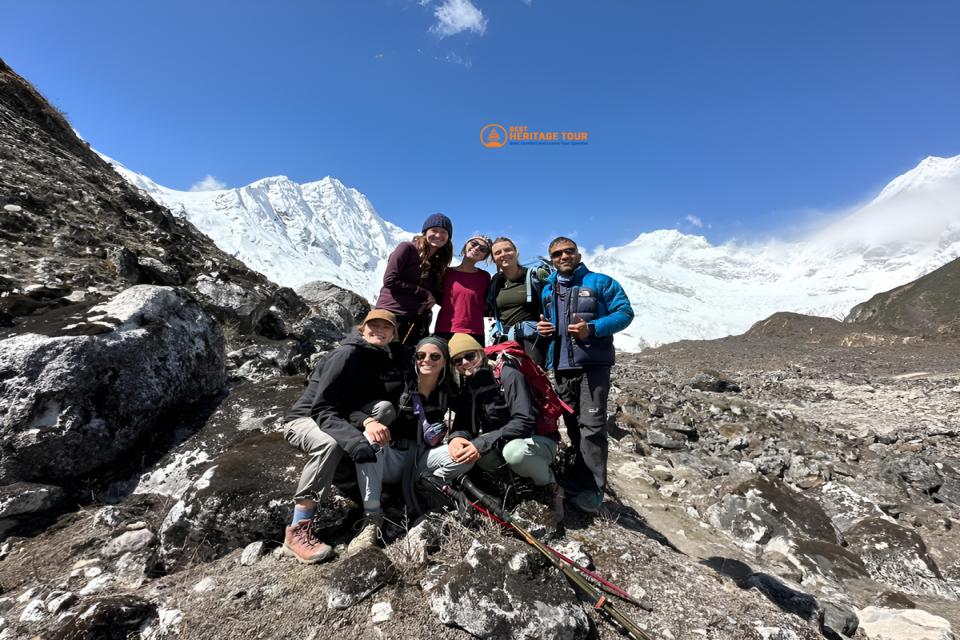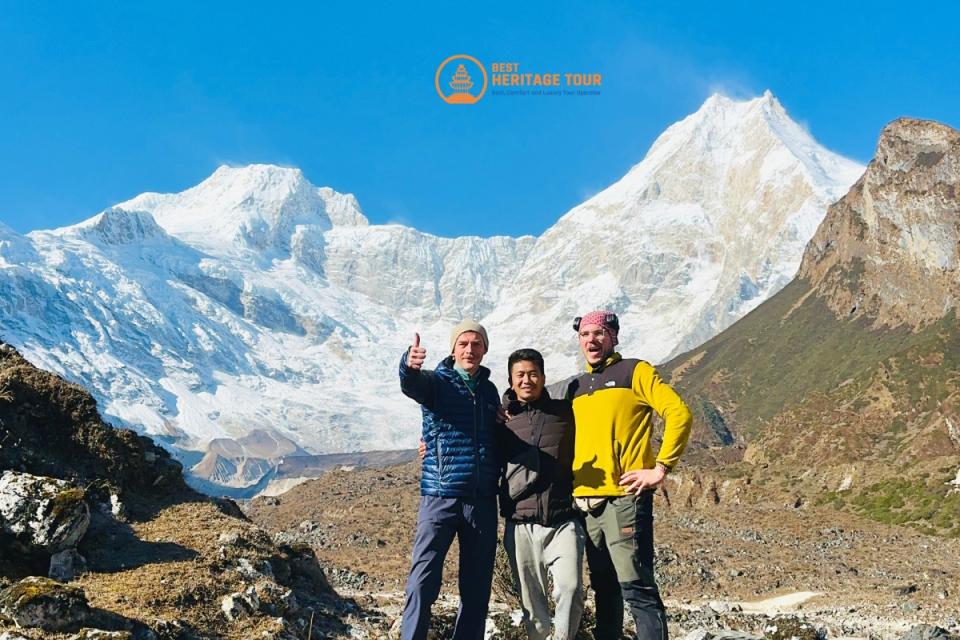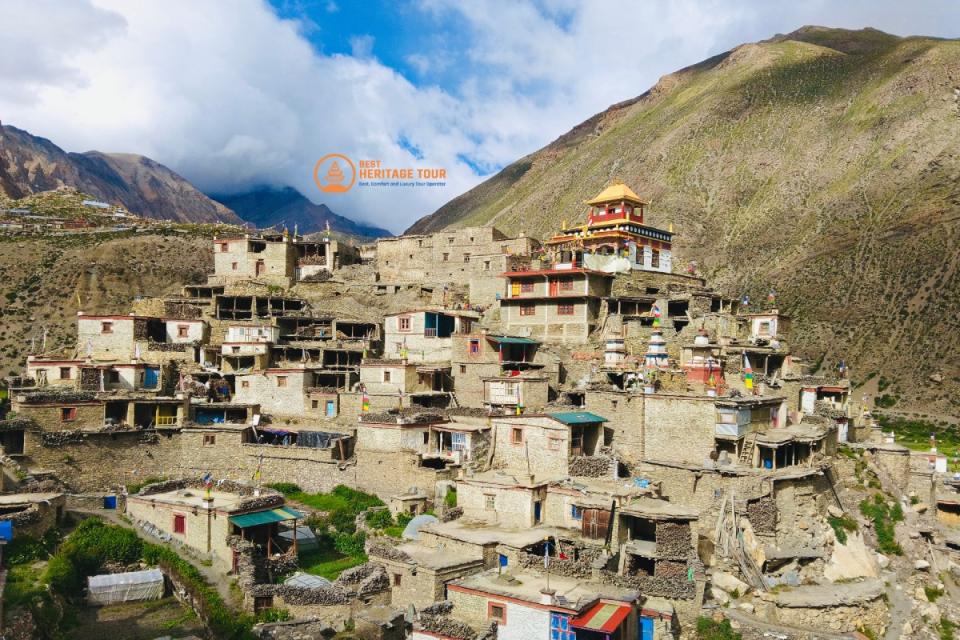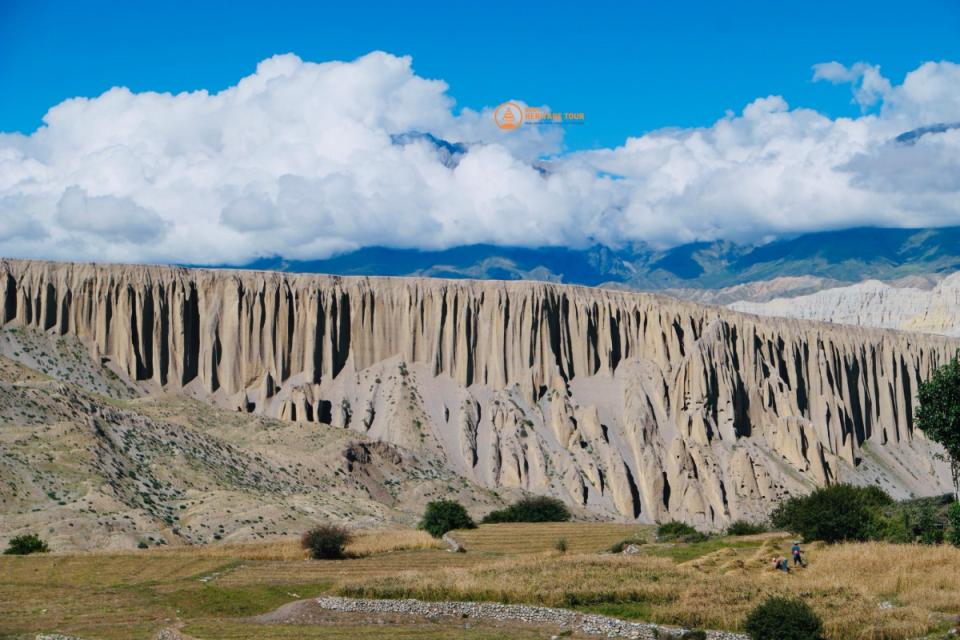
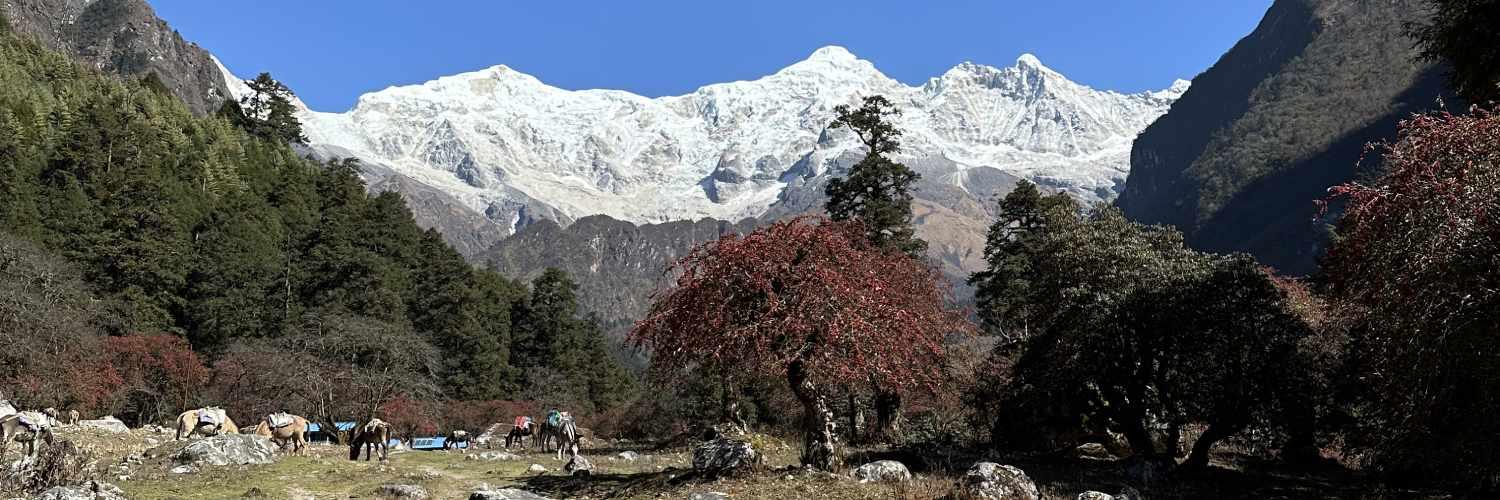
Trekking around the Eighth Highest Mountain in the world - Mount Manaslu (8,163m) - is one of the most rewarding high-altitude adventures in the Himalayas. The restricted trail winds through lush pine forests, dramatic river gorges, authentic Tibetan-influenced villages, and culminates at the formidable Larkya La Pass (5,106m). However, navigating an off-the-beaten-path teahouse trek requires practical preparation. One fundamental operational detail that travelers frequently ask us about is hydration logistics: What is the cost of drinking water on Manaslu Trek?
At Best Heritage Tour, our local guide teams have led hundreds of international mountain enthusiasts across the Manaslu Conservation Area. Proper hydration is not merely a matter of comfort; it is a critical physiological defense against Acute Mountain Sickness (AMS). At elevations above 3,000 meters, your body loses fluid rapidly through accelerated respiration and cold, dry alpine air.
In this comprehensive guide, we break down the cost of drinking water on Manaslu Trek, comparing boiled hot water against single-use plastic bottled water across every major stop along the trail. We also share expert local strategies to keep your trek budget-friendly, sustainable, and safe.
How Much Does Boiled Drinking Water Cost on the Manaslu Circuit Trek?
Boiled water is provided in virtually every teahouse along the circuit. In the high Himalayas, boiled water is widely recognized as the safest and most reliable hydration choice for international trekkers. Boiling kills waterborne parasites, bacteria, and protozoa (such as Giardia and Cryptosporidium) that cold water filters or simple chemical tablets might occasionally miss.
The cost of hot drinking water on Manaslu Trek is usually priced per cup (approx. 250 ml) or per pot/liter. Below is a detailed breakdown of approximate boiled water costs per 250 ml cup at key stops along the itinerary:
Breakdown of Boiled Drinking Water Costs by Location
|
Trekking Stop / Location |
Elevation (Approx.) |
Cost of Boiled Water |
|---|---|---|
|
Machhakhola |
860 m |
Rs 80-100 |
|
Jagat |
1,340 m |
Rs 100 |
|
Deng |
1,860 m |
Rs 100-120 |
|
Namrung |
2,630 m |
Rs 120-150 |
|
Lho Gaon |
3,180 m |
Rs 150 |
|
Samagaon |
3,530 m |
Rs 150-200 |
|
Samdo |
3,860 m |
Rs 200-250 |
|
Dharmasala |
4,460 m |
Rs 250-300 |
|
Bhimthang |
3,720 m |
Rs 150-200 |
|
Goa |
2,515 m |
Rs 80-100 |
Advantages of Choosing Boiled Water
-
Maximum Safety: Water boiled thoroughly at high altitude provides total protection against waterborne gastrointestinal illnesses.
-
Thermal Support & Body Heat: Drinking hot water or piping-hot herbal tea helps maintain your core body temperature in cold rooms and during freezing morning starts.
-
Nalgene Warming Trick: Fill your insulated, heat-resistant Nalgene water bottle with boiling water right before bed. Place it inside your sleeping bag near your feet for all-night warmth, then drink the clean, warm water in the morning!
How Much Does Bottled Mineral Water Cost on the Manaslu Circuit Trek?
Sealed bottled water is stocked at most lodges and trailside shops across the route. However, purchasing bottled water is both financially expensive and environmentally detrimental to the fragile Himalayan biome.
The cost of bottled drinking water in Manaslu Trek climbs drastically as elevation increases:
Breakdown of Bottled Water Costs by Location
|
Trekking Stop / Location |
Elevation (Approx.) |
Cost of Bottled Mineral Water (Approx. per bottle) |
|---|---|---|
|
Machhakhola |
860 m |
Rs 100-150 |
|
Jagat |
1,340 m |
Rs 120-150 |
|
Deng |
1,860 m |
Rs 150 |
|
Namrung |
2,630 m |
Rs 150-200 |
|
Lho Gaon |
3,180 m |
Rs 150-200 |
|
Samagaon |
3,530 m |
Rs 150-200 |
|
Samdo |
3,860 m |
Rs 200-250 |
|
Dharmasala |
4,460 m |
Rs 300-350 |
|
Bhimthang |
3,720 m |
Rs 150-200 |
|
Goa |
2,515 m |
Rs 100-150 |
Why We Discourage Bottled Water on Manaslu Circuit Trek
While convenient, relying on single-use plastic bottles presents two major drawbacks:
-
Environmental Impact: Remote mountain settlements lack modern waste treatment plants or recycling facilities. Plastic bottles purchased by thousands of trekkers end up burned in open pits - releasing toxic fumes - or discarded along riverbanks and mountain slopes.
-
Compounding Costs: A trekker consuming 3 to 4 liters of bottled water daily can easily spend NPR 1,000 to NPR 1,400 per day on water alone at higher stops like Samdo and Dharmasala. Over a 12-to-14-day itinerary, that totals NPR 12,000 to NPR 18,000 ($90-$140 USD) strictly on plastic water bottles.
Alternative Water Purification Methods: Budget & Eco-Friendly Solutions
To practice responsible tourism and significantly reduce personal daily expenses, we strongly recommend bringing reusable water bottles and personal purification tools. Clean tap water or natural spring water is freely available at public water taps and teahouses throughout the trail. However, never drink untreated tap or stream water directly without purification.
1. Water Purification Tablets (Aquatabs / Iodine / Chlorine Dioxide)
Chemical purification tablets represent the lightest and most cost-effective option. A single pack of tablets purchased in Kathmandu (Thamel) costs between NPR 300 and NPR 800.
-
How It Works: Fill your bottle from a tap or teahouse water point, drop in the recommended dose (typically 1 tablet per liter), and wait 30 minutes before drinking.
-
Pros: Extremely lightweight, pocket-sized, virtually zero cost per liter.
-
Cons: Chemical taste (which can be easily neutralized using electrolyte mix packets or hydration powder).
2. Squeeze Filters & Straw Purifiers (Sawyer Squeeze, LifeStraw, Katadyn BeFree)
Hollow-fiber membrane micro-filters are hugely popular among international hikers.
-
How It Works: You scoop water directly from clean tap sources into a flexible pouch and squeeze it through a 0.1-micron filter into your drink bottle.
-
Pros: Instant clean drinking water with zero chemical taste. Eliminates 99.999% of bacteria, protozoa, and microplastics.
-
Cons: Must be protected from freezing. In freezing temperatures (such as night conditions in Samdo or Dharmasala), water trapped inside the filter membrane can freeze, expand, and permanently rupture the internal fibers. Keep your filter inside your sleeping bag at night!
3. UV Light Sterilizers (SteriPEN)
UV light purifiers use ultraviolet C rays to destroy the DNA of bacteria, viruses, and protozoa within 60 to 90 seconds per liter.
-
How It Works: Submerge the lamp into clear water and stir until the light indicator signals completion.
-
Pros: Quick, highly effective, no added taste.
-
Cons: Requires clear water (does not filter sediment/mud) and relies on rechargeable lithium batteries that drain quickly in sub-zero alpine conditions. Always carry a backup power bank or chemical tablets.
Essential Hydration Strategies for High Altitude
Hydration directly impacts your physical endurance and acclimatization success on high-altitude passes like Larkya La (5,106m).
1. How Much Water Should You Drink Daily?
At sea level, 2 liters per day is typically adequate. However, on the Manaslu Circuit, you should aim for 3.5 to 5 liters of fluid per day. Hyperventilation in dry mountain air causes significant moisture loss simply through breathing. Proper fluid volume keeps your blood viscous enough to deliver oxygen efficiently throughout your body.
2. Combine Plain Water with Hot Soups and Teas
Drinking 4 liters of plain, cold water on freezing trekking days can be challenging. Supplement your water intake during meal stops with garlic soup (a traditional Himalayan favorite for acclimatization), ginger lemon honey tea, or hot lemon drinks.
3. Add Electrolytes
Profuse sweating combined with high water intake can flush out essential electrolytes (sodium, potassium, magnesium). Adding electrolyte powder to one of your daily water bottles restores balance, prevents muscle cramps, and helps your body retain fluids more effectively.
Conclusion
Proper hydration is the single most important factor for a safe, comfortable, and successful crossing of the Larkya La Pass on the Manaslu Circuit Trek. While the cost of drinking water on Manaslu Trek inevitably rises with altitude - reaching up to NPR 250-300 per cup for boiled water and NPR 300-350 for bottled water at high camps like Dharmasala - planning ahead keeps your expenses manageable.
By choosing teahouse-boiled water or carrying personal purification systems, you not only reduce your daily trekking budget down to a fraction of the cost but also actively protect the fragile ecosystems of the Manaslu Conservation Area from plastic waste.
Ready to Trek the Manaslu Circuit with Best Heritage Tour?
Let our team of experienced local guides and travel strategists handle every detail of your Himalayan adventure - from restricted area permits (MCAP, ACAP, and RAP) and teahouse bookings to seamless transport logistics.
Phone / WhatsApp / Viber: +977-9851149197 / +977-9810043046
Email: info@bestheritagetour.com / bestheritagetour@gmail.com
Website: www.bestheritagetour.com
Office: Thamel Marg, Kathmandu, Nepal
Frequently Asked Questions (FAQ)
What is the cost of drinking water on Manaslu Trek on average?
On average, boiled water costs NPR 80 to 150 per cup in the lower trail sections and reaches NPR 250 to 300 per cup at high camps like Dharmasala. Single-use bottled mineral water ranges from NPR 100 in lower villages up to NPR 350 per bottle near the pass.
Is tap water safe to drink directly on the Manaslu Circuit Trek?
No, tap or natural spring water along the trail should never be consumed untreated. Always boil it or use water purification tablets, micro-filters, or UV devices before drinking to prevent waterborne illnesses.
Can I buy water purification tablets in Kathmandu before the trek?
Yes, water purification tablets (such as chlorine dioxide or Aquatabs) are widely available in Thamel, Kathmandu, as well as in Pokhara. A full pack costs around NPR 300 to 800, which is enough for an entire fortnight trek.
How much cash should I carry specifically for drinking water on the trek?
If you rely primarily on teahouse boiled water, set aside approximately NPR 500 to NPR 900 per day for hydration. If you use tap water treated with personal purification tablets or filters, your water expenditure will be virtually NPR 0 along the trail.
Does water freeze in bottles during the Larkya La Pass crossing?
Yes, overnight and morning temperatures at Dharmasala (4,460m) and Larkya La Pass (5,106m) frequently drop below freezing. Standard plastic hydration bladders and hose nozzles will freeze easily. We recommend wide-mouth Nalgene bottles kept in insulated thermal sleeves.
Author: Best Heritage Tour
Date: 2nd August, 2026