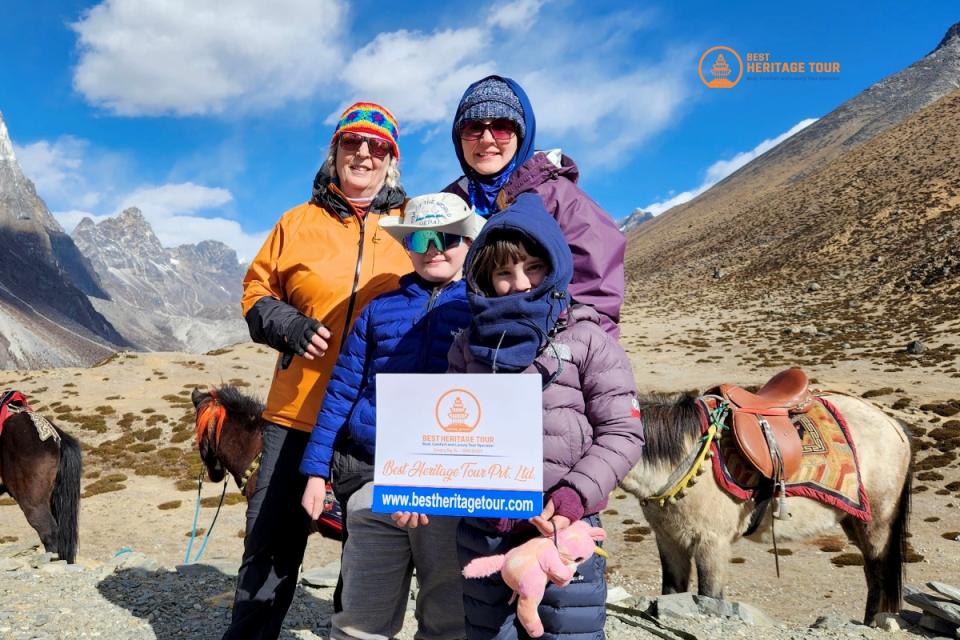
Renting a horse during the Everest Base Camp (EBC) trek offers a practical solution for travelers facing altitude fatigue, physical limitations, or steep trail sections. Strong, sure-footed Himalayan ponies (Tibetan Ponies) navigate these high-altitude paths alongside human guides.
Whether you need a horse for a single challenging incline or plan to ride across key stages of the Khumbu region, understanding the costs, logistics, altitude risks, and safety standards ensures a smooth and well-managed journey.
Can You Hire a Horse for the EBC Trek?
Yes, you can hire a horse for the Everest Base Camp trek. Local horse handlers (horsemen) offer riding options along the entire trail from Lukla (2,860m / 9,383ft) up to Gorak Shep (5,164m / 16,942ft).
Critical Altitude Warning: A horse physically transports you up the mountain, but it does not acclimatize your body. Your lungs and blood vessels experience the same atmospheric pressure drops as a hiker. You are still at equal risk of Acute Mountain Sickness (AMS), HAPE, and HACE. Riding a horse allows you to gain elevation faster, which can actually increase altitude risk if proper acclimatization days are skipped.
Essential Rules & Restrictions
-
No Horse Riding on Downhill Slopes: For safety, handlers require riders to walk down all steep downhill sections. A horse’s center of gravity shifts forward on descents, creating a slip hazard on loose rock and icy trails.
-
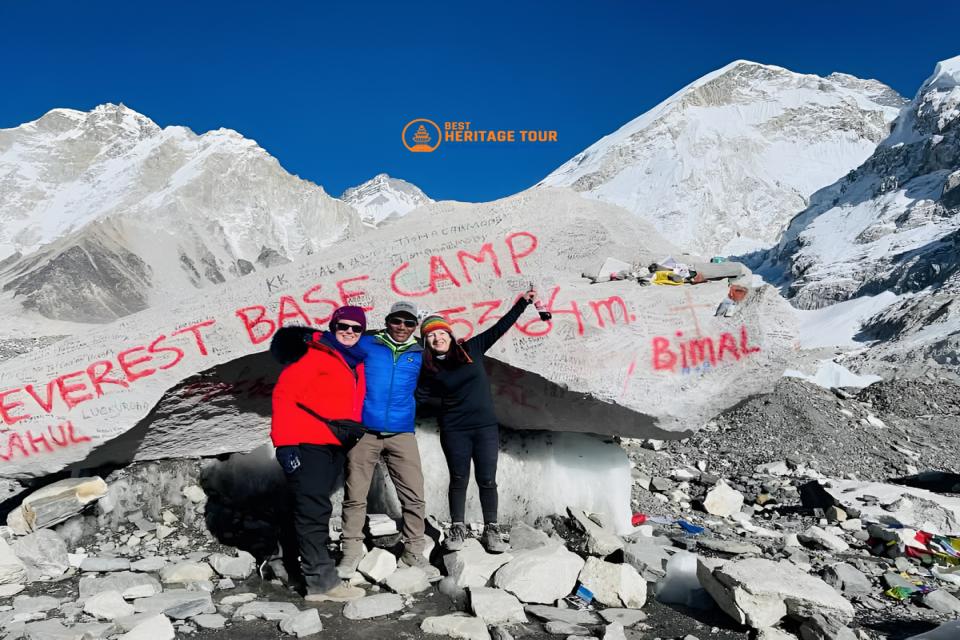
Kala Patthar & EBC Moraine Constraints: Horses are restricted on the steep, loose scree of Kala Patthar (5,545m) and the uneven glacial ice moraine leading directly into Everest Base Camp. They typically drop riders at Gorak Shep or the edge of the glacial moraine.
-
One Horse, One Rider: Horses are paired with an experienced local handler who leads the animal on foot using a lead rope. Double-riding is not permitted.
Place-by-Place Horse Ride Costs on the EBC Trek
Horse rental fees in the Khumbu region are structured per leg or per day. Prices increase at higher elevations due to the scarcity of horse feed, demanding terrain, and remote logistics.
All rates listed below include the horse, the dedicated horse handler, and the animal’s food and board along the route.
Comprehensive Leg-by-Leg Price Breakdown
|
Route Leg |
Altitude Range |
Approx. Distance |
Approximate Cost (USD) |
|---|---|---|---|
|
Phakding → Namche Bazaar |
2,610m - 3,440m |
~10.5 km / 6.5 mi |
$230 - $290 |
|
Namche Bazaar → Hotel Everest View |
3,440m - 3,880m |
~3.5 km / 2.1 mi |
$120 - $150 |
|
Dingboche → Lobuche |
4,410m - 4,940m |
~7.9 km / 4.9 mi |
$130 - $170 |
|
Lobuche → Gorak Shep |
4,940m - 5,164m |
~4.5 km / 2.8 mi |
$130 - $170 |
|
Gorak Shep → Everest Base Camp (Moraine Edge) |
5,164m - 5,364m |
~3.5 km / 2.1 mi |
$130 - $170 |
Detailed Route Analysis
1. Phakding to Namche Bazaar ($230 - $290)
-
The Terrain: Includes the famous "Namche Hill" - a steep, continuous 800-meter vertical climb through pine forests after crossing the Hillary Suspension Bridge.
-
Why Hire Here: This is often the hardest initial climb for first-time trekkers adjusting to heavy breathing. Riding a horse up this wall conserves significant leg energy.
2. Namche Bazaar to Hotel Everest View ($120 - $150)
-
The Terrain: A short but steep climb out of the Namche amphitheater up to Syangboche airstrip and the Hotel Everest View ridge.
-
Why Hire Here: Ideal for travelers on short acclimatization excursions or luxury visitors who want to see the Everest panorama without an intense uphill push.
3. Dingboche to Lobuche ($130 - $170)
-
The Terrain: Crosses the alpine plateau past Thukla, followed by the steep climb up the Thukla Pass (Dughla Ridge), home to the Everest Climbers’ Memorial.
-
Why Hire Here: Above 4,000 meters, oxygen levels drop below 60% of sea-level density. The Thukla Pass climb causes significant physical exhaustion; a horse ride here keeps momentum steady.
4. Lobuche to Gorak Shep ($130 - $170)
-
The Terrain: A winding, rocky trail alongside the lateral moraine of the Khumbu Glacier.
-
Why Hire Here: While elevation gain is gradual, the thin air at nearly 5,000 meters makes every step heavy. A horse ride allows trekkers suffering from fatigue to reach the highest teahouse settlement safely.
5. Gorak Shep to Everest Base Camp ($130 - $170)
-
The Terrain: Undulating glacial moraine with loose rock, ice, and narrow ridge paths.
-
Why Hire Here: The horse takes you across the rocky flats right up to the entrance of the Khumbu Glacier moraine. Riders must dismount and walk the final rocky stretches into the actual base camp ground.
Full-Trek Horse Rental vs. Single-Leg Hiring
Depending on your physical condition and itinerary, you can choose between booking a horse for the entire trek or hiring one on a pay-as-you-go basis.
|
Selecting Your Rental Type |
|
|
Full Trek Agreement |
Single Leg Hiring |
|
|
-
Full-Trek Agreement ($180 - $250 per day): Secures a single horse and handler from Lukla all the way to Gorak Shep and back. This ensures guaranteed availability during peak spring (March-May) and autumn (September-November) seasons.
-
Single-Leg Spot Hiring: Organized through your licensed guide via local teahouse owners. While helpful if you suddenly feel exhausted, availability during peak months can be limited.
Medical, Ethical, and Logistical Considerations
1. Medical & Altitude Safety Protocols
Riding a horse reduces physical strain, but it does not prevent high-altitude illness.
-
Monitor Symptoms: If you experience severe headaches, nausea, or dizziness, riding a horse higher will worsen your condition.
-
Descent Rules: If altitude sickness strikes, the horse must take you downward immediately.
-
Emergency Evacuation: Horses cannot replace emergency air evacuation in severe cases (such as advanced HAPE or HACE). Always hold travel insurance covering medical helicopter evacuation up to 6,000 meters.
2. Animal Welfare & Weight Limits
We enforce strict ethical standards regarding animal care in the Khumbu region:
-
Weight Limit: Maximum rider weight is strictly capped between 75 kg to 85 kg (165 lbs - 187 lbs), depending on the size and health of the pony.
-
Trail Conditions: Handlers reserve the right to pause or stop rides during icy conditions or heavy snowfalls to protect both horse and rider.
3. Gear & Riding Tips
-
Footwear: Wear sturdy trekking boots with heels to prevent your feet from slipping through the stirrups.
-
Layers: You generate less body heat riding than walking. Wear windproof, insulated down jackets and thermal gloves during the ride.
-
Balance: Hold the saddle horn firm on steep ascents, lean slightly forward, and trust the horse’s foot placement.
Conclusion
Renting a horse during the Everest Base Camp trek is a highly effective way to make the world's most famous trek accessible without compromising on safety or experience. Whether you hire a pony for a single steep section like the climb to Namche Bazaar or book an entire horse-supported itinerary, understanding the costs, safety protocols, and altitude precautions ensures a smooth journey.
With proper acclimatization schedules, ethical animal handlers, and licensed local guidance, an equestrian-assisted trek allows you to focus on the breathtaking scenery of the Khumbu region while keeping physical exhaustion at bay.
Plan Your Everest Adventure with Best Heritage Tour
At Best Heritage Tour, we combine local Himalayan expertise with seamless travel planning to ensure your journey through the Everest region is safe, ethical, and unforgettable. Whether you require full equestrian support, private guide services, or customized high-altitude itineraries, our team manages every detail - from certified horse handlers to comprehensive safety protocols.
Get in Touch with Our Experts
Phone / WhatsApp / Viber: +977-9851149197 / +977-9810043046
Email: info@bestheritagetour.com / bestheritagetour@gmail.com
Website: www.bestheritagetour.com
Office: Thamel Marg, Kathmandu, Nepal
Frequently Asked Questions (FAQs)
Can I ride a horse all the way to the top of Kala Patthar?
No. The trail up Kala Patthar (5,545m) consists of steep, loose rock and scree. Horses cannot navigate this terrain safely with a rider. You must hike this section on foot or view the summit from Gorak Shep.
Does travel insurance cover horse riding on the EBC trek?
Standard travel insurance policies rarely cover horse riding above 3,000 meters. Check your policy details to ensure "horseback riding activities at high altitude" is explicitly included alongside high-altitude trekking coverage.
How do I reserve a horse for my EBC trek?
It is best to arrange horse rentals in advance through a licensed, government-registered trekking agency. Best Heritage Tour coordinates directly with trusted local horsemen in Lukla or Namche to guarantee animal health and proper equipment.
Author: Best Heritage Tour
Date: 21st July, 2026