The Himalayas have captivated travelers, pilgrims, and adventurers for centuries. Standing before peak giants like Everest, Annapurna, and Dhaulagiri is a bucket-list milestone for outdoor enthusiasts around the globe. However, these majestic landscapes are undergoing an unprecedented shift.
As a dedicated team with years of experience navigating the mountain trails, heritage valleys, and high passes of Nepal, we at Best Heritage Tour have witnessed these environmental changes firsthand. The fragile Himalayan ecosystem is currently on the front lines of global climate change. Rising temperatures, shifting monsoons, and accelerated glacial retreat are reshaping the top of the world.
Whether you are planning your first trek to Everest Base Camp or returning to cross high alpine passes like Thorong La, understanding how climate change impacts the Himalayas is essential for safe, responsible, and fulfilling travel.
In this comprehensive guide, we explore the root causes of Himalayan climate change, its visible effects on ecosystems and mountain communities, how traditional trekking seasons are evolving, and actionable steps you can take to trek safely and sustainably.
Understanding Climate Change in the Himalayas
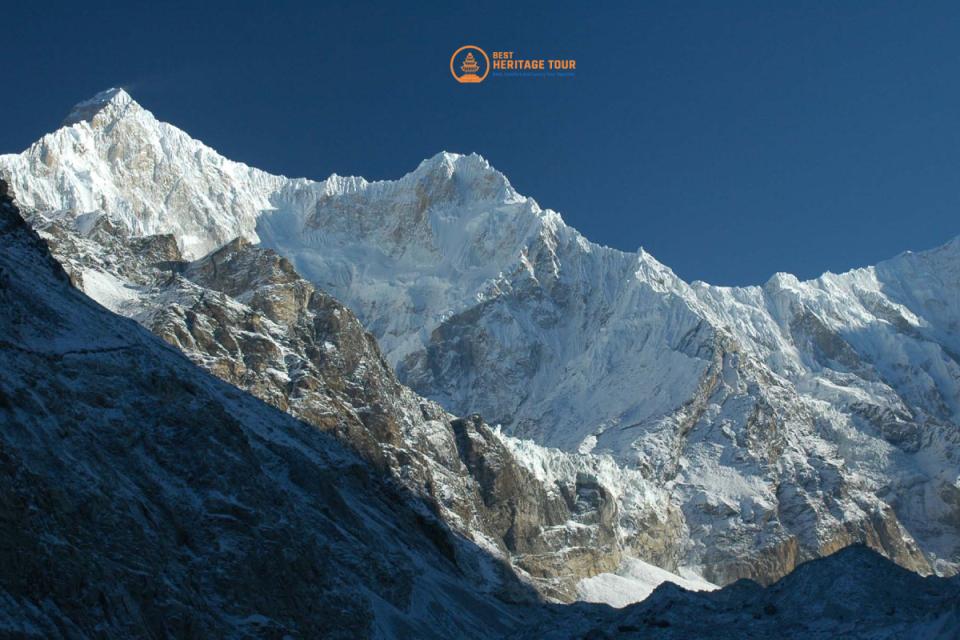
The Himalayan mountain range - often referred to as the "Third Pole" - holds the largest reserve of frozen water outside the Arctic and Antarctic regions. This vast ice reservoir feeds Asia's major river systems, supporting over 1.3 billion people downstream.
Because of a phenomenon known as elevation-dependent warming, high-altitude regions warm faster than low-lying areas. Scientific studies show that the Himalayas have warmed by approximately 1.5°C since the 1970s - a rate significantly higher than the global average.
This accelerated warming destabilizes sensitive high-altitude systems, altering everything from local atmospheric conditions to frozen permafrost layers.
Key Causes of Climate Change in the Himalayan Region
The transformation occurring in the High Himalayas stems from a combination of global drivers and localized regional environmental factors:
Global Factors
-
Greenhouse Gas Emissions: Carbon dioxide, methane, and nitrous oxide released globally trap heat in Earth's atmosphere, driving up global surface and atmospheric temperatures.
-
Global Land-Use Changes: Deforestation and urbanization across the globe reduce the planet’s natural carbon-absorption capacity.
Regional and Local Factors
-
Atmospheric Brown Clouds (ABCs): Suspended particles of soot, black carbon, and ash from industrial activities, agricultural burning, and cookstoves across South Asia drift toward the mountains. When black carbon settles on snow and ice, it darkens the surface, reducing its ability to reflect sunlight (the albedo effect) and drastically accelerating snowmelt.
-
Unplanned Infrastructure Development: Rapid, unmanaged road construction across fragile valley slopes destabilizes topsoil, leading to increased erosion and localized environmental degradation.
Visible Effects of Climate Change across Nepal's Trails
During our years guiding trekkers through Nepal, we have observed clear physical changes across various elevations and trekking corridors:
Rapid Glacial Retreat and Melting
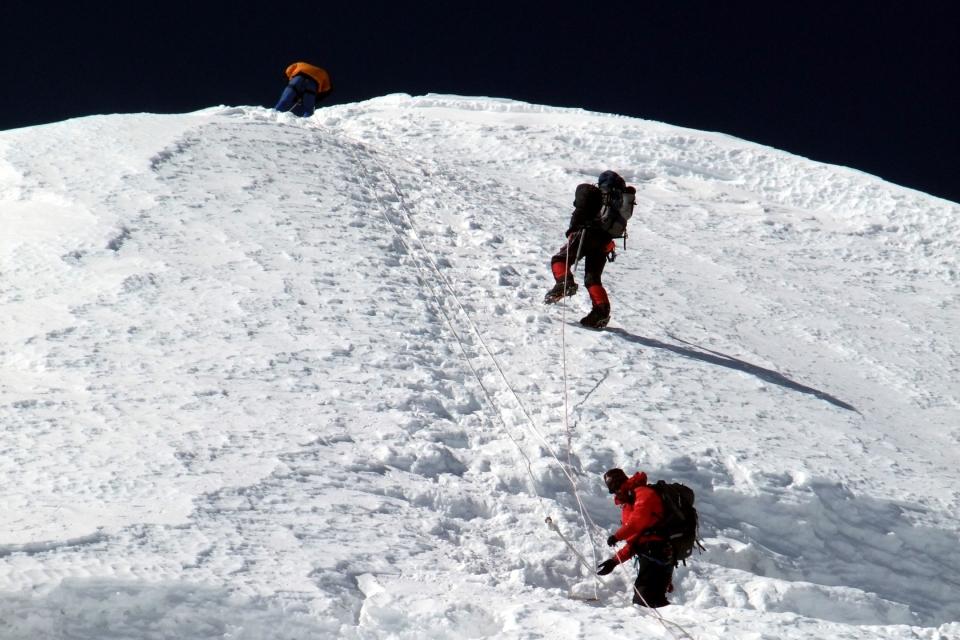
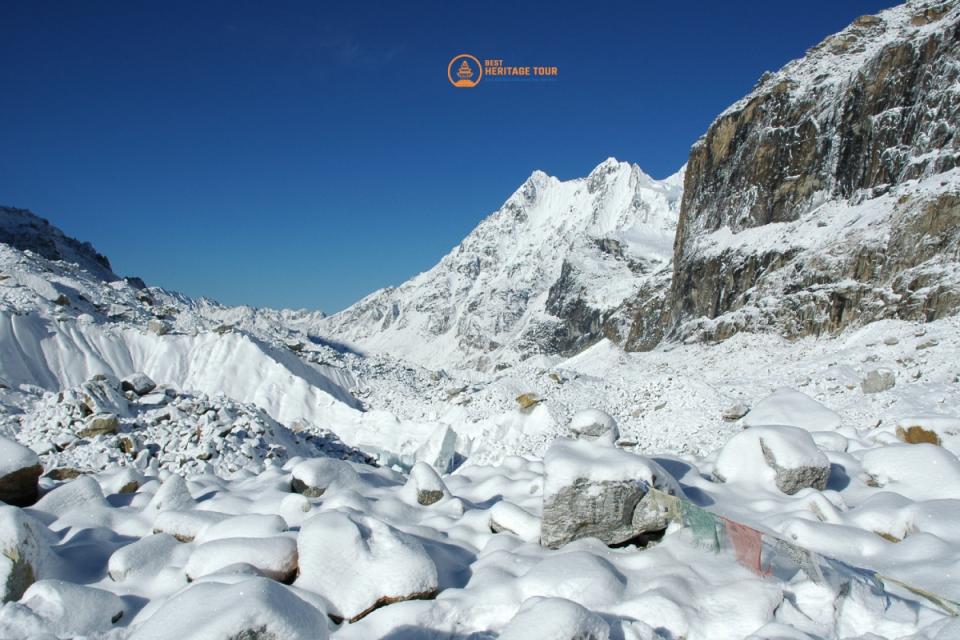
Glaciers across the Everest, Annapurna, and Langtang regions are retreating at alarming rates. Ice bodies like the Khumbu Glacier are thinning quickly, exposing rocky lateral moraines that make high-altitude navigation more technical and prone to rockfalls.
Glacial Lake Outburst Floods (GLOFs)
As glaciers melt, water collects behind natural dams made of loose rock and ice (moraines). These growing bodies of meltwater form glacial lakes. When these fragile moraine dams collapse due to pressure or avalanches, they trigger severe Glacial Lake Outburst Floods (GLOFs). These sudden floods can surge down river valleys, damaging bridges, trails, and local villages below.
Unpredictable Weather and Shifting Monsoon Patterns
Historically, the summer monsoon arrived in early June and departed by early September. In recent years, the monsoon season has extended well into late September or early October. Furthermore, rainfall events have become more intense over shorter windows, resulting in flash floods, river swells, and landslides that disrupt trail connections.
Altered Flora, Fauna, and Treeline Shifts
Warmer temperatures are encouraging vegetation to move up into higher altitudes. Treelines are gradually creeping upward, and seasonal events like the famous spring blooming of Nepal’s national flower - the rhododendron are occurring earlier in the year.
Changing Snowpacks and Permafrost Thawing
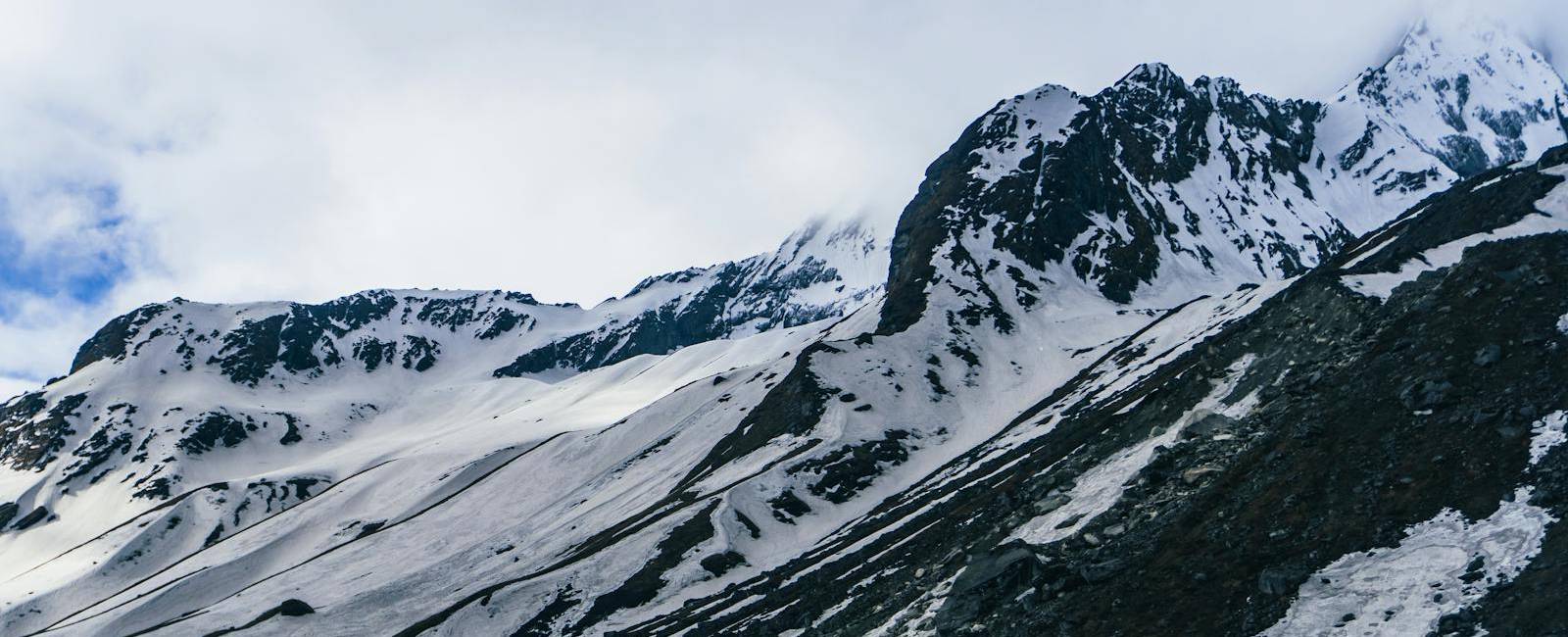
Permanent snow cover on high-altitude passes is thinning. Permafrost, the frozen ground that holds steep mountain slopes together - is thawing, leading to higher risks of rockfalls and unstable footpaths along traditional high routes.
How Climate Change Is Reshaping Trekking Seasons in Nepal
Traditionally, trekking in Nepal has been defined by two distinct main seasons: Spring (March-May) and Autumn (September-November). While these windows remain popular, shifting climate conditions require trekkers to adjust their expectations and planning.
|
TRADITIONAL VS. EVOLVING TREKKING SEASONS |
||
|
Season |
Traditional Pattern |
Evolving Reality |
|
Spring |
Mild weather, clear skies, blooming rhododendrons. |
Earlier snowmelt, warmer lower valleys, occasional late snow. |
|
Autumn |
Crisp skies, stable weather, ideal mountain views. |
Late monsoon lingering into late Sept; shift toward Oct-Nov. |
|
Winter |
Extremely cold, clear skies, heavy high-pass snow. |
Increasingly popular at lower elevations with stable weather. |
1. Spring (March to May)
-
What’s Changing: Lower elevations are warming up earlier in the season. High passes such as Thorong La (Annapurna Circuit) or Larke Pass (Manaslu Circuit) can still retain winter snowpack late into March or April, while lower trail sections dry out quickly.
-
Trekking Outlook: Rhododendrons bloom earlier in the spring. Trekkers should prepare for warm daytime temperatures in the valleys combined with cold, snowy conditions at higher elevations.
2. Autumn (September to November)
-
What’s Changing: September can experience lingering monsoon rains and cloudy skies due to delayed monsoon departures.
-
Trekking Outlook: October and November remain exceptional months for mountain clarity, but the prime window has compressed slightly. Trekkers booking early September trips should plan for wet conditions on lower trails.
3. Winter (December to February) and Rain-Shadow Regions
-
What’s Changing: Winter weather at mid-elevations is becoming milder and clearer. Rain-shadow regions such as Upper Mustang and Dolpo remain protected from monsoon downpours, making them excellent options during summer and early autumn months.
What Trekkers Should Know: Practical Safety & Preparation Tips
While climate change introduces new environmental variables, trekking in Nepal remains safe, doable, and deeply rewarding when approached with proper preparation. Here is how you can prepare for modern Himalayan trail conditions:
ESSENTIAL TREKKER CHECKLIST
-
Flexible Itinerary → Build in 2-3 buffer days for delays
-
Layered Gear System → Prepare for rapid temperature shifts
-
Rain-Shadow Routes → Consider Upper Mustang or Dolpo for summer
-
Real-time Weather → Check localized mountain forecasts daily
-
Professional Guidance → Travel with licensed local guides
Build Buffer Days into Your Itinerary
Mountain weather can shift rapidly, potentially delaying flights into mountain airstrips like Lukla (Everest) or Jomsom (Annapurna). Always build 2 to 3 flexible buffer days into your travel schedule to account for weather-related flight delays or trail detours.
Invest in Adaptable, Layered Gear
Given unpredictable temperatures, pack high-performance clothing layers that adapt to changing weather:
-
Base Layer: Moisture-wicking merino wool or synthetic tops and bottoms.
-
Insulation Layer: Quality fleece and a high-fill down jacket for chilly evenings.
-
Outer Layer: Windproof and waterproof hard-shell jacket and pants (GORE-TEX or equivalent).
-
Footwear: Sturdy, waterproof trekking boots with reliable traction for wet or icy surfaces.
Consider Alternative and Rain-Shadow Routes
If traveling during non-traditional months or looking to avoid crowd-heavy corridors:
-
Upper Mustang & Dolpo: Located behind the main Himalayan range, these rain-shadow regions offer dry conditions during the monsoon season.
-
Langtang Valley & Manaslu Circuit: Fantastic choices that offer serene wilderness trails, rich local culture, and stunning panoramic views.
Rely on Real-Time Local Intelligence
Generalized weather apps are often inaccurate for high-altitude mountain microclimates. Pay attention to daily briefings from your local guide and check real-time updates from regional weather monitoring stations.
Sustainable & Eco-Friendly Trekking Practices
As visitors to these magnificent mountains, our collective goal should be to minimize our environmental footprint and support local climate resilience.
-
Eliminate Single-Use Plastics: Carry a reusable water bottle along with a water purification system (UV purifier, filtration straw, or purification tablets) instead of buying bottled water along the trail.
-
Choose Eco-Conscious Lodges: Stay at teahouses that utilize solar power for lighting and heating water, minimize wood consumption, and practice proper waste management.
-
Leave No Trace: Stay on marked trails to avoid contributing to soil erosion. Carry out all non-biodegradable waste, including batteries and electronic packaging.
-
Support Local Communities: Hire local guides and porters, buy locally sourced meals, and support community-owned lodges. Local economic resilience directly empowers mountain communities to invest in sustainable infrastructure.
The Role of Local Heritage Guides in Climate Adaptation
Navigating mountain environments experiencing rapid environmental change requires deep terrain awareness and real-time decision-making. Experienced local guides play a vital role in ensuring safe mountain travel:
-
Route Navigation: Local guides stay updated on trail closures, bridge conditions, landslips, and river crossings, making necessary route adjustments on the go.
-
Safety & First Aid: Trained guides monitor oxygen saturation levels, identify signs of altitude sickness early, and manage emergency logistics if weather turns.
-
Cultural Connection: Beyond safety, local guides connect you with the heritage, traditions, and stories of Himalayan communities, offering deep cultural context throughout your journey.
Conclusion
Climate change is undeniably reshaping the Himalayan landscape, changing how seasons behave and altering traditional trekking routes. However, with thoughtful preparation, adaptable gear, flexible scheduling, and experienced guidance, exploring the high mountains of Nepal remains a safe, deeply enriching, and unforgettable life experience.
At Best Heritage Tour, our team brings years of hands-on experience guiding travelers across Nepal's classic routes, cultural heritage sites, and remote mountain trails. We prioritize traveler safety, sustainable tourism practices, and authentic cultural immersion, ensuring your Himalayan journey is both seamless and meaningful.
Ready to experience the beauty of Nepal’s mountains and rich cultural heritage?
Phone / WhatsApp / Viber: +977-9851149197 / +977-9810043046
Email: info@bestheritagetour.com / bestheritagetour@gmail.com
Website: www.bestheritagetour.com
Office: Thamel Marg, Kathmandu, Nepal
Author: Best Heritage Tour
Date: 9th October, 2026