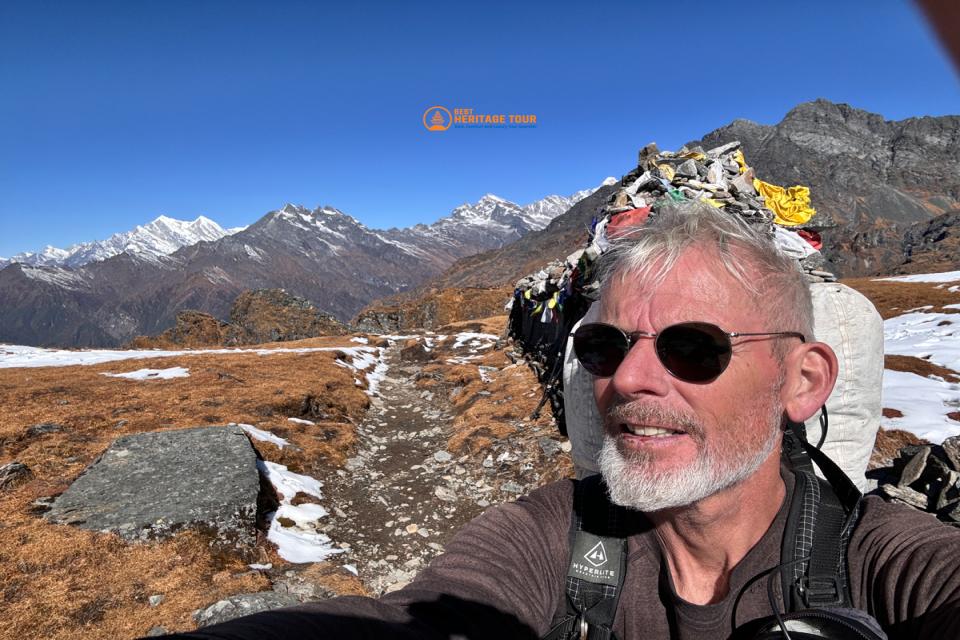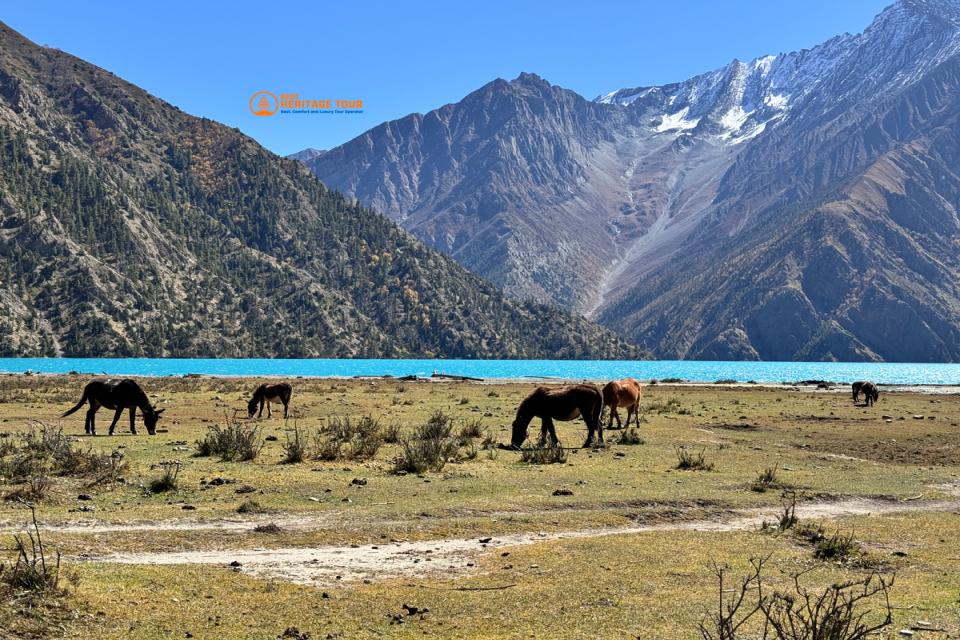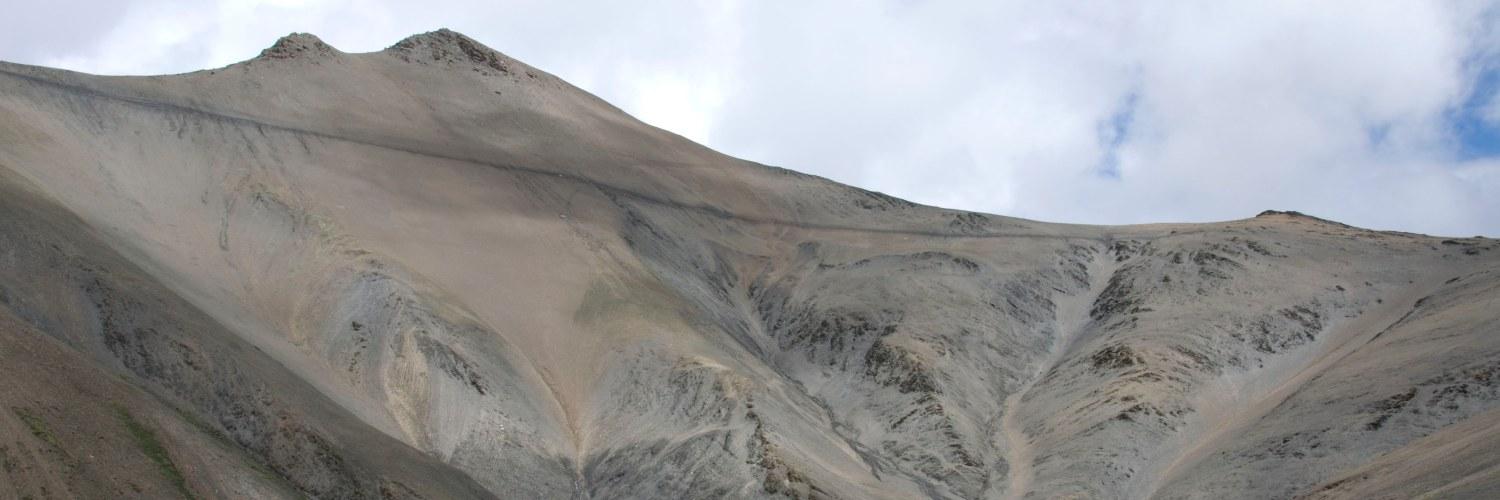
Nestled in the shadow of the mighty Himalayas, tucked away in one of the most remote and isolated corners of Nepal, lies a living spiritual museum. While mainstream travel guides frequently highlight the vibrant threads of Tibetan Buddhism across the roof of the world, a far more ancient, enigmatic tradition quietly thrives in the high-altitude valleys of Dolpo.
At Best Heritage Tour, we believe that true travel goes beyond taking photographs of striking landscapes; it requires connecting with the deep soul of a destination. For cultural explorers, trekkers, and pilgrims searching for authentic history, understanding the Bon religion in Dolpo offers an extraordinary window into a world where pre-Buddhist shamanism and profound philosophical teachings merge seamlessly into daily life.
What is Bon Religion?
When travelers first encounter the sacred monuments of the Himalayas, they often assume every spinning prayer wheel, mantra-carved mani stone, and hilltop monastery belongs to Tibetan Buddhism. However, Bon (pronounced bone) is an independent, indigenous spiritual tradition that pre-dates the arrival of Buddhism in Tibet and the Himalayan borderlands.
Historical and textual sources trace the roots of Bon back to the ancient, mystical kingdom of Zhang Zhung, which once encompassed western and northwestern Tibet, including the region of Dolpo. According to Bon tradition, the religion was founded thousands of years ago by the visionary sage Tonpa Shenrab Miwo.
The Bon tradition is generally categorized into three distinct phases:
-
Prehistoric Bon: Deeply rooted in animism and Central Asian shamanism, focusing heavily on placating local spirits, mastering natural forces, and maintaining harmony between humanity and nature.
-
Yungdrung Bon (Eternal Bon): The structured, philosophical form founded by Tonpa Shenrab, featuring sophisticated cosmological doctrines, profound meditation frameworks (such as Dzogchen), and monastic codes comparable to major world religions.
-
New Bon: A later evolutionary phase that integrated specific ritual styles and cultural expressions following centuries of close interaction with Tibetan Buddhism.
Where Can I See Bon Religion & Culture in Nepal?
If you are wondering where can I see Bon religion & culture in Nepal, the answer lies almost exclusively in the rugged, wind-swept landscapes of the Dolpo region. While small pockets exist in Jomsom (Lubrak) and Mustang, Dolpo remains the undisputed heartland of active Bon practice outside of Tibet.
|
Key Bon Cultural Sites & Monasteries in Dolpo |
|
|
Location / Village |
Significant Bon Landmark |
|
Ringmo Village |
Thasung Tsoling Bon Gonpa (Near Phoksundo) |
|
Tata-Bhijer Area |
Samling Monastery (Historic Study Center) |
|
Dho Tarap |
Phuntsokling & Riwo Bumpa Gonpa |
|
Dunai & Barle |
Yungdrung Shugtsal Bon Gonpa |
When trekking through remote settlements like Ringmo (nestled beside the turquoise waters of Phoksundo Lake) or Dho Tarap, you will notice a fascinating visual distinction unique to Bon: directionality. While Tibetan Buddhists circumambulate shrines, stupas, and sacred mountains in a clockwise direction, practitioners of Yungdrung Bon walk counter-clockwise, keeping the sacred object on their left side. Their sacred symbol, the Yungdrung, is a left-facing swastika representing eternity and unyielding spiritual stability.
What Makes Bon Religion So Much Unique?
For cultural enthusiasts, what makes Bon religion so much unique is its complex synthesis of raw, archaic shamanic rituals and ultra-refined non-dualistic philosophy.
While Western perceptions often label early shamanism as primitive, Yungdrung Bon houses sophisticated esoteric teachings divided into paths of renunciation, transformation, and liberation (Dzogchen). Here are the defining elements that set Bon apart:
1. The Survival of Zhang Zhung Heritage
Dolpo’s relative geographical isolation protected it from the sweeping political and religious upheavals of central Tibet during the 8th century, when the Tibetan Empire sought to suppress Bon. Consequently, ancient linguistic phrases, ritual invocations, and cosmological worldviews from the lost kingdom of Zhang Zhung survived in Dolpo's oral and written traditions.
2. Harmony Between Bon and Buddhism
Rather than existing in perpetual conflict, Bonpos and Tibetan Buddhists in Dolpo share a remarkably peaceful coexistence. In many villages, communities utilize shared sacred spaces, participate in joint seasonal festivals, and consult local lamas regardless of whether their lineage is Nyingma, Kagyu, or Bon. This mutual respect preserves an atmosphere of profound spiritual tolerance.
3. Deep Landscape Reverence
In Bon cosmology, nature is not merely a resource to be used, but a living sacred canvas. Towering peaks like Crystal Mountain (Shey Riwo Drukta), pristine alpine lakes, and hidden caves are viewed as energetic power points inhabited by protective deities and cosmic forces, making every step of a trek an act of active pilgrimage.
Ancient Shamanic Roots vs Tibetan Buddhism: A Comparative Insight
To fully appreciate the cultural fabric of Dolpo, it helps to understand how Bon and Tibetan Buddhism compare, as well as how they have influenced one another over centuries of close proximity.
|
Feature |
Bon Religion (Yungdrung Bon) |
Tibetan Buddhism |
|---|---|---|
|
Origin |
Indigenous to Zhang Zhung and the Tibetan Plateau; pre-dates Buddhism. |
Introduced from India to Tibet beginning in the 7th-8th centuries. |
|
Founder |
Tonpa Shenrab Miwo. |
Siddhartha Gautama (Shakyamuni Buddha). |
|
Sacred Direction |
Counter-clockwise (anti-clockwise) circumambulation (Kora). |
Clockwise circumambulation (Kora). |
|
Primary Symbol |
The Yungdrung (left-facing eternal mystic cross). |
The Dorje (Vajra) and lotus symbols. |
|
Shamanic Elements |
Retains strong emphasis on healing rituals, soul retrieval, and subduing environmental spirits. |
Utilizes tantric rituals, though primarily framed within Buddhist monastic frameworks. |
|
Philosophical Pinnacle |
Dzogchen (Great Perfection) teachings passed down via unique lineages. |
Dzogchen and Mahamudra traditions (largely integrated into Nyingma and other schools). |
Despite these distinct historical points of origin, centuries of interaction mean that modern travelers will notice significant artistic and ritualistic overlaps. Both traditions utilize sacred horns (dungchen), ritual daggers (phurba), intricate mandala paintings, and intense monastic meditation practices.
Practical Tips for Travelers and Cultural Explorers
Embarking on a journey into Dolpo to witness the living heritage of the Bon religion requires careful preparation:
-
Best Time to Visit: The optimal trekking windows are Spring (March to May) and Autumn (September to November), when weather conditions are stable and mountain passes remain clear of heavy snow.
-
Permit Requirements: Because Dolpo is categorized as a restricted wilderness area, travelers must secure special restricted area permits alongside an experienced, licensed local guide team.
-
Cultural Etiquette: Always respect local customs. When visiting a Bon monastery or holy stone wall, remember to walk counter-clockwise, ask permission before photographing interior shrines or meditating monks, and practice Leave-No-Trace principles to protect this fragile Himalayan ecosystem.
Conclusion
The remote valleys of Dolpo offer a rare doorway into a spiritual world that has largely vanished from the rest of the modern planet. By exploring the ancient shamanic roots and enduring philosophy of the Bon religion alongside its harmonious relationship with Tibetan Buddhism, travelers gain a transformative perspective on human resilience, faith, and cultural preservation.
At Best Heritage Tour, our expertly guided expeditions are designed to bring you face-to-face with these hidden Himalayan treasures safely and respectfully. Ready to uncover the mysteries of Dolpo? Get in touch with our team to plan your customized cultural journey.
Phone / WhatsApp / Viber: +977-9851149197 / +977-9810043046
Email: info@bestheritagetour.com / bestheritagetour@gmail.com
Website: www.bestheritagetour.com
Office: Thamel Marg, Kathmandu, Nepal
Frequently Asked Questions (FAQ)
1. Is Bon religion a branch of Buddhism?
No, Bon is an independent, indigenous religion that originated in the ancient Zhang Zhung kingdom long before Buddhism was introduced to Tibet and the Himalayas. While centuries of cultural exchange have led to shared external practices, Bon maintains its own distinct scriptures, lineage founders, and cosmological framework.
2. Why do Bon followers walk counter-clockwise around shrines?
In Yungdrung Bon tradition, practitioners perform ritual circumambulations (kora) in a counter-clockwise direction to align with their cosmological principles and the flow of eternal energy, contrasting with the clockwise practice of Tibetan Buddhists.
3. Where is the best place to experience Bon culture in Nepal?
The Dolpo region (particularly lower Dolpo around Ringmo/Phoksundo and upper Dolpo villages like Dho Tarap and Bhijer) is the primary stronghold where active Bon monasteries, schools, and communities continue to thrive.
4. Can tourists visit Bon monasteries in Dolpo?
Yes, respectful travelers and trekkers are welcome to visit many historic Bon monasteries - such as Samling Monastery and Thasung Tsoling Gonpa - when accompanied by licensed guides and holding the appropriate restricted area permits.
Author: Best Heritage Tour
Date: 4th August, 2026