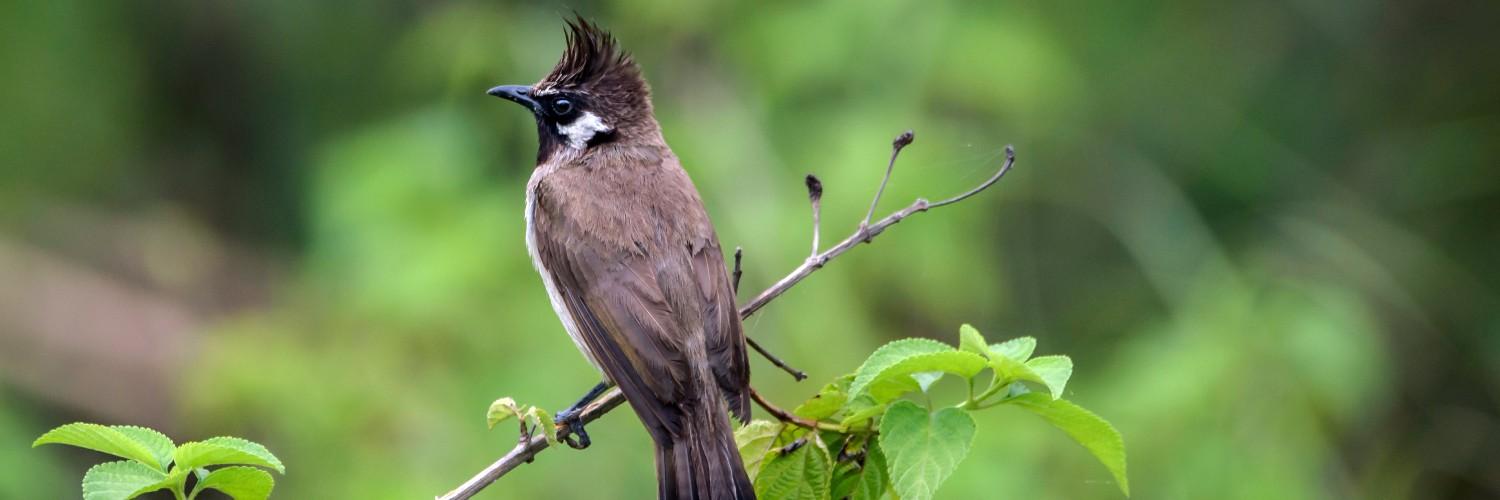
Nepal is globally renowned for its towering Himalayan peaks, but for avian enthusiasts, nature lovers, and traveling families, it holds a quieter, equally magnificent distinction. Occupying just 0.1% of the Earth’s total landmass, Nepal shelters over 900 bird species - nearly 9% of the world’s entire avian population. From the tropical wetlands of the Terai to the high-altitude alpine meadows above 4,000 meters, our diverse ecosystems make us one of Asia’s premier birding destinations.
At Best Heritage Tour, we design specialized itineraries that combine natural heritage, ethical wildlife observation, and seamless logistics. Whether you are a seasoned "twitcher" looking for rare endemics or a family seeking an accessible weekend excursion near Kathmandu, a Bird Watching Tour in Nepal offers an unmatched journey into the wild.
Why Nepal is Asia's Premier Birdwatching Hotspot
Nepal’s extraordinary avian diversity stems directly from its extreme elevation change. Within a north-to-south span of less than 150 kilometers, the land ascends from sub-tropical riverine forests just 60 meters above sea level to the icy summits of the High Himalayas.
Elevation (Meters)
5,000 m + —————————→ High Alpine (Lammergeier, Grandala)
4,000 m —————————→ Rhododendron Belts (Himalayan Monal)
2,000 m —————————→ Mid-Hill Oak Forests (Spiny Babbler)
500 m —————————→ Subtropical Valleys (Woodpeckers, Barbets)
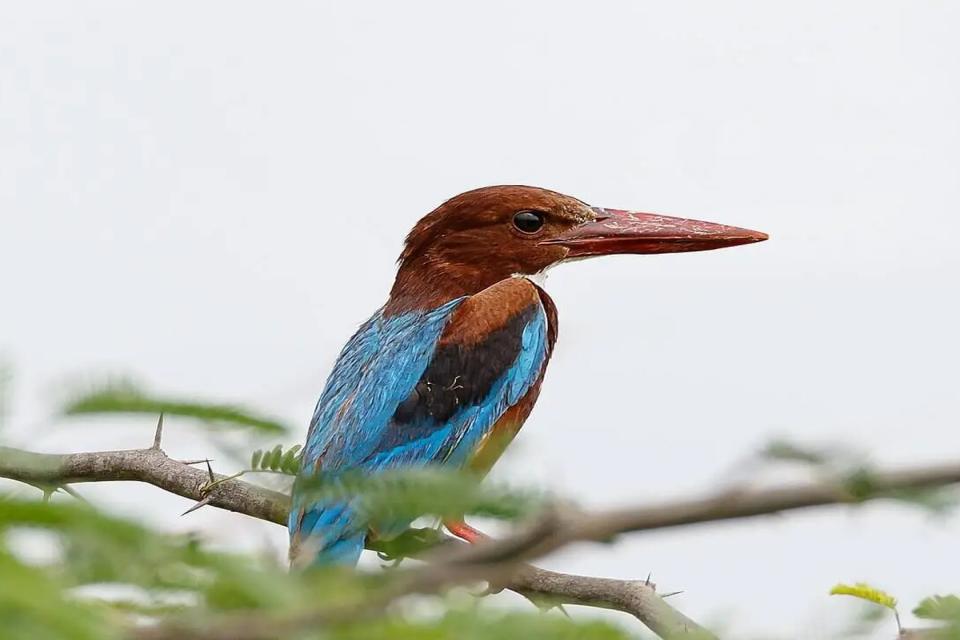
60 m —————————→ Tropical Wetlands (Kingfishers, Bengal Florican)
This dynamic vertical topography creates five distinct bio-climatic zones. As a result, species from both the Palearctic (Eurasian) and Oriental (Indo-Malayan) realms converge here. In addition, Nepal serves as a vital winter stopover for migratory waterfowl traveling south from Siberia, Central Asia, and Tibet.
Local Expert Note: Nepal is home to the Spiny Babbler (Turdoides nipalensis), the only bird species in the world found exclusively within Nepal's borders.
Top Lowland Birding Destinations (Chitwan, Bardiya & Koshi Tappu)
For travelers seeking dense jungle canopy, riverine excursions, and massive concentrations of wetland species, the southern Terai plains provide world-class bird watching.
1. Chitwan National Park: Subtropical Jungle Sanctuary
Home to over 540 recorded bird species, Chitwan National Park is Nepal’s flagship wildlife sanctuary. Early morning canoe trips down the Silent Rapti River offer front-row views of waterbirds, kingfishers, and storks foraging along the banks.
-
Key Species: Great Hornbill, Bengal Florican, Pied Kingfisher, Lesser Adjutant Stork, Grey-crowned Prinia, and Red-headed Trogon.
-
Best Experience: Early morning guided walk through grasslands combined with a silent dugout canoe float.
-
Ideal For: Families, multi-generational travelers, and first-time visitors seeking combined safari and birding experiences.
2. Bardiya National Park: Untamed Wilderness of the Far-West
Further west lies Bardiya National Park, a pristine wilderness with fewer crowds and untouched habitats. The park’s sprawling sal forests and Karnali River floodplains make it an ideal environment for raptors and grassland specialists.
-
Key Species: Bengal Florican, Sarus Crane, Black-necked Stork, Great Thick-knee, and various Vulture species (including the critically endangered Slender-billed Vulture).
-
Best Experience: Full-day river tracking on foot with our veteran local naturalists.
3. Koshi Tappu Wildlife Reserve: The Wetland Capital of Nepal
Recognized as a Ramsar Site of international importance, Koshi Tappu Wildlife Reserve is the undisputed capital for wetland and waterbird observation in South Asia. The Sapta Koshi River and surrounding marshes draw thousands of migratory ducks, geese, and waders every winter.
|
Reserve Metric |
Details |
|---|---|
|
Recorded Species |
485+ Avian Species |
|
Primary Habitat |
Mudflats, Marshes, Reedbeds, Scrub Forest |
|
Special Highlights |
Wild Water Buffalo (Arna), Gangetic Dolphins, Swamp Francolin |
|
Top Avian Sightings |
Bengal Florican, Baer's Pochard, Pallas's Fish Eagle, Indian Skimmer |
High-Altitude Mountain Birding: Langtang & Gosaikunda
For active trekkers, combining a classic Himalayan trek with alpine ornithology creates an unforgettable journey. The Langtang Gosaikunda region north of Kathmandu provides an ideal vertical gradient to spot high-altitude alpine specialists.
Trekking and Birding in Langtang National Park
As you ascend through the oak, bamboo, and rhododendron forests of Langtang National Park up to the alpine pastures of Kyanjin Gompa, the bird composition changes dramatically.
Elevation & Avian Distribution in Langtang:
-
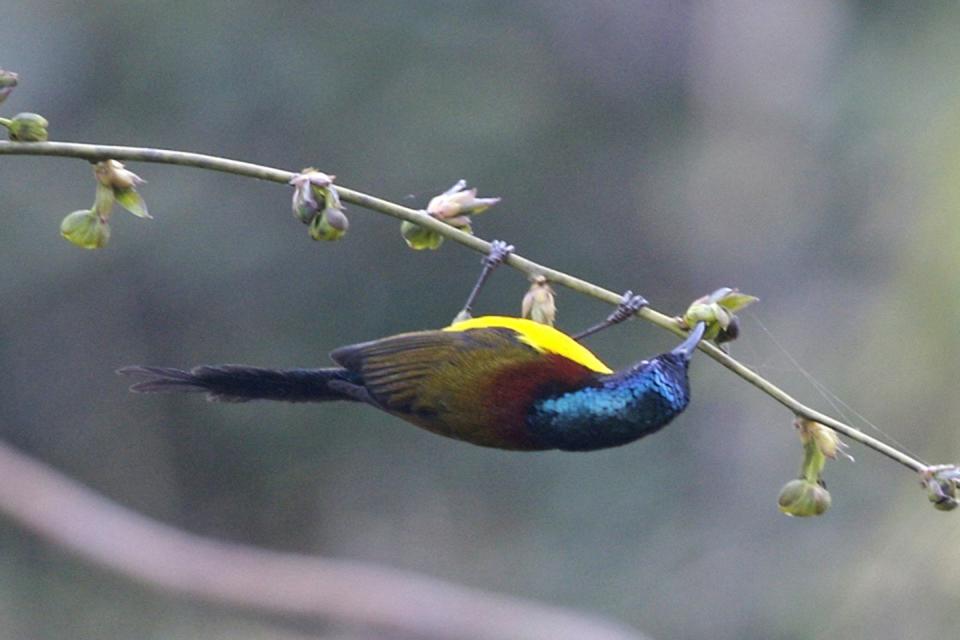
1,500m - 2,500m: Laughingthrushes, Barbets, Minivets, Sunbirds
-
2,500m - 3,500m: Satyr Tragopan, Blood Pheasant, Himalayan Woodpecker
-
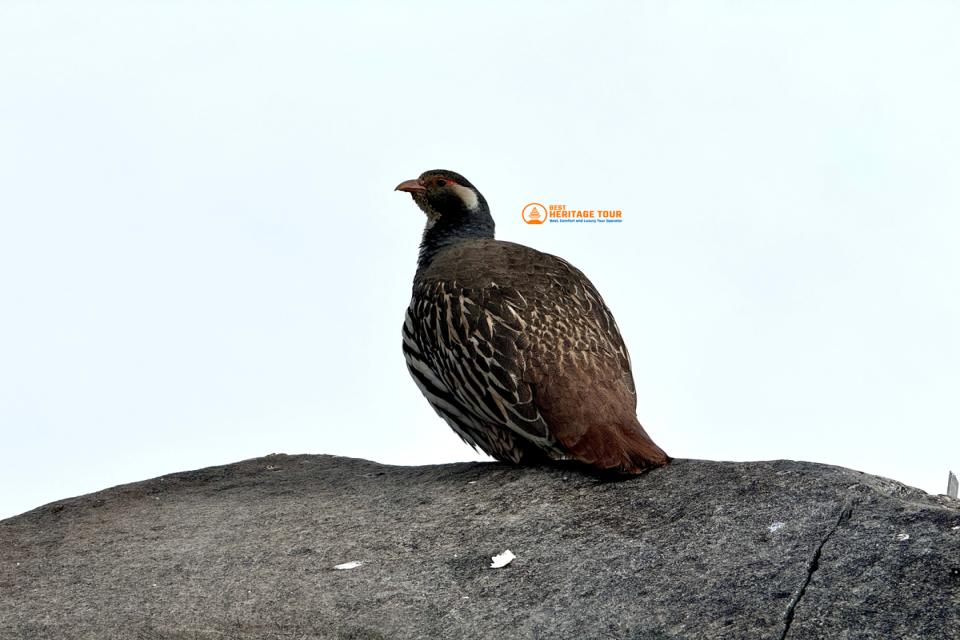
3,500m - 4,500m: Himalayan Monal, Snow Partridge, Tibetan Snowcock
-
4,500m: Lammergeier (Bearded Vulture), Grandala, Golden Eagle
-
Must-See Highlight: Spotting Nepal's national bird, the shimmering Himalayan Monal (Danphe), as its iridescent green, blue, and copper plumage catches the morning sun.
-
Key Species: Satyr Tragopan, Blood Pheasant, Fire-tailed Sunbird, Grandala, and Lammergeier.
Bird Watching Near Kathmandu: Day Trips & Weekend Escapes
You do not need to embark on a multi-week expedition to experience world-class birding. The hills encircling the Kathmandu Valley host over 350 bird species, making a short bird watching tour in Kathmandu remarkably rewarding.
1. Phulchowki Hill (2,760m): The Botanical Haven
Located in the southeastern rim of the valley, Phulchowki is the highest peak surrounding Kathmandu and the undisputed crown jewel for local birding.
-
Top Sightings: Spiny Babbler, Chestnut-headed Tesia, Rufous-bellied Woodpecker, Cutia, and Nepal Wren-Babbler.
2. Shivapuri Nagarjun National Park: Northern Ridge Protection
Bordering the northern edge of Kathmandu, Shivapuri Nagarjun National Park protects essential watersheds and temperate hardwood forests.
-
Key Trails: The hike from Muhan Pokhari to Nagi Gompa or the trail leading toward Bagdwar.
-
Key Species: Spiny Babbler, Broad-billed Warbler, Slender-billed Scimitar-Babbler, Wedge-tailed Green Pigeon, and Orange-flanked Bush-Robin.
Best Seasons for Bird Watching in Nepal
Timing is critical when planning your birding safari, as seasonal migrations alter species availability.
Birdwatching Season Matrix:
Autumn/Winter (Oct - Feb) —————————→ Peak Migratory Season (Waterfowl, Siberian visitors)
Spring (Mar - May) —————————→ Breeding Season, Active Calls, Rhododendron Blooms
Summer/Monsoon (Jun - Sep) —————————→ Resident Species, Breeding Plumage (Leeches/Rain challenges)
-
Autumn to Winter (October to February): Ideal for lowland wetland viewing at Koshi Tappu and Chitwan. Trans-Himalayan migrants arrive in large numbers from Siberia, Mongolia, and Tibet.
-
Spring (March to May): The ultimate window for mountain trekking and hill birding. Birds display vibrant breeding plumage and call frequently. Blooming rhododendrons across Langtang make spotting species easier.
Essential Gear for Birdwatching in Nepal
To maximize your field experience across Nepal’s varied microclimates, proper preparation is essential:
-
Optics: 8x42 or 10x42 waterproof binoculars (8x is preferred for forest birding; 10x for open wetlands and raptor scanning).
-
Field Guides: Birds of Nepal by Richard Grimmett, Carol Inskipp, and Tim Inskipp (the definitive regional field guide).
-
Footwear: Sturdy, waterproof hiking boots for high trails; lightweight breathable shoes for lowland jungle walks.
-
Clothing: Earth-toned layerable apparel (greens, browns, tans). Avoid bright colors like red, white, or yellow, which startle wildlife.
-
Protection: Insect repellent, broad-spectrum sunscreen, wide-brimmed hat, and dry-bags for optical gear during river trips.
Conclusion
At Best Heritage Tour, we believe travel should inspire, educate, and leave a positive footprint on local ecosystems. Our custom-designed birdwatching itineraries pair you with certified local birding guides, comfortable eco-lodges, and private transport, ensuring a seamless experience from the moment you arrive in Kathmandu.
Whether you wish to spend a tranquil day exploring the forest canopy of Phulchowki or embark on a multi-region expedition crossing Koshi Tappu, Chitwan, and Langtang, our team handles every detail with local expertise.
Contact Best Heritage Tour Today
Ready to cross bucket-list species off your life list? Reach out to our travel specialists to start customizing your private or family birdwatching itinerary:
Phone / WhatsApp / Viber: +977-9851149197 / +977-9810043046
Email: info@bestheritagetour.com / bestheritagetour@gmail.com
Website: www.bestheritagetour.com
Office: Thamel Marg, Kathmandu, Nepal
Frequently Asked Questions (FAQ)
What is the single best bird watching destination in Nepal?
For absolute species density and sheer volume of birds, Koshi Tappu Wildlife Reserve is widely considered the top site in Nepal, particularly for waterbirds and winter migrants. For combined big-game wildlife safaris and forest birding, Chitwan National Park is an outstanding alternative.
Can I go bird watching in Nepal with young children or elderly family members?
Yes! Destinations like Chitwan National Park, Godavari Botanical Gardens, and day walks along Phulchowki Hill feature gentle terrain, easy access, and comfortable lodge accommodations. These routes are well-suited for families with children or seniors.
Is it possible to see the endemic Spiny Babbler near Kathmandu?
Yes. The Spiny Babbler (Turdoides nipalensis) is regularly recorded in the scrub forests of Phulchowki Hill and the lower ridges of Shivapuri Nagarjun National Park.
Do I need a specialized guide for a bird watching tour?
While casual observers can enjoy self-guided walks, hiring a dedicated, local ornithological guide significantly increases your sighting success. Forest birds in Nepal are often heard before they are seen, and our experienced guides identify species quickly by call, habitat preference, and behavior.
Author: Best Heritage Tour
Date: 26th July, 2026