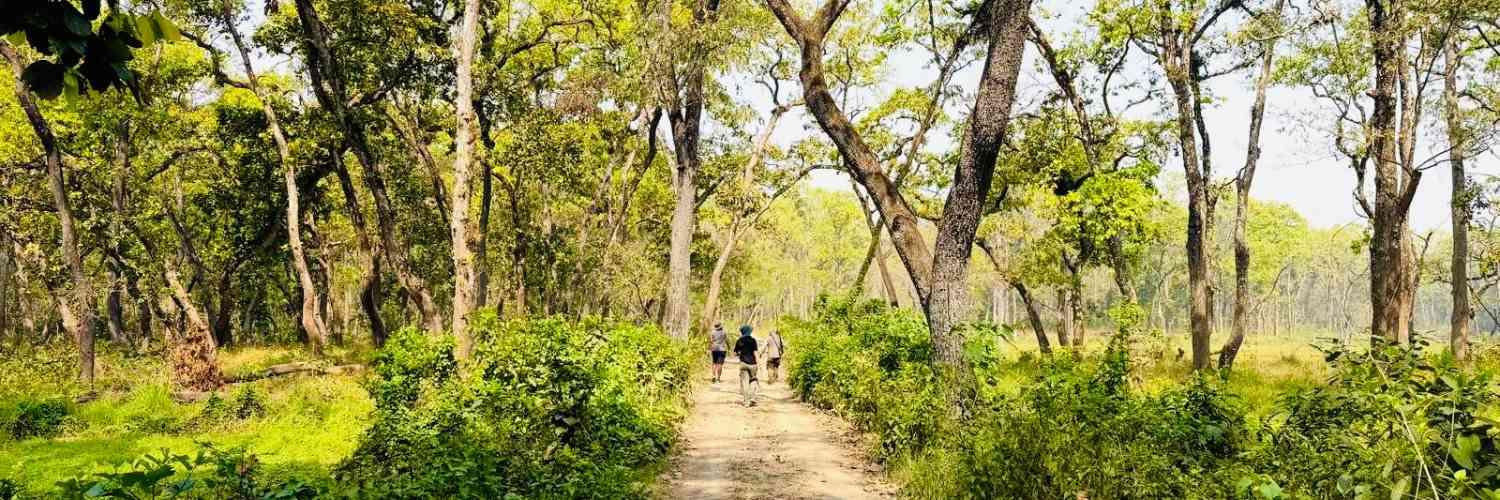
When international travelers picture Nepal, jagged Himalayan peaks and fluttering prayer flags usually dominate the frame. Yet, dropping down from the high snows into the subtropical Terai lowlands reveals an entirely different ecosystem - one of dense sal forests, braided river channels, and tall elephant grass hiding some of Asia's most magnificent megafauna. For anyone planning the Best Wildlife Safari in Nepal, the itinerary quickly boils down to two legendary protected areas: Chitwan National Park and Bardiya National Park.
Both parks offer extraordinary biodiversity, shelter endangered species, and promise unforgettable adventures. However, they deliver entirely different experiences in terms of accessibility, landscape, crowd levels, and wildlife viewing probabilities. At Best Heritage Tour, we design journeys rooted in deep local expertise. Below, we break down an honest, side-by-side comparison of Chitwan and Bardiya to help you choose the ideal jungle safari for your travel style, schedule, and wildlife goals.
Understanding Nepal’s Lowland Wilderness
Nepal’s Terai region represents the northern limit of the Indo-Gangetic plains. Centuries ago, these malaria-resistant jungle belts served as private hunting reserves for Nepal's royal families and elite guests. Today, through rigorous community-backed conservation and anti-poaching initiatives, these sanctuaries have transformed into global success stories for endangered species recovery.
Choosing between a Chitwan jungle safari and a Bardiya Jungle Safari is not about picking a "better" or "worse" park. Instead, it is about matching your expectations to what each sanctuary naturally excels at providing.
Chitwan National Park: The Accessible Classic
Established in 1973 as Nepal’s very first national park and designated a UNESCO World Heritage Site in 1984, Chitwan National Park is the undisputed pioneer of wildlife tourism in the country. Located in south-central Nepal, it spans over 932 square kilometers of riverine forests, tall grasslands, and shallow marshes.
Why Choose Chitwan?
-
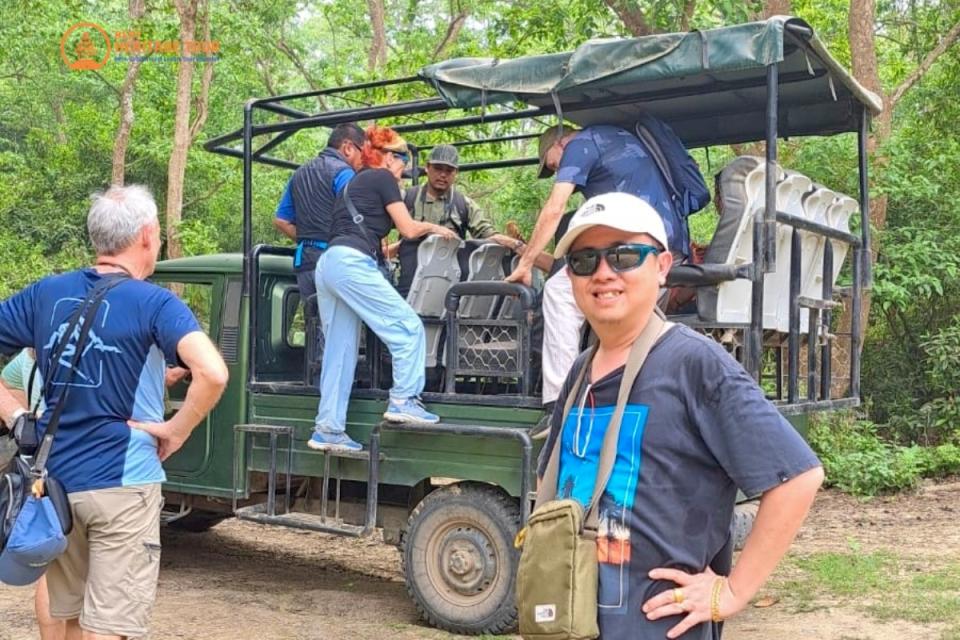
Exceptional Rhino Encounters: Chitwan protects a thriving population of over 600 greater one-horned rhinoceroses. Spotting a massive rhino grazing peacefully in the mist-covered morning grass or cooling off in a muddy wallow is practically guaranteed over a multi-day stay.
-
Seamless Accessibility: Situated roughly 5 to 6 hours by road from Kathmandu or Pokhara, or a quick 20-minute domestic flight to Bharatpur followed by a short drive, Chitwan fits smoothly into almost any travel itinerary.
-
Rich Biodiversity & Activities: Beyond jeep safaris, Chitwan is famous for traditional dugout canoe rides along the Rapti and Narayani Rivers - where you can spot marsh mugger crocodiles and rare fish-eating gharials - as well as birdwatching (over 500 species) and cultural Tharu village immersion programs.
-
Family-Friendly Infrastructure: The main gateway town of Sauraha offers a wide spectrum of accommodations, from comfortable budget lodges to luxury jungle resorts, making it ideal for families and travelers with limited time.
The Wildlife Reality in Chitwan
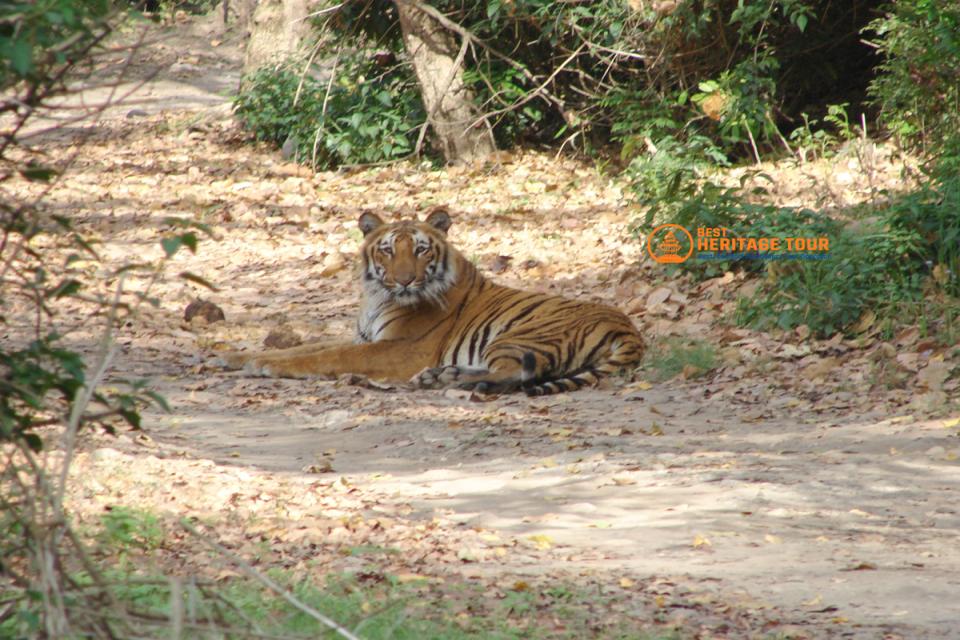
While Chitwan boasts a high absolute population of Royal Bengal tigers, the park's popularity and busier trail networks mean that sightings require a bit more patience. Encounters with the tiger in Chitwan are thrilling, but popular trails experience higher tourist volume, giving the park an energetic, well-trodden atmosphere.
Bardiya National Park: The Remote Wilderness Frontier
If Chitwan is Nepal’s accessible classic, Bardiya National Park is its untamed frontier. Located in the far southwestern corner of Nepal, Bardiya is the largest national park in the Terai, covering 968 square kilometers of pristine sal forest, open phanta (grasslands), and the wild, untamed channels of the Karnali and Babai Rivers.
Why Choose Bardiya?
-
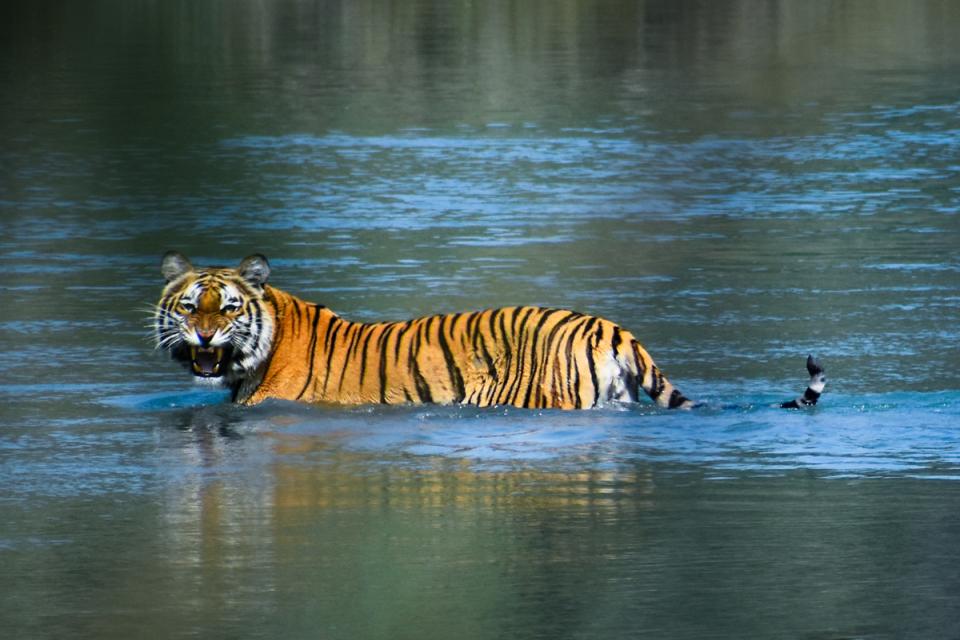
Unmatched Tiger Tracking Odds: Bardiya has emerged as one of the most successful tiger conservation models on earth. Because of its high core habitat density relative to its low visitor numbers, your probability of spotting a Tiger in Chitwan and Bardiya heavily favors the western park. Multi-day safaris here frequently yield breathtaking, uninterrupted sightings.
-
True Solitude and Wilderness: Bardiya receives a fraction of the visitors that Chitwan does. It is entirely common to spend an entire morning on a jeep safari or walking trail without encountering another vehicle or tourist group, restoring a profound sense of isolation and raw nature.
-
Diverse Mega-Species: In addition to tigers, Bardiya’s remote western sector is home to wild elephant herds, swamp deer (barasingha), and the endangered freshwater Gangetic dolphins patrolling the Karnali River.
-
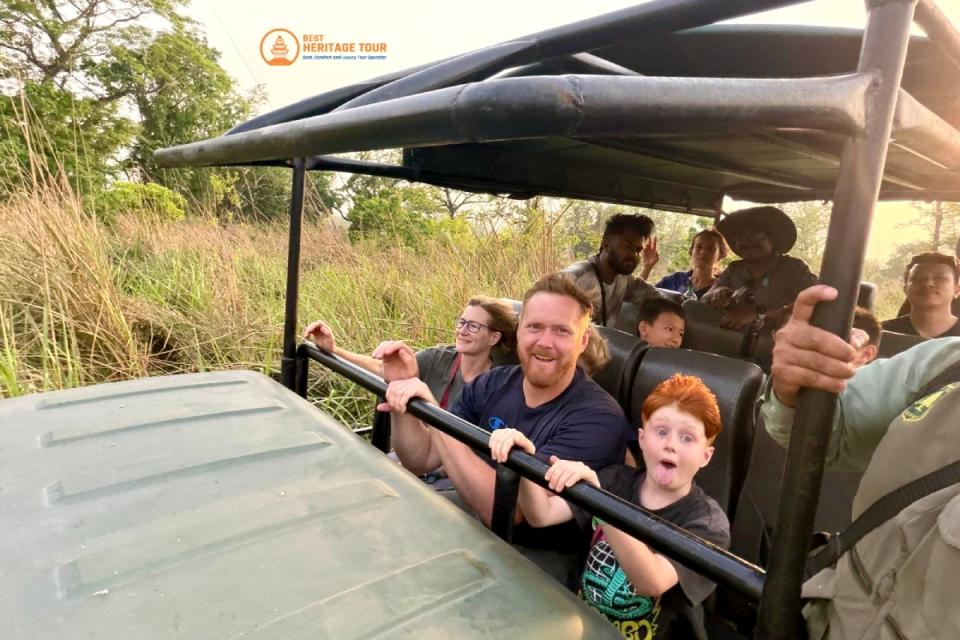
Immersive Walking Safaris: Because the park emphasizes deep tracking, guided walking safaris with expert naturalists allow you to read pugmarks, interpret alarm calls, and experience the forest on foot with unmatched intensity.
The Logistical Commitment
Bardiya requires more travel investment. Reaching it involves a 1-hour domestic flight from Kathmandu to Nepalgunj, followed by a 2-hour scenic drive north to Thakurdwara. For travelers seeking absolute wilderness, however, this extra journey is a rewarding feature rather than an obstacle.
Direct Comparison: Chitwan vs. Bardiya At a Glance
|
Feature |
Chitwan National Park |
Bardiya National Park |
|---|---|---|
|
Primary Highlight |
One Horned Rhino in Chitwan National Park |
Wild Bengal Tigers & River Dolphins |
|
Tiger Sighting Probability |
Moderate (30-40% on multi-day stays) |
High (60-70% on multi-day stays) |
|
Rhino Population |
600+ individuals (Very high encounter rate) |
40+ individuals (Lower density, requires luck) |
|
Travel Access from Kathmandu |
5-6 hours by road or short flight to Bharatpur |
1-hour flight to Nepalgunj + 2-hour drive |
|
Crowd Levels |
Active and bustling, especially in peak season |
Quiet, remote, and solitary year-round |
|
Best Suited For |
First-timers, families, short itineraries, rhino seekers |
Serious wildlife enthusiasts, photographers, tiger seekers |
Conclusion
Whether you choose the accessible riverine plains of Chitwan or the remote, tiger-rich wilderness of Bardiya, a lowland safari adds a magnificent dimension to any Himalayan journey. Balancing comfort, conservation, and raw adventure requires careful planning, seamless logistics, and expert naturalist guidance.
At Best Heritage Tour, we curate private, fully supported wildlife expeditions tailored to your exact timeline and expectations. Ready to explore Nepal's untamed side? Get in touch with our team today to start crafting your custom jungle itinerary.
Contact Details
Phone / WhatsApp / Viber: +977-9851149197 / +977-9810043046
Email: info@bestheritagetour.com / bestheritagetour@gmail.com
Website: www.bestheritagetour.com
Office: Thamel Marg, Kathmandu, Nepal
Frequently Asked Questions (FAQ)
1. Where is it easier to spot a Greater One-Horned Rhino?
Chitwan National Park is undoubtedly the best location for viewing the One Horned Rhino in Chitwan National Park. With a population exceeding 600 rhinos, sightings during jeep safaris or river canoe trips are exceptionally reliable.
2. Which park offers better chances of seeing a Bengal Tiger?
If spotting a wild tiger is your primary objective, Bardiya National Park offers significantly higher sighting probabilities due to its lower visitor volume and dense tiger populations relative to its tourism footprint.
3. Can I visit both Chitwan and Bardiya in a single trip?
Yes. Travelers with 10 or more days to spare in Nepal frequently combine both parks - flying west to Bardiya for deep jungle tracking and finishing in Chitwan for relaxed rhino viewing and cultural exploration.
4. What is the best time of year for a Nepal wildlife safari?
The dry winter months from October to February offer pleasant daytime weather, while the spring window from March to May provides the absolute best wildlife viewing as grass is cut or burned and animals gather near shrinking water sources.
Author: Best Heritage Tour
Date: 7th August, 2026