
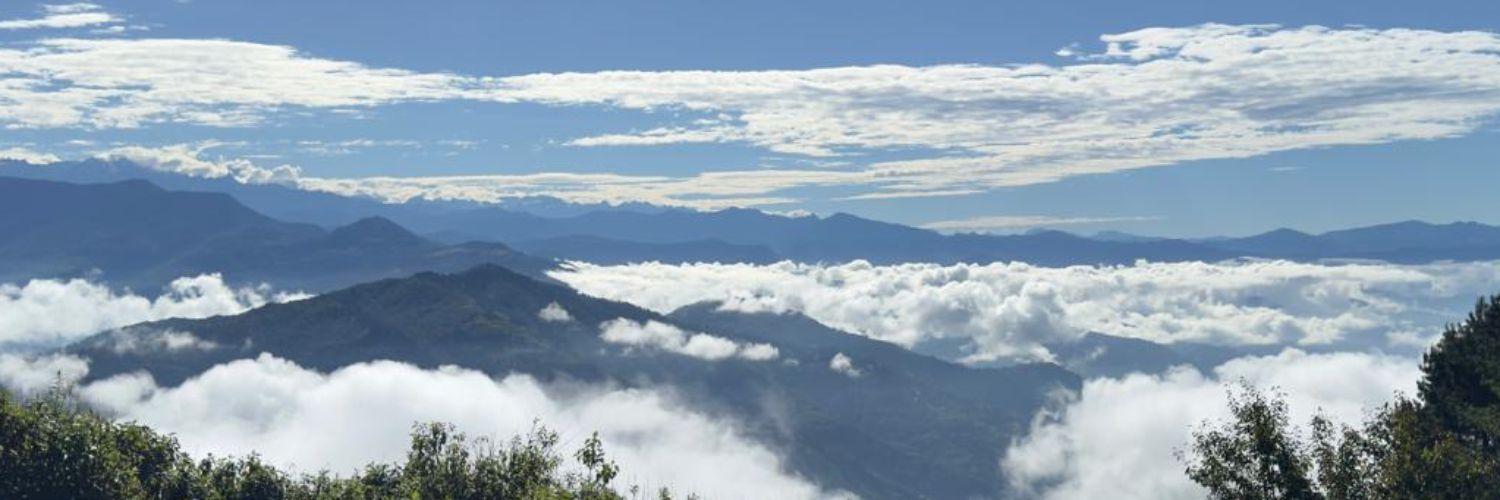
Tucked just north of Kathmandu, the Helambu region is one of Nepal's most accessible yet delightfully quiet trekking destinations. Famous for its rich Yolmo culture, rolling green hills, dense forests, and sweeping Himalayan views, it offers a rewarding adventure without the overwhelming crowds of the Everest or Annapurna circuits. Because it sits at a lower altitude than many classic treks (topping out around 3,650 meters at Laurebina Laurebina Pass or Tarkegyang), it is also an ideal choice for beginners.
However, timing your trek right makes all the difference between clear mountain vistas and slippery, rain-drenched trails. Here is a complete, season-by-season breakdown of the weather and conditions on the Helambu Trek to help you plan your trip.
1. Autumn (September to November): The Peak Season
Autumn is widely considered the absolute best time for the Helambu Trek. Following the monsoon rains, the atmosphere is freshly washed, skies are crisp, and the mountain views are at their absolute sharpest.
-
Weather & Temperature: Daytime temperatures are pleasantly warm, averaging between 15°C to 20°C. Nights can get chilly, dropping to around 5°C to 10°C as November progresses, but it is rarely freezing at these elevations.
-
Trail Conditions: Trails are dry, stable, and easy to navigate, making it prime time for both first-time and experienced trekkers.
-
Cultural Highlights: This season coincides with Nepal’s biggest festivals - Dashain and Tihar. Villages along the trail are lively, vibrant, and filled with a celebratory atmosphere.
-
The Vibe: Expect clear trails, though popular teahouses will see more foot traffic than during other parts of the year.
2. Spring (March to May): Flowers and Mild Weather
Spring is the second-best season and a favorite for nature lovers. As the winter chill fades, the lower slopes of the Helambu region burst into color with blooming rhododendrons, wild orchids, and lush greenery.
-
Weather & Temperature: Days are warm and sunny, with temperatures ranging from 16°C to 22°C. Higher ridges remain comfortably cool, though occasional afternoon spring clouds can roll in.
-
Trail Conditions: The paths are dry and clear of snow, offering excellent trekking conditions.
-
Scenery: The forests are alive with brilliant reds, pinks, and whites from the blooming wild flora. Visibility remains great through April, though haze can occasionally build up in late May just before the monsoon arrives.
-
The Vibe: Energetic and vibrant, with moderate numbers of fellow travelers on the route.
3. Winter (December to February): Quiet Trails and Crisp Air
Winter in Helambu brings cold nights and crisp, blue daytime skies. While higher Himalayan passes in Nepal get blocked by heavy snow, the lower altitude of the Helambu Trek keeps it mostly open year-round.
-
Weather & Temperature: Days are clear and sunny, averaging 9°C to 12°C. However, nights drop sharply, often falling below freezing (0°C to -5°C), especially at higher overnight stops.
-
Trail Conditions: Trails are generally dry and clear, though shaded high points (like ridges or mountain passes) may hold patches of old snow or ice.
-
The Vibe: Exceptionally peaceful. You will have the trails and teahouses almost entirely to yourself, offering a quiet, intimate glimpse into local Yolmo mountain life.
-
Tip: Pack heavy winter layers, a warm sleeping bag, and check teahouse availability ahead of time, as some local lodges at higher elevations close for the coldest winter weeks.
4. Summer / Monsoon (June to August): Lush Landscapes and Leeches
The monsoon season brings heavy rains, dramatic cloud cover, and high humidity to Nepal. While Helambu sits in a slight rain shadow compared to other regions, it is still heavily affected by the summer weather system.
-
Weather & Temperature: Daytime temperatures hover around 20°C to 25°C, but high humidity and frequent downpours make the air feel heavy.
-
Trail Conditions: Trails become slick, muddy, and prone to leeches, particularly through the lower forested sections. Cloud cover frequently obscures mountain vistas.
-
Scenery: On the flip side, the valleys turn a brilliant, iridescent green, waterfalls rush down the hillsides, and the agricultural terraces are fully alive with farming activity.
-
The Vibe: Solitary. Very few trekkers choose this season, meaning you will experience deep solitude, though logistics require extra patience due to slippery paths and occasional transport delays.
Summary: When Should You Go?
-
For clear mountain views and festive culture: Choose Autumn (October to November).
-
For blooming flowers, mild days, and green hills: Choose Spring (April to May).
-
For peace, quiet, and sparkling blue skies: Choose Winter (December to January), provided you are prepared for cold nights.
-
For lush botany and zero crowds: Choose Summer (July), keeping rain gear and leech protection handy.
Conclusion
The Helambu Trek offers a brilliant blend of cultural immersion, accessible terrain, and stunning natural beauty that can be enjoyed nearly year-round with the right preparation. Whether you want the brilliant blue skies of autumn or the vibrant floral slopes of spring, matching your goals to the right season ensures a memorable mountain journey.
Ready to Plan Your Helambu Trek?
Get in touch with our team to customize your itinerary, book local guides, and secure seamless travel arrangements.
Phone / WhatsApp / Viber: +977-9851149197 / +977-9810043046
Email: info@bestheritagetour.com / bestheritagetour@gmail.com
Website: www.bestheritagetour.com
Office: Thamel Marg, Kathmandu, Nepal
Frequently Asked Questions (FAQs)
Is the Helambu Trek suitable for beginners?
Yes, it is one of Nepal's best introductory treks. Reaching a maximum elevation of 3,650 meters, it offers a low risk of altitude sickness and manageable daily walking hours for first-timers.
What permits do I need for the Helambu trek?
You need a TIMS card and National Park entry permits. Best Heritage Tour manages and arranges all necessary paperwork seamlessly so you can focus on the trail.
What kind of accommodation is available along the Helambu trek route?
You will stay in traditional, family-run teahouses offering cozy twin-share rooms and a communal dining hall serving warm local meals like dal bhat.
Can I trek in Helambu during the winter?
Yes, winter brings clear, sunny daytime skies. However, nights drop below freezing, requiring you to pack proper thermal gear and a warm sleeping bag.
Author: Best Heritage Tour
Date: 10th August, 2026