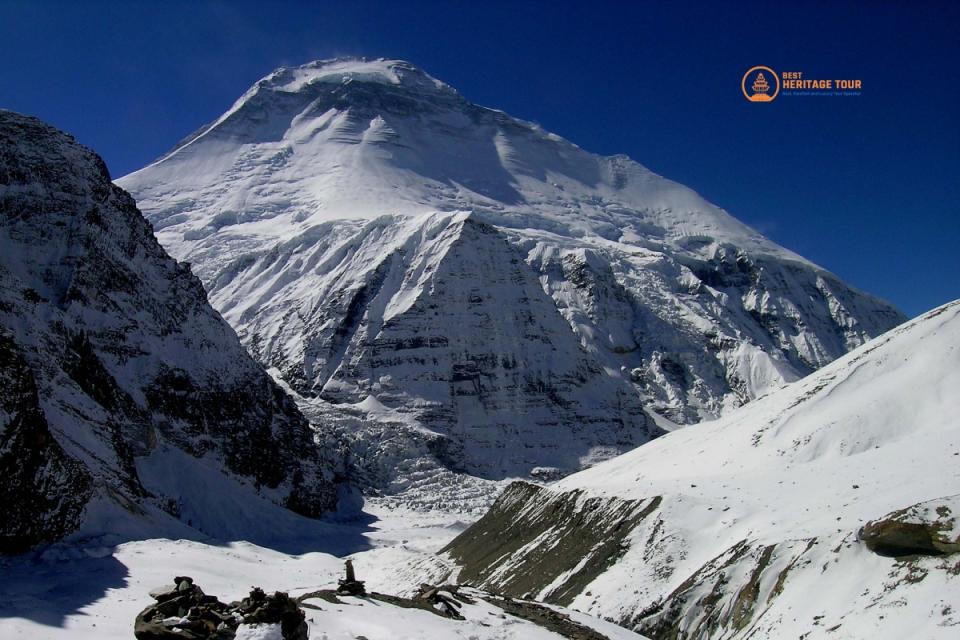
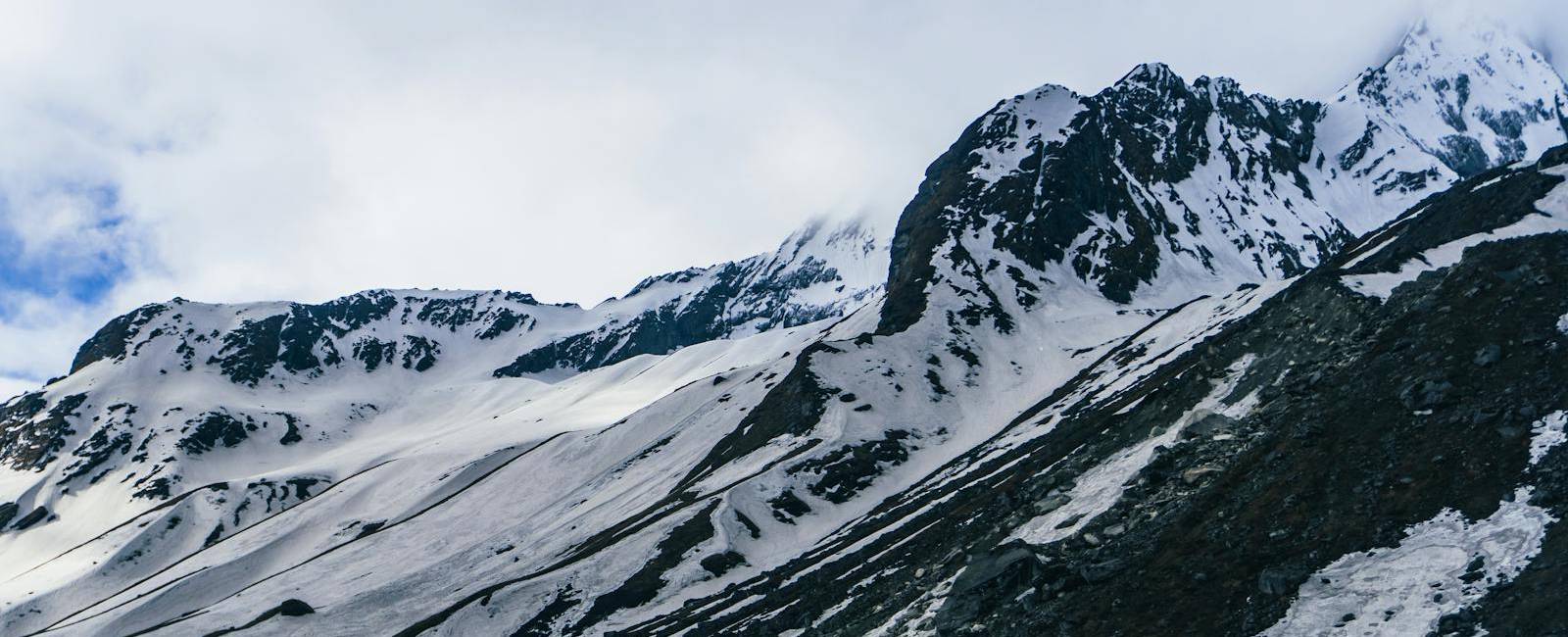
Circumnavigating Mount Dhaulagiri (8,167 m) - the seventh-highest peak on Earth - is not your ordinary Himalayan journey. The Dhaulagiri Circuit Trek is a rugged, off-the-beaten-path expedition requiring wilderness camping, glacier traverses, and negotiating two perilous high mountain passes: French Pass (5,360 m) and Dhampus Pass (5,240 m).
Because of its extreme topography, choosing the right window to attempt this trek is the single most critical decision you will make. At Best Heritage Tour, we have guided high-altitude expeditions across Nepal's most challenging landscapes for years. We often get asked: "When is the absolute best time for the Dhaulagiri Circuit Trek?"
The definitive answer: Autumn (October to Mid-November) and Spring (Late March to Early May). Attempting this trek off-season is a severe safety hazard.
This comprehensive guide breaks down seasonal weather windows, month-by-month trail expectations, high-pass dynamics, and planning strategies for 2026 and 2027.
What Makes the Dhaulagiri Circuit So Dependent on the Season?
Unlike popular teahouse routes like the Everest Base Camp or Annapurna Circuit, the Dhaulagiri Circuit traverses unpredictable alpine wilderness. Understanding why timing matters requires examining the geographic and operational challenges of the trail.
1. Crossing Two 5,000-Meter High Passes
The core challenge of this circuit lies in successfully navigating French Pass (5,360 m) and Dhampus Pass (5,240 m) back-to-back. At these altitudes, winter snow accumulation or unexpected monsoon blizzards make the trails virtually invisible and treacherous.
2. Glacial Traversals and Hidden Valley
A significant portion of the route crosses the Dhaulagiri Glacier and the high-altitude, uninhabited Hidden Valley. Out-of-season trekking brings active crevasse hazards, unstable glacial moraine, and whiteout conditions that disrupt navigation.
3. Remote Expedition-Style Camping
Unlike tea-house trails with warm indoor dining halls, the Dhaulagiri Circuit requires full logistical camping above Italian Base Camp. Sub-zero temperatures, heavy rain, or blizzards destroy campsites and strain safety margins for trekkers, local guides, and support crews.
Detailed Seasonal Breakdown of Dhaulagiri Circuit Trek
|
Season |
Months |
Trail Conditions |
Recommendation Levels |
|
Autumn (Peak) |
Oct - Mid Nov |
Dry, clear, stable |
★★★★★ |
|
Spring (Peak) |
Late Mar - Early May |
Soft snow, colorful |
★★★★☆ |
|
Winter (Off) |
Dec - Feb |
Deep snow, extreme |
★☆☆☆☆ |
|
Monsoon (Off) |
Jun - Sep |
Landslides, leeches |
☆☆☆☆☆ |
Autumn: The Ultimate Window for Dhaulagiris
Autumn is universally recognized as the prime season for the Dhaulagiri Circuit Trek. Monsoon rains scrub the atmosphere clean, leaving crisp mountain air, firm glacial tracks, and stable barometric pressure.
Best Time for Dhaulagiri Circuit Trek in 2026 (October to Mid-November)
For 2026, the sweet spot opens around early October and runs through mid-November.
-
Weather & Visibility: Crisp skies provide uninterrupted panoramas of Dhaulagiri I, II, III, IV, V, and Tukuche Peak. Daytime temperatures at lower altitudes range from 10°C to 18°C, while nighttime temperatures at High Camp sit around -5°C to -15°C.
-
Trail Conditions: Moraine paths are firm, French Pass and Dhampus Pass are generally free of deep, fresh snow, and river crossings in the lower Myagdi Valley are manageable.
-
Why Choose Autumn 2026: Weather predictability is at its peak. For a remote expedition requiring precise logistics, autumn offers the lowest risk of weather-related delays.
Spring: The Wildflower & Alpine Window
Spring is the second optimal window, offering longer daylight hours, warmer valley temperatures, and blooming rhododendron forests at lower elevations.
Best Time for Dhaulagiri Circuit Trek in 2027 (Late March to April & Early May)
Planning ahead for 2027? Late March through early May provides fantastic conditions for those seeking dramatic alpine landscapes.
-
Late March to April: High altitude passes may still retain winter snow, requiring crampons and microspikes. However, skies remain generally clear and spring warmth sets in.
-
May: Temperatures warm up significantly, making high-altitude camping more comfortable. Cloud cover can build up slightly in the late afternoons, but mornings are clear.
-
Flora & Scenery: Lower sections near Babichaur, Dharapani, and Muri turn into vibrant canvases of red, pink, and white rhododendrons.
Is It Possible to Do the Dhaulagiri Trek Off-Season?
Our Direct Answer: No. Attempting the Dhaulagiri Circuit Trek during the off-season (Monsoon from June to September, or Deep Winter from December to February) is not recommended.
Monsoon Season (June to September)
-
Active Landslides: The lower Myagdi Valley is prone to severe landslides and mudslides.
-
Uncrossable Rivers: Glacial melt combined with torrential monsoon rain turns small streams into impassable rivers.
-
Leeches & Humidity: Lower elevation forests are infested with leeches.
-
Hidden Valley Hazards: Fog and clouds obscure navigating glaciers, making loss of direction a real hazard.
Winter Season (December to February)
-
Blocked Passes: French Pass (5,360 m) and Dhampus Pass (5,240 m) accumulate deep snow drifts, creating extreme avalanche risks.
-
Extreme Sub-Zero Cold: Temperatures in Hidden Valley drop below -25°C.
-
Uninhabited Wilderness: Local herders descend to lower villages, leaving the region entirely deserted with no emergency shelters.
Month-by-Month Weather & Temperature Matrix
To help you plan, here is what to expect across the year:
|
Month |
Avg. High Temp (Base Camp) |
Avg. Low Temp (High Camps) |
Visibility & Weather Conditions |
Trekking Suitability |
|---|---|---|---|---|
|
Jan - Feb |
-5°C |
-25°C |
Heavy snow, severe blizzards, freeze risk |
Closed / High Danger |
|
March |
2°C |
-12°C |
Clearing skies, lingering winter snow |
Late March Only |
|
April |
7°C |
-8°C |
Clear mornings, blooming forests, moderate cold |
Preferred Window |
|
May |
10°C |
-4°C |
Warm days, afternoon cloud cover |
Recommended |
|
Jun - Aug |
12°C |
2°C |
Heavy monsoon rain, landslides, low visibility |
Not Recommended |
|
September |
9°C |
-2°C |
Monsoon transition, clearing air late month |
Late Sept Only |
|
October |
6°C |
-10°C |
Crystal clear skies, firm trails, stable conditions |
Peak Season |
|
November |
1°C |
-15°C |
Dry, cold nights, very stable weather |
Peak Season (Mid-Nov) |
|
December |
-3°C |
-20°C |
Early winter sets in, pass closure risks |
High Risk |
Essential Safety & Preparation Tips
Preparing for the Dhaulagiri Circuit requires strict attention to logistics and physical conditioning.
1. Acclimatization Strategy
Ascending too fast above Italian Base Camp (3,660 m) to Dhaulagiri Base Camp (4,740 m) is a major cause of Acute Mountain Sickness (AMS). Build at least one mandatory rest and acclimatization day at Italian Base Camp before heading into the glacial zone.
2. High-Altitude Gear
Even during peak Autumn or Spring, high camps experience sub-zero conditions. Bring:
-
A four-season sleeping bag rated to -20°C.
-
Quality down jacket and windproof outer layers.
-
Trekking poles, gaiters, and microspikes/crampons for pass crossings.
3. Experienced Local Support
The Dhaulagiri Circuit is not a solo-friendly route. Having a licensed local guide, experienced cook staff, and mountain porters ensures proper route-finding across glaciers and immediate response in emergencies.
Conclusion
The Dhaulagiri Circuit Trek is one of Nepal's last remaining true wilderness adventures. Navigating its remote valleys, glacial moraines, and formidable 5,000-meter passes requires deep respect for the mountains - and perfect timing. Choosing the Best Time for Dhaulagiri Circuit Trek in Autumn (October to Mid-November) or Spring (Late March to Early May) isn't just about clear mountain views; it's the defining factor for a safe, successful, and life-changing journey.
Attempting this rugged route off-season presents severe, unnecessary hazards. By planning your expedition during the ideal seasonal windows and partnering with an experienced team, you set yourself up for an unforgettable Himalayan achievement.
Ready to Conquer the High Passes of Dhaulagiri?
At Best Heritage Tour, safety, meticulous logistics, and genuine local expertise are at the heart of everything we do. From customized expedition planning and high-altitude logistics to our veteran Sherpa guides and comprehensive safety protocols, we ensure your journey around Mount Dhaulagiri is both extraordinary and secure.
Start planning your 2026/2027 Dhaulagiri expedition with us today:
Phone / WhatsApp / Viber: +977-9851149197 / +977-9810043046
Email: info@bestheritagetour.com / bestheritagetour@gmail.com
Website: www.bestheritagetour.com
Office: Thamel Marg, Kathmandu, Nepal
FAQs
How difficult is the Dhaulagiri Circuit Trek compared to Everest Base Camp?
The Dhaulagiri Circuit is significantly more difficult than Everest Base Camp. It requires navigating rugged glaciers, crossing two passes above 5,000 meters, and camping in wilderness areas without lodge facilities.
Can beginners attempt the Dhaulagiri Circuit Trek during peak season?
No. This trek is best suited for experienced high-altitude hikers with prior multi-day trekking experience, strong physical endurance, and familiarity with rough mountain terrain.
Why is off-season trekking strictly discouraged on the Dhaulagiri Circuit Route?
Off-season trekking (monsoon and winter) brings extreme hazards: avalanche risks on high passes, impassable river crossings, active landslides, and extreme sub-zero temperatures with zero open infrastructure.
Author: Best Heritage Tour
Date: 28th July, 2026