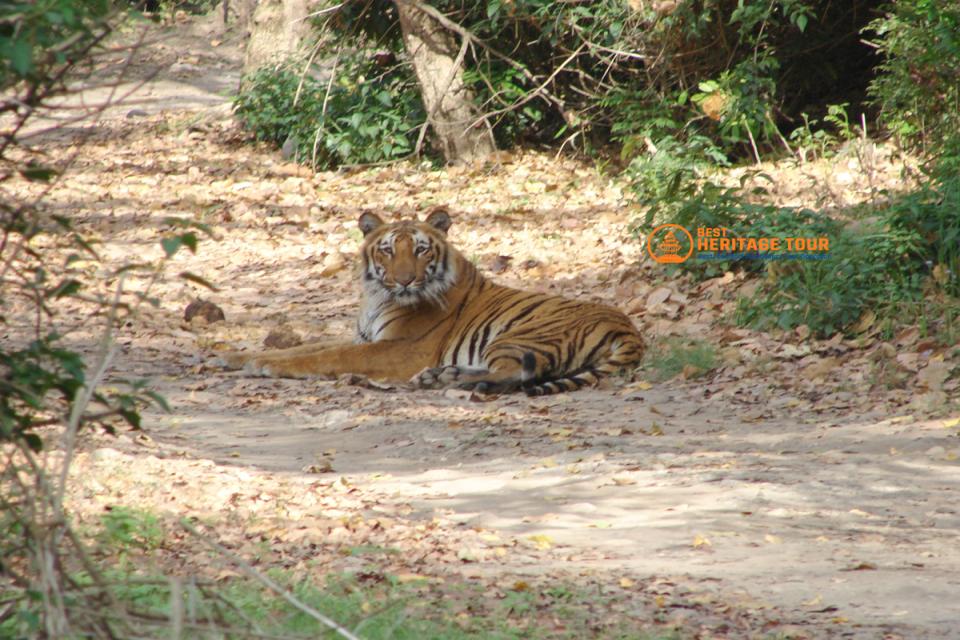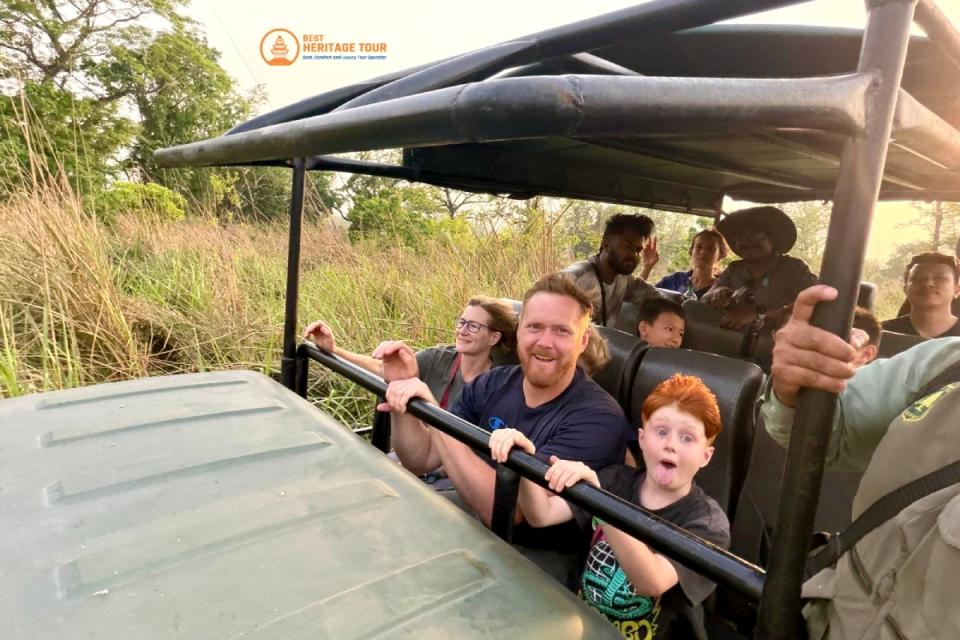
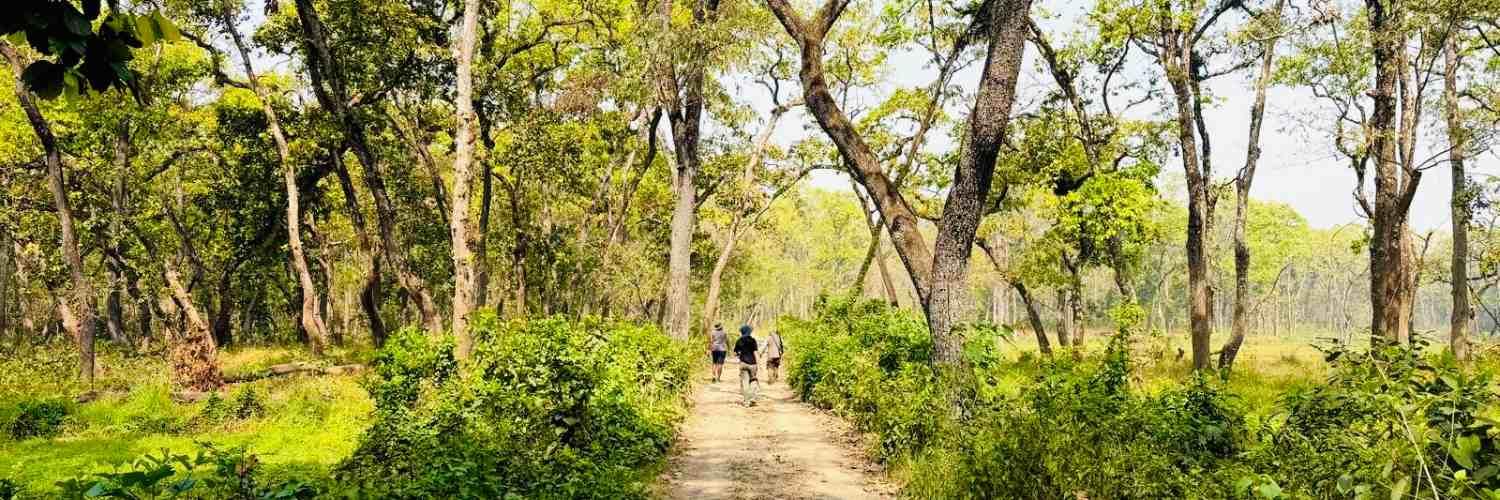
Stepping onto the leaf-strewn forest floor of Nepal's Terai lowlands, the ambient sounds of the jungle instantly wrap around you. The distant call of a spotted deer echoes through the mist - a sharp, high-pitched alarm warning the forest that a predator is nearby. Every rustle in the tall elephant grass stops you in your tracks. At Best Heritage Tour, with years of experience leading naturalists, wildlife photographers, trekkers, and family travelers through Nepal's dense wilderness, we know this feeling well. There is no thrill quite like tracking the legendary Royal Bengal Tiger in its natural habitat.
Nepal has emerged as one of the world's premier wildlife conservation success stories. But to catch a glimpse of this majestic big cat, timing and location are everything. Whether you are looking to combine a high-altitude Himalayan trek with a lowland jungle expedition or planning a dedicated family eco-safari, this guide breaks down the best time for tiger safari in Nepal, compares the top reserves - Bardia National Park and Chitwan National Park - and explores the latest tiger population in Nepal.
The Latest Tiger Population in Nepal: A Global Conservation Milestone
When planning a safari, travelers naturally ask: What are my actual chances of seeing a tiger?
To understand your odds, it helps to look at the numbers. Nepal has achieved monumental success in wild tiger conservation. In the historic National Tiger and Prey Base Survey, Nepal officially announced that its wild Royal Bengal Tiger population has reached 429 individuals.
Nepal is one of the few nations on Earth to nearly quadruple its wild tiger population since 2010. For travelers, this means higher population densities, healthier ecosystems, and significantly better odds of a sighting than anywhere else in South Asia.
Where Are Nepal’s Tigers Located?
The wild tiger population is concentrated across five main protected areas in the southern Terai belt:
|
Protected Area |
Tiger Count |
Key Highlight for Safari Travelers |
|---|---|---|
|
Chitwan National Park |
145 |
Highest tiger count, accessible, rich biodiversity, luxury lodges. |
|
Bardia National Park |
112 |
Highest territory density per sq km, raw wilderness, on-foot tracking. |
|
Parsa National Park |
71 |
Rapid population growth, prime corridor connecting to Chitwan. |
|
Banke National Park |
51 |
Adjoins Bardia, serving as an expanded buffer landscape. |
|
Shuklaphanta National Park |
50 |
Expansive open grasslands, excellent visibility for deer and big cats. |
While Parsa, Banke, and Shuklaphanta offer fantastic habitat growth, Chitwan and Bardia remain the two undisputed destinations for organized wildlife safaris.
Best Place for Tiger Safari in Nepal: Bardia vs. Chitwan
Choosing the best place for tiger safari in Nepal comes down to your preferred travel style, available time, and desired level of adventure. Both parks offer incredible tiger habitats, but their ground experiences are distinctly different.
Bardia National Park: The Wilderness & Wildlife Tracker’s Favorite
Located in Nepal's far mid-western region, Bardia covers 968 square kilometers of pristine sal forest, riverine woodlands, and tall savannah grasslands. It is less commercialized than Chitwan, offering an immersive safari experience.
-
The Tiger Sighting Advantage: Bardia is famous for focused tiger tracking. Because visitor volume is low and human movement inside designated zones is strictly managed, wildlife behaves naturally.
-
Unique Safari Style: Bardia is one of the few national parks in Asia where walking safaris are permitted alongside private open-top 4WD jeep safaris and quiet river drift rafts down the Karnali and Geruwa rivers.
-
Vibe: Remote, quiet, adventurous, and authentic.
-
Best Suited For: Photographers, seasoned wildlife enthusiasts, naturalists, and trekkers looking to step off the beaten track.
Chitwan National Park: The Accessible Classic with Rich Biodiversity
As Nepal’s first national park and a UNESCO World Heritage Site, Chitwan spans 952 square kilometers in the south-central valley. With 145 resident tigers, Chitwan boasts the single largest population in the country.
-
The Wildlife Diversity Advantage: Beyond big cats, Chitwan is home to the world's second-largest population of the Greater One-Horned Rhinoceros, along with sloth bears, gharial crocodiles, Asian elephants, and over 500 bird species.
-
Comfort & Accessibility: Located just a 5-hour drive or a quick 25-minute flight from Kathmandu to Bharatpur, Chitwan offers high accessibility. Accommodation ranges from eco-lodges to high-end luxury safari resorts along the Rapti and Narayani rivers.
-
Vibe: Established, comfortable, highly diverse, and cultural.
-
Best Suited For: Family groups, luxury travelers, first-time safari goers, and holiday makers tight on transit time.
PARK COMPARISON AT A GLANCE
|
Feature |
Bardia National Park |
Chitwan National Park |
|
Tiger Population |
112 tigers |
145 tigers |
|
Commercial Density |
Low (Raw Wilderness) |
Moderate to High |
|
Primary Safari Mode |
Walking Safaris, 4WD Jeeps |
4WD Jeeps, River Canoeing |
|
Accommodation Style |
Cozy Eco-Lodges & Homestays |
Luxury Resorts & Boutique |
|
Travel Effort |
Higher (Flight + Drive) |
Easy (Short Flight/Drive) |
Best Time for Tiger Safari in Nepal: Season-by-Season Guide
Timing your travel is the single most important factor for securing a wild tiger sighting. The Terai lowlands undergo massive seasonal shifts that alter vegetation height, water availability, and animal behavior.
Spring (February to May): Peak Sighting Season
If your absolute top priority is seeing a Royal Bengal Tiger, March, April, and May form the golden window.
-
Why it Works: As summer sets in, temperatures rise (reaching 35°C-40°C / 95°F-104°F). Water sources inside the deep jungle dry up, forcing tigers out of dense cover toward permanent waterholes, riverbanks, and shaded riverine corridors.
-
Visibility: Park authorities cut and burn the tall elephant grass early in the year. The shortened vegetation provides clear line-of-sight across open terrain.
-
Guide’s Tip: Position yourself patiently near known waterholes or river intersections during morning and late afternoon watches.
Autumn (October to December): Ideal Weather & Lush Landscapes
Autumn is the most popular time to visit Nepal overall, ideal for combining high-mountain trekking with a lowland wildlife tour.
-
Why it Works: Clear post-monsoon skies, pleasant temperatures (20°C-28°C / 68°F-82°F), and comfortable jungle conditions make full-day safaris enjoyable.
-
Visibility: Wildlife is active, though dense foliage and tall grass following the summer rains mean tracking requires a skilled local naturalist who reads pugmarks, scratch post trees, and prey alarm calls.
Winter (December to January): Crisp Days & Birdwatching
-
Conditions: Mornings bring heavy mist and cool temperatures, clearing into bright, sunny afternoons.
-
Safari Focus: While tiger tracking requires more patience due to morning fog, winter is exceptional for birdwatching, as thousands of migratory waterfowl arrive from Siberia and Central Asia.
Summer / Monsoon (June to September): The Off-Season
-
Conditions: Heavy rains flood river channels, make jungle tracks impassable for vehicles, and cause vegetation to explode in density. Safari operations are largely closed or restricted during these months for safety and conservation.
How We Track Tigers: The Safari Experience
At Best Heritage Tour, our approach to safari relies on traditional field skills combined with modern conservation knowledge. A tiger safari is not just a drive through the woods; it is an active, strategic pursuit led by expert local naturalists.
1. Deciphering the Jungle Telegraph
Tigers are elusive, solitary apex predators that rely on stealth. We find them by listening to the forest:
-
Alarm Calls: Deer (sambar and spotted deer), grey langur monkeys, and peacocks react to a tiger’s presence with distinct warning calls that ripple through the jungle.
-
Pugmark Tracking: Checking fresh tracks along soft sandy riverbeds, mud holes, and dusty jungle tracks tells us the tiger's size, gender, speed, and direction of travel.
-
Territorial Signs: Fresh scent marks on trees, claw scratches on bark, and scat indicate an active patrol route.
2. Tailored Safari Activities
To maximize your experience, we blend distinct safari modes:
-
Private 4WD Jeep Safaris: Deep-jungle drives cover vast territories, accessing remote waterholes and river crossings where tigers lounge during warm hours.
-
Guided Walking Safaris (Bardia): Accompanied by experienced naturalists, on-foot tracking allows you to move quietly, absorbing the jungle using all your senses.
-
River Safaris & Drift Rafting: Floating silently down the Karnali (Bardia) or Rapti (Chitwan) rivers provides an vantage point for spotting wildlife as animals step out onto gravel banks to drink.
Travel Tips for Families, Trekkers, and Tourists
To get the absolute most out of your Nepal tiger safari, consider these practical planning tips:
For Trekkers & Adventurers
-
The Perfect Lowland-Highland Combo: After completing the Everest Base Camp, Annapurna Circuit, or Langtang trek, your body needs rest. A 3-to-4-night jungle safari in Bardia or Chitwan serves as an ideal low-altitude active recovery phase before flying home.
For Families & Multi-Generational Groups
-
Choose Chitwan for Convenience: With paved access roads, short domestic flight transfers, comfortable family-friendly resorts, and smooth jeep tracks, Chitwan minimizes travel fatigue for children and seniors.
-
Engage in Cultural Immersion: Combine safari drives with visits to indigenous Tharu villages to learn about local architecture, traditions, and centuries-old harmonious co-existence with forest wildlife.
Conclusion
Nepal’s lowlands offer one of the most rewarding wilderness experiences in Asia. With wild tiger populations reaching historic highs across Chitwan and Bardia National Parks, there has never been a better time to plan a tiger tracking safari.
Whether you choose the wild tracks of Bardia on foot or the classic wildlife richness of Chitwan, Best Heritage Tour brings years of destination expertise, local naturalist connections, and tailored itineraries to ensure your safety, comfort, and safari success.
Contact Best Heritage Tour
Ready to track the King of the Jungle in the wild heart of Nepal? Let our travel experts craft a personalized safari package tailored to your schedule, budget, and travel style.
Phone / WhatsApp / Viber: +977-9851149197 / +977-9810043046
Email: info@bestheritagetour.com / bestheritagetour@gmail.com
Website: www.bestheritagetour.com
Office: Thamel Marg, Kathmandu, Nepal
Frequently Asked Questions (FAQs)
What is the best month to see wild tigers in Nepal?
March through May (spring) is the single best period. As jungle water sources dry up in the summer heat, tigers frequently visit open riverbanks and permanent waterholes, while cut grass significantly improves visibility.
Is Chitwan or Bardia better for a tiger safari?
Choose Bardia for raw wilderness, quieter foot tracking, and higher sighting odds per safari. Choose Chitwan for luxury lodges, easy access from Kathmandu, and a richer mix of species like rhinos and crocodiles.
Are tiger safaris in Nepal safe for families and children?
Yes, safaris are safe when conducted by licensed naturalists. For families with children, Chitwan National Park is ideal due to its comfortable open-top 4WD jeep safaris, accessible roads, and family-friendly resorts.
How many wild tigers currently live in Nepal?
According to the latest National Tiger Survey, Nepal is home to 429 wild Royal Bengal Tigers, with 145 in Chitwan and 112 in Bardia leading as the top habitats.
Author: Best Heritage Tour
Date: 24th August, 2026