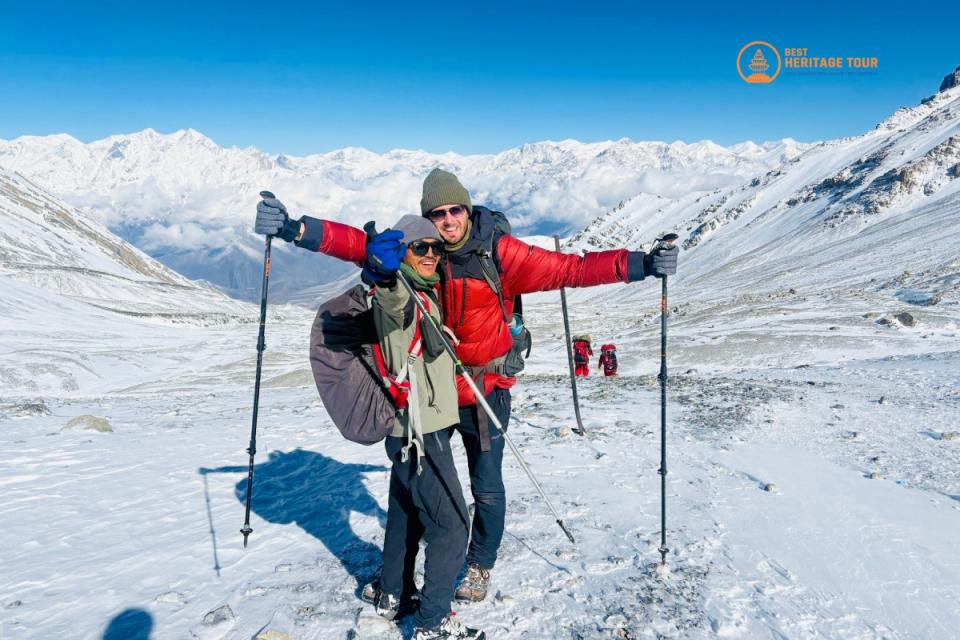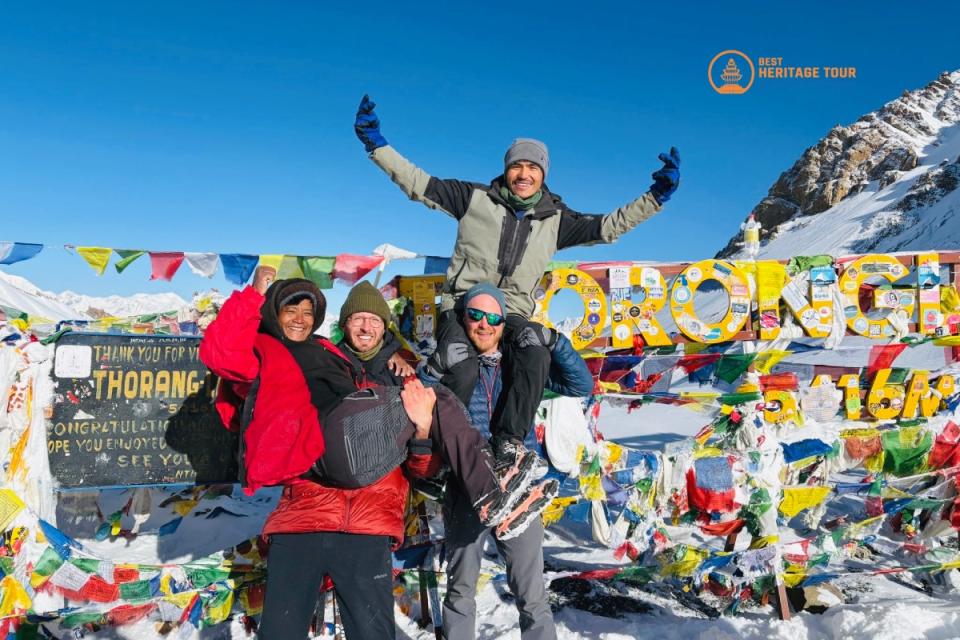
The Annapurna Circuit is often whispered about in trekking circles as the "holy grail" of Himalayan adventures. Circling the massive Annapurna massif, this trek takes you from the lush, subtropical lowlands of Lamjung through the arid, Tibetan-style plateaus of Manang, and finally over the legendary Thorong La Pass (5,416m).
At Best Heritage Tour, we have guided thousands of adventurers through these trails. One question consistently dominates our inbox: "When is the best time to trek the Annapurna Circuit?"
Choosing the right window isn’t just about comfort; it’s about visibility, safety at high altitudes, and the type of cultural experience you wish to have. In this comprehensive guide, we break down the seasons, the weather, and the unique charms of the Annapurna region to help you plan the journey of a lifetime.
The Short Answer: When is the Best Time for Annapurna Circuit Trek?
If you are looking for the perfect balance of stable weather, safe trail conditions, and crystal-clear mountain views, the Best Season for Annapurna Circuit Trek falls into two distinct windows:
-
Autumn (September to November): Peak season with the clearest skies.
-
Spring (March to May): The season of blooming rhododendrons and warmer days.
While these are the "golden windows," each month in Nepal offers something different. Below, we dive deep into the specifics of each season.
1. Annapurna Circuit Trek in Autumn (September - November)
The Gold Standard of Himalayan Trekking
For many, Autumn is the undisputed champion. After the monsoon rains wash away the dust and haze, the atmosphere is at its most transparent.
Weather & Visibility
In Autumn, the weather is exceptionally stable. You can expect bright, sunny days and deep blue skies that provide high-definition views of Annapurna I, Dhaulagiri, and Machapuchare.
-
September: The early weeks may still see some lingering monsoon clouds, but by mid-month, the trails dry up. The landscape is incredibly lush and green.
-
October: This is widely considered the Best Time for Annapurna Circuit Trek. The air is crisp, the temperature is moderate, and the risk of the Thorong La Pass being blocked by snow is at its lowest.
-
November: Temperatures begin to drop, especially at night, but the visibility remains world-class. It is a favorite for photographers seeking that perfect Himalayan sunrise.
Why Choose Autumn?
-
Peak Safety: Dry trails mean less slipping and a lower risk of landslides in the lower regions.
-
Festivals: You may get to witness major Nepalese festivals like Dashain and Tihar, adding a rich cultural layer to your trek.
-
Social Atmosphere: Since it’s peak season, the teahouses are buzzing with travelers from around the world.
2. Annapurna Circuit Trek in Spring (March - May)
A Symphony of Color and Life
If Autumn is about clarity, then Spring is about vibrancy. As the winter snow melts, the trail transforms into a botanical garden.
The Floral Spectacle
The Annapurna Circuit Trek in Spring is famous for the blooming Rhododendrons (Nepal’s national flower). Entire hillsides turn shades of crimson, pink, and white, particularly between Ghorepani and Tadapani.
-
March: Early spring still holds a bit of a winter chill. Higher elevations may have lingering snow, making the crossing of Thorong La a bit more adventurous (crampons or micro-spikes are sometimes recommended).
-
April: This is the "sweet spot" of spring. The weather is warm at lower altitudes, and the mountain views are generally clear in the mornings.
-
May: The warmest trekking month. While it can get quite hot in the lower valleys (like Besisahar), the higher altitudes are very comfortable. Note that late May can bring some pre-monsoon haze.
Why Choose Spring?
-
Wildlife & Flora: Great for nature lovers; you’re more likely to see Himalayan Tahrs or various bird species.
-
Warmer Nights: Unlike the freezing temperatures of late Autumn, Spring nights are much more manageable for those who dislike the cold.
-
Longer Days: More daylight means you can take a slower pace and enjoy more "sun-downers" at the teahouses.
3. Trekking in the Shoulder Seasons: Winter and Monsoon
For the Solitude Seekers
At Best Heritage Tour, we believe every season has its charm, but winter and monsoon require a different level of preparation and mindset.
Winter (December - February)
Winter brings biting cold and heavy snow.
-
The Challenge: Thorong La Pass often closes due to heavy snow. If the pass is closed, you may have to turn back or fly out from Jomsom.
-
The Reward: You will have the trails entirely to yourself. The mountain views are stunningly white, and the photography is unique. You’ll need professional-grade cold-weather gear.
Monsoon (June - August)
While most of Nepal experiences heavy rain, parts of the Annapurna Circuit (like Manang and Mustang) lie in a Rain Shadow.
-
The Challenge: The trek's starting points (Besisahar/Lamjung) will be wet, muddy, and prone to leeches.
-
The Reward: Once you cross into the Manang valley, the rain subsides. You’ll see rare alpine flowers and experience the "Forbidden Kingdom" of Mustang in its greenest state.
Comparison Table: Annapurna Circuit by Season
|
Feature |
Autumn |
Spring |
Winter |
Monsoon |
|---|---|---|---|---|
|
Visibility |
Excellent / Crystal Clear |
Good / Occasional Haze |
Excellent |
Poor (Clouds) |
|
Temperature |
Moderate to Cold |
Moderate to Warm |
Very Cold (Sub-zero) |
Hot & Humid |
|
Crowds |
High (Peak) |
Medium-High |
Very Low |
Low |
|
Flora/Fauna |
Golden Harvests |
Blooming Rhododendrons |
Snow-covered |
Lush Greenery |
|
Pass Status |
Usually Open |
Mostly Open |
Risk of Closure |
Open (but muddy) |
Expert Tips for Your Annapurna Journey
Regardless of the Best Season for Annapurna Circuit Trek you choose, our guides at Best Heritage Tour recommend the following:
-
Acclimatize Right: Always spend at least two nights in Manang (3,540m) before attempting the pass.
-
Gear Matters: In Spring/Autumn, layer your clothing. A down jacket is essential for the nights, while moisture-wicking shirts are best for the daytime sun.
-
Hydration: The dry mountain air dehydrates you faster than you realize. Aim for 3-4 liters of water daily to help prevent Altitude Sickness.
-
Permits: Ensure you have your ACAP (Annapurna Conservation Area Permit) and TIMS card. As a professional agency, we handle all these logistics for our guests.
Conclusion
Choosing the Best Time for Annapurna Circuit Trek depends on your priorities. If you want the safest conditions and the sharpest photos, October and November are your best bets. If you want to see the Himalayas in full bloom with slightly warmer temperatures, April and May will not disappoint.
The Annapurna Circuit is more than just a hike; it is a transition through cultures, climates, and personal limits. At Best Heritage Tour, we pride ourselves on providing not just a guide, but a gateway to the heart of the Himalayas.
Start Planning Your Adventure Today!
Are you ready to cross the Thorong La Pass? Whether you are a solo traveler or a group of friends, we are here to tailor the perfect itinerary for you.
Contact Best Heritage Tour:
Phone / WhatsApp / Viber: +977-9851149197 / +977-9810043046
Email: info@bestheritagetour.com / bestheritagetour@gmail.com
Website: www.bestheritagetour.com
Office: Thamel Marg, Kathmandu, Nepal
Author: Best Heritage Tour
Date: 28th April, 2026