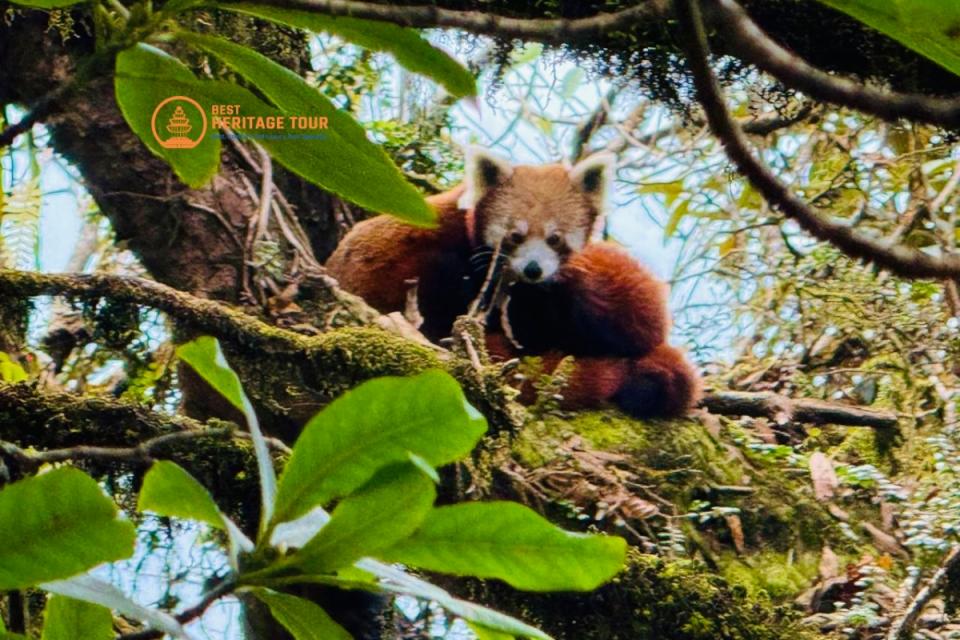
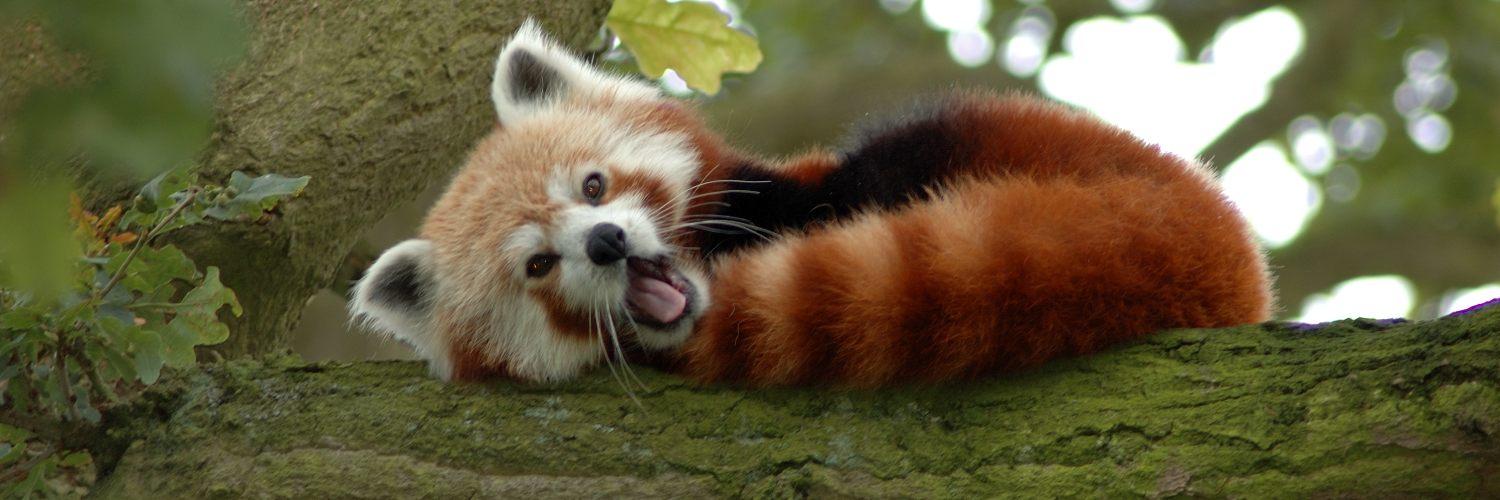
Nepal is globally renowned for its dramatic mountain ranges, rich cultural heritage, and iconic mega-fauna like the Bengal tiger and one-horned rhinoceros. However, tucked away in the high-altitude temperate and sub-alpine cloud forests lives one of the world's most elusive, charismatic, and endangered mammals: the red panda (Ailurus fulgens).
For international wildlife photographers, documentary makers, and avid nature enthusiasts, tracking the red panda in its natural Himalayan habitat is a bucket-list expedition. Two primary destinations stand out for this specialized journey: the Langtang region in central Nepal and Ilam in the far eastern hills.
As experienced local travel planners and guides, we explore how Red Panda Tracking in Langtang region compares directly with Red Panda tracking in Ilam, helping you determine the best place to spot red panda in Nepal based on your specific expedition goals, timeline, and photography requirements.
Understanding the Target: The Red Panda's Habitat Requirements
Before comparing regions, it is essential to understand why these creatures are localized to specific pockets. Red pandas depend heavily on:
-
Dense Bamboo Understories: Bamboo shoots and leaves constitute over 85-90% of their daily diet.
-
Temperate/Sub-alpine Altitudes: They typically thrive between 2,200 meters and 4,000 meters where cool, misty cloud forests prevail.
-
Arboreal Sanctuary: They spend the majority of their time high in tree branches, using their thick, ringed tails for balance and warmth.
Because they are predominantly crepuscular (most active at dawn and dusk) and naturally solitary, sighting them requires deep ecological knowledge, patience, and expert local tracking.
Red Panda Tracking in Langtang Region: Central Himalayan Wilderness
The Langtang region, anchored by the magnificent Langtang National Park, is one of Nepal’s premier protected areas and sits remarkably close to Kathmandu. Established in 1976 as Nepal's first Himalayan national park, Langtang spans an altitudinal gradient that harbors nearly 25% of Nepal's total red panda population.
Key Habitats: Cholangpati and Thulo Syabru
Specific pockets within the region - such as the ridge lines around Cholangpati (approx. 3,600 meters) and the dense bamboo forests near Thulo Syabru - are globally recognized hotspots for red panda research and viewing.
Why Choose Langtang for Wildlife Tracking and Photography?
-
Accessibility: Langtang National Park is easily accessible via a scenic 6- to 7-hour drive from Kathmandu, making it an efficient choice for documentary crews or photographers operating on tighter schedules.
-
High Population Density: Due to intensive conservation monitoring and community forest guard programs, the density of red pandas in designated zones of Rasuwa and Nuwakot districts is remarkably high.
-
Combined Mountain and Wildlife Views: Expeditions in Langtang offer sweeping backdrops of snow-capped peaks like Langtang Lirung, Ganesh Himal, and Dorje Lakpa, adding dramatic scale to documentary framing and landscape photography.
-
Infrastructure: While remote enough to protect wildlife corridors, the route features established teahouses and community lodges, providing reliable bases for multi-day tracking operations.
Red Panda Tracking in Ilam: Eastern Cloud Forests and Community Conservation
In the rolling green hills of far eastern Nepal lies Ilam, a district world-famous for its cascading tea gardens. Beyond the plantations, however, the high-altitude cloud forests of areas like Dobato, Mai Pokhari, and Sandakphu form a vital link in the trans-boundary Kanchenjunga Landscape conservation corridor.
The Community-Led Conservation Model
Red panda tracking in Ilam is unique because it is heavily centered around community-based forest stewardship and the Red Panda Network. Local forest guardians - often former poachers turned zealous protectors - manage homestay networks and guide small groups through pristine, lesser-traveled habitats.
Why Choose Ilam for an Off-the-Beaten-Path Expedition?
-
Absolute Solitude: Unlike central trekking corridors, Ilam’s red panda trails experience minimal general tourist traffic. This low human disturbance creates a quiet, undisturbed environment ideal for audio recording (crucial for documentary filmmakers capturing ambient wildlife sounds) and patient photography.
-
Immersive Cultural Exchange: Accommodations primarily consist of authentic village homestays, offering deep insights into the local Rai, Limbu, and Sherpa cultures.
-
Rich Biodiversity: The eastern cloud forests boast incredible floral diversity, including massive cascading rhododendrons, rare orchids, and diverse avian species, making it a paradise for macro and bird photographers alike.
Head-to-Head Comparison: Langtang vs. Ilam
|
Feature |
Red Panda Tracking in Langtang |
Red Panda Tracking in Ilam |
|---|---|---|
|
Geographic Location |
Central Nepal (Rasuwa/Nuwakot Districts) |
Far Eastern Nepal (Ilam/Dobato/Mai Pokhari) |
|
Travel Time from Kathmandu |
Short (approx. 6-7 hours drive to trailhead) |
Longer (Domestic flight to Bhadrapur + overland drive) |
|
Scenery & Backdrops |
High alpine peaks, rugged glaciers, and dramatic gorges |
Rolling green hills, endless tea estates, and cloud forest ridges |
|
Crowd Levels |
Moderate trek traffic on main routes; quiet in tracking zones |
Extremely low tourist traffic; highly remote and raw |
|
Accommodation Style |
Mountain teahouses and mountain lodges |
Authentic community homestays and rural eco-lodges |
|
Primary Advantage |
Higher density tracking spots close to Kathmandu with alpine grandeur |
Unspoiled eastern wilderness and community-integrated conservation |
Essential Tips for Wildlife Photographers and Documentarians
Whether you choose the towering ridges of Langtang or the misty cloud forests of Ilam, tracking endangered wildlife requires specialized preparation:
-
Invest in Telephoto Lenses: Red pandas spend most of their day resting high in the canopy. A focal length of at least 300mm to 600mm is recommended to capture crisp details without invading the animal's comfort zone.
-
Prioritize Early Mornings and Late Afternoons: Red pandas are most active during early dawn and dusk transitions. Plan your stationary scanning sessions accordingly.
-
Muted Gear and Quiet Movement: Wear neutral-colored, earth-tone clothing that blends into forest environments. Avoid synthetic fabrics that rustle loudly against brush and bamboo.
-
Partner with Certified Local Trackers: Spotting a motionless, reddish-brown coat against a backdrop of moss-covered tree bark and red bamboo leaves is exceptionally difficult for untrained eyes. Local forest guides who monitor daily nesting patterns double your chances of success.
Conclusion
Choosing the best place to spot red panda in Nepal depends entirely on the atmosphere you seek for your journey. If your priority is a time-efficient expedition combining dramatic Himalayan mountain vistas with high-density tracking zones, Langtang National Park is an exceptional choice. If you are looking for an off-the-beaten-path cultural immersion in remote eastern cloud forests with zero tourist congestion, Ilam offers an unmatched wilderness experience.
At Best Heritage Tour, we design specialized, ethically managed wildlife expeditions tailored to the precise needs of photographers, researchers, and nature lovers.
Ready to spot the Red Panda!!!
Phone / WhatsApp / Viber: +977-9851149197 / +977-9810043046
Email: info@bestheritagetour.com / bestheritagetour@gmail.com
Website: www.bestheritagetour.com
Office: Thamel Marg, Kathmandu, Nepal
Frequently Asked Questions (FAQ)
When is the best time of year to track red pandas in Nepal?
The optimal seasons are spring (March to May) and autumn (September to November) when weather is stable and forest trails are dry and accessible.
Are red panda sightings guaranteed on these treks?
Because red pandas are wild, endangered animals, sightings can never be 100% guaranteed. However, utilizing expert local trackers in established habitats like Langtang or Ilam significantly increases your probability of success.
What physical fitness level is required for red panda tracking?
A moderate level of fitness is required. Tracking involves hiking off the main trails on steep, uneven forest floors at elevations ranging from 2,500 to 3,600 meters.
Author: Best Heritage Tour
Date: 9th August, 2026