Kathmandu Valley is one of Nepal’s most fascinating destinations for travelers interested in history, architecture, religion, and traditional culture. Beyond its busy streets and modern city life, the valley preserves ancient royal squares, sacred temples, Buddhist monasteries, traditional Newari settlements, and lively historic markets.
For trekkers, travelers, and tourists visiting Nepal, exploring the cultural heritage sites around Kathmandu Valley is an excellent way to understand the country before or after a Himalayan adventure. The region brings together Hindu and Buddhist traditions, centuries-old craftsmanship, and local customs that continue to shape everyday life.
At Best Heritage Tour, we believe that discovering a destination means more than simply visiting famous landmarks. Understanding the stories, traditions, and people connected to each place makes the experience more meaningful. From the seven UNESCO World Heritage monument zones to lesser-known cultural destinations such as Budhanilkantha, Kirtipur, and Pharping, this guide introduces some of the best cultural heritage sites to visit around Kathmandu Valley.
1. Seven UNESCO World Heritage Monument Zones in Kathmandu Valley
The Kathmandu Valley UNESCO World Heritage property was inscribed in 1979. It consists of seven monument zones that represent the valley’s remarkable history, architecture, artistic traditions, and religious heritage. These zones include three historic Durbar Squares, two Buddhist stupas, and two Hindu temple complexes. Together, they provide an excellent introduction to Nepal’s cultural identity.
Kathmandu Durbar Square
Located in the historic heart of Kathmandu, Kathmandu Durbar Square was once the royal center of the Kathmandu Kingdom. The square is surrounded by ancient palaces, temples, courtyards, and traditional Newari buildings.
Major attractions include Hanuman Dhoka Palace, Kumari Ghar, and Kasthamandap. Visitors can admire traditional pagoda architecture, detailed wooden carvings, and historic palace courtyards while exploring the surrounding streets of old Kathmandu.
The nearby markets and traditional neighborhoods also offer a glimpse of local life, making this an interesting stop for travelers who want to experience both history and contemporary Kathmandu.
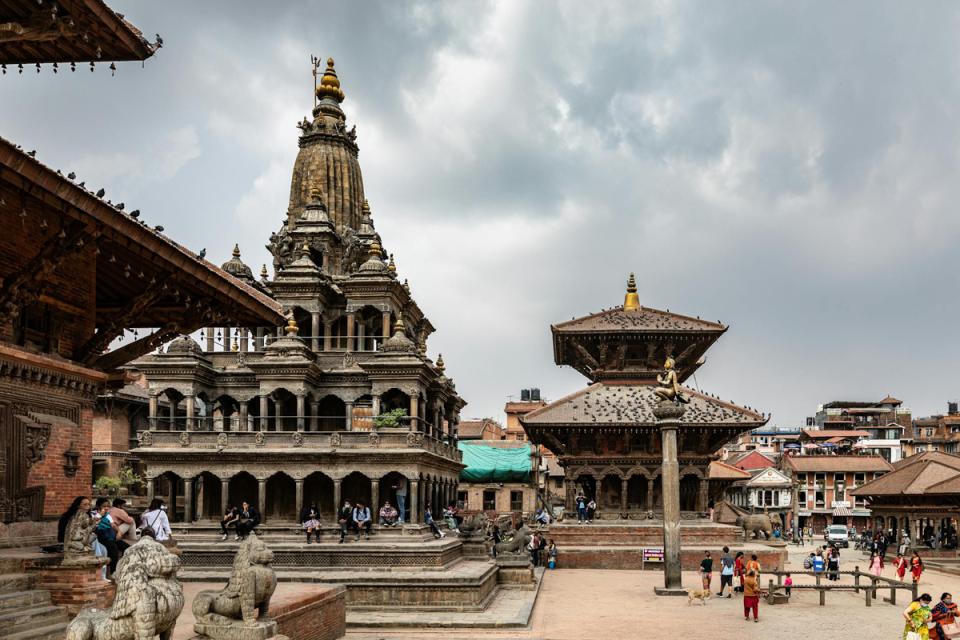
Patan Durbar Square
Patan Durbar Square, situated in Lalitpur, is renowned for its artistic heritage and traditional Newari craftsmanship. The historic square features beautiful temples, palace courtyards, stone sculptures, and intricately carved wooden structures.
Krishna Mandir is one of its most recognizable landmarks, while Patan Museum offers insight into Nepalese religious art and traditional metalwork.
Visitors can also explore nearby workshops and traditional streets, where local artisans continue to preserve skills passed down through generations.
Bhaktapur Durbar Square
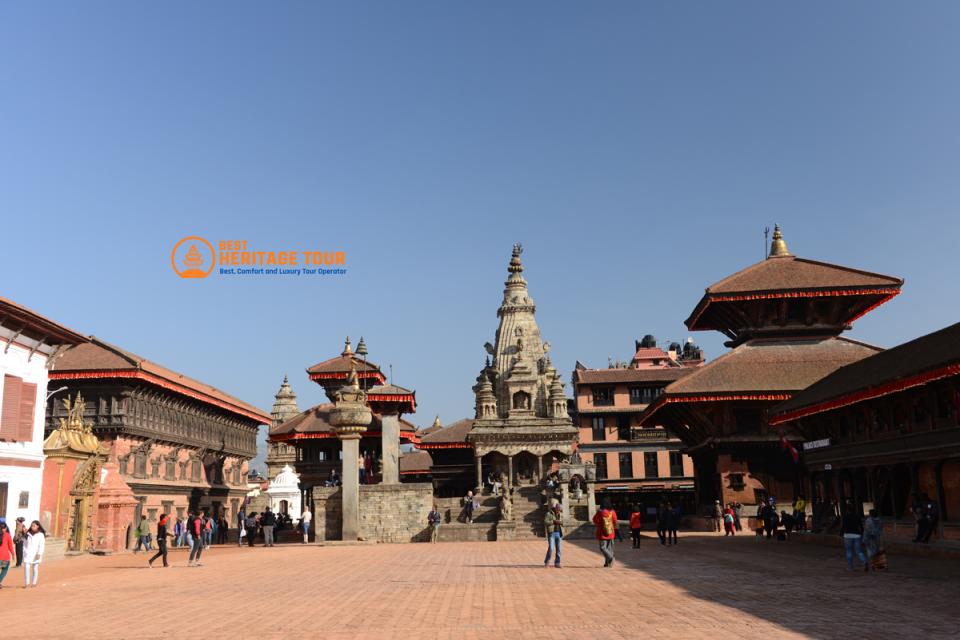
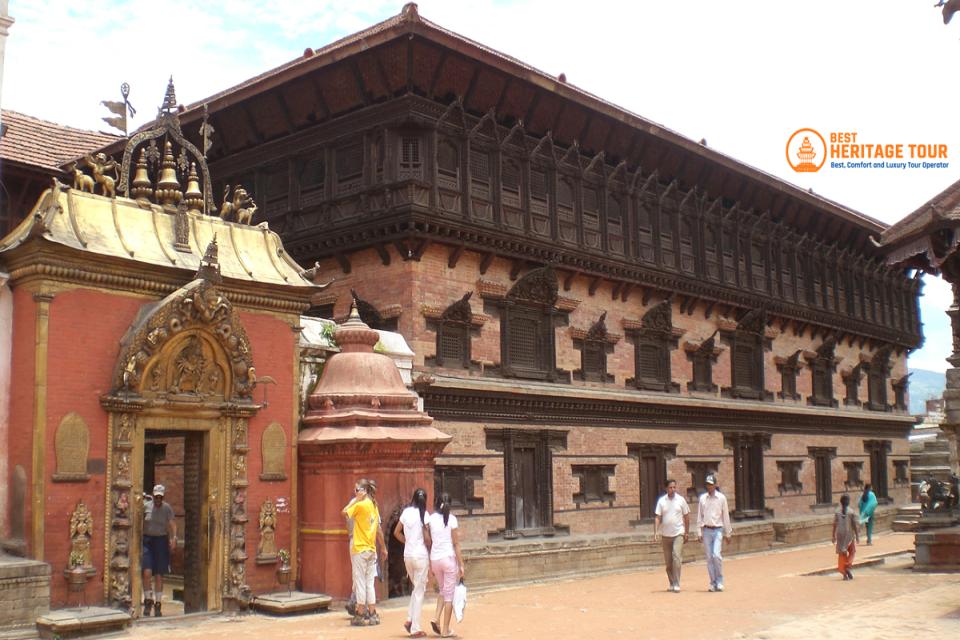
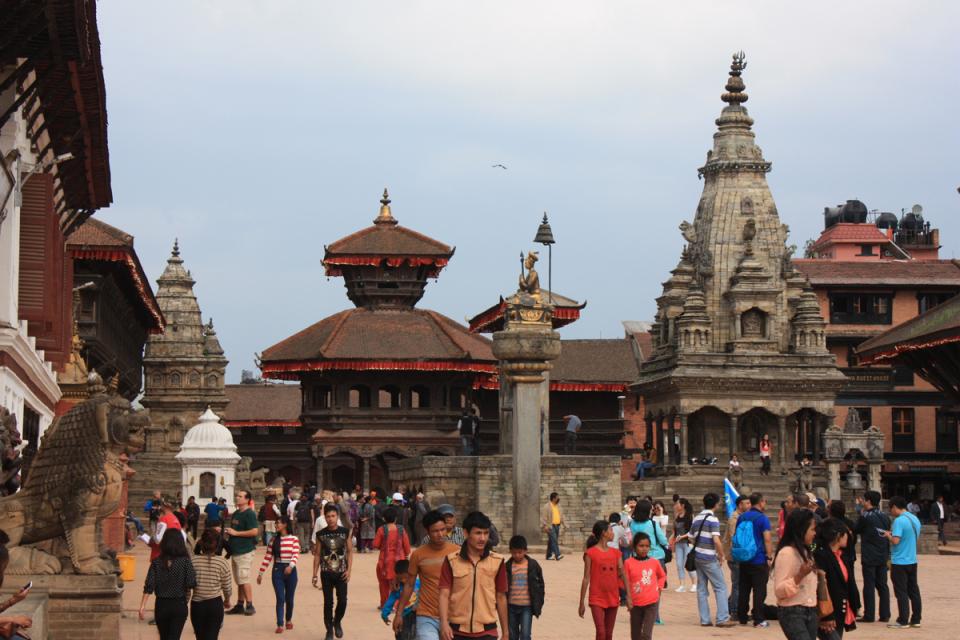
Bhaktapur Durbar Square is a historic royal complex known for its medieval atmosphere, traditional brick architecture, and remarkable woodcarving.
The Golden Gate, Palace of 55 Windows, and surrounding temples are among its major attractions. Nearby, Nyatapola Temple stands out for its impressive five-tiered pagoda structure.
Bhaktapur is also known for pottery-making traditions and local Newari food. Exploring its streets allows visitors to experience a historic city where traditional culture remains an important part of everyday life.
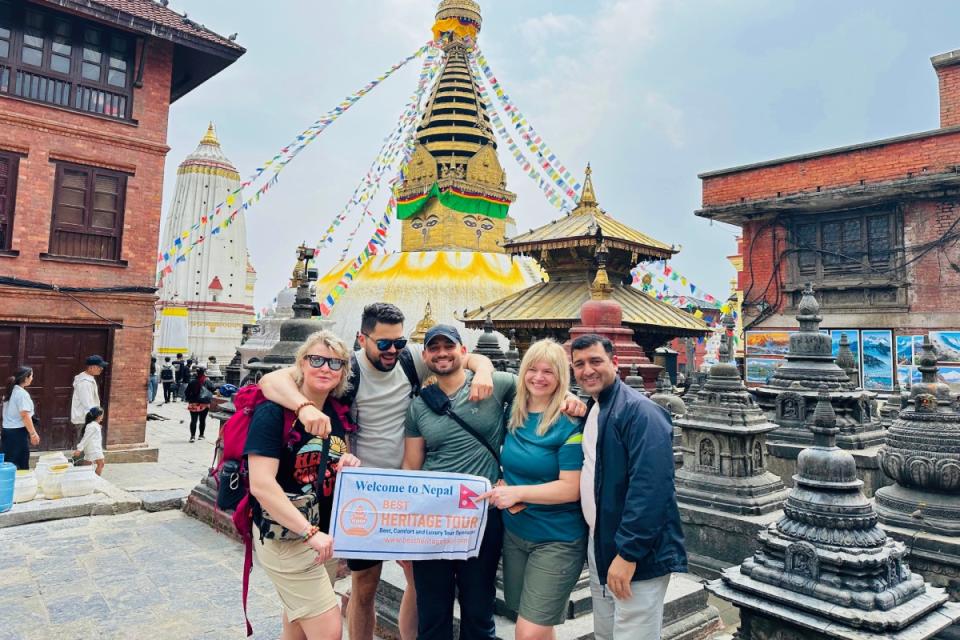
Swayambhunath Stupa
Swayambhunath, popularly known as the Monkey Temple, is a sacred Buddhist complex situated on a hill west of Kathmandu.
Its white dome, golden spire, Buddha eyes, prayer flags, and surrounding shrines make it one of the valley’s most recognizable landmarks. Visitors can explore the religious complex and enjoy panoramic views of Kathmandu.
The site is especially meaningful for travelers interested in Buddhist traditions and the relationship between spirituality and daily life in Nepal.
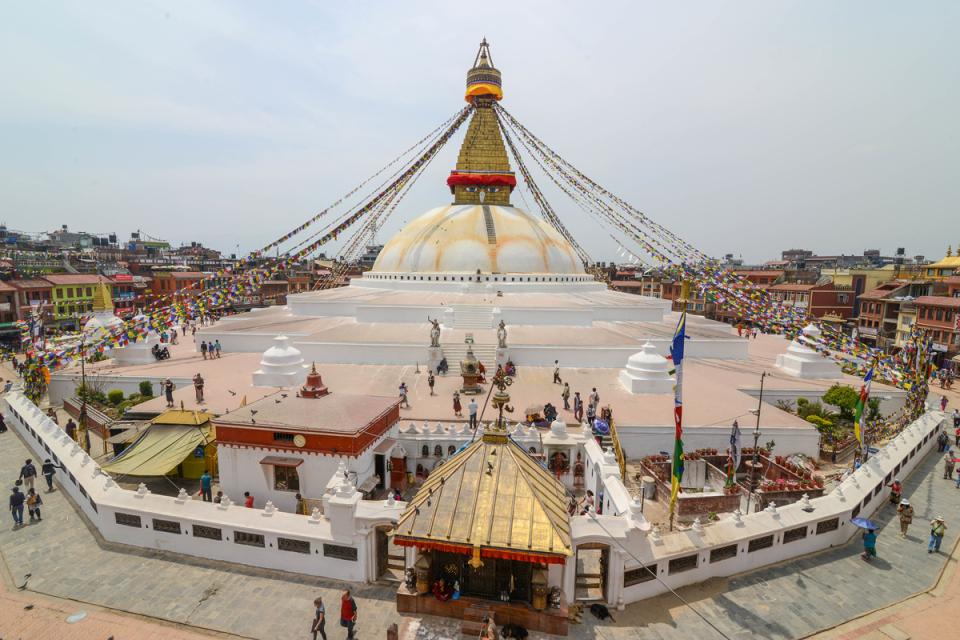
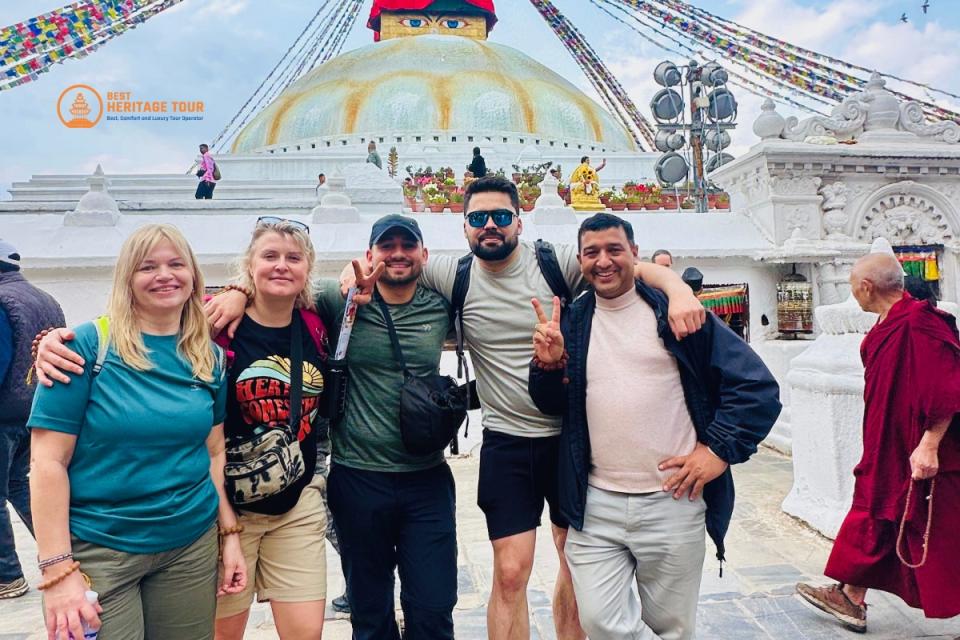
Boudhanath Stupa
Boudhanath Stupa is one of the largest Buddhist stupas in Nepal and an important center of Tibetan Buddhist culture.
The surrounding neighborhood contains monasteries, traditional shops, prayer wheels, and restaurants. Visitors often see monks, pilgrims, and local residents walking clockwise around the stupa while offering prayers.
The peaceful atmosphere and distinctive architecture make Boudhanath an essential stop on a Kathmandu Valley cultural tour.
Pashupatinath Temple
Pashupatinath Temple, located beside the Bagmati River, is one of Nepal’s most sacred Hindu pilgrimage sites. Dedicated to Lord Shiva, the temple complex contains historic shrines, traditional architecture, and important religious spaces.
Visitors can observe Hindu rituals from designated public areas and learn about the spiritual importance of the Bagmati River. Non-Hindu visitors are generally not permitted inside the main temple, but they can explore accessible areas around the complex.
Respectful behavior is important, especially around religious ceremonies and cremation areas.
Changu Narayan Temple
Changu Narayan Temple is a historic Hindu temple dedicated to Lord Vishnu, located on a ridge near Bhaktapur.
The temple is admired for its traditional architecture, detailed woodcarvings, stone sculptures, and ancient inscriptions. The surrounding settlement also reflects the traditional Newari culture of Kathmandu Valley.
For travelers interested in Nepal’s early history and religious art, Changu Narayan offers a valuable cultural experience.
These seven monument zones collectively illustrate the valley’s artistic achievements and the long-standing coexistence of Hindu and Buddhist traditions.
2. Budhanilkantha Temple: The Reclining Vishnu of Kathmandu
Budhanilkantha Temple, located at the northern edge of Kathmandu near the foothills of Shivapuri, is one of the most remarkable Hindu pilgrimage sites in the valley. The temple is famous for its enormous stone statue of Lord Vishnu reclining on a bed of coiled serpents in a sacred water pond.
The statue is carved from a single block of black stone and depicts Lord Vishnu in a peaceful reclining position. Devotees visit the temple to offer prayers, while visitors can admire the sculpture and observe the religious atmosphere surrounding the shrine.
The temple is particularly interesting for travelers who want to explore Hindu mythology, traditional sculpture, and local religious practices.
Budhanilkantha can also be combined with a visit to nearby Shivapuri foothill areas, depending on the itinerary and available time.
Why visit Budhanilkantha? Its distinctive reclining Vishnu statue, peaceful surroundings, and religious significance make it a memorable cultural stop during a Kathmandu sightseeing tour.
3. Kirtipur: Explore Traditional Newari Heritage
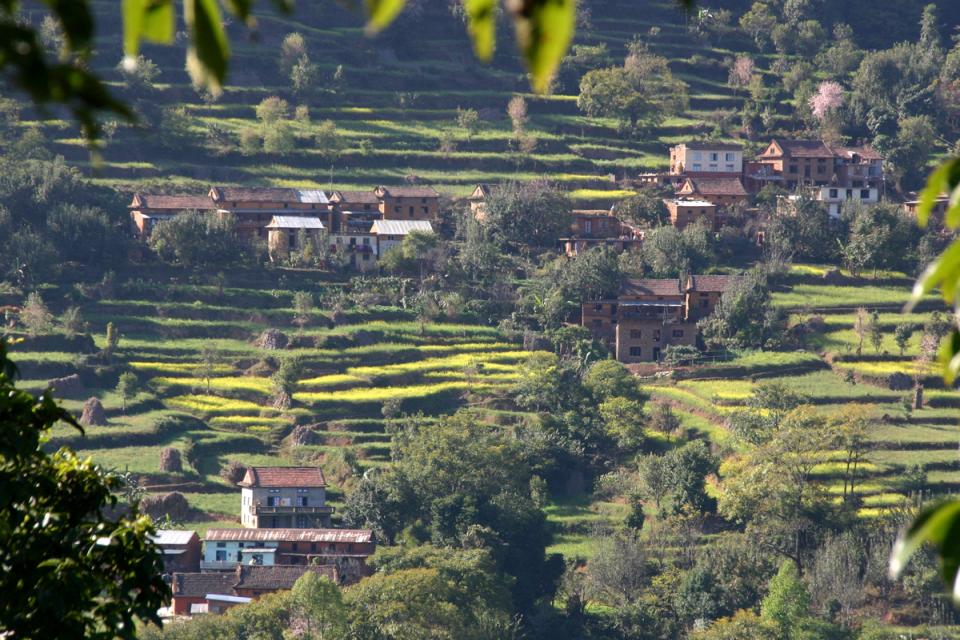
Kirtipur is a historic Newari town located southwest of central Kathmandu. Built along a ridge, the town is known for its traditional settlements, narrow streets, historic temples, and strong cultural identity.
Unlike the busy streets of central Kathmandu, Kirtipur offers visitors an opportunity to explore a traditional community at a slower pace. Its historic buildings, courtyards, and temples provide insight into the valley’s medieval urban culture.
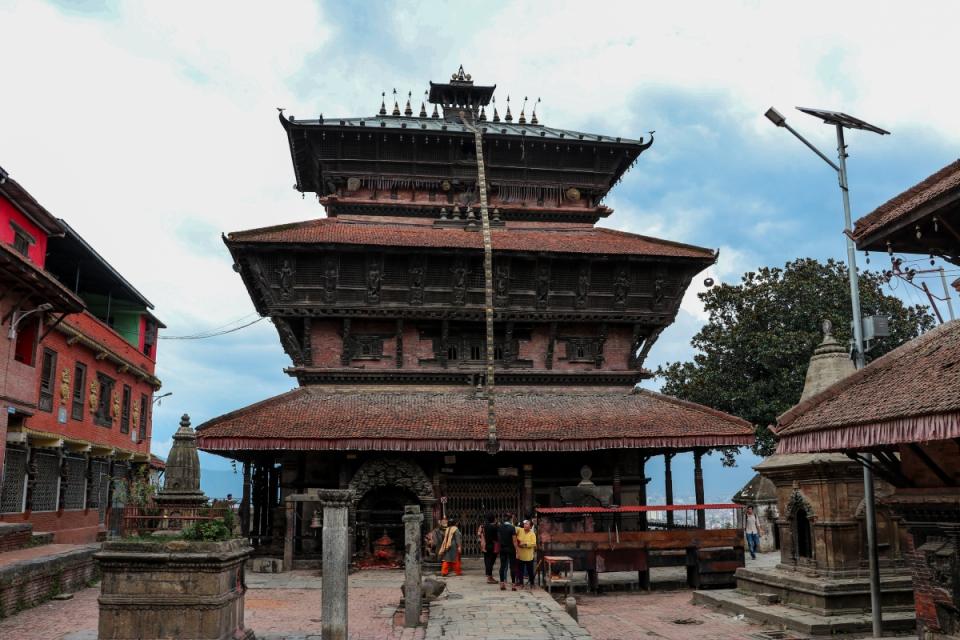
Bagh Bhairab Temple
Bagh Bhairab Temple is one of Kirtipur’s important religious landmarks. Dedicated to Bhairab, a form associated with Lord Shiva, the temple is connected with local traditions and religious practices.
Visitors can explore the surrounding historic neighborhood and observe the traditional architecture of the area.
Chilancho Vihar and Other Traditional Monuments
Kirtipur also contains historic Buddhist and Hindu monuments, including Chilancho Vihar and other traditional religious structures. These sites reflect the town’s cultural diversity and the long-standing relationship between Hindu and Buddhist communities.
Kirtipur’s medieval settlement has been included on UNESCO’s Tentative List, recognizing its historic architecture and cultural importance.
Why visit Kirtipur? It is an appealing destination for travelers interested in Newari culture, historic settlements, local food, traditional architecture, and a more relaxed cultural experience.
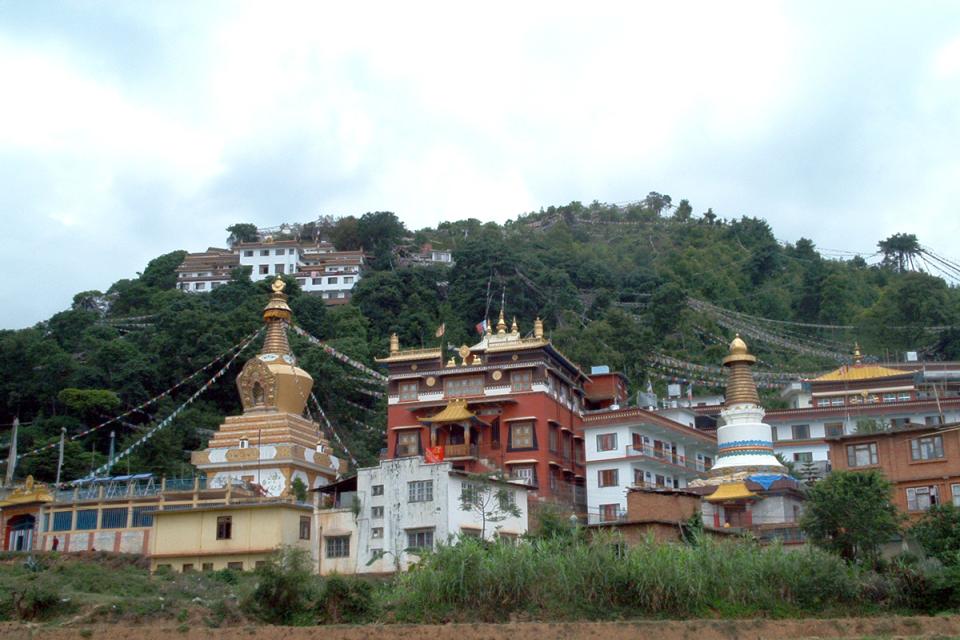
4. Pharping: Sacred Caves, Monasteries, and Pilgrimage Sites
Pharping is a culturally significant destination located south of Kathmandu. Known for its Buddhist monasteries, sacred caves, and Hindu pilgrimage sites, the area offers a distinctive spiritual experience away from the busy city center.
Pharping is especially important in Tibetan Buddhist traditions and attracts pilgrims, meditation practitioners, and travelers interested in Nepal’s religious heritage.
Daksinkali Temple
Daksinkali Temple is one of the important Hindu pilgrimage destinations near Pharping. Dedicated to Goddess Kali, the temple attracts devotees throughout the year, particularly during religious occasions.
The temple is situated in a forested setting, giving the area a different atmosphere from Kathmandu’s urban religious sites.
Visitors should be aware that animal sacrifice is part of certain religious practices at the temple. Those who prefer not to witness such ceremonies can plan their visit accordingly.
Asura Cave
Asura Cave is one of Pharping’s best-known Buddhist pilgrimage sites. It is traditionally associated with Guru Rinpoche, also known as Padmasambhava, who is revered in Tibetan Buddhism.
The cave attracts Buddhist pilgrims who visit to meditate, pray, and experience its spiritual atmosphere. The surrounding area contains monasteries, prayer flags, and religious structures.
For travelers interested in Buddhist history and meditation traditions, Asura Cave offers a meaningful cultural experience.
Pharping Monasteries
Pharping is home to several Buddhist monasteries and retreat centers. These religious institutions contribute to the area's spiritual character and provide opportunities to learn about Buddhist traditions.
Visitors should remain respectful, follow monastery guidelines, and ask permission before photographing monks or religious ceremonies.
Why visit Pharping? The combination of Hindu pilgrimage traditions, Buddhist sacred caves, monasteries, and peaceful surroundings makes Pharping a rewarding cultural excursion from Kathmandu.
5. Asan Bazaar and Dattatreya Square: Experience Traditional Local Culture
Asan Bazaar
Asan Bazaar is one of Kathmandu’s historic market areas and an excellent place to experience the city’s traditional lifestyle.
The narrow streets are lined with shops selling spices, vegetables, household goods, traditional clothing, and religious items. Small temples and shrines are scattered throughout the neighborhood, reflecting the close connection between commerce and religion in traditional Kathmandu.
Walking through Asan allows visitors to observe the everyday activities of local residents and discover the vibrant atmosphere of the old city.
It is particularly interesting for travelers who enjoy photography, local markets, and cultural walking tours.
Dattatreya Square
Dattatreya Square is located in the historic city of Bhaktapur. It is known for its traditional temples, historic buildings, and remarkable examples of Newari woodcarving.
Dattatreya Temple is the square’s main religious landmark. The surrounding area includes traditional houses and historic structures that reflect Bhaktapur’s artistic heritage.
One notable attraction nearby is the Peacock Window, admired for its intricate wooden craftsmanship.
Why visit these places? Asan Bazaar offers a glimpse of everyday Kathmandu, while Dattatreya Square introduces visitors to Bhaktapur’s historic architecture and traditional craftsmanship.
Best Time to Visit Cultural Heritage Sites Around Kathmandu Valley
Kathmandu Valley can be explored throughout the year. However, the weather and local festival calendar can influence the sightseeing experience.
-
Spring (March to May): Pleasant conditions for walking and exploring historic sites. The season also brings several cultural celebrations.
-
Autumn (September to November): Generally comfortable weather for sightseeing, with opportunities to experience major festivals such as Dashain and Tihar, depending on the dates.
-
Winter (December to February): Suitable for cultural tours, although mornings and evenings can be cold.
-
Summer and monsoon (June to August): Sightseeing remains possible, but rain may affect walking conditions and travel between destinations.
For comfortable outdoor sightseeing, spring and autumn are popular choices. Travelers can still enjoy Kathmandu Valley’s cultural heritage in other seasons with suitable clothing and preparation.
Practical Tips for Exploring Kathmandu Valley's Heritage Sites
-
Wear modest clothing when visiting temples and monasteries.
-
Remove your shoes where required and follow local religious customs.
-
Ask permission before photographing people, monks, or religious ceremonies.
-
Carry some cash for entrance fees, small purchases, and local refreshments.
-
Allow enough time to explore historic squares without rushing.
-
Hire a knowledgeable local guide to understand the history and cultural significance of each site.
-
Respect sacred spaces and avoid touching delicate carvings or restricted monuments.
A guided cultural tour can help visitors connect the historical background of each destination with the traditions and communities that continue to preserve it.
Conclusion
Kathmandu Valley offers an extraordinary variety of cultural experiences, from the seven UNESCO World Heritage monument zones to traditional settlements, sacred temples, Buddhist caves, and historic markets.
Whether you are visiting Nepal for trekking, sightseeing, or a dedicated cultural holiday, these destinations provide a meaningful introduction to the country’s heritage. At Best Heritage Tour, we help travelers explore Kathmandu Valley through cultural sightseeing experiences designed around their interests, schedule, and preferred travel pace.
Whether you want to visit the major UNESCO heritage sites or discover traditional towns and spiritual destinations beyond the city center, our team can help organize your journey.
Contact Best Heritage Tour to plan your cultural heritage tour in Nepal.
Phone / WhatsApp / Viber: +977-9851149197 / +977-9810043046
Email: info@bestheritagetour.com / bestheritagetour@gmail.com
Website: www.bestheritagetour.com
Office: Thamel Marg, Kathmandu, Nepal
Author: Best Heritage Tour
Date: 27th September, 2026