Nepal is a destination where ancient traditions, spiritual heritage, colorful festivals, and everyday life come together to create unforgettable travel experiences. While the country is widely known for Mount Everest, the Himalayas, and its adventurous trekking routes, its cultural richness is equally fascinating. From exploring centuries-old temples in Kathmandu to sharing a traditional meal with a local family, there are countless ways to discover the heart of Nepal.
For first-time visitors, experiencing Nepalese culture is one of the most rewarding parts of the journey. It offers a deeper understanding of the country's history, religious traditions, local communities, and way of life. Whether travelers are interested in heritage sightseeing, spiritual journeys, traditional villages, or cultural festivals, Nepal provides opportunities to connect with its people and traditions in meaningful ways.
At Best Heritage Tour, we believe that a memorable Nepal holiday goes beyond visiting famous attractions. It is about understanding the stories behind them, respecting local customs, and experiencing the warmth of Nepalese hospitality. This guide explores the best cultural experiences in Nepal for first-time visitors, including historic cities, religious landmarks, traditional villages, local food, festivals, and practical travel tips to help you plan your journey.
Understanding Nepal's Cultural Diversity
Nepal is home to a remarkable variety of ethnic communities, languages, religions, and traditions. Its cultural identity has developed through centuries of history, trade, migration, and religious exchange. Hinduism and Buddhism have deeply influenced Nepalese society, while indigenous communities have preserved their own languages, festivals, customs, and traditional lifestyles.
One of the most fascinating aspects of Nepalese culture is how different traditions exist alongside one another. Hindu temples, Buddhist monasteries, traditional courtyards, and local markets can often be found within the same neighborhood. In many places, religious practices and cultural traditions are closely connected with everyday life.
The Kathmandu Valley is particularly well known for its historic architecture, traditional craftsmanship, and cultural heritage. However, Nepal's cultural experiences extend far beyond Kathmandu. Travelers can discover Tibetan-influenced traditions in the Himalayan region, Tharu culture in the Terai, and the distinctive customs of Gurung, Magar, Tamang, Sherpa, Newar, and many other communities.
For first-time visitors, this diversity means that there is no single way to experience Nepalese culture. Every destination offers a different perspective on the country's history, beliefs, and way of life.
Explore the Historic Kathmandu Valley
The Kathmandu Valley is one of the most rewarding places for first-time visitors seeking cultural experiences in Nepal. It contains three historic cities: Kathmandu, Patan, and Bhaktapur. Each city has its own character, traditional architecture, historic courtyards, and cultural attractions.
The valley's seven monument zones are collectively recognized as a UNESCO World Heritage Site, reflecting its exceptional artistic, architectural, and religious heritage.
Kathmandu Durbar Square
Kathmandu Durbar Square is an excellent starting point for discovering Nepalese history. Located in the heart of the old city, it features historic palaces, temples, courtyards, and traditional buildings associated with Nepal's former royal history.
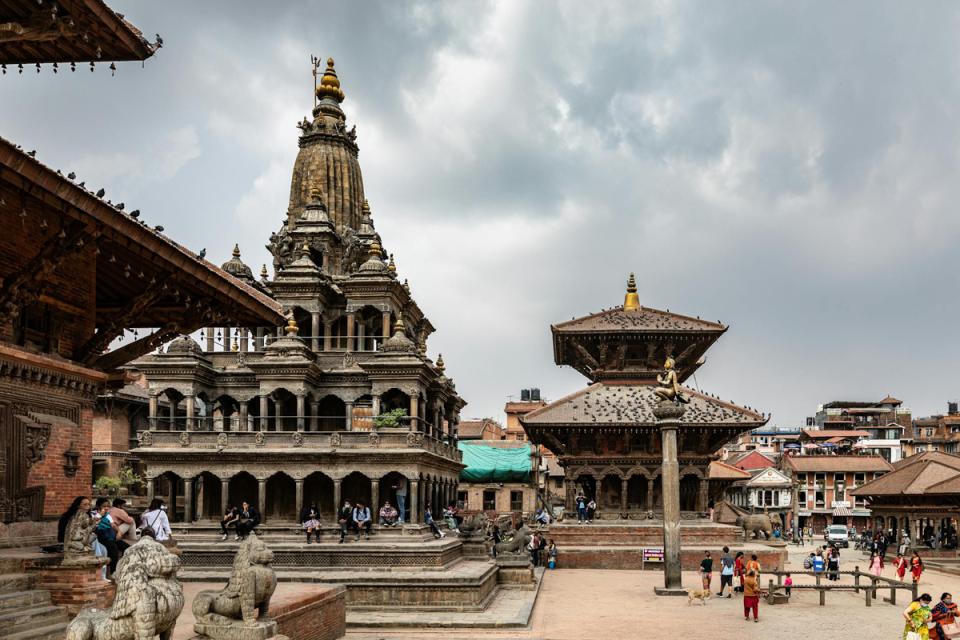
Patan Durbar Square
Patan, also known as Lalitpur, is famous for its traditional Newari art and craftsmanship. Patan Durbar Square contains historic palace buildings, temples, courtyards, and impressive stone and metal sculptures.
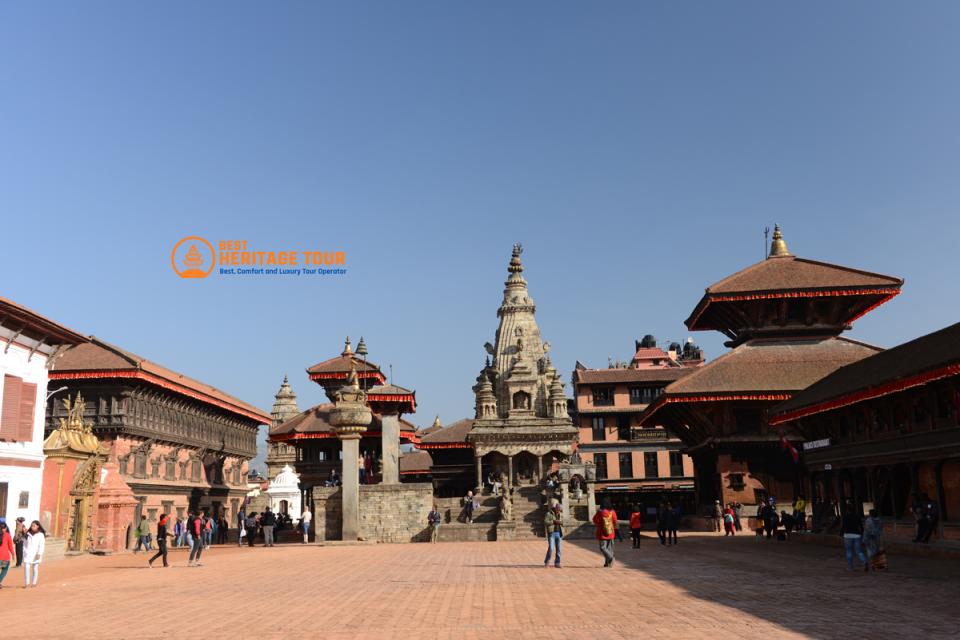
Bhaktapur Durbar Square
Bhaktapur is another essential destination for a cultural tour in Nepal. The city is known for its traditional brick buildings, carved wooden windows, pottery traditions, and historic squares.
Visitors can explore Bhaktapur Durbar Square, admire the Nyatapola Temple from its surrounding public areas, and walk through traditional neighborhoods where local crafts and food remain important parts of daily life.
Visit the Sacred Pashupatinath Temple
Pashupatinath Temple is one of Nepal's most important Hindu pilgrimage destinations. Located beside the Bagmati River in Kathmandu, the temple complex is dedicated to Lord Shiva and attracts devotees from Nepal and other parts of South Asia.
For first-time visitors, Pashupatinath offers an opportunity to observe Hindu religious traditions, sacred architecture, and the role of spirituality in Nepalese society. The surrounding area includes shrines, riverbank platforms, and places where religious ceremonies take place. Visitors may also encounter pilgrims, priests, and devotees participating in daily worship.
Experience Buddhist Culture at Boudhanath and Swayambhunath
Nepal has a long Buddhist heritage, and Kathmandu offers several important places to explore Buddhist traditions. Among them, Boudhanath and Swayambhunath are particularly memorable for first-time visitors.
Boudhanath Stupa
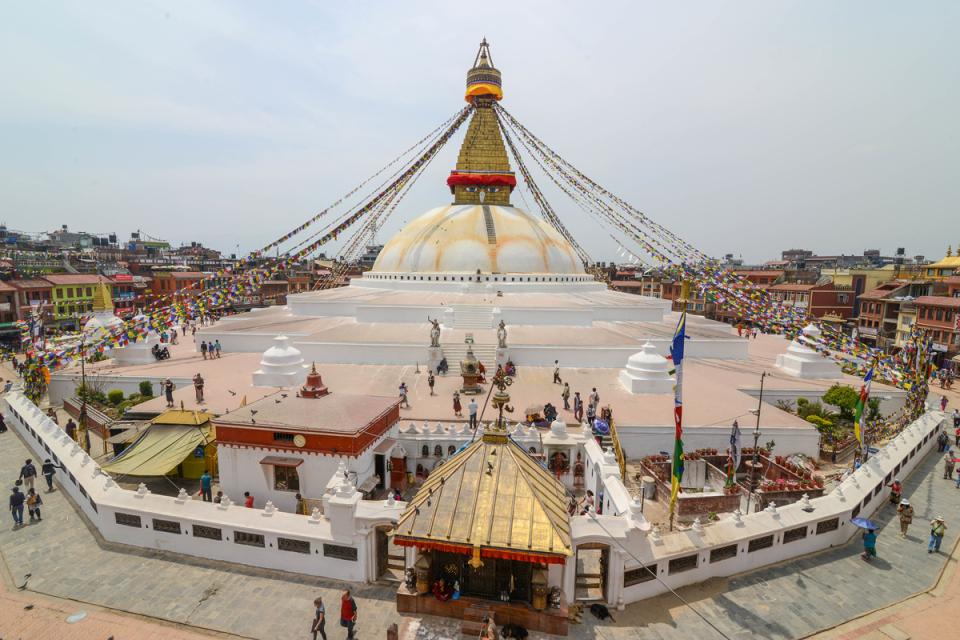
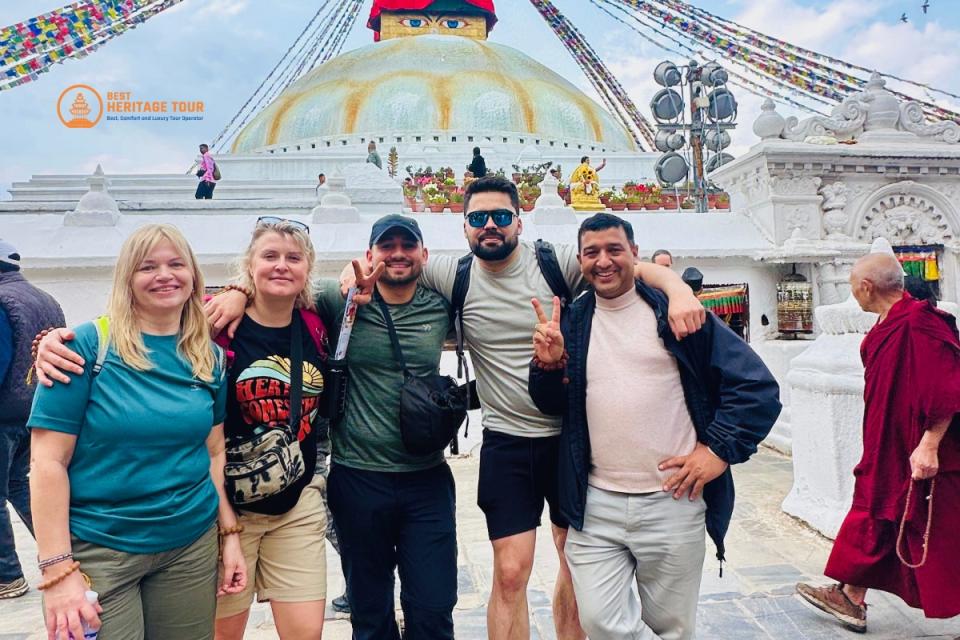
Boudhanath Stupa is one of the most recognizable Buddhist landmarks in Nepal. Its large white dome, golden structure, and surrounding prayer flags create a distinctive atmosphere.
The stupa is an important center of Tibetan Buddhist culture. Visitors can walk around the monument, observe devotees spinning prayer wheels, and explore the monasteries and traditional shops in the surrounding neighborhood.
Swayambhunath Stupa
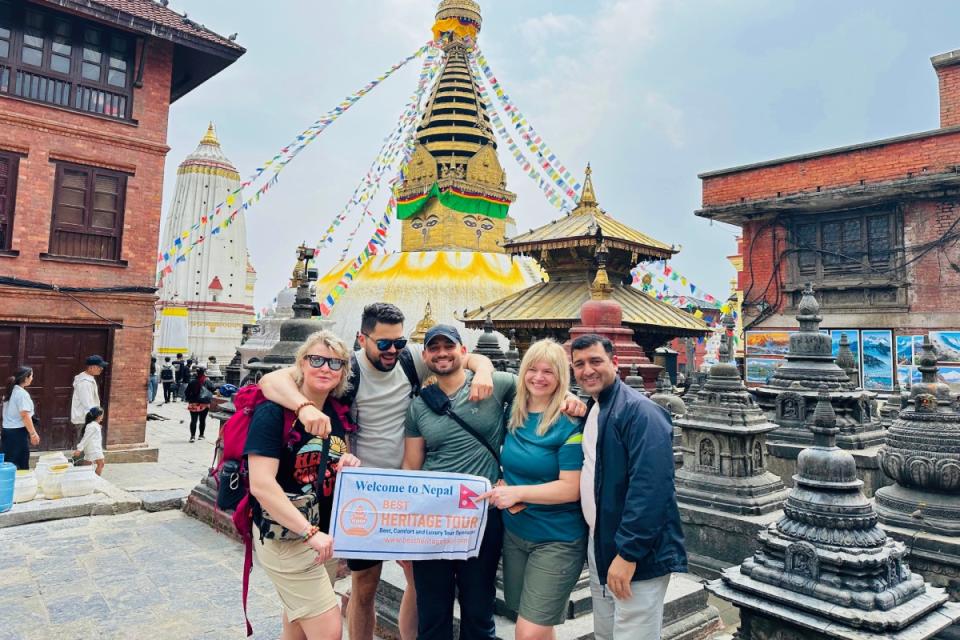
Swayambhunath, commonly known as the Monkey Temple, is another significant Buddhist site in Kathmandu. Located on a hill overlooking the valley, it offers views of the city along with a collection of shrines, prayer wheels, and religious monuments.
The site reflects the long-standing relationship between Hindu and Buddhist traditions in the Kathmandu Valley.
At both locations, travelers should walk clockwise around the main religious monuments, avoid disturbing worshippers, and ask permission before photographing individuals or ceremonies.
Discover the Traditional Newari Lifestyle
The Newar community has played a major role in shaping the cultural heritage of the Kathmandu Valley. Newari traditions are reflected in the region's architecture, festivals, food, music, art, and religious practices.
Newari culture is also known for its distinctive cuisine. A traditional Newari meal may include beaten rice, lentil dishes, vegetables, pickles, and a variety of other preparations served during family gatherings and festivals.
Where possible, visitors can also participate in a locally hosted food experience or cultural workshop. These activities provide an opportunity to learn directly from local people while supporting traditional livelihoods.
Experience the Spiritual Birthplace of Buddha in Lumbini
Lumbini, located in the Rupandehi District of southern Nepal, is one of the country's most important spiritual destinations. It is recognized as the birthplace of Siddhartha Gautama, who later became known as Gautama Buddha.
For travelers interested in Buddhism, meditation, and spiritual history, Lumbini offers a very different cultural experience from the busy cities of Kathmandu Valley. The Maya Devi Temple is the central attraction within the sacred garden. Visitors can also explore the surrounding monasteries, peaceful walking paths, and religious monuments.
The international monastic zone contains monasteries and cultural structures associated with Buddhist communities from different countries. Their architectural styles reflect the diversity of Buddhist traditions around the world.
Lumbini is especially suitable for visitors who want a peaceful cultural journey focused on reflection, religious heritage, and Buddhist philosophy.
Enjoy Traditional Nepalese Food and Local Dining
Food is one of the easiest and most enjoyable ways for first-time visitors to experience Nepalese culture. Traditional meals reflect the country's geography, agricultural practices, religious customs, and cultural diversity.
Dal Bhat
Dal bhat is one of the most familiar traditional meals in Nepal. It generally includes rice, lentil soup, vegetables, and pickles. Depending on the region and household, it may also include meat, leafy greens, or other side dishes.
For travelers, trying dal bhat at a local restaurant or family-run establishment is a simple way to experience everyday Nepalese dining.
Momo
Momo is among Nepal's most popular snacks. These dumplings are commonly filled with vegetables, chicken, buffalo meat, or other ingredients and are served steamed or fried with dipping sauces.
Visitors can find momo in restaurants, cafés, and local eateries throughout the country.
Newari Cuisine
Newari cuisine is particularly distinctive and offers a deeper look into the food traditions of the Kathmandu Valley.
Travelers may encounter dishes such as bara, chatamari, beaten rice preparations, and traditional festive foods. Some dishes are associated with family celebrations and religious occasions.
Thakali Cuisine
Thakali food is another popular culinary experience in Nepal. Traditional Thakali meals are often served with rice, lentils, vegetables, pickles, and other accompaniments.
Travelers with dietary restrictions should inform their guide or restaurant in advance so that suitable meal options can be arranged.
Experience Nepal's Colorful Festivals
Festivals are an important part of Nepalese cultural life. They bring families and communities together through religious ceremonies, music, dance, traditional food, and public celebrations.
For first-time visitors, attending a festival can provide a memorable introduction to Nepal's traditions. However, festival dates often follow lunar calendars, so travelers should check the dates before planning their visit.
Dashain
Dashain is one of Nepal's major Hindu festivals. It is a time for family gatherings, blessings, traditional rituals, and celebrations. Visitors may notice decorated homes, families traveling to their hometowns, and communities preparing for the festival.
Tihar
Tihar, also known as the festival of lights, is celebrated with oil lamps, colorful decorations, and rituals honoring different relationships and aspects of life. The festival creates a festive atmosphere in many neighborhoods and is particularly memorable for its lights and traditional decorations.
Indra Jatra
Indra Jatra is a major traditional festival in Kathmandu, associated with local religious traditions and public celebrations. The festival includes processions, traditional music, and cultural performances. It is closely connected with the heritage of the Kathmandu Valley.
Holi
Holi is known as the festival of colors. Celebrated in different parts of Nepal, it brings people together through colored powders, music, and public festivities. Visitors who wish to participate should follow local guidance and respect anyone who does not want to join.
Buddha Jayanti
Buddha Jayanti commemorates the birth, enlightenment, and passing of Gautama Buddha. It is observed at Buddhist sites across Nepal, including Lumbini and Kathmandu. The festival offers an opportunity to learn about Buddhist traditions through prayers, gatherings, and religious activities.
Explore Traditional Villages and Community Homestays
For visitors who want to understand Nepal beyond its cities, a traditional village visit or community homestay can be a rewarding experience.
Rural Nepal is home to communities with distinct languages, food traditions, clothing, architecture, and agricultural lifestyles. A village stay provides an opportunity to observe daily life and learn directly from local residents.
Depending on the destination, visitors may experience:
-
Traditional village walks and local architecture.
-
Home-cooked meals prepared using regional ingredients.
-
Farming activities and seasonal routines.
-
Local music, dance, and storytelling.
-
Community traditions and family hospitality.
For first-time visitors, a homestay can create a more personal connection with Nepalese culture.
Discover Nepalese Art, Handicrafts, and Traditional Architecture
Nepal has a long tradition of craftsmanship. Traditional art and architecture can be seen in temples, monasteries, historic buildings, household objects, and handmade products.
The Kathmandu Valley is especially well known for its woodcarving, metalwork, stone sculpture, and traditional architecture.
Woodcarving and Metalwork
Traditional wooden windows, doors, and roof supports often feature detailed carvings. Metal artisans also produce religious statues, decorative objects, and traditional household items.
Patan is a particularly interesting place for visitors who want to learn about traditional metalwork and sculpture.
Pottery
Bhaktapur has a well-known pottery tradition. Visitors may see artisans shaping clay, drying pottery, and preparing traditional products.
A pottery workshop can be an enjoyable activity for travelers interested in local craftsmanship.
Thangka Painting
Thangka painting is a traditional Buddhist art form that commonly depicts religious figures, mandalas, and spiritual themes.
Visitors can learn about the painting process and its cultural significance through workshops or guided visits to appropriate art centers.
Traditional Architecture
Nepalese architecture includes pagoda-style temples, traditional courtyards, carved wooden windows, and historic palace buildings.
Exploring these structures with a knowledgeable guide helps visitors understand their design, symbolism, and historical importance.
Enjoy Traditional Music, Dance, and Cultural Performances
Music and dance are important parts of Nepalese cultural celebrations. Different communities have their own musical instruments, performance styles, and traditional dances.
Visitors may encounter cultural performances during festivals, local celebrations, or organized cultural evenings.
Traditional instruments such as the madal and sarangi are familiar parts of Nepalese music. In some communities, music and dance are closely connected with religious ceremonies, seasonal celebrations, and storytelling.
A cultural performance can be an enjoyable introduction to Nepalese artistic traditions, especially for travelers with limited time. When attending a performance, visitors should understand whether it is a community celebration, a religious event, or a program organized for guests. Respecting the purpose and setting of the performance helps ensure a meaningful experience.
Experience Nepalese Hospitality and Daily Life
One of the most memorable cultural experiences in Nepal is often the simplest: meeting local people and learning about their everyday lives. Nepalese hospitality is frequently expressed through welcoming greetings, sharing food, offering tea, and helping visitors feel comfortable.
Travelers may experience this hospitality during a village stay, a guided heritage walk, a local market visit, or a conversation with a shopkeeper.
Visitors can also learn about daily routines by exploring local markets, observing traditional crafts, and visiting neighborhoods away from the busiest tourist areas. These interactions should always be respectful and considerate. Not everyone will want to be photographed or have their daily activities interrupted.
Conclusion
Nepal offers far more than beautiful mountains and adventurous trekking routes. Its cultural heritage, spiritual landmarks, traditional villages, festivals, cuisine, and welcoming communities create meaningful experiences for first-time visitors.
From exploring the historic Kathmandu Valley and visiting sacred Buddhist and Hindu sites to enjoying traditional Nepalese food and discovering local lifestyles, there are many ways to understand the country's rich cultural identity.
Best Heritage Tour can help you plan a memorable Nepal cultural experience based on your interests, travel schedule, and budget. Whether you want to explore historic cities, visit spiritual destinations, experience local traditions, or combine culture with trekking, our team is ready to assist.
Contact Best Heritage Tour to plan your Nepal cultural tour.
Phone / WhatsApp / Viber: +977-9851149197 / +977-9810043046
Email: info@bestheritagetour.com / bestheritagetour@gmail.com
Website: www.bestheritagetour.com
Office: Thamel Marg, Kathmandu, Nepal
Author: Best Heritage Tour
Date: 30th September, 2026