There is a specific moment in the Nepal Himalayas, usually around mid-September, when the air undergoes a profound transformation. The heavy, humid curtains of the monsoon suddenly part, revealing a sky so blue it feels painted. This is the dawn of the Autumn trekking season in Nepal, a window of time from September to November that seasoned hikers and heritage lovers consider the "Golden Era" of the trekking calendar.
At Best Heritage Tour, we don’t just see these trails as paths to high altitudes; we see them as living museums. When you trek in the autumn, you aren't just walking past mountains; you are walking through the heart of Nepal’s harvest festivals, ancient Buddhist ceremonies, and the most stable weather conditions of the year.
In this exhaustive guide, we’ll explore why autumn is the undisputed king of trekking seasons and break down the top routes that should be on your 2026 bucket list.
Why Autumn is the "Golden Season" for Nepal Trekking?
Before we dive into the specific trails, it’s essential to understand the "why." If you’ve been searching for the best time to trek in Nepal, you’ll consistently see October and November at the top of the list. Here is the breakdown of why this season is unbeatable:
1. The Post-Monsoon Clarity
The summer rains (June-August) act as a giant cosmic "wash cycle" for the atmosphere. By the time September rolls around, the dust and pollution have been scrubbed from the air. The result? Crystal-clear mountain views that allow you to see peaks from hundreds of kilometers away. For photographers, this is the only season where the light hit the granite faces of Everest or Annapurna with such razor-sharp precision.
2. Perfect Temperature Balance
High-altitude trekking is a game of temperature management. In the spring, you often deal with haze and rising heat. In the winter, the cold is bone-chilling. Autumn hits the "Goldilocks" zone:
-
Lower Elevations (1,000m - 2,500m): Warm, balmy days (20°C+) and cool nights.
-
Higher Elevations (3,500m - 5,000m): Crisp, sunny days (8°C to 15°C) and freezing - but manageable nights.
3. The Cultural Pulse: Dashain, Tihar, and Mani Rimdu
Heritage is in our name, and autumn is when Nepal’s heritage is loudest.
-
Dashain (October): The longest and most auspicious Hindu festival. You’ll see giant bamboo swings (Ping) in every village and families gathered for blessings.
-
Tihar (November): The Festival of Lights. Every teahouse you stay in will be adorned with marigolds and oil lamps.
-
Mani Rimdu: In the Everest region (specifically Tengboche), this Sherpa Buddhist festival features masked dances that date back centuries.
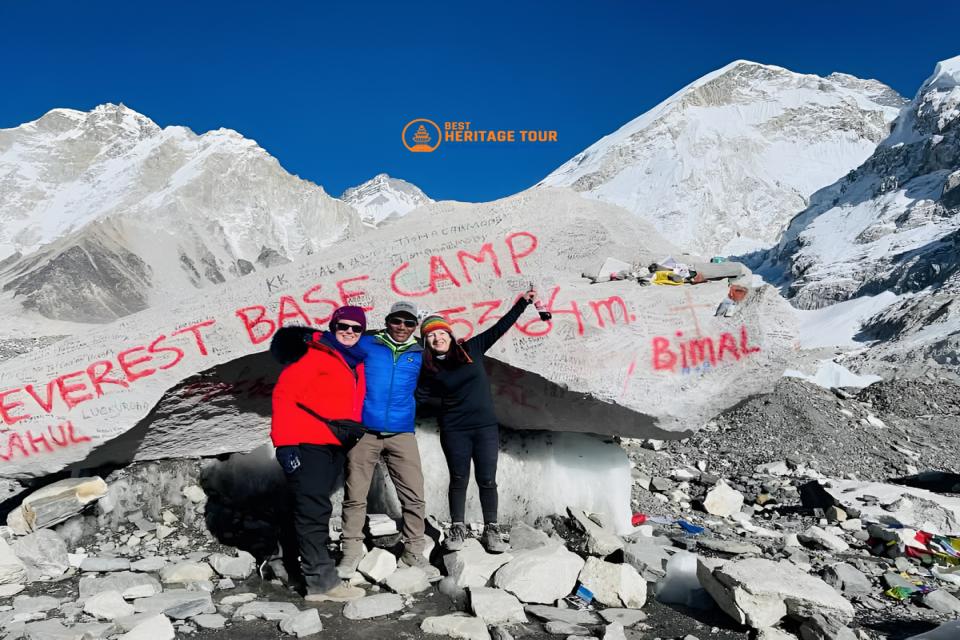
1. The Iconic Everest Base Camp Trek (The Sherpa Heartland)
Duration: 12-14 Days
Max Altitude: 5,545m (Kala Patthar)
Difficulty: Moderate to Challenging
No list of the best autumn treks in Nepal is complete without the big one. The Everest Base Camp (EBC) trek in autumn is a sensory overload.
Why Autumn for EBC?
In the spring, the Khumbu region is a bustling "city" of tents for climbers. In autumn, the climbing season is quieter, but the trekking trails are vibrant. The Mani Rimdu festival at Tengboche Monastery usually falls in October or November. Watching the monks perform sacred dances against the backdrop of Ama Dablam is a spiritual experience that transcends simple tourism.
Heritage Highlights:
-
Tengboche Monastery: The spiritual heart of the Khumbu.
-
Namche Bazaar: The historic trading hub where Tibetans and Sherpas have swapped salt and grain for generations.
-
Sherpa Culture Museum: Located in Namche, offering a deep dive into the history of mountain exploration.
2. The Annapurna Circuit: A Transition Through Time
Duration: 15-20 Days
Max Altitude: 5,416m (Thorong La Pass)
Difficulty: Challenging
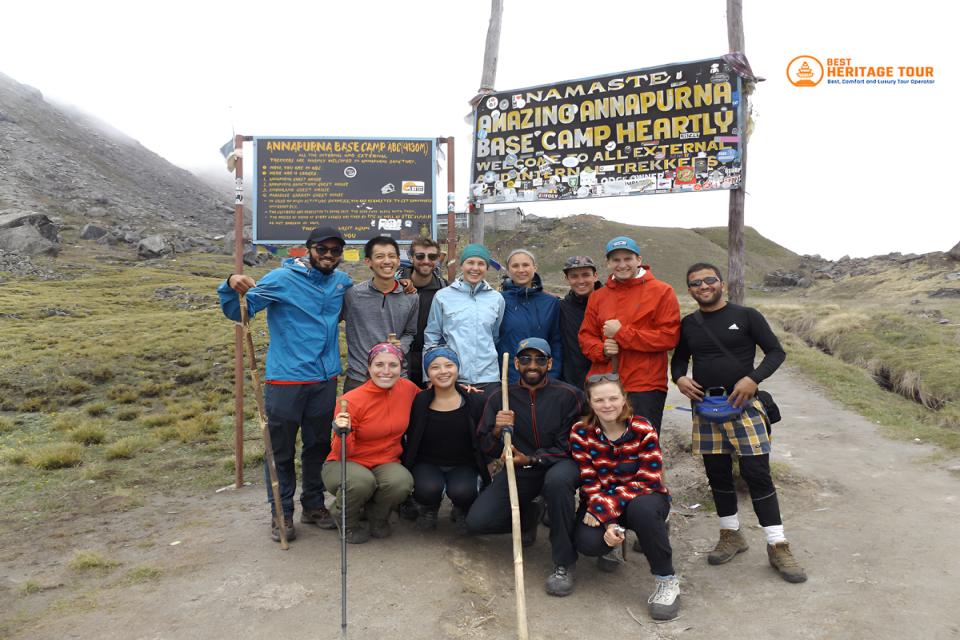
If the Everest region is about verticality, the Annapurna Circuit is about diversity. This trek takes you from the lush, subtropical rice paddies of the lower hills to the high-altitude, Tibetan-style desert of Manang and Mustang.
The Autumn Advantage:
Crossing the Thorong La Pass - the highest trekking pass in the world - is significantly safer in autumn. The monsoon snows have usually melted or compacted, providing a stable, dry path. Furthermore, the apple orchards in Marpha and Jomsom are in full harvest. There is nothing quite like a fresh Marpha apple brandy after a day of hiking!
Heritage Highlights:
-
Muktinath Temple: A sacred site for both Hindus and Buddhists, symbolizing the harmony of Nepali faith.
-
Manang Village: Ancient stone houses and monasteries that feel like they belong to a different century.
-
Braka Monastery: A 600-year-old gompa with incredible statues and a view of the Annapurna range.
3. Langtang Valley: The "Valley of Glaciers"
Duration: 7-10 Days
Max Altitude: 4,984m (Tserko Ri)
Difficulty: Moderate
For those who want a shorter commitment without sacrificing the "Big Mountain" feel, the Langtang Valley trek is the hidden gem of the central Himalayas.
Why It’s Special in Autumn:
Langtang was heavily affected by the 2015 earthquake but has seen a miraculous rebirth. Trekking here in 2026 is an act of "Heritage Tourism" - supporting the local Tamang communities. In autumn, the larch forests turn a brilliant gold, contrasting with the white peaks of Langtang Lirung.
Heritage Highlights:
-
Kyanjin Gompa: A serene monastery surrounded by snowy peaks.
-
Tamang Culture: Experience the unique hospitality, dress, and language of the Tamang people, who are descendants of Tibetan horse traders.
4. Manaslu Circuit: The Off-the-Beaten-Path Epic
Duration: 14-18 Days
Max Altitude: 5,160m (Larke La Pass)
Difficulty: Strenuous
If you find EBC or Annapurna too crowded, the Manaslu Circuit is your answer. It offers a "teahouse trekking" experience that feels like Nepal did thirty years ago.
The Autumn Experience:
The Larke La Pass is the crux of this trek. In autumn, the visibility is unparalleled, offering views of Mt. Manaslu (the 8th highest mountain in the world) that will stay with you forever. The trail follows the Buri Gandaki River, transitioning through incredible Hindu and Buddhist cultural zones.
Heritage Highlights:
-
Tsum Valley Extension: If you have an extra week, the Tsum Valley (The Hidden Valley of Happiness) is a "Beyul" - a sacred hidden land where no animals are slaughtered.
-
Ancient Mani Walls: Some of the longest and most intricate prayer-stone walls in Nepal are found here.
5. Upper Mustang: The Last Forbidden Kingdom
Duration: 10-14 Days
Max Altitude: 3,810m (Lo Manthang)
Difficulty: Moderate
While Upper Mustang is famous for being a "Rain Shadow" trek (perfect for monsoon), it is equally spectacular in the autumn.
The Autumn Vibe:
The landscape of Upper Mustang is a desert of red cliffs and wind-sculpted caves. In the autumn, the sky is a deep, dark indigo that makes the ochre-colored monasteries pop. The weather is cool and dry, perfect for exploring the walled city of Lo Manthang.
Heritage Highlights:
-
Sky Caves: Mysterious caves carved into vertical cliffs, used for burials and meditation for thousands of years.
-
The King’s Palace: Though the monarchy is gone, the palace remains a symbol of the Loba people’s history.
6. Gokyo Lakes Trek (The Turquoise Jewels of Khumbu)
-
Duration: 12-15 Days
-
Max Altitude: 5,357m (Gokyo Ri)
-
Difficulty: Strenuous
This trek offers a spectacular alternative to the traditional EBC route, focusing on the six sacred turquoise lakes of the Gokyo Valley.
Why Autumn for Gokyo?
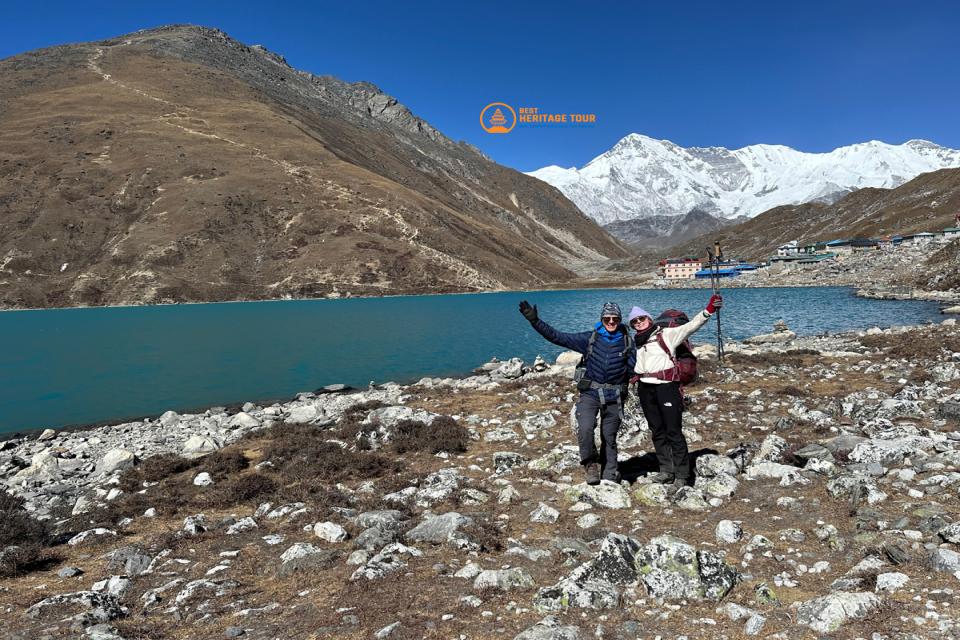
The lakes are at their most vibrant turquoise during the autumn months. Standing on Gokyo Ri provides perhaps the best viewpoint in the world, with a single vista encompassing Everest, Lhotse, Makalu, and Cho Oyu.
Heritage Highlights:
-
Sacred Lakes: These lakes are highly revered by both Hindus and Buddhists.
-
Sherpa Summer Pastures: Explore the high-altitude settlements where Sherpas bring their yaks to graze.
-
Ngozumpa Glacier: The largest glacier in the Nepal Himalayas.
7. Mardi Himal Trek (The Hidden Ridge Gem)
-
Duration: 5-7 Days
-
Max Altitude: 4,500m (Mardi Base Camp)
-
Difficulty: Moderate
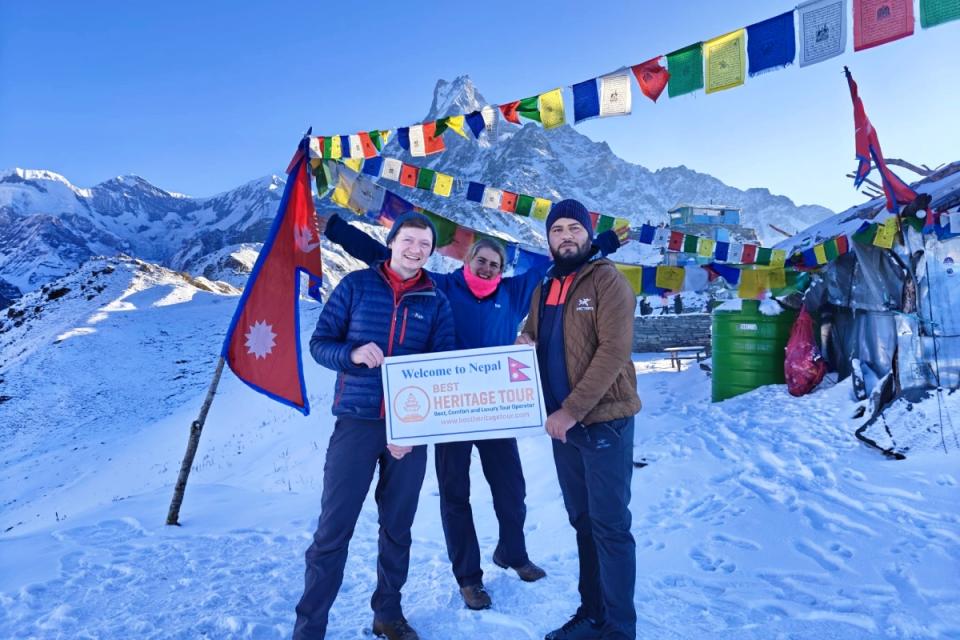
Mardi Himal is a "ridge trek" that offers front-row seats to the iconic Machhapuchhre (Fishtail) mountain without the heavy crowds of the Annapurna Base Camp.
Why Autumn for Mardi?
Being a ridge trek, visibility is everything. Autumn offers clear mornings where you can see the "sea of clouds" in the valleys below while the Annapurna range glows in the sun. It is a perfect short trek for those on a tight schedule.
Heritage Highlights:
-
Local Homestays: Many teahouses here are run by local families, providing an authentic taste of Gurung hospitality.
-
Rhododendron Forests: While they bloom in spring, the dense forests in autumn are atmospheric and full of birdlife.
8. Upper Dolpo (The Land of the Snow Leopard)
-
Duration: 21-28 Days
-
Max Altitude: 5,350m (Kang La Pass)
-
Difficulty: Strenuous
This is Nepal’s western frontier - a place of raw beauty made famous by Peter Matthiessen's The Snow Leopard. It is one of the most remote and expensive treks in the country.
Why Autumn for Dolpo?
Autumn is the time of the harvest in Dolpo. You will see locals gathering their crops before the harsh winter sets in. The deep blue of Phoksundo Lake is never more striking than under a clear October sky.
Heritage Highlights:
-
Shey Gompa: An ancient monastery at the base of the sacred Crystal Mountain.
-
Bon Po Religion: Experience the pre-Buddhist traditions that are still practiced in this isolated pocket of the world.
-
Phoksundo Lake: A lake of legendary beauty that holds deep spiritual significance.
9. Kanchenjunga Base Camp (The Eastern Giant)
-
Duration: 20-25 Days
-
Max Altitude: 5,143m (Pangpema)
-
Difficulty: Very Challenging
Trekking to the world’s third-highest peak is a journey into the wild eastern border of Nepal. It is a long, demanding, and immensely rewarding expedition.
Why Autumn for Kanchenjunga?
The eastern part of Nepal receives more rain than the west, so autumn is the only time to guarantee clear views of the massive Kanchenjunga massif. The alpine meadows turn a beautiful russet and gold.
Heritage Highlights:
-
Limbu and Rai Culture: Discover the unique traditions and "Tongba" (millet beer) of the eastern hill tribes.
-
Remote Monasteries: Visit tiny, remote gompas that see very few Western visitors.
10. Pikey Peak (The "Hillary View" Trek)
-
Duration: 6-9 Days
-
Max Altitude: 4,065m (Pikey Peak)
-
Difficulty: Moderate
Sir Edmund Hillary famously claimed that the view of Everest from Pikey Peak was the best in the world. This trek is located in the lower Khumbu region and offers a fantastic cultural experience.
Why Autumn for Pikey Peak?
The sunrise views from Pikey Peak in October are legendary. You can see a panorama stretching from Mt. Kanchenjunga in the east to Mt. Dhaulagiri in the west. It is a shorter, lower-altitude trek perfect for those who want a heritage experience without extreme physical strain.
Heritage Highlights:
-
Chiwong Monastery: A stunning monastery perched on a cliff that hosts the Mani Rimdu festival in autumn.
-
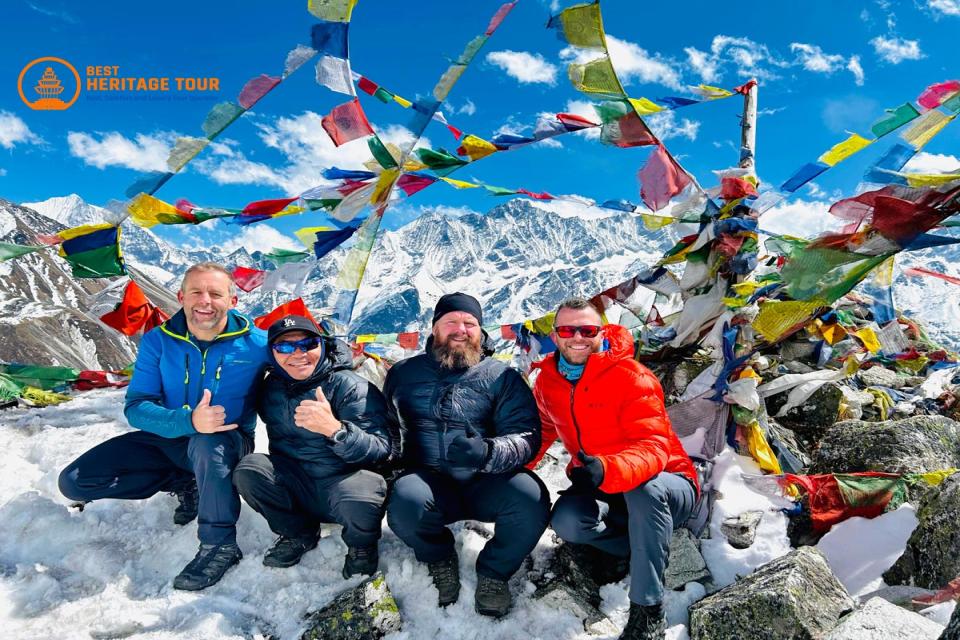
Buddhist Stupas: The trail is dotted with ancient white stupas and fluttering prayer flags.
-
Cheese Dairies: Sample the famous local yak cheese produced in the traditional way.
Essential Planning Tips for Your 2026 Autumn Adventure
1. Booking in Advance
Because autumn is "Peak Season," the best teahouses and internal flights (like the Lukla flight) fill up months in advance. At Best Heritage Tour, we recommend booking at least 4-6 months ahead to secure your preferred itinerary.
2. Gear Up for Layers
While the days are warm, the temperature drops the moment the sun dips behind a mountain. You need a high-quality "base-mid-outer" layering system.
-
Must-Have: A 4-season sleeping bag (even teahouses get cold!).
-
Pro Tip: Pack a "buff" to protect your lungs from the dry "Khumbu Cough" common in autumn.
3. Respect the Heritage
You will pass thousands of prayer wheels, Chortens, and Mani walls. Always:
-
Walk Clockwise: Keep these monuments to your right.
-
Ask Before Photos: Especially inside monasteries or of elderly locals in traditional dress.
-
Dress Modestly: Cover shoulders and knees when entering sacred spaces.
Final Thoughts: Which Trek is Calling You?
The Himalayas in autumn are more than just a destination; they are a homecoming for the soul. Whether it’s the high-altitude challenge of the Everest Base Camp, the cultural mosaic of the Annapurna Circuit, or the silence of Manaslu, Nepal in the fall never fails to deliver.
The clear air is waiting. The festivals are preparing to begin. The mountains are standing tall.
Are you ready to walk the path of the ancients?
Contact Best Heritage Tour today to start planning your 2026 Autumn Himalayan expedition. Let’s turn your dream of the Himalayas into a reality that honors the land and its people.
Phone / WhatsApp / Viber: +977-9851149197 / +977-9810043046
Email: info@bestheritagetour.com / bestheritagetour@gmail.com
Website: www.bestheritagetour.com
Office: Thamel Marg, Kathmandu, Nepal
Author: Best Heritage Tour
Date: 25th January, 2026