
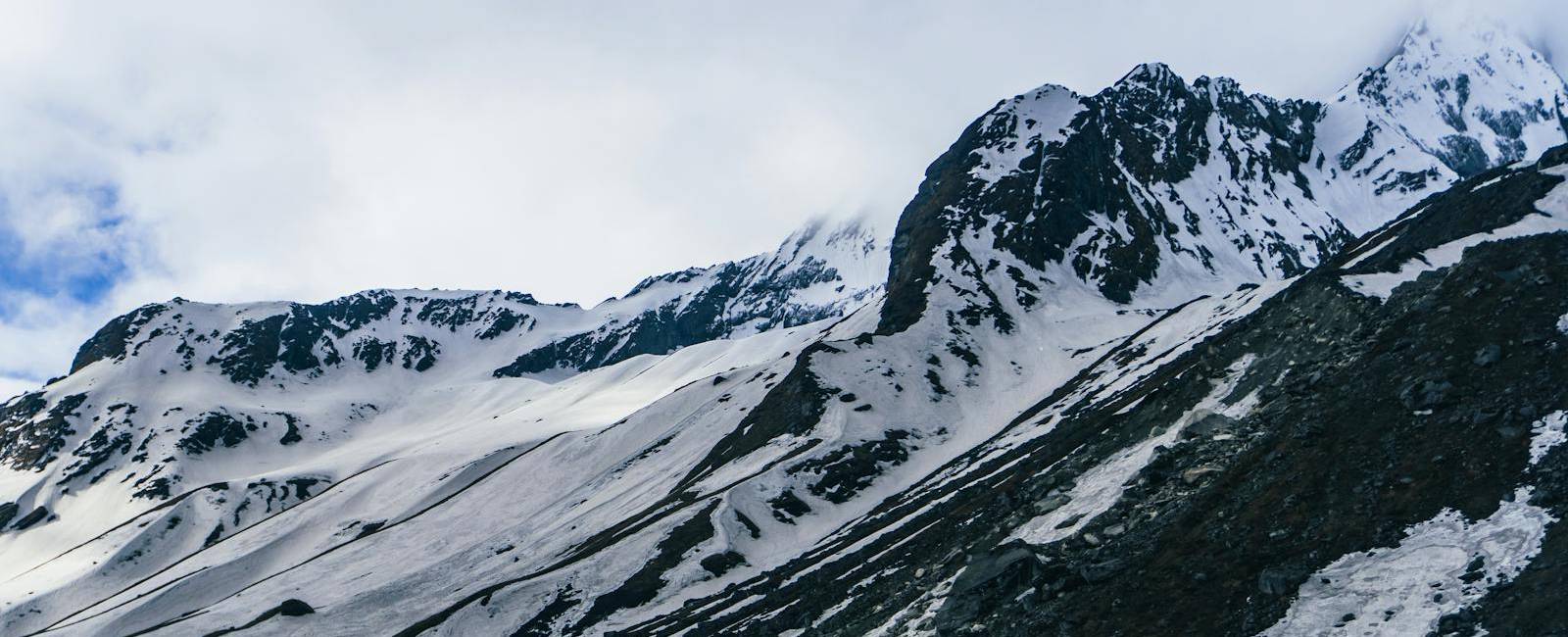
Nepal is widely known for its Himalayan mountains, trekking trails, temples, and diverse cultures. Yet beyond the famous peaks and trekking routes lies another side of the country that deserves equal attention: its historic towns and living architectural heritage.
Among these destinations, Bandipur and Panauti offer travelers an opportunity to experience Nepal's traditional Newari architecture, historic settlements, religious traditions, festivals, and community life in a more intimate setting. Both towns preserve distinctive elements of Nepal's architectural and cultural past, although each developed in a different geographical and historical context.
Bandipur sits on a hilltop in Tanahun District and is particularly known for its preserved traditional townscape, Newari houses, temples, shrines, and mountain scenery. Panauti, meanwhile, is an old settlement in Kavrepalanchok with a remarkable collection of temples, traditional houses, public rest houses, sculptures, inscriptions, and other historic structures.
For trekkers, travelers, and tourists interested in more than mountains, visiting Bandipur and Panauti provides a chance to understand how architecture, religion, trade, community traditions, and everyday life have shaped Nepal over centuries.
What Makes Newari Architecture Special in Nepal?
Newari architecture is one of the most recognizable architectural traditions of the Kathmandu Valley and surrounding historic settlements of Nepal. It is particularly notable for its combination of brick masonry, carved timber, traditional windows, decorative doors, pagoda-style temples, courtyards, and carefully organized urban spaces.
Traditional Newari houses are not simply attractive buildings. Their design reflects how people historically lived, worked, worshipped, and interacted with their communities.
A typical historic house may feature:
-
Exposed red-brick walls
-
Intricately carved wooden windows
-
Decorative timber doors
-
Traditional tiled roofs
-
Narrow facades facing historic streets
-
Internal courtyards
-
Religious symbols and decorative details
-
Multiple floors designed for different household activities
The architecture also demonstrates the importance of skilled craftsmanship. Woodcarving, brickwork, metalwork, and traditional construction techniques have been passed through generations.
For visitors, looking carefully at these details can transform a simple walk through an old town into an exploration of Nepal's architectural history.
Bandipur: A Living Newari Heritage Town
Bandipur is one of Nepal's most appealing destinations for travelers who want to combine cultural sightseeing, traditional architecture, hiking, and Himalayan scenery.
Located on a ridge overlooking the Marshyangdi River Valley, Bandipur historically developed as a trading settlement. The town was once an important commercial center on the Tibet-India trade route and that its Newar community helped shape the settlement's distinctive architectural character.
Today, the historic center of Bandipur is particularly attractive because of its traditional streetscape. The heritage is not limited to individual monuments. The relationship between the buildings, streets, public spaces, religious sites, and surrounding landscape gives the town its character.
Traditional Houses and Wooden Details in Bandipur
One of the first things visitors notice in Bandipur is the appearance of the traditional houses.
Many historic buildings feature brick facades combined with beautifully carved wooden windows, doors, balconies, and roof elements. These details demonstrate the importance of traditional craftsmanship in Newari architecture.
Windows are particularly fascinating. Traditional wooden windows were functional, providing ventilation and light, but they were also opportunities for artisans to demonstrate their skills. The patterns, proportions, and carved details vary between buildings, making a slow architectural walk through the old town worthwhile.
Rather than rushing from one attraction to another, travelers interested in heritage can take time to observe the buildings themselves.
Temples and Religious Heritage in Bandipur
Religion is closely integrated into Bandipur's historic landscape.
The town contains temples and shrines that remain connected to local religious practices and festivals. Sites such as Bindhyabasini Temple and Mahalaxmi Temple, both demonstrate traditional Newar craftsmanship.
Bindhyabasini Temple, located in the heart of Bandipur Bazaar, is associated with detailed woodcarving and brasswork. Mahalaxmi Temple also reflects the traditional pagoda style and decorative timber craftsmanship.
These religious structures should be viewed not only as tourist attractions but also as active parts of local cultural life.
Visitors should therefore approach temples respectfully, follow local customs, and ask before photographing people or religious ceremonies.
Panauti: A Historic Town Rich in Architectural Heritage
While Bandipur is famous for its hilltop setting and preserved Newari townscape, Panauti offers a different perspective on Nepal's architectural heritage.
Panauti lies at the confluence of the Roshi and Punyamati rivers and has a long history as a religious, administrative, and commercial settlement. Panauti is a historic architectural complex containing temples, public rest houses, traditional houses, sculptures, inscriptions, and other structures.
The town's historic significance is particularly visible around its religious core.
The Indreshwar Mahadev Temple is the centerpiece of Panauti's heritage area. The temple is a traditional Nepalese-style structure dating to 1294, with brick construction, timber elements, carved brackets, and multiple roofs.
For anyone interested in traditional architecture in Nepal, Panauti offers an opportunity to study the relationship between religious buildings and the surrounding settlement.
Patis and Sattals: Architecture for Community Life
One interesting feature of Panauti's heritage is its collection of patis and sattals - traditional public structures associated with rest, gathering, religious activity, and community life.
These structures demonstrate that historic architecture was not limited to palaces and temples.
Public buildings played an important role in supporting travelers, pilgrims, residents, and community activities. This aspect of Panauti is particularly valuable for travelers who want to understand the social history behind Nepal's built heritage.
Bandipur and Panauti: Two Different Expressions of Newari Heritage
Although both destinations showcase traditional Newari architecture and cultural heritage, Bandipur and Panauti should not be treated as identical destinations.
|
Feature |
Bandipur |
Panauti |
|---|---|---|
|
Setting |
Hilltop settlement |
Historic river-confluence town |
|
Main appeal |
Traditional townscape, mountain views, hiking |
Temples, historic structures, religious heritage |
|
Architectural character |
Traditional Newari houses and urban streets |
Temples, patis, sattals, houses and historic complex |
|
Cultural experience |
Living hill-town culture |
Historic religious and architectural landscape |
|
Suitable for |
Culture, hiking, photography, scenic travel |
Heritage, architecture, history and religious tourism |
|
Travel style |
Relaxed overnight cultural stay |
Heritage-focused day trip or cultural stay |
Combining both destinations can therefore create a broader understanding of Nepal's traditional settlements.
Bandipur allows travelers to experience a historic hill town with panoramic scenery, while Panauti provides a closer look at an early medieval architectural and religious landscape.
Best Time to Visit Bandipur and Panauti
Both destinations can be visited throughout much of the year, but the experience varies by season.
-
Spring brings pleasant conditions and clear opportunities for outdoor exploration, while the surrounding landscapes become particularly attractive.
-
Autumn is another excellent period for cultural sightseeing, walking, photography, and mountain views. The generally stable weather makes it convenient to combine Bandipur with other destinations in Nepal.
-
Winter can also be rewarding. Mornings and evenings may be cool, particularly in Bandipur, but daytime sightseeing can be comfortable with suitable clothing.
-
Monsoon brings rain and greener landscapes. Travelers visiting during this period should prepare for wet roads and occasional travel disruptions, but the lush surroundings can offer a different perspective of the destinations.
For travelers combining Bandipur and Panauti with trekking, the best season may also depend on the trekking region included in the overall itinerary.
Why Include Bandipur and Panauti in a Nepal Tour?
For travelers who want more than a standard sightseeing itinerary, combining these two destinations can provide a deeper cultural experience.
A Bandipur and Panauti cultural tour can introduce visitors to:
-
Traditional Newari architecture
-
Historic Nepalese settlements
-
Ancient temples and shrines
-
Traditional wooden craftsmanship
-
Brick architecture
-
Religious traditions
-
Local festivals and customs
-
Historic public spaces
-
Community-based tourism
-
Scenic hill landscapes
-
Short cultural hikes
-
Local food and hospitality
The experience can also be combined with Kathmandu Valley heritage sites, Pokhara, trekking routes, or other cultural destinations depending on the length and purpose of the trip.
For trekkers, Bandipur can work particularly well as a cultural stop before or after a Himalayan adventure. For general tourists, both towns can become central parts of a heritage-focused Nepal itinerary.
Conclusion
Bandipur and Panauti are more than beautiful places to visit - they are important parts of Nepal's living cultural heritage.
Their traditional houses, carved wooden windows, temples, public structures, courtyards, streets, religious practices, festivals, and community traditions help tell the story of how people have lived and interacted in Nepal for generations.
For trekkers, travelers, and tourists, exploring these towns provides a valuable opportunity to look beyond the country's famous mountains and discover the craftsmanship and cultural traditions that make Nepal unique.
At Best Heritage Tour, we believe meaningful travel should connect visitors with the history, people, architecture, landscapes, and traditions of the destinations they explore. With years of experience organizing Nepal travel experiences, our team can help travelers design a cultural itinerary that includes Bandipur, Panauti, Kathmandu Valley heritage sites, trekking destinations, and other highlights according to their interests, available time, and travel style.
If you are planning a Bandipur and Panauti heritage tour in Nepal or want to include these historic towns in a wider Nepal itinerary, Best Heritage Tour is ready to help you plan the journey.
Phone / WhatsApp / Viber: +977-9851149197 / +977-9810043046
Email: info@bestheritagetour.com / bestheritagetour@gmail.com
Website: www.bestheritagetour.com
Office: Thamel Marg, Kathmandu, Nepal
Frequently Asked Questions
What is Bandipur famous for?
Bandipur is known for its preserved traditional Newari townscape, historic temples and shrines, hill culture, mountain views, hiking opportunities, and traditional architecture. It is a predominantly Newar hill settlement that has retained many of its historic cultural characteristics.
Why is Panauti important for heritage tourism?
Panauti is important because of its collection of historic temples, traditional houses, patis, sattals, sculptures, inscriptions, and religious spaces. Its early medieval architectural complex has been on Nepal's UNESCO Tentative List since 1996.
Can Bandipur and Panauti be visited on the same Nepal trip?
Yes. They can be incorporated into a broader Nepal itinerary depending on available time and travel interests. They are particularly suitable for travelers interested in cultural heritage, traditional architecture, photography, local communities, and historic towns.
Are Bandipur and Panauti suitable for trekkers?
Yes. Both destinations can complement trekking-focused travel. Bandipur is especially suitable for travelers who enjoy short hikes and hill landscapes, while Panauti offers a more architecture- and heritage-focused experience.
Author: Best Heritage Tour
Date: 22nd September, 2026