Tucked away in the remote highlands of western Nepal, the Badimalika Temple stands as one of the most sacred and untouched pilgrimage destinations in the country. While most trekkers flock to Everest and Annapurna during peak seasons, only a handful of true explorers venture into this mystical region - especially during the monsoon.
But here’s the truth most travel blogs won’t tell you: monsoon is not a drawback for the Badimalika Trek - it’s actually its greatest strength.
As a travel expert from Nepal - Best Heritage Tour, we’ve guided trekkers across seasons, terrains, and altitudes. And time and again, we’ve seen how the monsoon transforms Badimalika into something truly magical.
Let’s dive deep into why monsoon might just be the best time to experience the Badimalika Trek.
A Landscape Transformed by Monsoon Magic
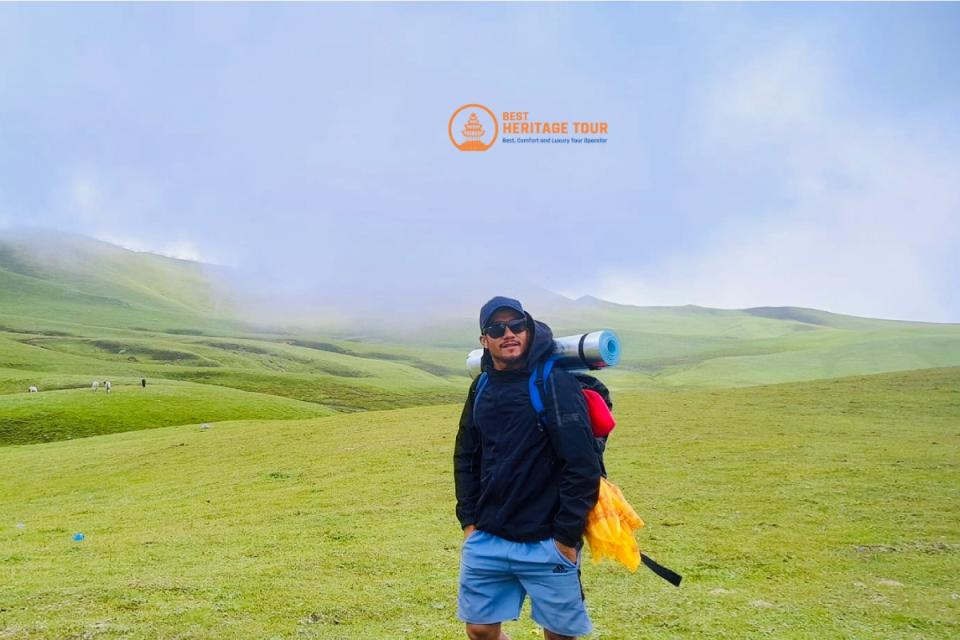
During the monsoon months (June to August), the entire Badimalika region comes alive. The dry, rugged hills you might see in other seasons are replaced with:
-
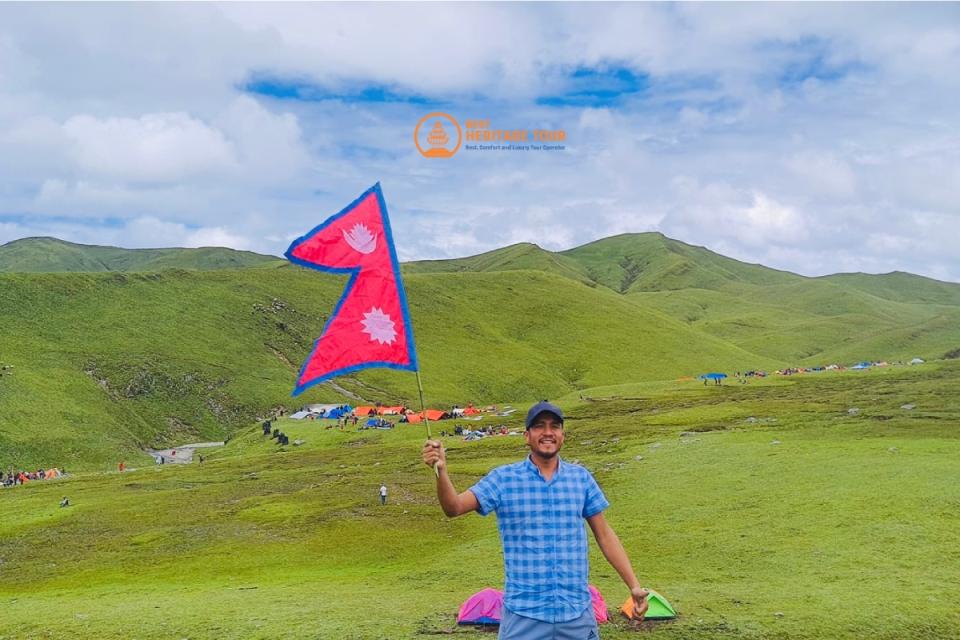
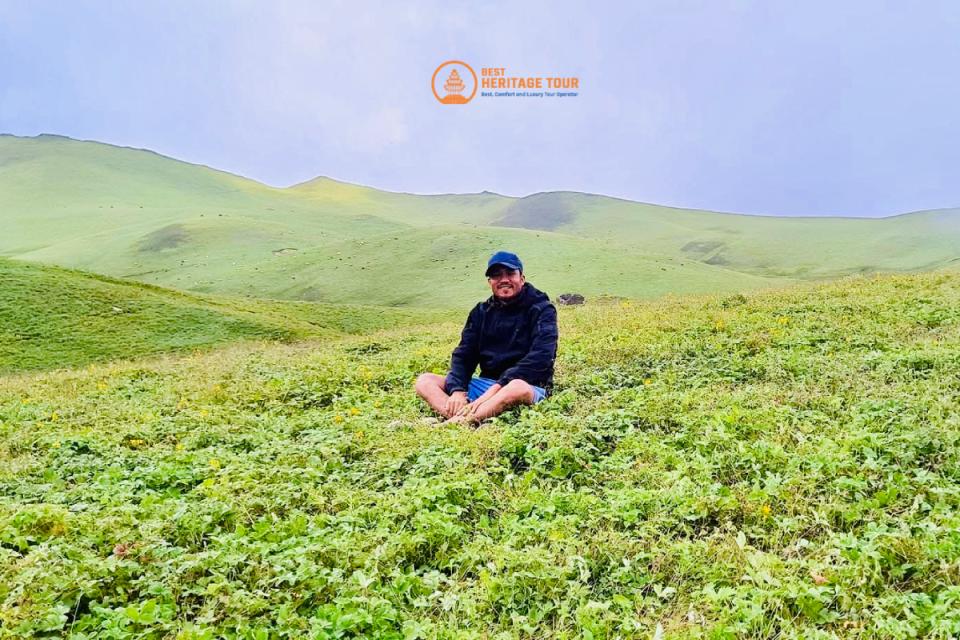
Lush green meadows stretching endlessly
-
Vibrant wildflowers blooming along the trails
-
Fresh streams and waterfalls flowing down the hills
-
Misty clouds creating dreamlike scenery
Unlike popular trekking routes that become muddy and crowded, Badimalika remains serene and refreshingly untouched.
Walking through these trails feels less like a trek and more like stepping into a hidden paradise.
The Sacred Timing: Badimalika Festival
One of the biggest reasons monsoon is the best time is the annual pilgrimage held during Janai Purnima, a major Hindu festival.
Thousands of devotees journey to the Badimalika Temple to:
-
Offer prayers to Goddess Malika
-
Perform rituals and sacrifices
-
Seek blessings for prosperity and protection
This is not just a trek - it’s a cultural and spiritual immersion.
As a trekker, you’ll witness:
-
Traditional rituals passed down generations
-
Local communities gathering in celebration
-
A rare blend of adventure and spirituality
It’s an experience that no other season can offer.
Fewer Crowds, More Authentic Experience
If you’re tired of overcrowded trekking routes like Everest Base Camp or Annapurna Base Camp, Badimalika during monsoon is your escape.
Here’s what you’ll love:
-
Peaceful trails with very few trekkers
-
Genuine interactions with local villagers
-
No commercialized tea houses or tourist traps
You get to experience raw, authentic Nepal - something increasingly rare in today’s trekking scene.
Unique Flora and Natural Beauty
Monsoon breathes life into the ecosystem of western Nepal.
During this time, you’ll encounter:
-
Rare medicinal herbs unique to the region
-
Colorful alpine flowers covering the hills
-
Dense greenery that enhances every view
For nature lovers, photographers, and botanists, this is the most rewarding season.
Dramatic Clouds & Mystical Views
Monsoon in the mountains doesn’t just mean rain - it means atmosphere.
-
Rolling clouds hugging the hills
-
Sudden clearings revealing breathtaking views
-
Misty mornings and golden evenings
The landscape constantly changes, giving you a new experience every hour.
This makes the trek feel alive and cinematic, unlike the static views of dry seasons.
A True Adventure for Real Explorers
Let’s be honest - Badimalika is not your typical easy trek.
And during monsoon, it becomes:
-
More adventurous
-
More unpredictable
-
More rewarding
Trail conditions may include:
-
Slippery paths
-
Occasional rain showers
-
Remote navigation routes
But with proper guidance (like from Best Heritage Tour), this challenge turns into an unforgettable journey.
This trek is perfect for:
-
Experienced trekkers
-
Adventure seekers
-
Travelers looking for off-the-beaten-path destinations
Cultural Encounters in Remote Villages
One of the hidden gems of this trek is the opportunity to connect with local communities in Bajura and surrounding regions.
You’ll experience:
-
Traditional lifestyles untouched by modernization
-
Warm hospitality from locals
-
Authentic Nepali food and customs
These moments often become the most memorable part of the journey.
Things to Consider Before Trekking in Monsoon
While monsoon is magical, it’s important to be prepared.
Here are some practical tips:
Pack Smart
-
Waterproof jacket and backpack cover
-
Good trekking boots with grip
-
Extra socks and quick-dry clothes
Plan with Experts
The region is remote, so traveling with experienced guides is highly recommended.
Be Flexible
Weather can change quickly, so keep buffer days in your itinerary.
How to Reach Badimalika
The trek usually begins after reaching western Nepal via:
-
Flight or road to Dhangadhi or Nepalgunj
-
Further travel to Bajura district
-
Trekking through villages and hills to reach the temple
Due to its remoteness, proper planning is essential - which is where a reliable travel partner makes all the difference.
FAQs About Badimalika Trek in Monsoon
Is it safe for Badimalika Trek during monsoon?
Yes, with proper preparation and guidance, it is safe. The route is less prone to landslides compared to other regions.
Is the Badimalika Trek suitable for beginners?
It’s better suited for moderate to experienced trekkers due to remoteness and trail conditions.
What makes Badimalika different from other treks?
Its combination of spiritual significance, untouched nature, and cultural authenticity.
Conclusion
The Badimalika Trek is not just a journey - it’s an experience that blends nature, culture, spirituality, and adventure into one unforgettable story.
While most travelers avoid the monsoon season, those who embrace it are rewarded with:
-
Lush landscapes
-
Cultural richness
-
Solitude and peace
-
A deeper connection with nature
If you’re looking to go beyond the ordinary and explore a side of Nepal that few have seen, monsoon is truly the best time for the Badimalika Trek.
Plan Your Badimalika Trek with Best Heritage Tour
At Best Heritage Tour, we specialize in crafting authentic, safe, and immersive trekking experiences across Nepal.
Phone / WhatsApp / Viber: +977-9851149197 / +977-9810043046
Email: info@bestheritagetour.com / bestheritagetour@gmail.com
Website: www.bestheritagetour.com
Office: Thamel Marg, Kathmandu, Nepal
Author: Best Heritage Tour
Date: 1st April, 2026