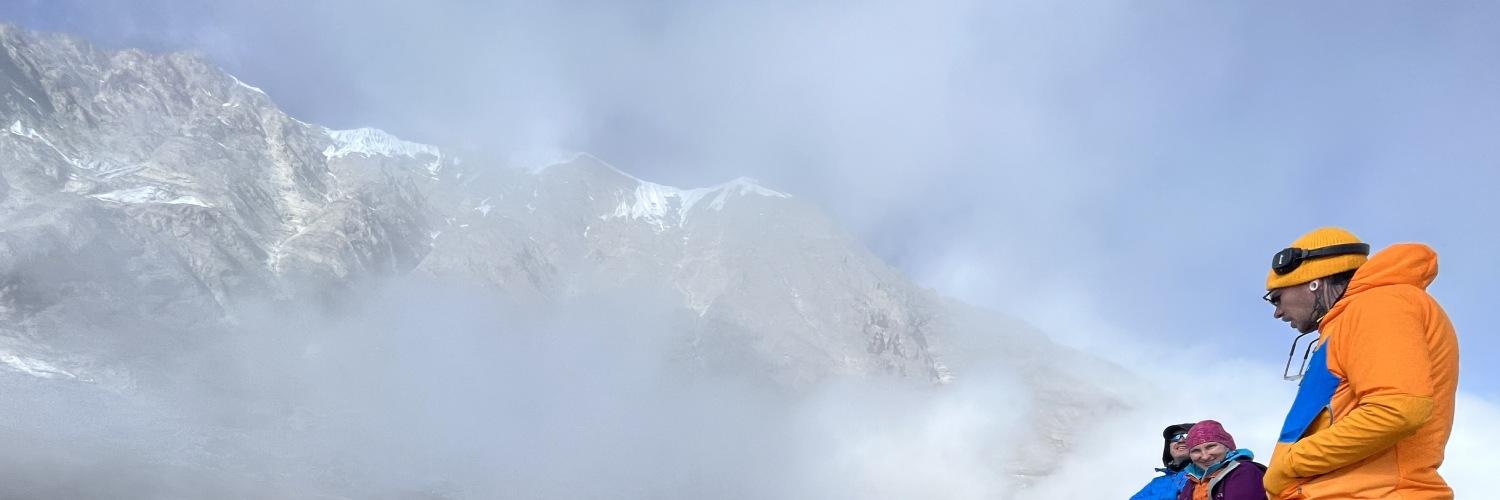
The Manaslu Circuit Trek is often described as the "Great Himalayan Trail’s" best-kept secret. While the geographical allure of the world’s eighth-highest peak is the initial draw, the true soul of the journey is found in the stone-paved alleys and smoke-filled kitchens of the local settlements.
At Best Heritage Tour, we don't just see these villages as overnight stops; we see them as the pulse of the Nubri and Tsum valleys. Writing from our home base in Thamel, we’ve seen how the "tea-house trek" evolution has changed Nepal, yet the villages on the Manaslu Circuit Trek remain remarkably untouched by the frantic pace of the modern world.
The Lowland Gateway: Where the River Dictates Life
Before the thin air of the high Himalayas takes hold, the trek winds through the lush, humid corridors of the Gorkha district. Here, the culture is a vibrant mix of ethnic Gurung and Magar traditions.
1. Machha Khola (930m): The Threshold of Adventure
Named after the "Fish River" that merges with the Budhi Gandaki, Machha Khola is where the transformation begins. The village is built into the steep slopes, with houses often perched precariously above the roaring water.
-
The Experience: You’ll notice the mule caravans - the "Himalayan trucks" - carrying supplies. This is a great spot to witness the incredible logistical feat of mountain life.
-
Best Heritage Tip: Try the local river fish if available; it’s a delicacy that disappears once you climb into the higher Buddhist-protected zones.
2. Jagat (1,340m): The Guardians of the Gate
Jagat is a mandatory stop, not just for the MCAP (Manaslu Conservation Area Project) permit check, but for its sheer aesthetic beauty. The village is meticulously maintained, featuring flagstone streets that remind one of medieval mountain hamlets.
-
Architecture: Look for the intricately carved wooden windows and the heavy slate roofs designed to withstand the monsoon rains.
-
Why it's Authentic: Jagat marks the transition. Below here, the influence is largely Hindu; above here, you enter the realm of the Buddha.
Entering the Upper Nubri: A Journey Through Time
As the altitude crosses the 2,500-meter mark, the landscape sheds its greenery for the stark, dramatic beauty of the high highlands. This is where you find the Traditional Tibetan Villages of the Manaslu Region.
3. Namrung (2,630m): The Entryway to the Clouds
Entering Namrung feels like stepping back three centuries. The village is accessed through a massive "Kani" (archway) painted with protective deities.
-
The Vibe: The locals here speak a dialect closely related to Tibetan. You will see elders spinning prayer wheels at the communal mani walls.
-
The View: On a clear morning, the view of Ganesh Himal and Sringi Himal from the village outskirts is unparalleled. It is the perfect spot for your first "high-altitude" photography session.
4. Lho (3,180m): The Shadow of the Spirit Mountain
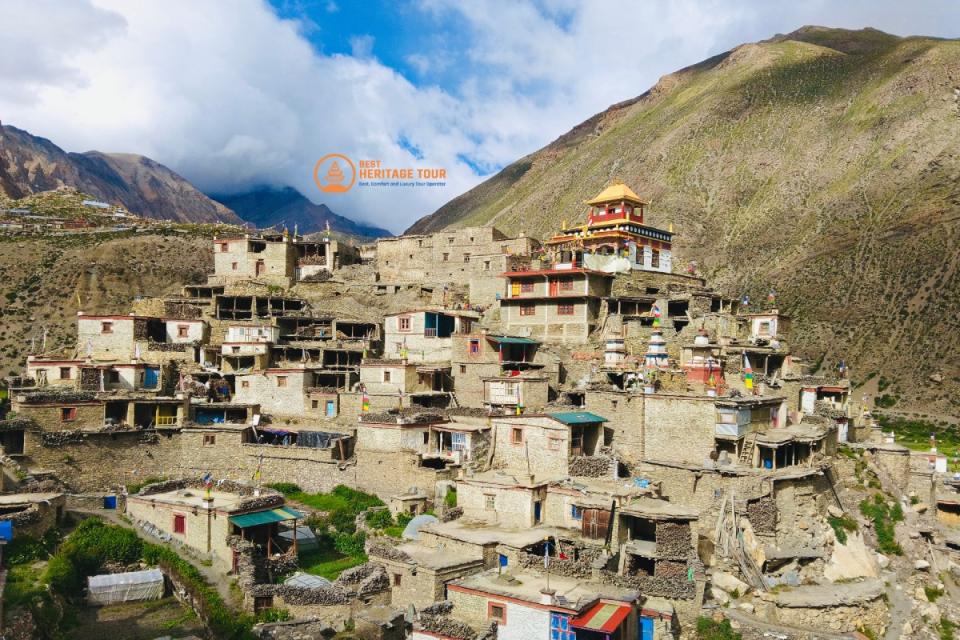
Lho is perhaps the most iconic village on the circuit. It is dominated by the Ribung Gompa, a monastery that sits like a crown above the settlement.
-
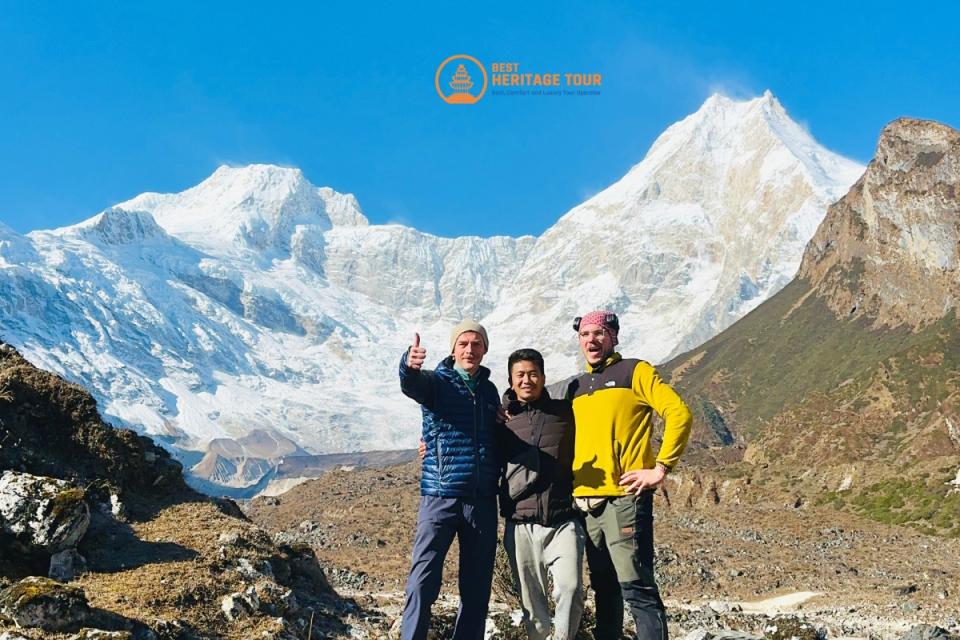
Manaslu Views: From the monastery courtyard, the double-peak of Manaslu looms so large it feels like you could reach out and touch it.
-
Cultural Immersion: We encourage our guests to visit the monastery during the afternoon chants. The smell of juniper incense and the sound of the monks’ rhythmic chanting provide a sensory experience that no guidebook can fully capture.
The High Altitudes: Life at the Edge of the World
In the upper reaches of the circuit, life is dictated by the seasons and the spiritual calendar. These are the Authentic Villages on the Manaslu Circuit where self-sufficiency is a way of survival.
5. Samagaon (3,530m): The Heartbeat of Nubri
Samagaon is the cultural capital of the trek. Most trekkers spend two nights here for acclimatization, which provides ample time to explore.
-
The Architecture of Survival: Houses here are built with thick stone walls and flat roofs used for drying grain and wood. The village layout is a labyrinth of narrow paths designed to break the force of the high-altitude winds.
-
Must-Visit: Take the side trip to Pungyen Gompa. It sits in a hidden valley at the base of the Manaslu glacier. It is a place of immense spiritual power and quietude.
6. Samdo (3,875m): The Last Outpost
Samdo is the final permanent settlement before the Larkya La Pass. It was originally settled by Tibetan refugees who brought their livestock and traditions across the border.
-
The Yak Culture: Everything in Samdo revolves around the yak. From the butter in your tea to the wool in the blankets, the yak is the lifeblood of this village.
-
Proximity to Tibet: You are only a day’s walk from the Tibetan border here. The sense of isolation is profound, offering a rare opportunity for true reflection away from digital distractions.
Navigating Local Etiquette: A Professional Guide's Advice
To truly appreciate the Villages to Visit in the Manaslu Circuit, one must understand the "Dharma" of the mountains. At Best Heritage Tour, we train our guides to facilitate respectful interactions:
-
Clockwise is the Key: Always pass Mani walls and Chortens with the structure to your right.
-
The Gift of a Khata: If you are invited into a home or a monastery, a small offering or the acceptance of a ceremonial scarf (Khata) is a sign of mutual respect.
-
Sustainable Footprints: These villages have fragile waste management systems. We ask all our travelers to "pack it in, pack it out" to keep these heritage sites pristine.
Conclusions
The Manaslu Circuit is not a race to the pass; it is a slow immersion into a world that the rest of the globe has forgotten. From the tropical heat of Machha Khola to the frozen silence of Samdo, the villages of Manaslu offer a perspective on life that is grounded, spiritual, and deeply human.
Ready to explore the heritage of the Himalayas?
Contact Best Heritage Tour to begin crafting your personalized Manaslu itinerary. Whether you are a solo traveler or a group, we provide the logistical expertise and local insight to make your trek safe, successful, and soul-stirring.
Phone / WhatsApp / Viber: +977-9851149197 / +977-9810043046
Email: info@bestheritagetour.com / bestheritagetour@gmail.com
Website: www.bestheritagetour.com
Office: Thamel Marg, Kathmandu, Nepal
Author: Best Heritage Tour
Date: 25th March, 2026