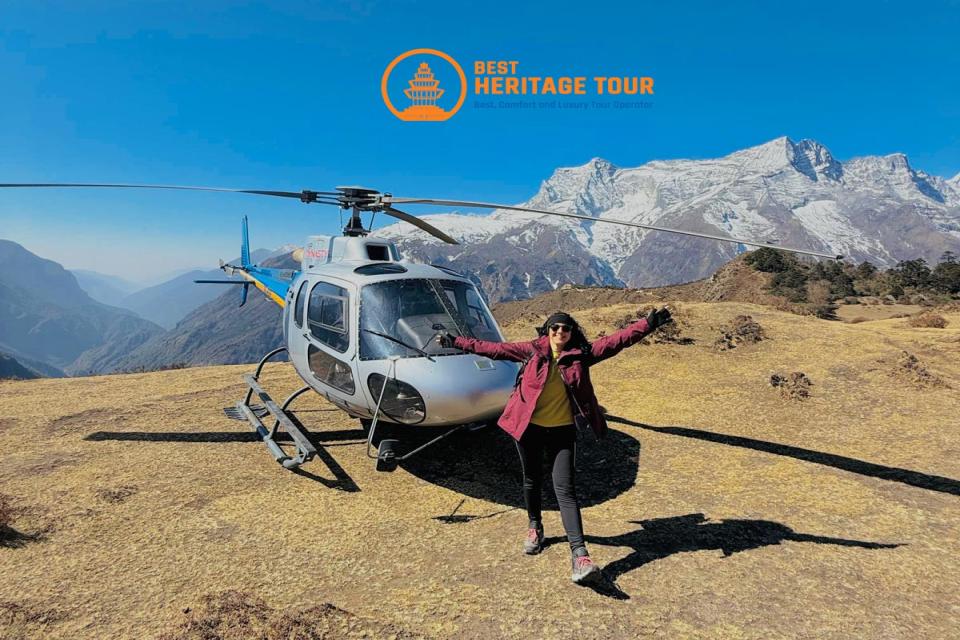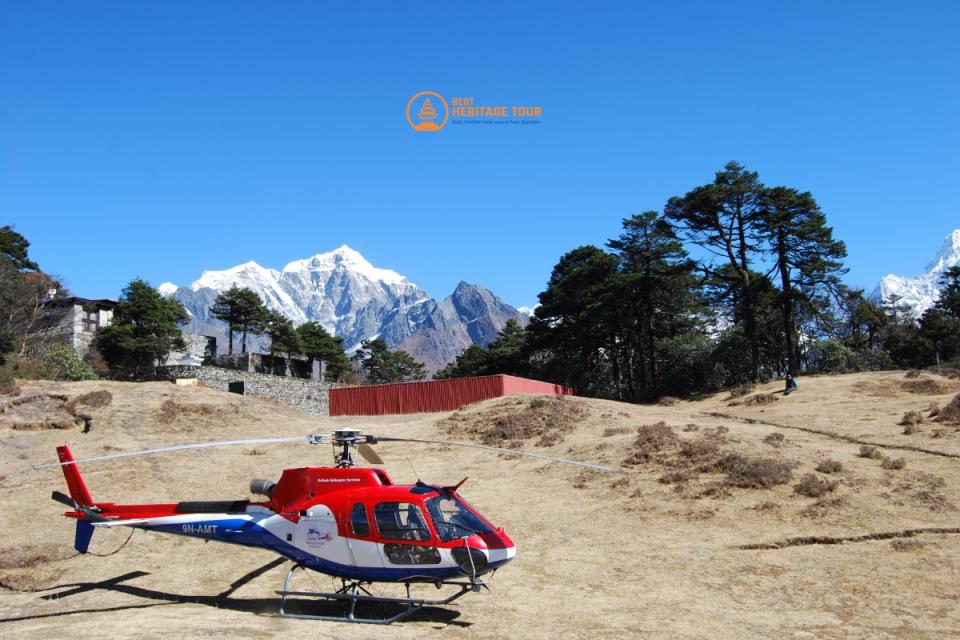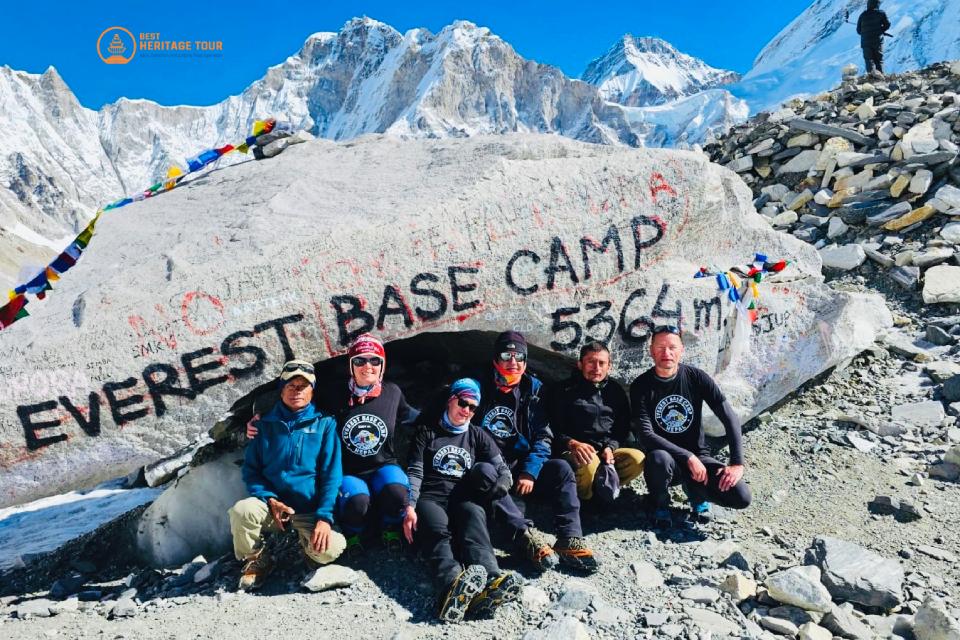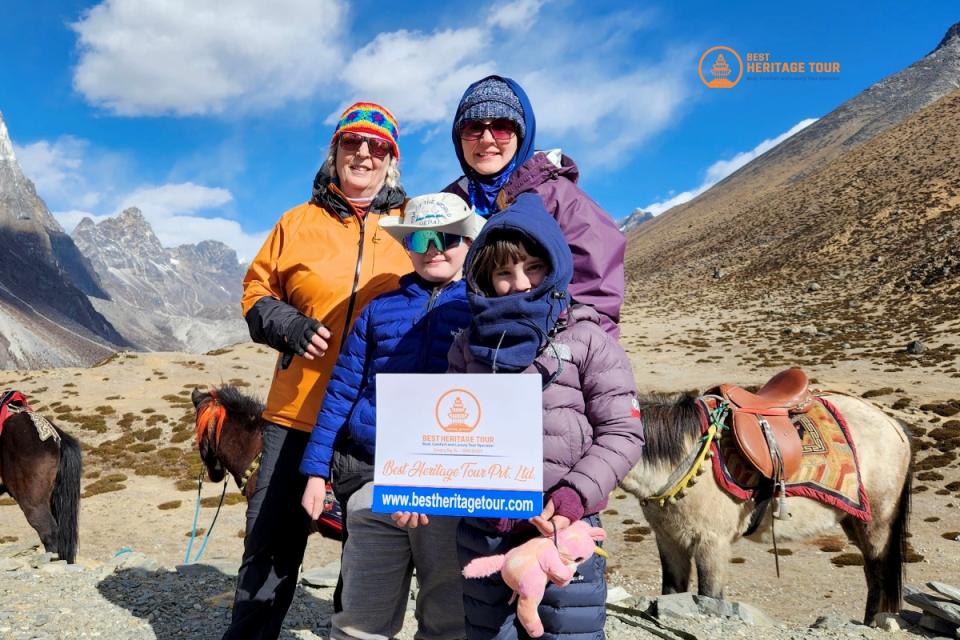
Dreaming of standing in the shadow of the world’s highest peak? Timing your journey can make the difference between a good trek and a truly unforgettable Himalayan experience. Among all trekking windows in Nepal, April (spring) and October (autumn) are widely considered the best months for the Everest Base Camp trek.
In the world of Himalayan trekking, two titans stand head-to-head: April and October. Both offer the "golden" conditions that make the 5,364-meter journey achievable for most, but they offer vastly different atmospheres. One is a vibrant, floral rebirth; the other is a crisp, crystal-clear masterpiece of stability.
This deep-dive guide will help you settle the debate: April vs. October for the Everest Base Camp Trek.
Understanding the Everest Trekking Seasons
The Everest region lies within the high Himalayas inside Sagarmatha National Park, home to dramatic glaciers, Sherpa culture, and iconic mountain views dominated by Mount Everest. Trekking here is shaped heavily by Nepal’s seasonal patterns.
Nepal has four main seasons:
-
Spring (March-May)
-
Monsoon (June-September)
-
Autumn (September-November)
-
Winter (December-February)
Among these, April represents peak spring trekking conditions, while October stands at the heart of the autumn season. Both are excellent - but not identical.
The Tale of Two Seasons: An Overview
Before we get into the nitty-gritty of temperatures and trail traffic, let’s look at the "vibe" of each season.
April: The Season of Rebirth and High-Stakes Ambition
April is the heart of the Spring (Pre-Monsoon) season. As the winter snow melts away, the lower trails from Lukla to Namche Bazaar transform into a botanical garden. The rhododendrons (Nepal’s national flower) are in full, fiery bloom, painting the hillsides in shades of crimson and pink.
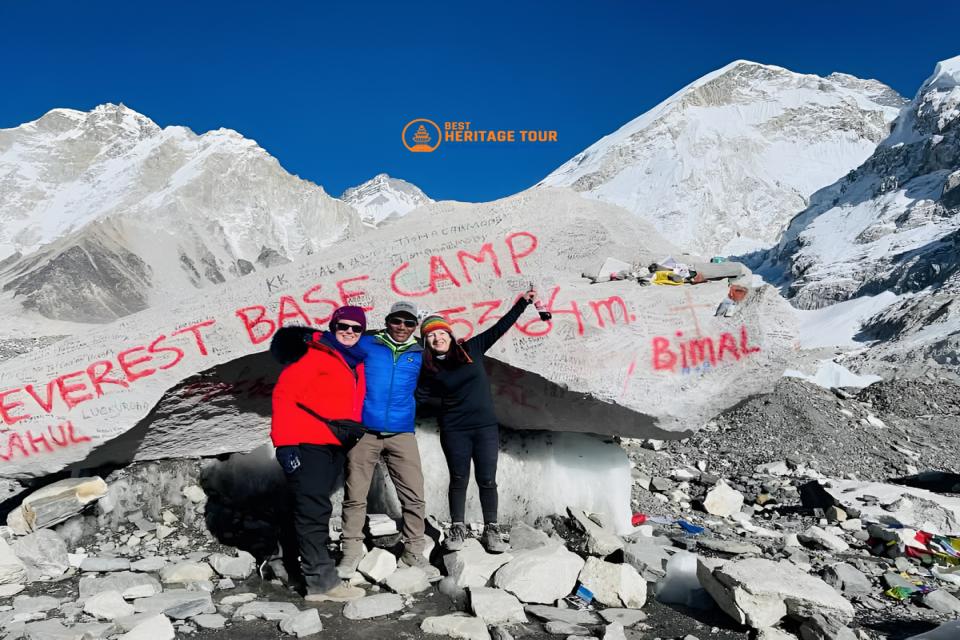
But the real magic of April lies at the destination. This is the Everest Climbing Season. When you reach Base Camp, you won't find a desolate rock field; you’ll find a "miniature city" of yellow and orange tents. There is a palpable electricity in the air as world-class mountaineers prepare for their summit pushes.
October: The Season of Clarity and Golden Stability
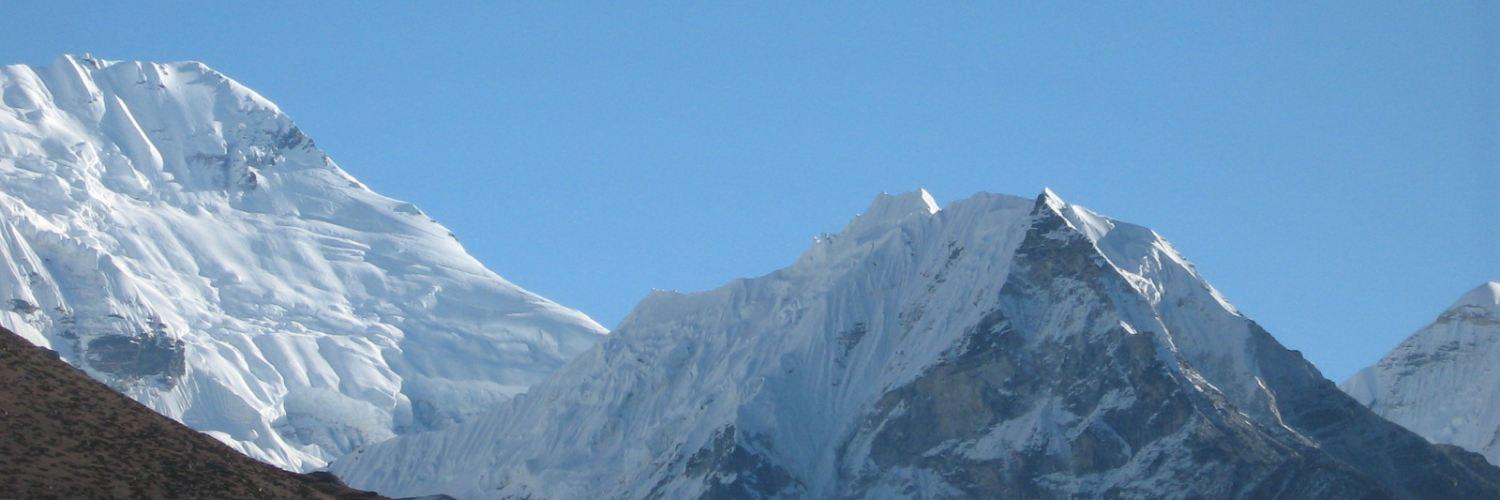
October is the crown jewel of the Autumn (Post-Monsoon) season. After the monsoon rains have washed the dust from the atmosphere, the air is the clearest it will be all year. The visibility is "diamond-sharp," making it the undisputed favorite for photographers.
The mood is celebratory. The major Nepali festivals like Dashain and Tihar often fall in October, bringing a festive warmth to the Sherpa villages. The trails are dry, the skies are a deep, consistent cobalt, and the "Great Peaks" seem close enough to touch.
Weather and Temperature: The Statistics vs. The Reality
Weather is the single most important factor for success on the EBC trail. While the mountains are always unpredictable, here is what 2026 data and historical patterns tell us.
April Weather: Warm Days, Hazy Afternoons
In April, the sun is gaining strength. You’ll often find yourself trekking in just a base layer during the day at lower altitudes.
-
Daytime (Lower Altitudes): 15°C to 20°C
-
Nighttime (Above 4,000m): -5°C to -10°C
-
The "April Catch": While mornings are usually crystal clear, spring weather tends to "build up" in the afternoon. You might encounter some haze or light clouds rolling in after 2:00 PM.
October Weather: Crisp Mornings, Stable Skies
October is famous for its stability. The high-pressure systems post-monsoon mean you can often go ten days without seeing a single cloud.
-
Daytime (Lower Altitudes): 12°C to 18°C (slightly cooler than April)
-
Nighttime (Above 4,000m): -10°C to -15°C (noticeably colder as the month progresses)
-
The "October Edge": The visibility remains excellent throughout the day. If you want that perfect sunset shot of Everest from Kala Patthar, October is your best bet.
|
Feature |
April (Spring) |
October (Autumn) |
|---|---|---|
|
Visibility |
Excellent mornings; hazy afternoons |
Crystal clear all day |
|
Temperature |
Warmer days, milder nights |
Crisp days, freezing nights |
|
Precipitation |
Occasional light rain/snow |
Very low; stable |
|
Flowers |
Peak Rhododendron bloom |
Harvest season greenery |
Trail Conditions and Crowd Density
Both April and October are "Peak Seasons." If you are looking for total solitude, you won’t find it here (for that, we’d suggest a winter trek in December or January). However, the type of crowd differs.
The April Crowd: The Expedition Energy
In April, you share the trail with yaks carrying heavy climbing gear and expedition support teams. The teahouses are lively, filled with stories of past summits and future dreams. It feels like a global mountaineering convention.
-
Trail Condition: Mostly dry, though you may encounter lingering winter snow on high passes like the Cho La or at the very top of Kala Patthar.
The October Crowd: The Trekking Peak
October is technically the busiest month in the Khumbu. Because the weather is so reliable, trekkers from all over the world descend on the region.
-
Trail Condition: Perfect. The monsoon has packed the dirt down, making the trails firm and easy to navigate. There is very little mud and virtually no ice on the main EBC route.
Photography: Which Month Wins?
If you are carrying a DSLR or even just a high-end smartphone, your choice matters.
-
Choose October if: You want the "Classic Everest" shot - sharp, white peaks against a dark blue sky. The lack of moisture in the air means your photos will have incredible depth and clarity.
-
Choose April if: You want "Life and Color." The contrast of the red rhododendrons against the Ama Dablam peak is a shot you can only get in the spring. Plus, the colorful tents at Base Camp provide a unique foreground that isn't there in October.
Logistics: Flights and Teahouses
Success in Nepal often depends on the flight from Kathmandu (or Manthali) to Lukla.
Flight Reliability
-
October: Generally higher reliability. Clear skies mean fewer cancellations. However, because it is peak season, flights are often diverted to Manthali/Ramechhap to manage air traffic.
-
April: Good reliability, but afternoon winds in Lukla can sometimes cause late-day cancellations.
Teahouse Availability
In both months, the best teahouses book up months in advance. At Best Heritage Tour, we pre-book our preferred lodges to ensure our guests aren't sleeping in dining halls. In October, the demand is slightly higher, making early booking absolutely essential.
Cultural Experiences
The Everest region is the home of the Sherpa people, and their culture is as much a part of the trek as the mountains.
-
April's Highlight: You’ll see the "Icefall Doctors" and Sherpas in high-stakes action. You can visit monasteries like Tengboche and witness blessings for the climbers.
-
October's Highlight: The Mani Rimdu festival often falls in late October or early November. This is the most important festival in the Khumbu, featuring masked dances and ancient rituals at the Tengboche Monastery.
Insider Expert Tips for Your Trek
Whether you choose the floral bloom of April or the sharp clarity of October, here are three "Guide-Secrets" to make your trek better:
-
The "Early Bird" Strategy: Regardless of the month, start your daily hike at 7:30 AM. This ensures you reach your next destination before the afternoon clouds (in April) or the sharp temperature drop (in October).
-
The Layering Truth: In April, you need more "breathable" layers for the warm afternoons. In October, you need a higher-rated down jacket (at least -20°C) for the biting evening cold.
-
The Buffer Day: Always build 2 days of "buffer time" into your international flight schedule. Lukla weather answers to no one, not even in peak season.
Final Verdict: Which One Should You Choose?
Choose April if...
You love nature, flowers, and a warmer walking environment. If you are fascinated by the "Big Mountain" climbing culture and want to see the Base Camp full of life, April is your month. It’s a journey of color and energy.
Choose October if...
You are a photographer or a first-time trekker who wants the highest possible guarantee of clear views and stable weather. If you don’t mind the cold nights and the busier trails, October offers the "gold standard" Himalayan experience.
Conclusion
There is no "wrong" time to see the roof of the world, but there is a "right" way to plan it. Whether you want the rhododendron forests of spring or the crystal-clear horizons of autumn, the Everest Base Camp trek is a life-changing pilgrimage.
At Best Heritage Tour, we don't just provide a guide; we provide a bridge to the Sherpa culture and the safest path to the base of the world's highest peak. We handle the complex logistics - from Lukla flight permits to the best room in Namche - so you can focus on the breath-taking views.
Ready to stand at the foot of greatness?
Whether you're eyeing an April bloom or an October clarity, let's start planning your 2026/2027 adventure today.
Contact Best Heritage Tour:
Phone / WhatsApp / Viber: +977-9851149197 / +977-9810043046
Email: info@bestheritagetour.com / bestheritagetour@gmail.com
Website: www.bestheritagetour.com
Office: Thamel Marg, Kathmandu, Nepal
Author: Best Heritage Tour
Date: 3rd March, 2026