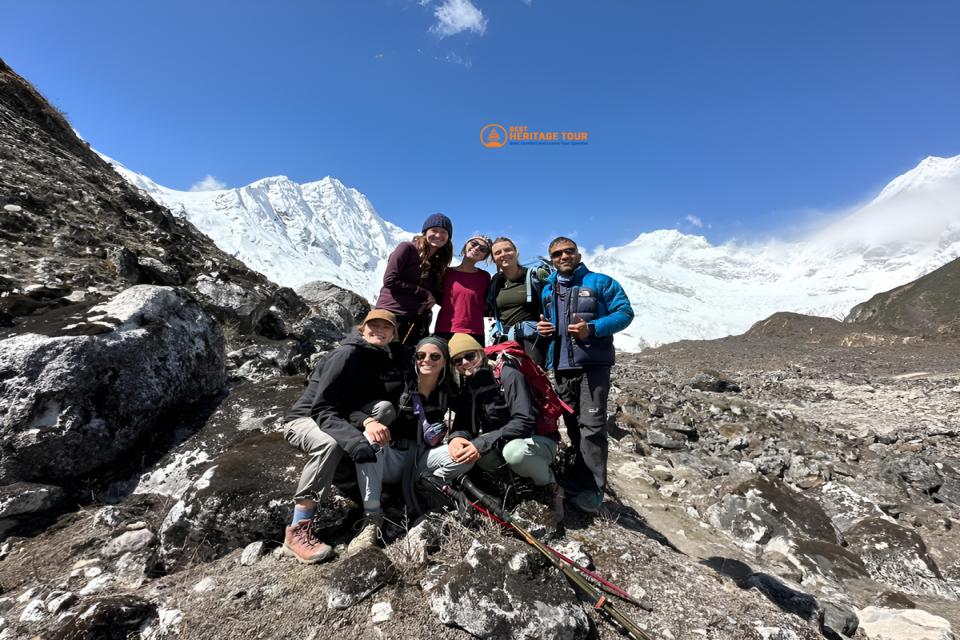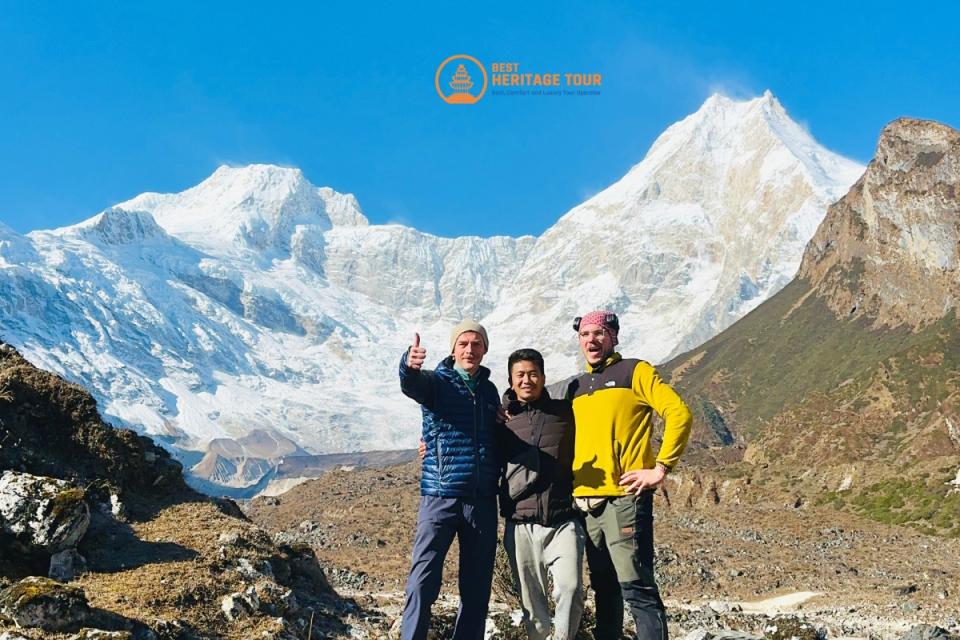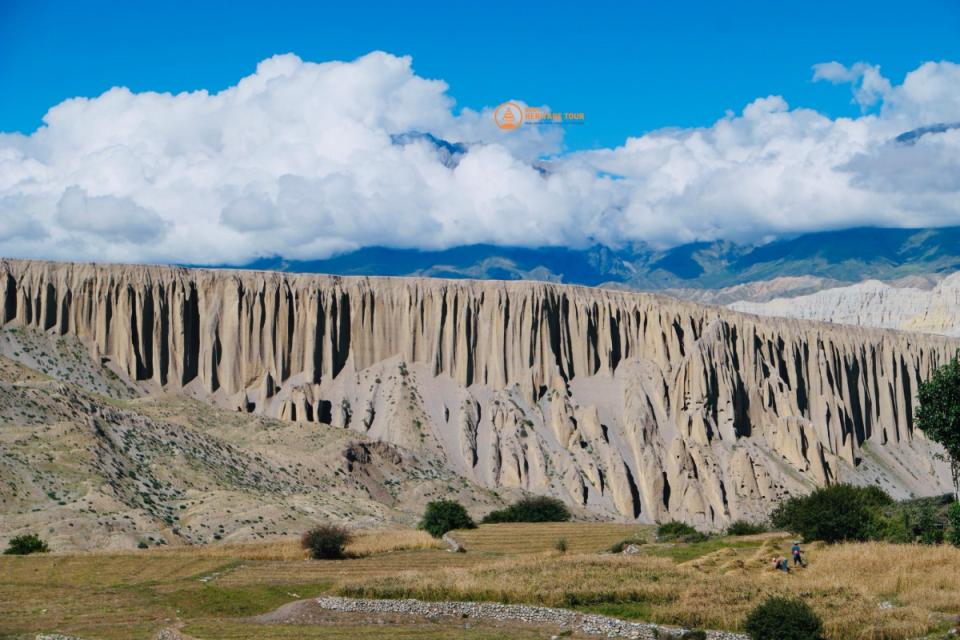
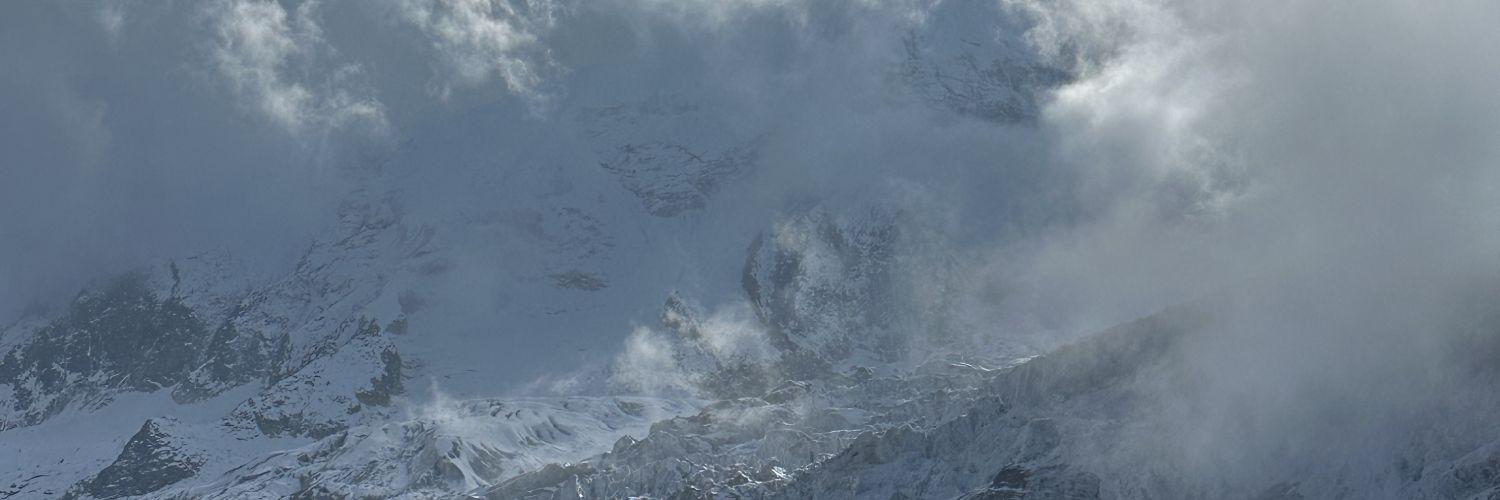
Hidden beyond the towering Himalayas and untouched by mass tourism, Nubri Valley is one of Nepal’s most culturally rich and naturally stunning destinations. For travelers seeking an authentic Himalayan experience far from crowded trails, this sacred valley offers a rare combination of pristine landscapes, ancient Tibetan-influenced culture, and spiritual serenity.
At Best Heritage Tour, we believe in guiding travelers to places that go beyond the ordinary - and Nubri Valley is exactly that. This comprehensive guide is designed to help trekkers, travelers, and tourists understand everything about this remarkable region, from its location and villages to how to reach Nubri Valley and what to expect along the journey.
Where is Nubri Valley?
Nubri Valley lies in the northern part of Nepal, within the Gorkha District, bordering Tibet (China). It is part of the Manaslu Conservation Area, one of Nepal’s most protected and culturally preserved regions. The valley stretches from Jagat to the Tibetan border at Rui La Pass.
Unlike more commercial trekking regions like Everest or Annapurna, Nubri Valley remains relatively untouched, offering a raw and authentic Himalayan experience. The region is deeply influenced by Tibetan Buddhism, and its people, traditions, and architecture reflect centuries-old practices that have remained intact due to its geographical isolation.
The name “Nubri” itself translates to “Western Mountains” in the local dialect, symbolizing its position and identity within the Himalayan landscape.
Why Visit Nubri Valley?
For those wondering whether Nubri Valley is worth visiting - the answer is a definite yes. This region offers a unique blend of adventure, culture, and spirituality that few other destinations can match.
1. Untouched Natural Beauty
Nubri Valley is home to dramatic mountain views, deep gorges, glacial rivers, and alpine forests. The landscapes change dramatically as you ascend, offering diverse scenery at every step.
2. Rich Tibetan Culture
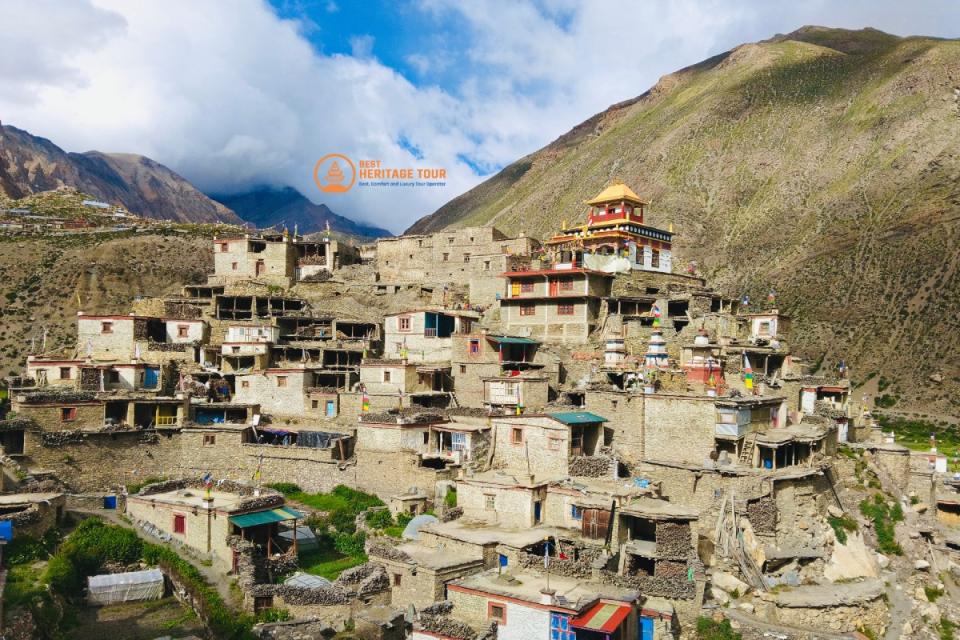
Due to its proximity to Tibet, Nubri Valley is heavily influenced by Tibetan traditions. You will encounter ancient monasteries, prayer wheels, mani walls, and chortens throughout the journey.
3. Peaceful Trekking Experience
Unlike popular trekking routes, Nubri Valley sees fewer tourists, making it perfect for those who seek solitude and a deeper connection with nature.
4. Spiritual Significance
The region is dotted with centuries-old monasteries and sacred sites, making it a spiritual haven for both locals and visitors.
Villages on Nubri Valley
One of the most fascinating aspects of Nubri Valley is its traditional villages, each with its own unique charm, culture, and significance. These villages are not just stopping points - they are living museums of Himalayan heritage.
1. Jagat
Jagat serves as the entry point to Nubri Valley and marks the beginning of the restricted Manaslu region. This village features stone-paved streets and traditional houses, offering the first glimpse into the local lifestyle.
2. Philim
Philim is a large Gurung village known for its beautiful terraced fields and welcoming atmosphere. It acts as a cultural transition point before entering deeper Tibetan-influenced areas.
3. Deng
Deng is a small but important village where the landscape and culture begin to shift more prominently toward Tibetan influence. The surrounding forests and rivers create a serene environment.
4. Namrung
Namrung is a culturally rich village with stunning views of nearby peaks. It features traditional homes, monasteries, and prayer flags fluttering in the wind, offering a classic Himalayan experience.
5. Lho
Lho is known for its breathtaking views of Manaslu and its ancient monastery, Ribung Gompa. This village is a major highlight for both trekkers and photographers.
6. Samagaon
Samagaon is one of the largest and most important villages in Nubri Valley. It serves as a central hub for trekkers and is located near Manaslu Base Camp. The village is rich in culture and offers opportunities for acclimatization and exploration.
7. Samdo
Samdo is the last permanent settlement before the Tibetan border. It is a small, remote village with a strong Tibetan identity. Life here is simple and deeply connected to nature and tradition.
How to Reach Nubri Valley
Understanding how to reach Nubri Valley is essential for planning your journey. Due to its remote location, reaching the valley involves a combination of road travel and trekking.
Step 1: Travel from Kathmandu to Soti Khola or Machha Khola
The journey begins with a drive from Kathmandu to Soti Khola or Machha Khola. This drive typically takes 7-10 hours, depending on road conditions.
The route passes through scenic hills, rivers, and rural settlements, offering a glimpse into Nepal’s countryside.
Step 2: Start Trekking from Machha Khola
From Machha Khola, the trekking journey begins. The trail follows the Budhi Gandaki River and gradually ascends through forests, suspension bridges, and traditional villages.
Step 3: Enter the Manaslu Conservation Area
At Jagat, you officially enter the restricted Manaslu region. Special permits are required for this area, which must be arranged through a registered trekking agency like Best Heritage Tour.
Step 4: Trek Through Nubri Valley Villages
The trek continues through the villages mentioned earlier - Philim, Deng, Namrung, Lho, Samagaon, and Samdo - each offering unique experiences and landscapes.
Step 5: Optional Extension to Manaslu Base Camp or Larkya La Pass
Many trekkers choose to extend their journey to Manaslu Base Camp or cross the Larkya La Pass, one of the most scenic high-altitude passes in Nepal.
Permits Required for Nubri Valley
Since Nubri Valley lies within a restricted area, trekkers must obtain special permits before entering.
Required Permits:
-
Manaslu Restricted Area Permit (RAP)
-
Manaslu Conservation Area Permit (MCAP)
-
Annapurna Conservation Area Permit (ACAP) (if extending trek)
Travelers must trek with a licensed guide and be part of a registered group. Independent trekking is not allowed in this region.
Culture and Lifestyle in Nubri Valley
The people of Nubri Valley are primarily of Tibetan origin and follow Tibetan Buddhism. Their lifestyle is simple, community-oriented, and deeply spiritual.
Key Cultural Highlights:
-
Traditional stone houses with flat roofs
-
Prayer flags and mani walls along trails
-
Monasteries and daily religious rituals
-
Local festivals and ceremonies
Visitors are encouraged to respect local customs, dress modestly, and seek permission before taking photographs.
Accommodation and Food
Accommodation in Nubri Valley mainly consists of teahouses and lodges. While facilities are basic compared to urban areas, they offer warm hospitality and essential comforts.
What to Expect:
-
Simple rooms with twin beds
-
Shared bathrooms
-
Local meals such as dal bhat, noodles, soups, and Tibetan bread
Food is nutritious and designed to provide energy for trekking.
Conclusion
Nubri Valley is more than just a trekking destination - it is a journey into the heart of Himalayan culture and nature. From understanding where Nubri Valley is to exploring its traditional villages and learning how to reach Nubri Valley, this region offers a truly immersive experience for trekkers, travelers, and tourists alike.
If you are seeking an off-the-beaten-path adventure filled with breathtaking landscapes and rich cultural encounters, Nubri Valley should be at the top of your travel list.
Plan Your Nubri Valley Adventure with Best Heritage Tour
Ready to explore the hidden gem of the Himalayas? Let Best Heritage Tour guide you through an unforgettable journey to Nubri Valley.
Phone / WhatsApp / Viber: +977-9851149197 / +977-9810043046
Email: info@bestheritagetour.com / bestheritagetour@gmail.com
Website: www.bestheritagetour.com
Office: Thamel Marg, Kathmandu, Nepal
Author: Best Heritage Tour
Date: 26th March, 2026