Everest Base Camp Trek - 12 Days
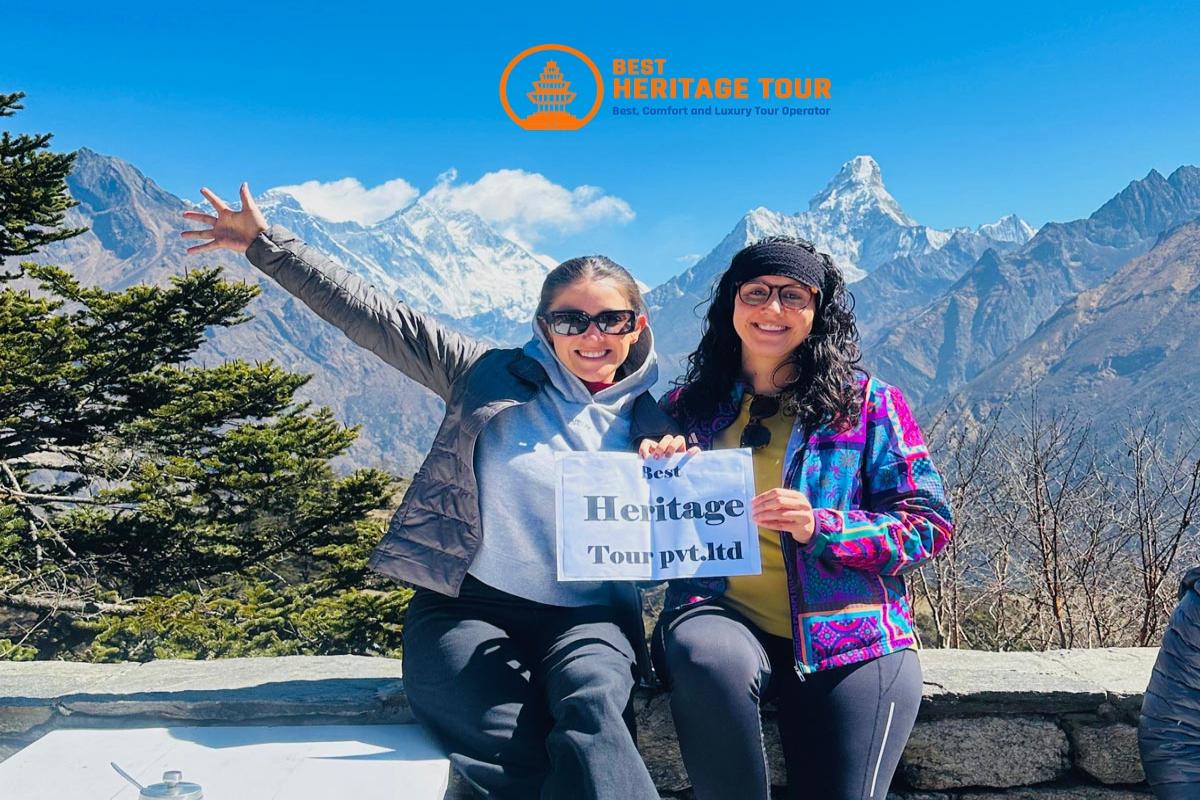
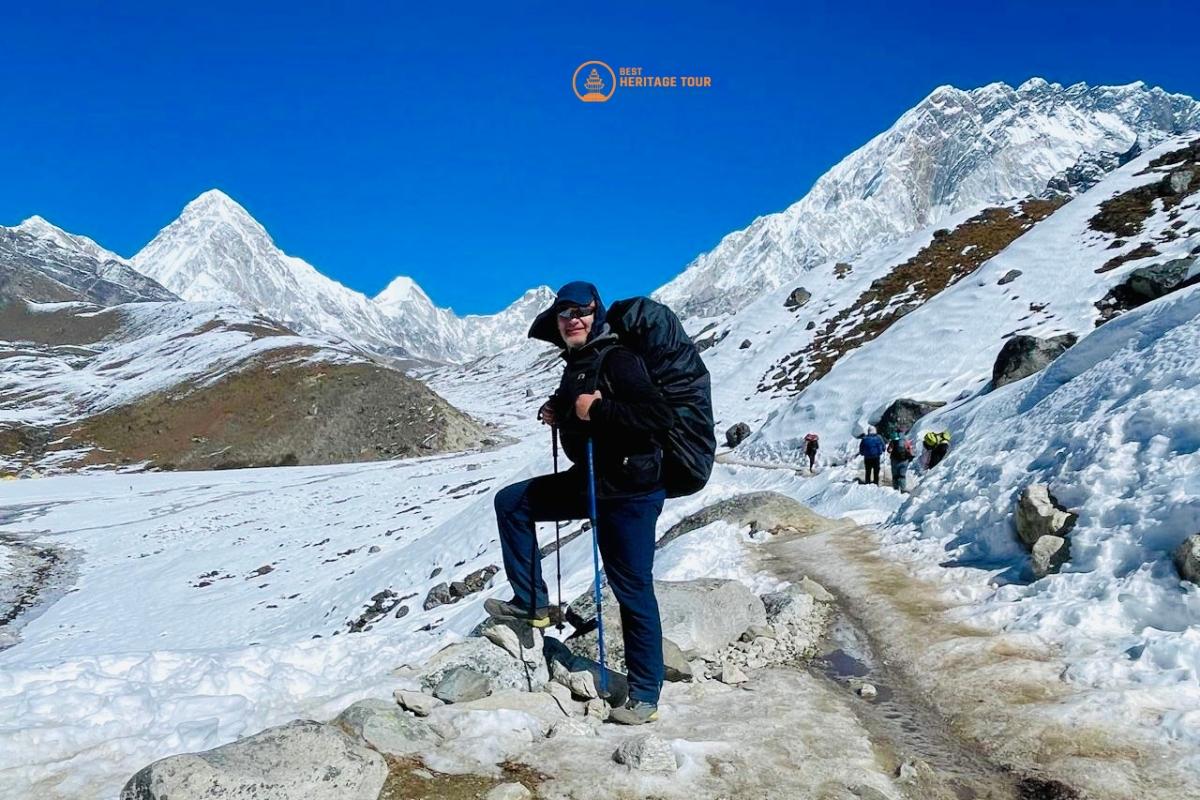
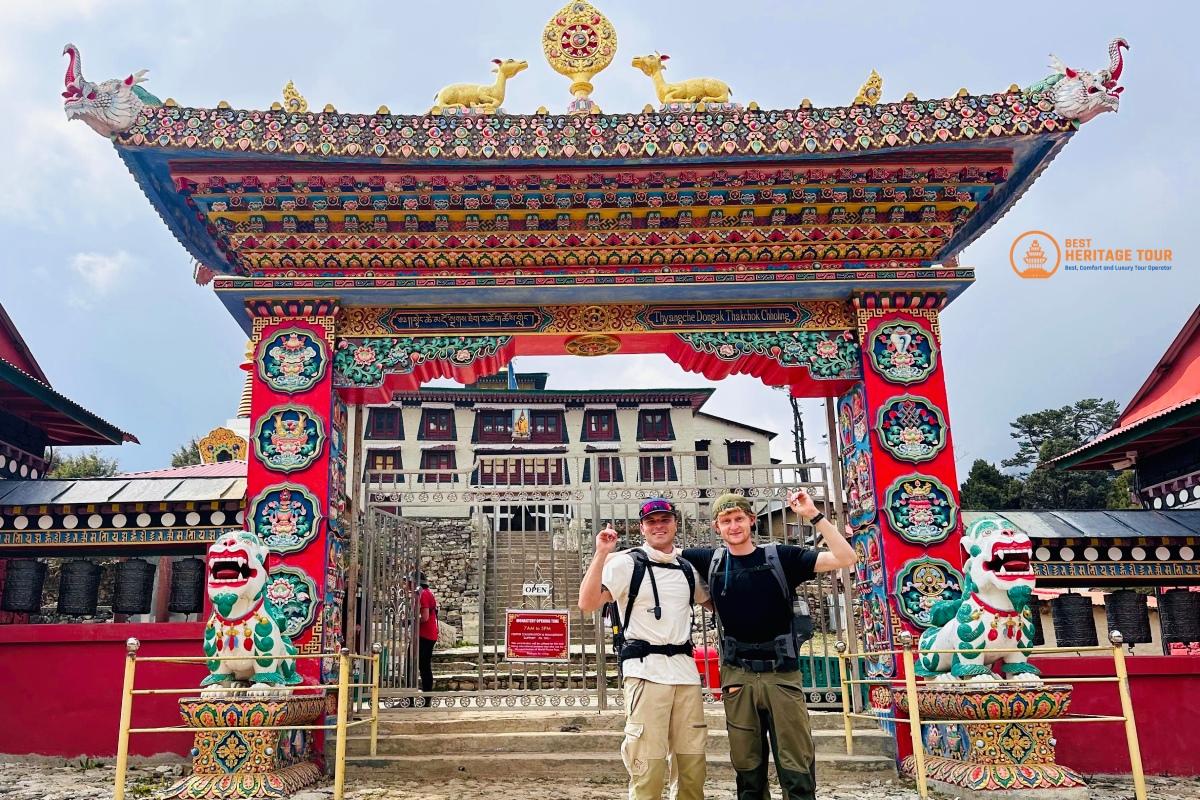
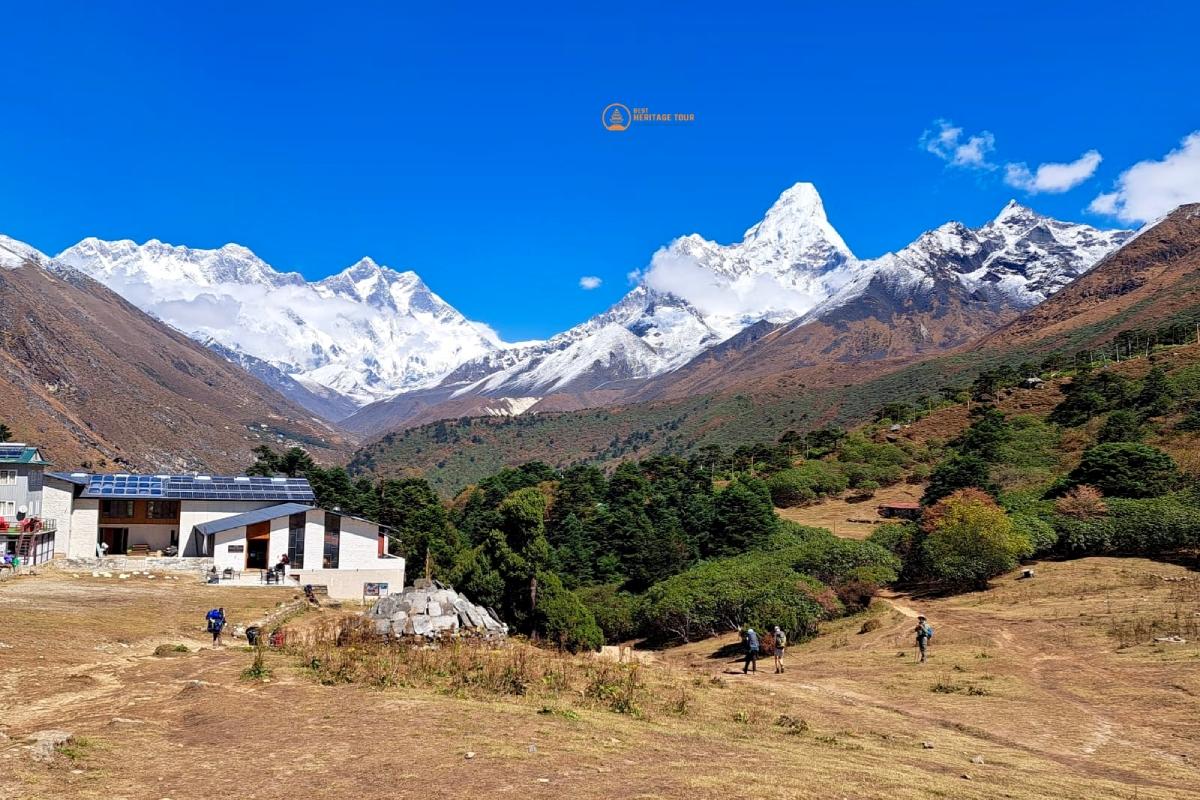
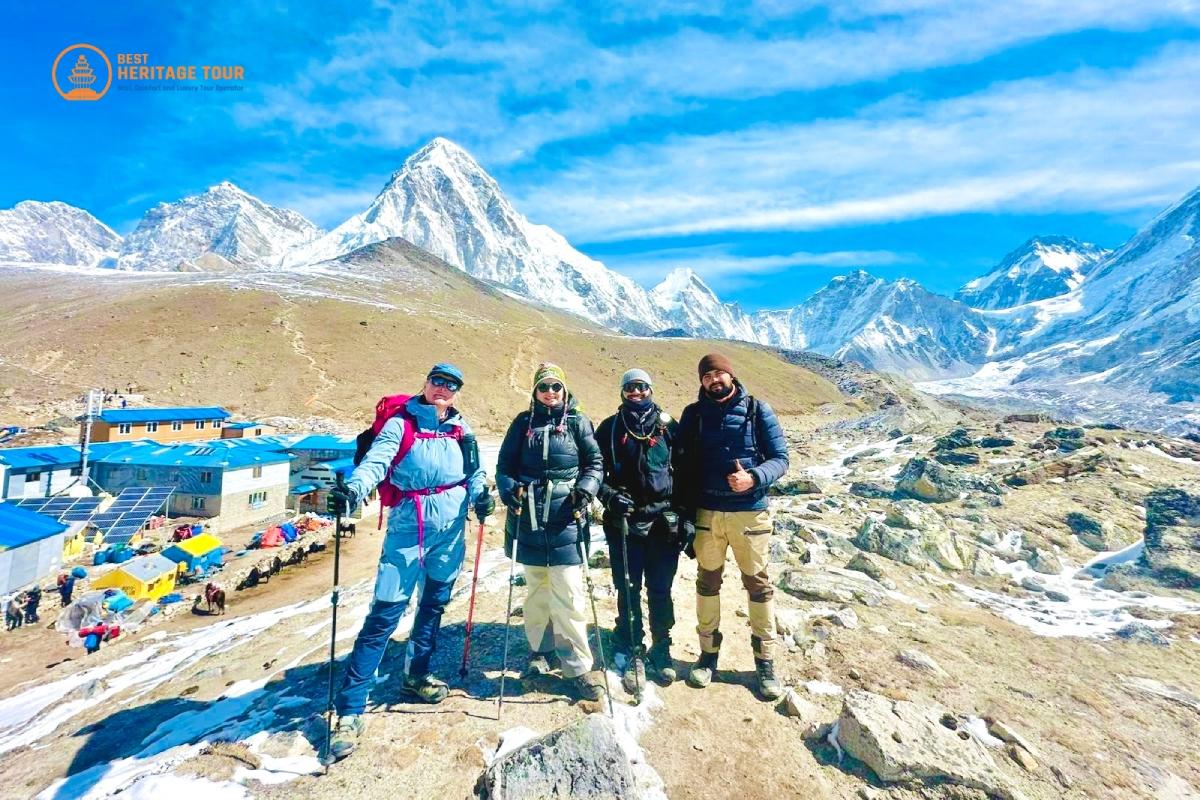
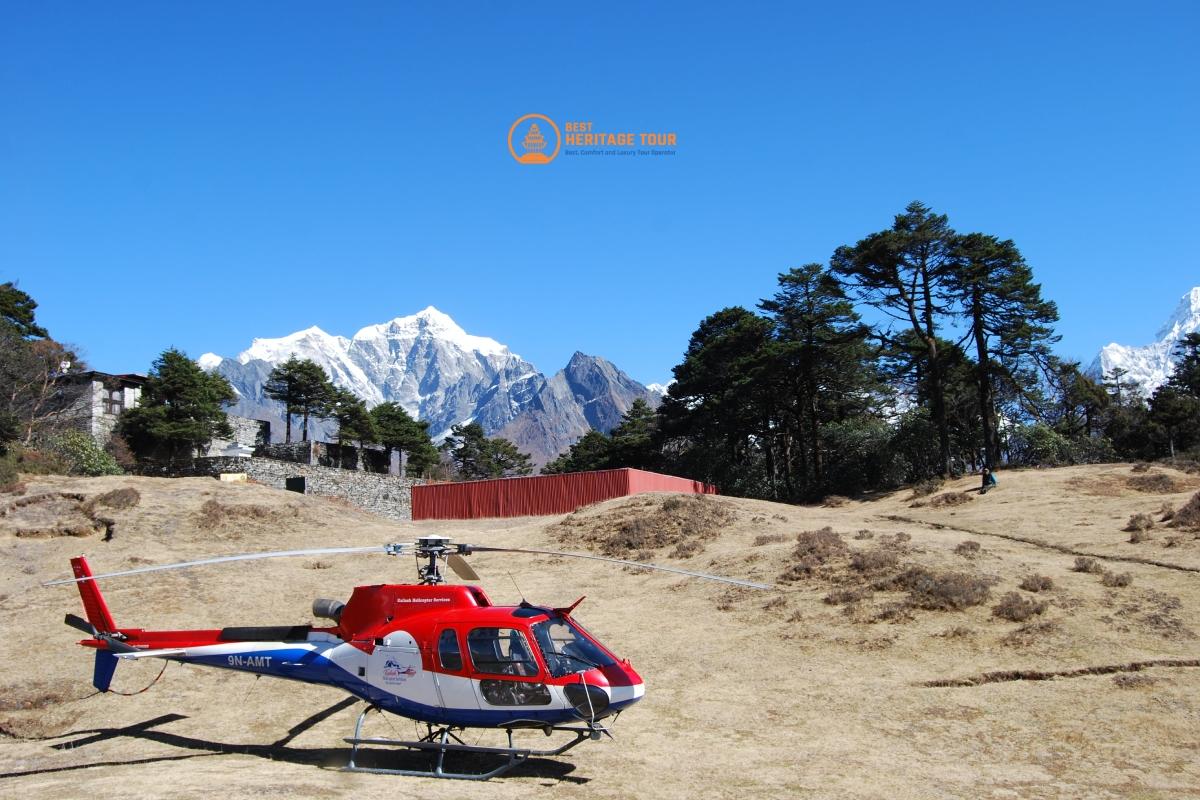
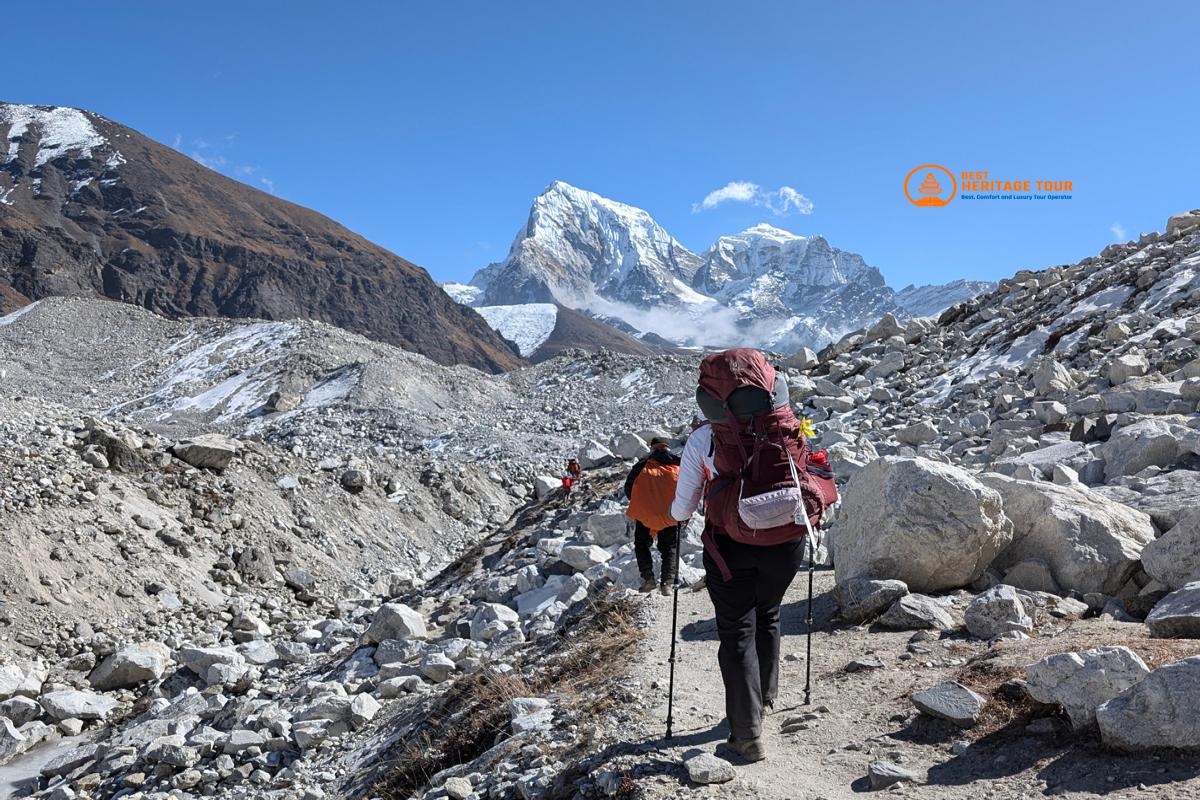
Insights on the Everest Base Camp Trek
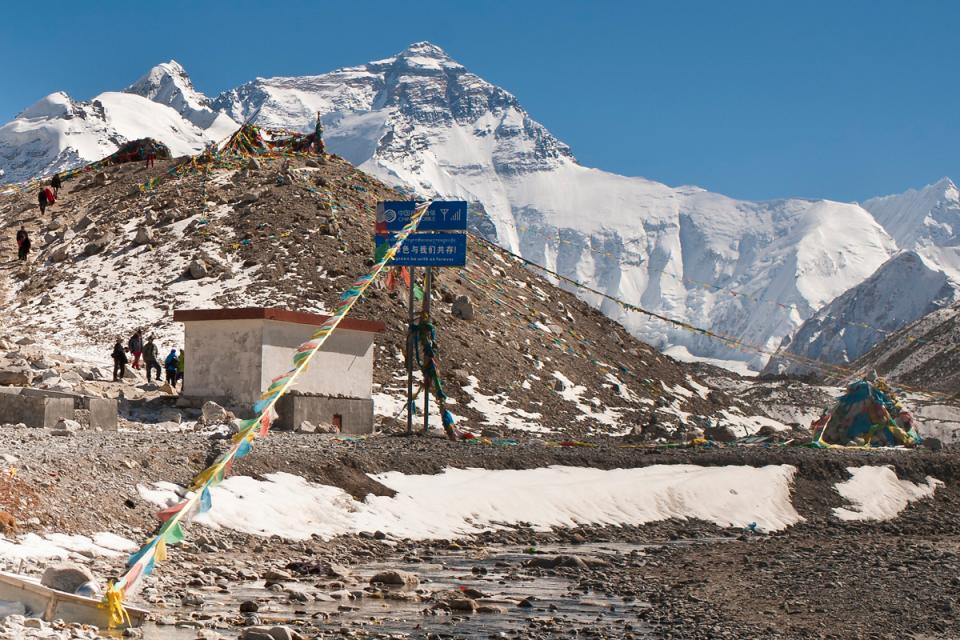
Embark on an unforgettable trek to the world-famous Everest Base Camp at 5,364 m, the ultimate destination for adventure seekers. Along the way, you’ll walk through stunning Himalayan landscapes, enjoy breathtaking mountain views, and experience the unique flora, fauna, and Sherpa culture of the region. The journey continues to Kala Patthar at 5,555 m, offering panoramic views of Everest and the surrounding peaks - a perfect spot for capturing memories and soaking in the majesty of the Himalayas. This trek combines challenge, discovery, and awe-inspiring scenery, creating a once-in-a-lifetime adventure that every trekker dreams of.
Trip at a Glance
-

Country: Nepal
-

Trip grade: Challenging
-

Destination: Everest Region
-

Activities: Trekking
-

Accommodation: Hotel/Lodge/Teahouse
-

Meals: Breakfast, Lunch & Dinner
-
.png)
Transportation: Lukla-EBC-Lukla (130km / 80miles)
-

Maximum altitude: 5,555m
-

Group size: 2-19
-
Trip Start / End: Kathmandu - Kathmandu
-
.png)
Best Season: Feb-Jun & Sep-Dec
Key Highlights of the Everest Base Camp Trek
- Visit one of the world's highest airports in Syangboche (3,780m / 12,402ft)
- Gain insights into the Sherpa people culture and their way of life
- Witness the majestic Mt. Everest (8,848.68m/29,029 ft.) up close
- Enjoy breathtaking views of other towering peaks such as Mt. Lhotse (8,516m), Cho Oyu (8,201m), and Mt. Makalu (8,463m)
- Encounter prayer wheels, vibrant flags, Mani stones (prayer stones), and impressive suspension bridges
- Discover a variety of wildlife such as musk deer, colorful pheasants, elusive snow leopards, and Himalayan Thars in their natural habitat.
- Explore the highest glacier on Earth- Khumbu Glacier (4,900m)
- Marvel at the stunning panoramic vistas from Kala Patthar (5,555m)
Why Choose Best Heritage Tour for Your EBC Trek?
- Free airport pick-up and drop-off service
- Online pre-trip briefing and booking confirmation for better preparation
- Multiple communication channels (Phone, Email, WhatsApp, Viber) for easy support
- 24/7 customer support available at +977-9851149197 / +977-9810043046
- Simple and secure payment options including Cash, Card & Bank Transfer
- Provide essential medical kit and oximeter to monitor oxygen levels at high altitude
- Complimentary duffle bag and sleeping bag (used one & to be returned after the trek)
- Free luggage storage facility at Best Heritage Tour store during the trek
- We plant a tree in the name of travelers (upon request), as a part of our commitment to sustainable tourism
Everest Base Camp Trek Route Overview
Embark on an unforgettable adventure to the heart of the Himalayas with the Everest Base Camp (EBC) Trek, a journey that combines breathtaking natural beauty, rich cultural experiences, and the thrill of high-altitude trekking. This iconic trek takes you through a landscape of towering peaks, including the world’s highest mountain, Mt. Everest (8,848.68m), as well as majestic neighbors like Mt. Lhotse, Cho Oyu, and Mt. Makalu.
Starting from Lukla, trekkers traverse charming villages, suspension bridges, prayer wheels, and vibrant Mani stones while gradually ascending through Namche Bazaar, Tengboche, Dingboche, and Lobuche. Along the way, you will have opportunities to witness the unique Sherpa culture, explore local monasteries, and gain insights into the traditions and lifestyles of the Himalayan people. Rest days in Namche Bazaar and Dingboche allow for acclimatization and leisure, ensuring a safe and enjoyable journey.
The trek also offers abundant natural wonders, including diverse flora and fauna, elusive wildlife such as snow leopards and Himalayan Thars, and the awe-inspiring Khumbu Glacier, the highest glacier on Earth. The ultimate highlight is reaching Everest Base Camp at 5,364m, followed by the panoramic views from Kala Patthar (5,555m), where the grandeur of the Himalayas unfolds before your eyes.
With stops at one of the world’s highest airports in Syangboche and villages rich in cultural heritage, the Everest Base Camp Trek is not just a challenge - it is a transformative experience that combines adventure, spirituality, and nature in one of the most iconic trekking destinations on the planet. Perfect for adventure seekers and culture enthusiasts alike, this trek promises memories that will last a lifetime.
What Can You Expect During the Everest Base Camp Trek?
1. Spectacular Himalayan Mountain Views
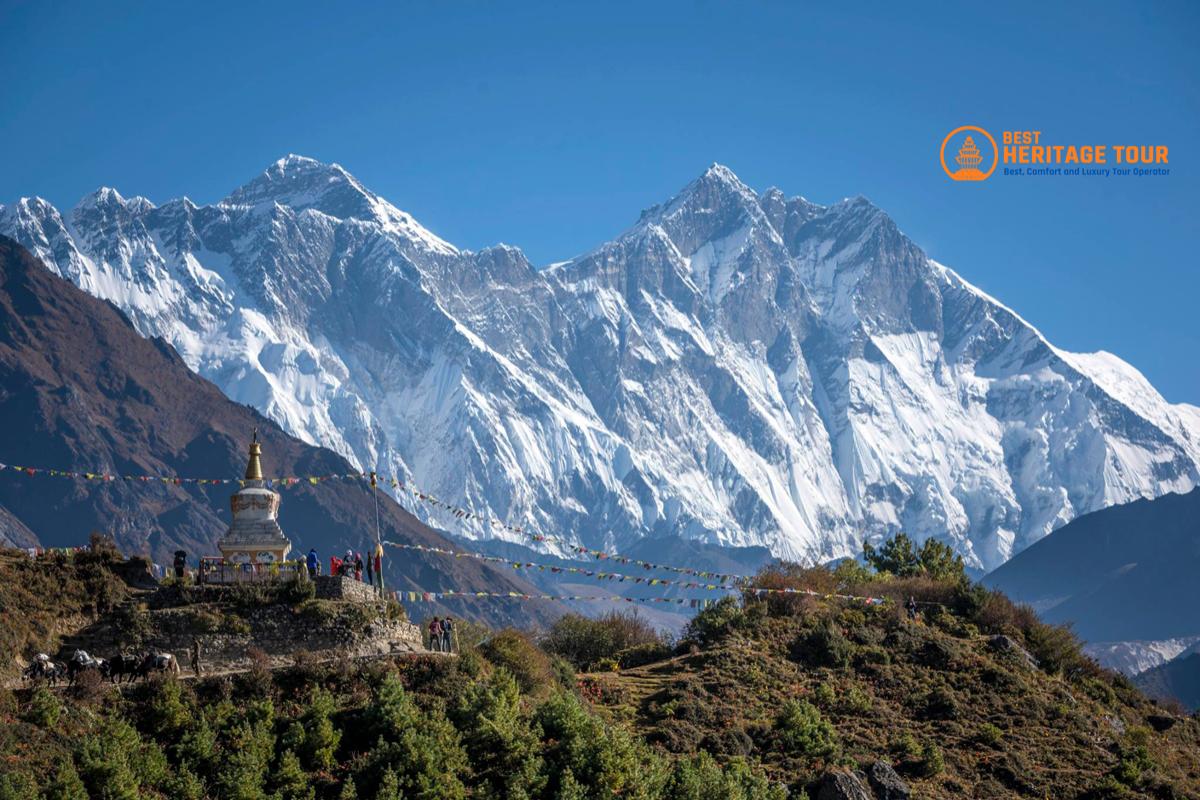
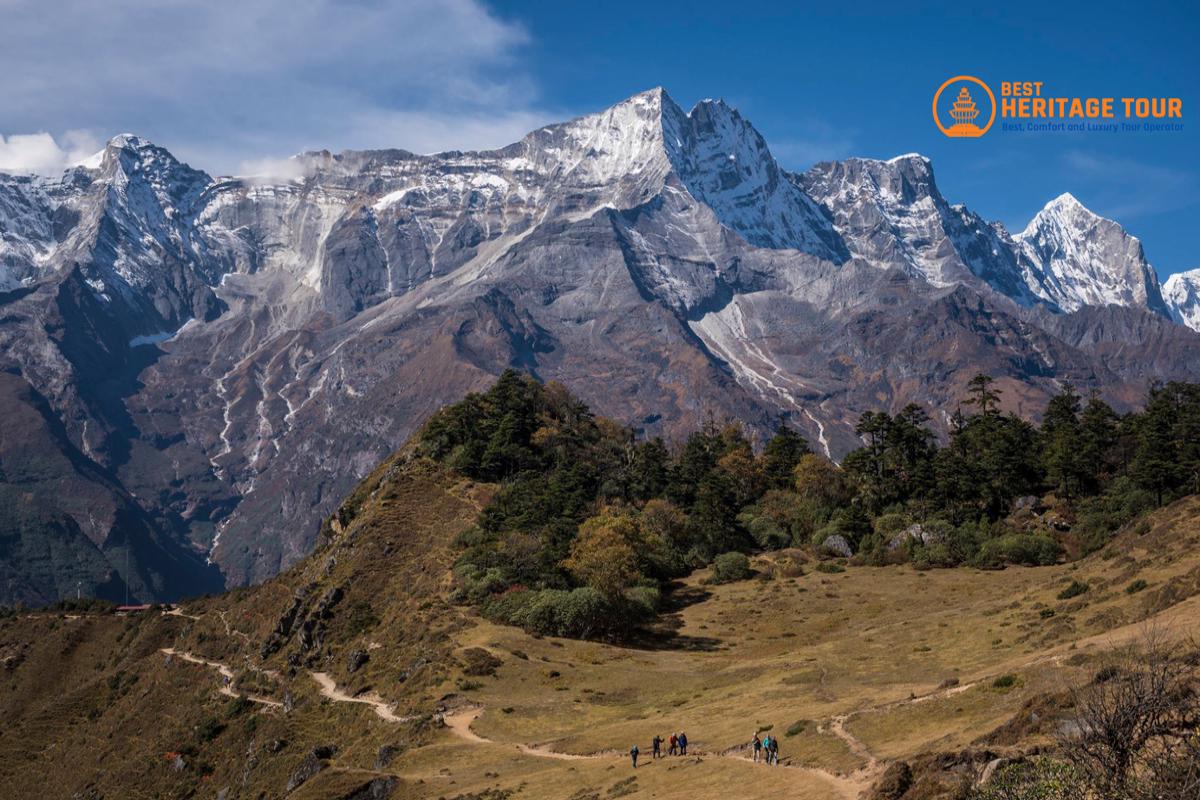
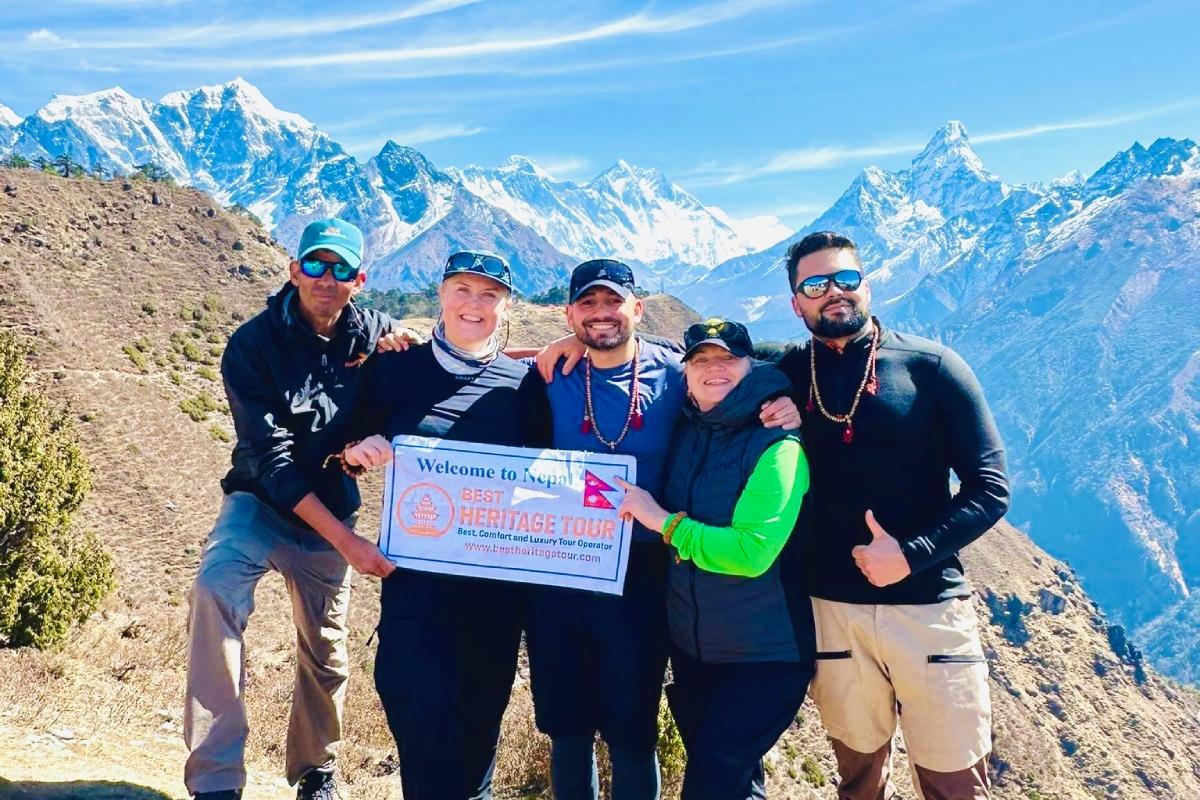
The Everest Base Camp Trek rewards trekkers with breathtaking panoramas of some of the world’s highest peaks, including Mount Everest, Lhotse, Nuptse, Ama Dablam, and Thamserku. Every day offers incredible Himalayan scenery, from snow-covered mountains and dramatic glaciers to deep valleys and alpine landscapes. The constantly changing views throughout the journey make the trek one of the most scenic and unforgettable adventures in Nepal.
2. Authentic Sherpa Culture and Hospitality
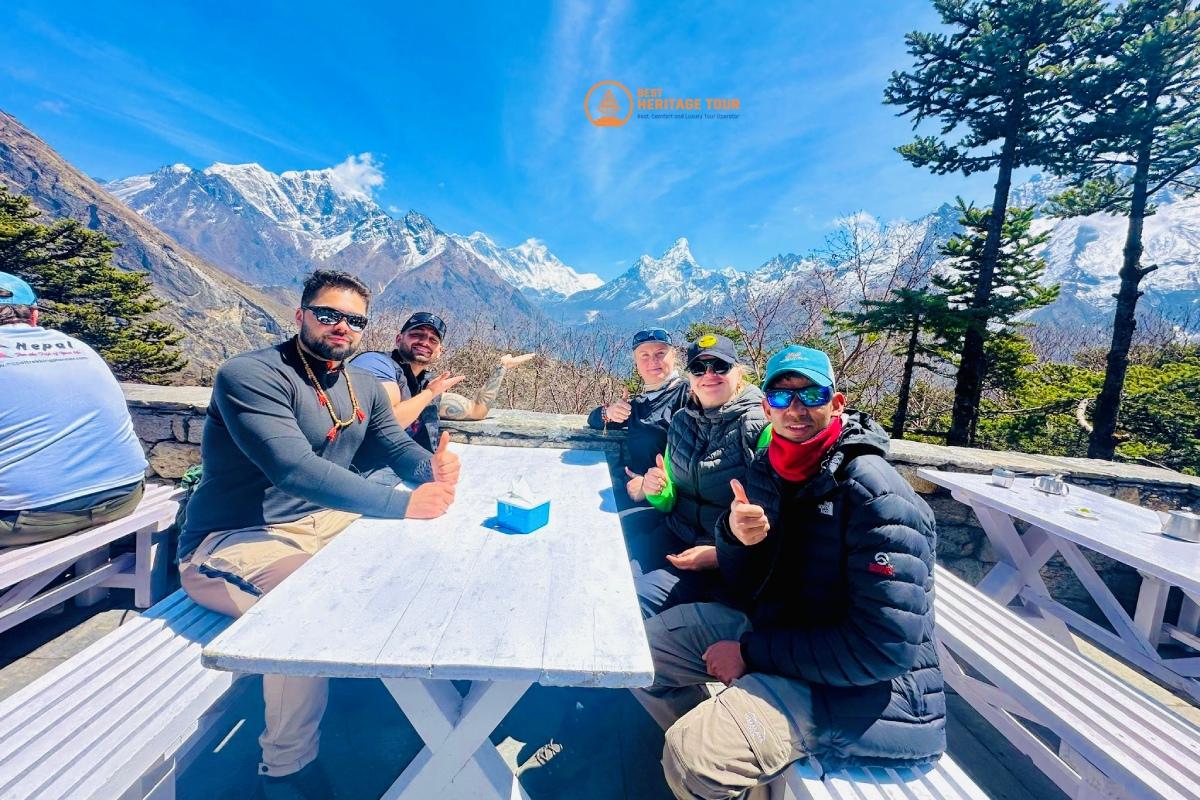
During the Everest Base Camp Trek, you will experience the warm hospitality and unique traditions of the Sherpa community. Trekkers pass through traditional villages like Namche Bazaar, Tengboche, and Dingboche, where Buddhist culture, colorful prayer flags, monasteries, and local lifestyles create a rich cultural atmosphere. Meeting local people and learning about Sherpa heritage adds meaningful cultural depth to this iconic Himalayan trekking experience.
3. Challenging Yet Rewarding Trekking Trails
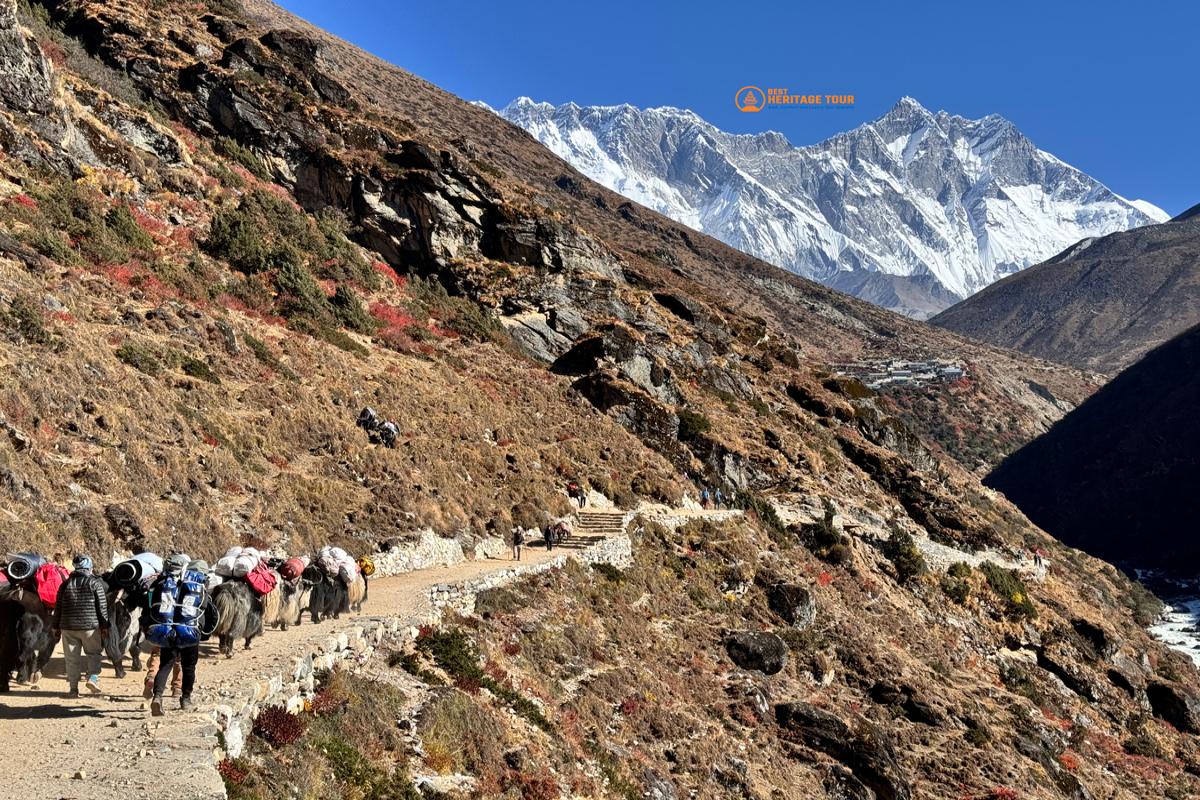
The trekking trail to Everest Base Camp includes a mix of suspension bridges, rocky paths, steep ascents, glacier moraines, and forested routes. While the trek can be physically demanding due to altitude and long walking hours, the rewarding mountain scenery and sense of achievement make every step worthwhile. Proper acclimatization and gradual elevation gain help trekkers safely enjoy this once-in-a-lifetime Himalayan adventure.
4. Stunning Sunrise Views from Kala Patthar
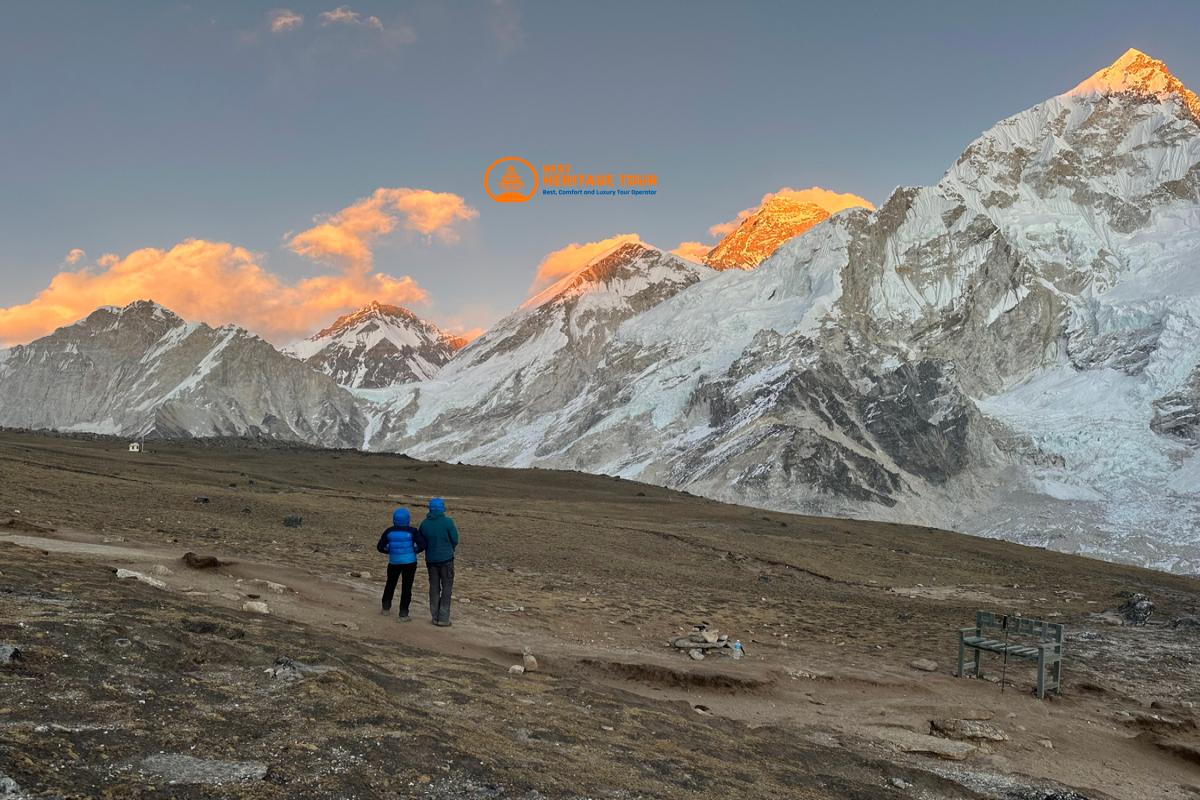
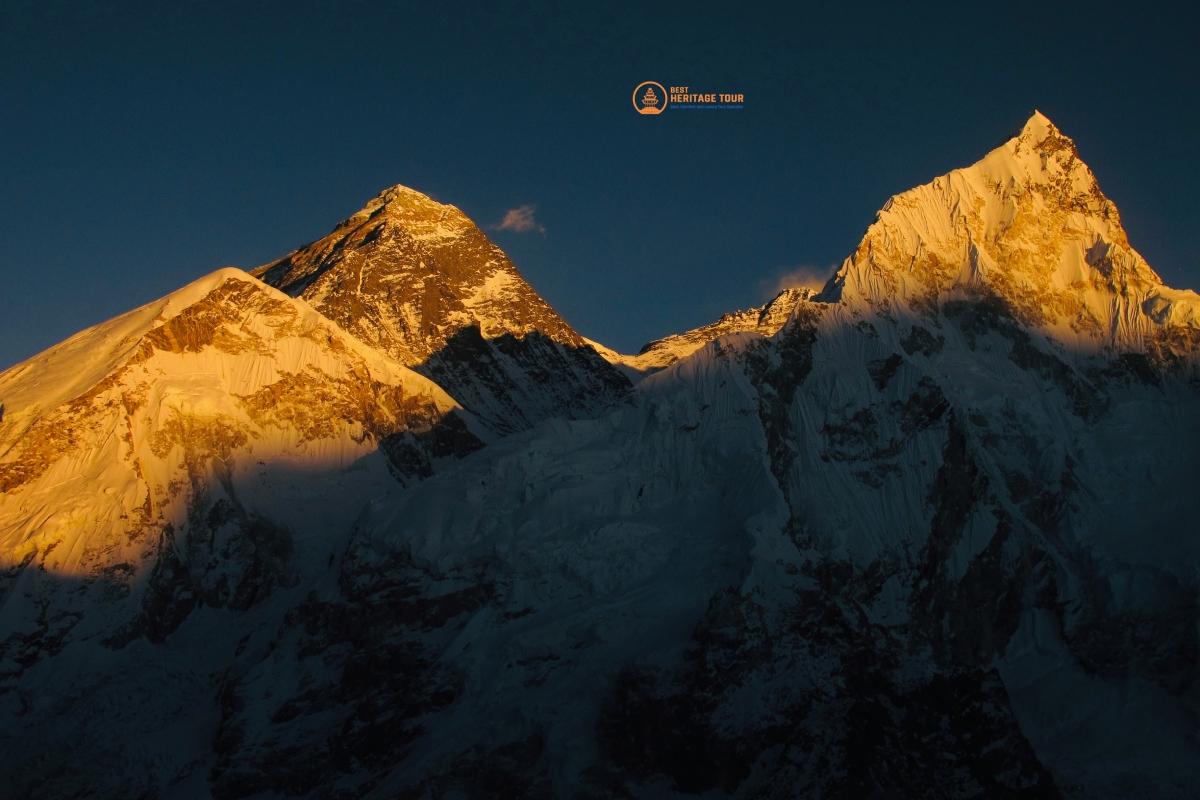
One of the biggest highlights of the Everest Base Camp Trek is the early morning hike to Kala Patthar, a famous viewpoint above Gorakshep. From here, trekkers can witness a magical sunrise over Mount Everest and surrounding Himalayan peaks. The golden light reflecting on the snow-covered mountains creates an unforgettable moment and provides one of the best close-up views of Everest during the entire trek.
5. Adventure Through Sagarmatha National Park
The trek passes through Sagarmatha National Park, a UNESCO World Heritage Site known for its diverse Himalayan ecosystem and dramatic landscapes. Along the route, trekkers may encounter rhododendron forests, alpine vegetation, Himalayan wildlife, and beautiful rivers flowing from glaciers. The park’s natural beauty and peaceful environment enhance the overall trekking experience in the Everest region of Nepal.
6. Basic but Comfortable Teahouse Accommodation
Accommodation during the Everest Base Camp Trek mainly consists of traditional teahouses operated by local families. Trekkers can expect simple but cozy rooms, warm meals, and welcoming hospitality throughout the journey. Popular trekking villages offer a variety of food options including Nepali, Tibetan, and international dishes. Staying in teahouses also allows trekkers to connect with fellow travelers and experience mountain life closely.
7. A Life-Changing Himalayan Adventure
The Everest Base Camp Trek is more than just a trekking journey; it is a personal achievement and an unforgettable life experience. Walking beneath towering Himalayan peaks, overcoming high-altitude challenges, and reaching the base of the world’s highest mountain creates a deep sense of accomplishment. The combination of natural beauty, cultural encounters, and adventure makes this trek one of the most rewarding travel experiences in Nepal.
Are You Ready for the Everest Base Camp Trek?
The Everest Base Camp Trek is a remarkable Himalayan adventure that requires physical preparation, mental strength, and a positive attitude. While you do not need advanced mountaineering skills, a good fitness level, stamina for long walking hours, and the ability to adapt to high-altitude conditions are essential for fully enjoying the journey. Proper trekking gear, layered clothing, comfortable hiking boots, and careful acclimatization also play an important role in making the trek safe and comfortable.
Beyond physical readiness, the Everest Base Camp Trek is equally about mindset and experience. Trekkers should be prepared to embrace simple mountain living, changing weather conditions, and the challenges of remote Himalayan trails. Patience, flexibility, and a strong sense of adventure allow travelers to truly connect with the stunning mountain scenery, rich Sherpa culture, and unforgettable moments that make this trek one of the most rewarding experiences in Nepal.
Itinerary
The flight depature location can be either Kathmandu or Manthali depending on the season. If you are traveling during March, April, May, September, October, or November - flights from Kathmandu to Lukla may be redirected to Manthali Airport. To board an early morning flight from Manthali to Lukla, our team will pick you up from your hotel at 12:30 am for a 5-hour drive to Manthali Airport. The flight duration from Manthali to Lukla is a swift 20 minutes, ensuring efficient travel for busy professionals on the go. For the remaining months (December, January, February, June, July, and August), you will have a direct flight from Kathmandu to Lukla.
Upon arrival at Lukla Airport, your trekking adventure will officially begin. We will regroup at Lukla and start our trek to Phakding, passing through Chaurikharka Village along the way. This trek will also assist in acclimatization. Since the trek is relatively short, we will take you to visit local monasteries around Phakding, including the renowned Rimishung Monastery.
Opt: If you are short on time and want to skip the drive from Kathmandu to Manthali, you can book a shared helicopter for USD 550* per person (subject to availability).
Today, you will be trekking along the northern bank of the Dudh Koshi River. The views from our path are absolutely breathtaking. As you cross numerous suspension bridges over the Dudh Koshi River, including the Hillary Suspension Bridge, you will be filled with a sense of adventure and connection to nature. The path ahead will take you to the Sagarmatha National Park, where you will complete your permit registrations and venture into the dense forest to catch our first glimpse of Mt. Everest. However, your destination for the day is Namche Bazaar, also known as the gateway to Everest.
In order to ensure your body adjusts to high altitudes, you will be spending time at Namche Bazaar for acclimatization. Despite not engaging in trekking activities, there are plenty of things to keep you occupied in Namche.
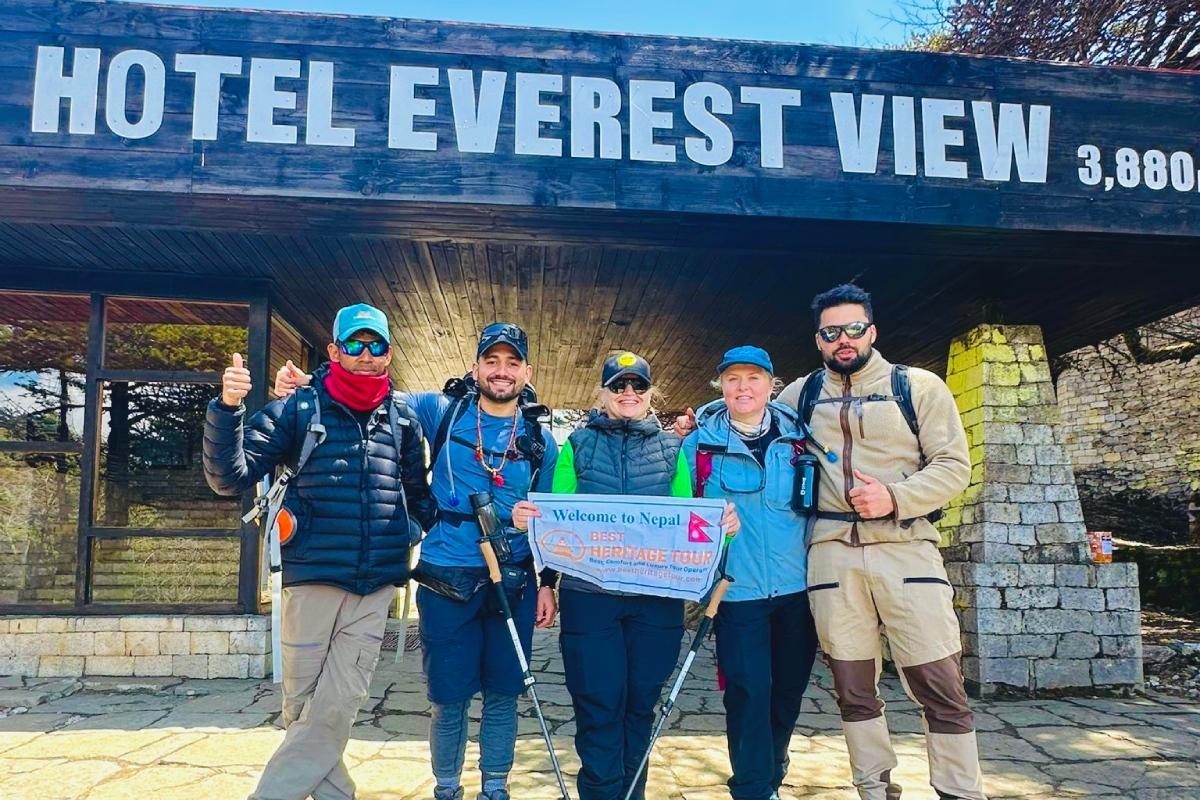
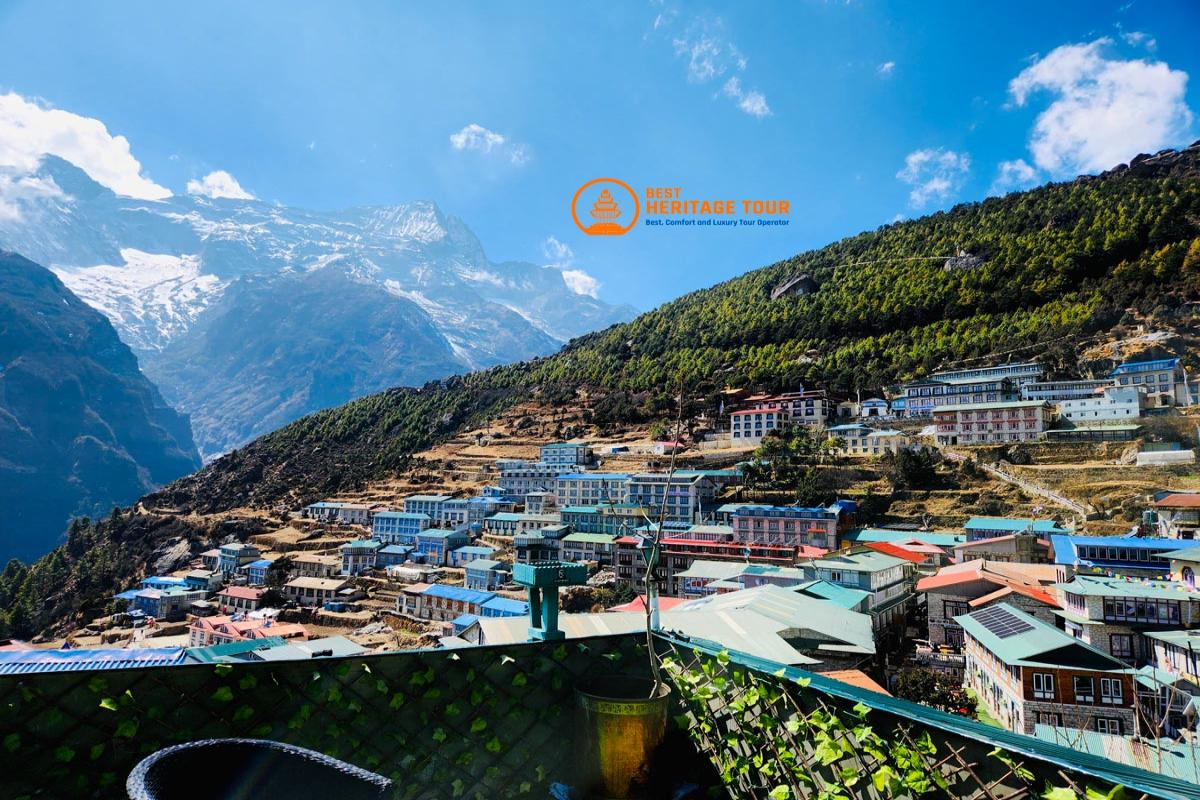
Namche is home to a variety of hotels, restaurants, and cafes with Wi-fi connectivity. You can explore shops selling equipment and souvenirs. Additionally, you can visit attractions like the Hillary School, Sherpa Settlements, Syangboche Airport, Yak farms, and the Everest View Hotel, offering a magnificent view of Mount Everest.
After your breakfast in Namche, you will start your trek to Tengboche. Along the way, you will be treated with breathtaking sights of Mt. Everest, Nuptse, Lhotse, and Ama Dablam. The trail is a bit challenging with some ascents and descents. However, your hard work will pay off as you take in the magnificent scenery and catch glimpses of high-altitude wildlife like musk deer, pheasants, and Himalayan Thar. Prior to arriving at your final destination, you will be traveling through the quaint village of Phunki Thenga. The trails ahead will guide you to Tengboche, home to the renowned Tengboche monastery. The atmosphere here is serene and spiritually enriching.
Today, you will be trekking to Dingboche. Along your route, you will encounter chortens, mani walls, and charming small villages, with the breathtaking sight of Ama Dablam stealing the show. Your journey continues next to the Lobuche River as you enter into Imja Valley, where a challenging ascent awaits you towards Dingboche. In Dingboche, you will observe cultivated fields shielded by stones to ensure the safety of the crops in this harsh environment.
Today will be the resting day after a 2 Days long high altitude trek. You will dedicate your time to ascending the ridge above Dingboche, providing you with breathtaking, up-close views of the majestic snow-covered peaks - such as Lhotse, the rear Located on the side of Ama Dablam, Island Peak, Cho Oyu, and Makalu. Towards the north of Dingboche, you can witness more Himalayan peaks emerging over the Khumbu Khola valley. Dingboche village itself appears as though it has remained untouched since the beginning of time.
Today, you’ll start with a gentle climb from Dingboche and continue along a path that crosses a glacial moraine. You’ll pass a small cluster of lodges and enjoy increasingly stunning views of the surrounding mountains. Along the way, you’ll reach Thukla Pass, marked with memorials for climbers who lost their lives on Everest. After taking in the scenery, you’ll arrive in Lobuche, where you can rest, refresh, and spend the night in a cozy lodge.
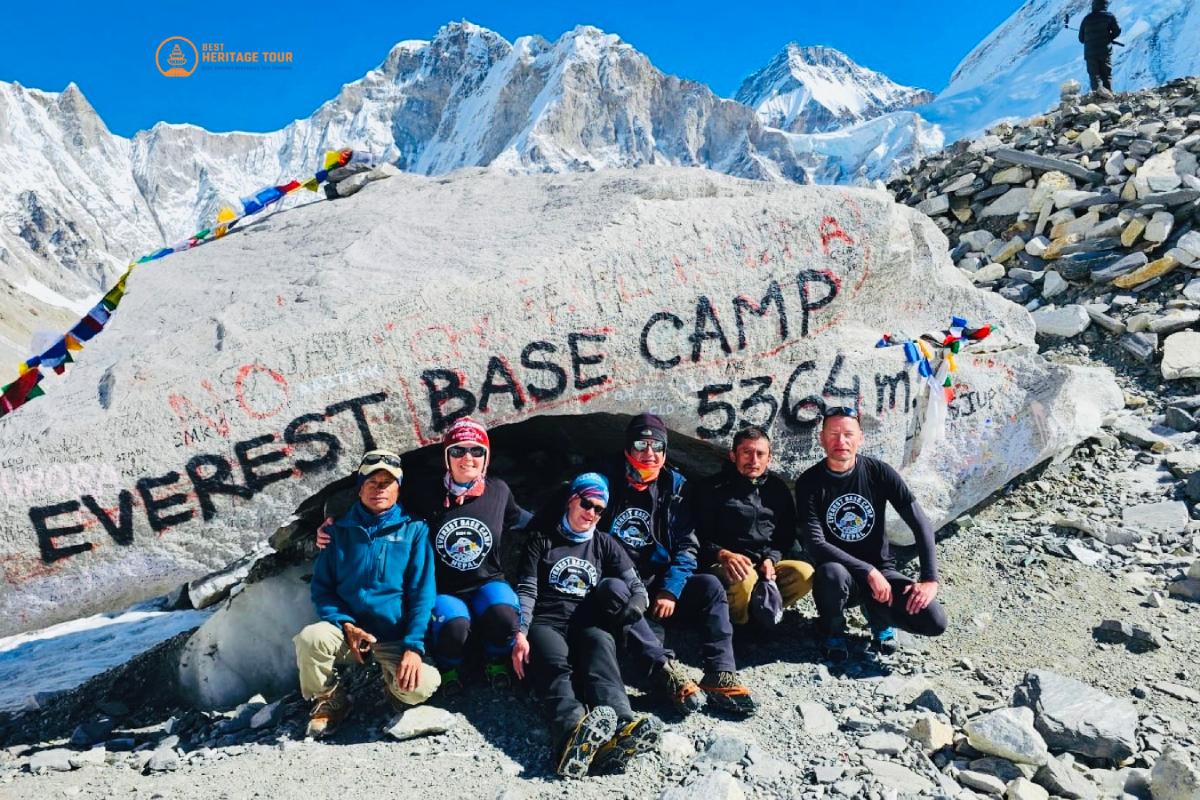
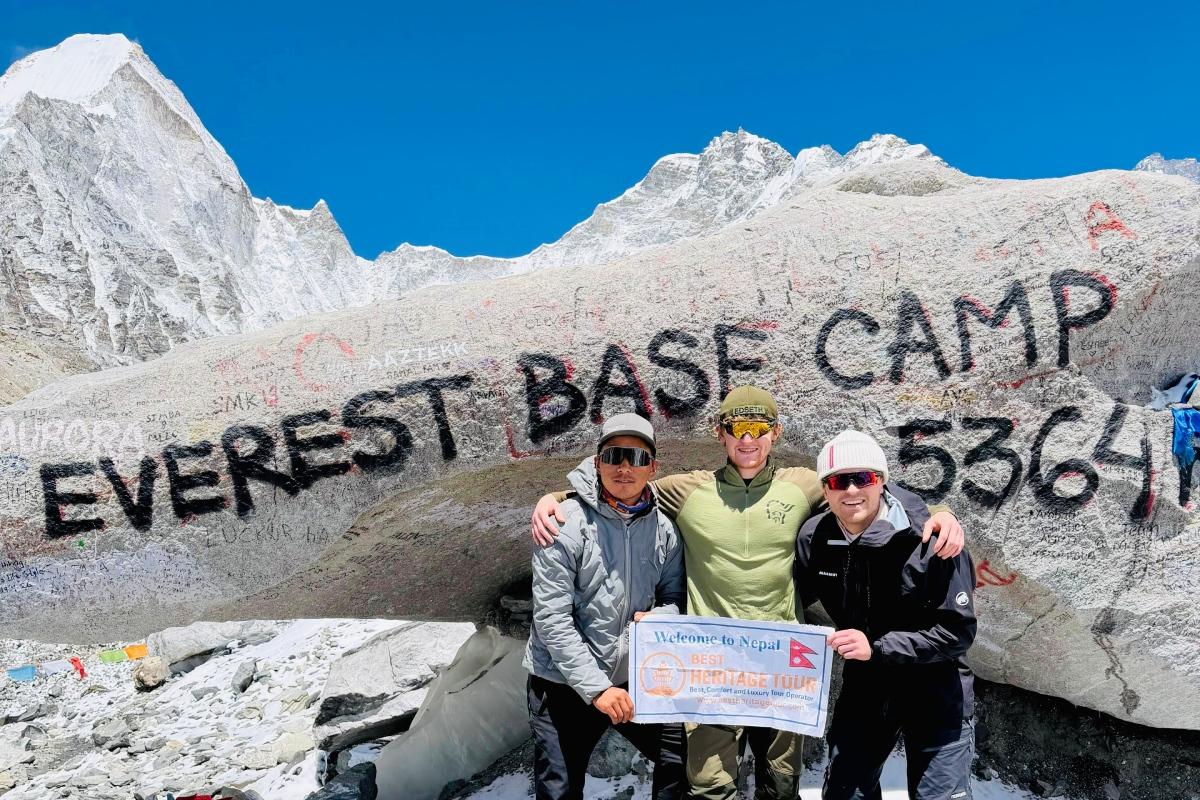
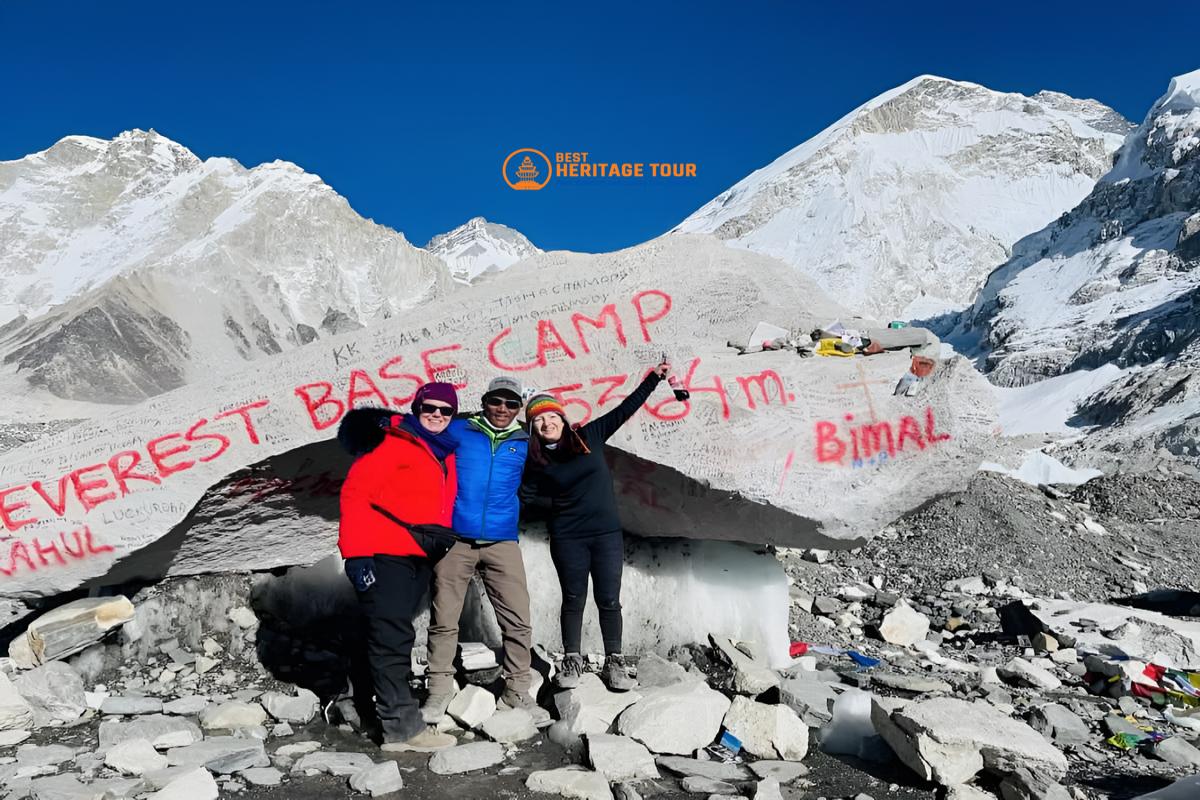
Today you reach the highlight of your journey: Everest Base Camp. You’ll start from Lobuche, following the Khumbu Glacier moraine until you arrive at Gorak Shep, which offers incredible views of the surrounding peaks. After leaving your belongings at Gorak Shep, you’ll continue to Everest Base Camp, the highest point reachable without technical climbing. Standing there is a truly unforgettable experience, a reward for your effort and determination. After soaking in the views and capturing memories, you’ll return to Gorak Shep for the night.
On the ninth day, you’ll rise early for a trek to Kala Patthar, one of the best viewpoints in the region. From here, you can watch the sunrise over Mt. Everest and the surrounding peaks, enjoying stunning panoramic views. After soaking in the scenery, you’ll return to Gorak Shep for breakfast and a short rest. Then, the trek continues as you descend to Pheriche, where you will spend the night and relax after an unforgettable day.
After steadily ascending over the past days, it’s now time to begin descending. You’ll start the day with breakfast in Pheriche and then follow the trail along the Dudh Koshi River. The trek continues down to Namche Bazaar, where you will stay overnight and rest after the descent.
On the final day of trekking, you’ll make your way back to Lukla, following the Dudh Kosi valley and enjoying the scenery from a fresh perspective. Along the way, you’ll take in new views of the mountains and villages. The day ends with an overnight stay in Lukla, preparing for your return flight to Kathmandu the next day.
After completing your trek in Lukla, you can fly either to Manthali or directly to Kathmandu, depending on the season. During peak months (March, April, May, September, October, and November), most travelers fly to Manthali and then take a five-hour drive to Kathmandu. In off-peak months (December, January, February, June, July, and August), direct flights to Kathmandu are more common.
For a quicker return, you can reserve a helicopter from Lukla to Kathmandu, with an approximate cost of 570* USD per person when shared among five travelers. Once back in Kathmandu, you can relax and reflect on your trek. In the evening, Best Heritage Tour will arrange a farewell dinner to celebrate the journey.
What is included?
- PRIVATE AIRPORT PICK-UP & DROP : Airport - Hotel transfer - Airport (Pick Up and Drop).
- ROUND TRIP DOMESTIC FLIGHT FARE : Fly from Kathmandu - Lukla and while returning Lukla - Kathmandu, as per itinerary. (through manthali during peak trekking season).
- LODGING : Best available accommodation in mountain lodges and tea houses during the trek.
- FOOD : 3 meals a day (breakfast, lunch and dinner; including tea/coffee) during the trek, with Ef-Chlor purification tablets provided for safe drinking water.
- GUIDE : One experienced government licensed trekking guide (English speaking) during the trek.
- STAFF SALARY AND ALLOWANCE : All trekking staff wages, salary, equipment, food & clothing.
- PERMITS : All necessary paperwork : Sagarmatha National Park permit, Khumbu Pasang Lhamu Rural Municipality entry permit and fees.
- STAFF INSURANCE : Insurance for all involved trekking staff during the trek.
- GEAR (IF NEEDED) : Sleeping bag, down jacket and duffle bag (to be returned after the trek).
- MEDICAL KIT : A well equipped first aid kit, including an oximeter and emergency oxygen, carried by the guide for your safety.
- IN CASE OF EMERGENCY : Assistance in rescue operations in case of emergency covered by travel insurance.
- SOUVENIR : Best Heritage Tour’s Appreciation Certificate after the successful trek & Purse, an authentic Nepali product made from hemp.
- FAREWELL DINNER : A farewell dinner with an authentic cultural program after completion of the trek.
What is not included?
- INTERNATIONAL AIRFARE : International flight airfare (from and to Kathmandu).
- NEPAL VISA FEES : You may issue the visa upon your arrival at Tribhuvan International Airport - Kathmandu or apply manually in your home country.
- ACCOMMODATION IN KATHMANDU : Accommodation & Meals in Kathmandu.
- INSURANCE POLICY : Travel insurance covering medical expenses and high-altitude evacuation is mandatory. If you do not have suitable coverage, we can also assist in arranging travel insurance for you upon your arrival in Nepal. Check Over Here
- PERSONAL EXPENSES : Clothing & gears, telephone, internet, toiletries, hot shower, laundry, soft drinks and any Alcoholic beverages.
- OPTIONAL PORTER SERVICE : USD 22 per day, including all taxes (each porter can carry up to 25 kg of luggage).
- TIPS : Tips for guide and porters.
- EXTRA : Any additional costs due to factors beyond our control, or for services not specifically mentioned in the Itinerary & Included section.
- TAXES & SERVICE CHARGE : All government taxes (13%) and service charge (10%)
Route Map
Equipment
Clothing |
Trekking Gear |
Personal Items |
|
|
|
Footwear |
Extra Items |
|
|
|
|
Trip Info
Useful Information About Everest Base Camp Trek
Before starting the Everest Base Camp Trek, it is important for trekkers to understand key practical details such as permits, altitude challenges, accommodation, weather conditions, transportation options, and daily trekking logistics. Having the right information in advance helps ensure a safer, smoother, and more enjoyable trekking experience in the Everest region.
Airport Pick-up and Trip Briefing for Everest Base Camp Trek
Upon your arrival at Tribhuvan International Airport in Kathmandu, a friendly representative from Best Heritage Tour will be there to warmly welcome you. Our representative will receive you at the airport and transfer you comfortably in a private car or suitable vehicle depending on your group size.
After pick-up, you will be dropped off at your preferred hotel in Kathmandu. If you have not booked accommodation in advance, Best Heritage Tour will gladly assist you in arranging a comfortable stay.
Trip Briefing Session in Thamel
After check-in and some rest, we will organize a detailed trip briefing session at our office in Thamel. This important meeting helps you prepare confidently for the Everest Base Camp Trek.
During the briefing, Bimal (M.D. of Best Heritage Tour) will personally:
-
Explain the full trek itinerary in detail
-
Provide essential information about the route and trekking conditions
-
Guide you on required trekking gear and equipment
-
Introduce you to your experienced trekking guide and porter (if applicable)
-
Answer any last-minute questions or concerns you may have
This session ensures you are fully prepared, well-informed, and mentally ready for the journey into the beautiful Everest region.
What type of transportation is used for the Everest Base Camp Trek?
Although Lukla is now accessible by a road that takes nearly two days to drive, we will use a flight for our standard EBC Trek.
Detailed Information About the Lukla Flight
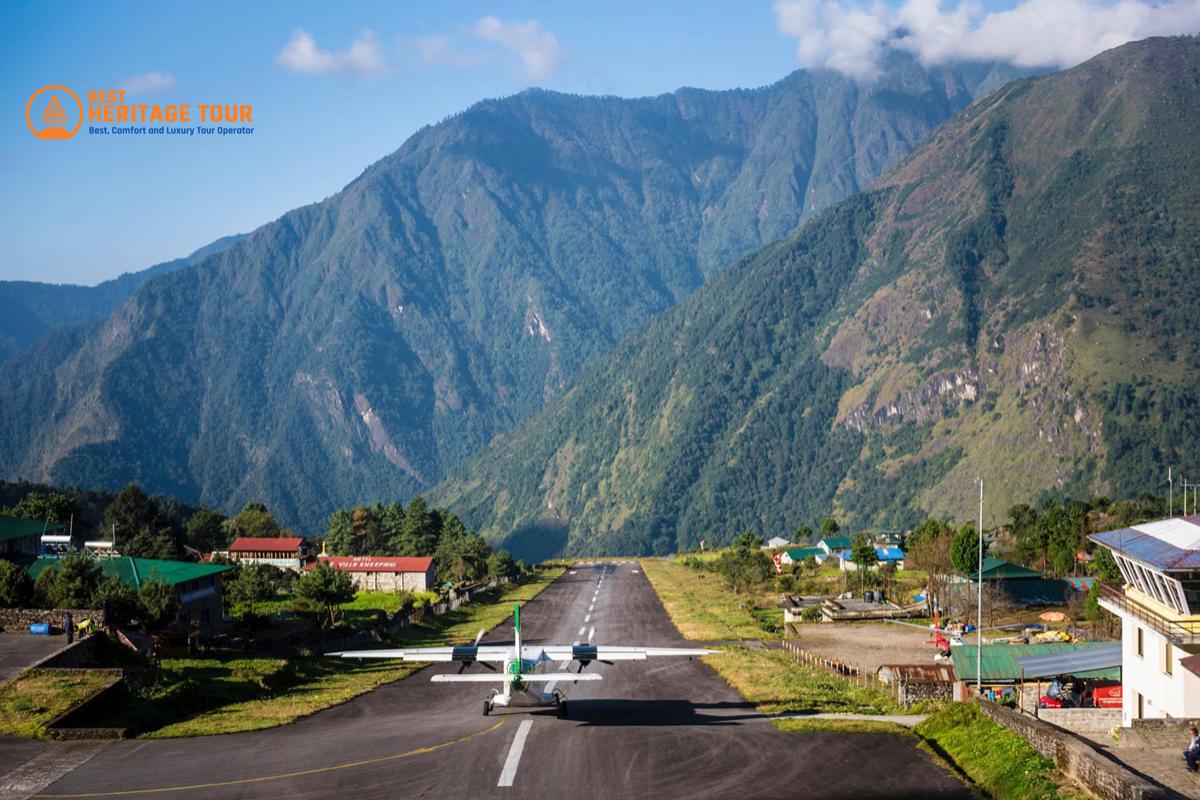
The flight to Tenzing-Hillary Airport is one of the most exciting and memorable parts of the Everest Base Camp Trek. Known as the gateway to the Everest region, Lukla can reached by a short mountain flight from Kathmandu or Manthali. Due to the high-altitude terrain and changing mountain weather, Lukla flights are highly weather-dependent.
Lukla Flight from Kathmandu Airport
During the off-trekking season, flights to Lukla usually operate directly from Tribhuvan International Airport. The flight duration is approximately 30 to 35 minutes and provides incredible panoramic views of the Himalayas throughout the journey.
However, because of Kathmandu Airport air traffic, Lukla flights may experience delays or cancellations due to air congestion and unpredictable mountain weather. Trekkers are always advised to keep one or two extra buffer days in their itinerary to manage possible flight disruptions.
Lukla Flight from Manthali (Ramechhap Airport)
During the peak trekking seasons, especially in spring and autumn, most Lukla flights are operated from Ramechhap Airport instead of Kathmandu Airport. To catch the flight from Manthali, trekkers usually leave Kathmandu around midnight or very early in the morning for a 4 to 5-hour drive to Ramechhap.
The flight from Manthali to Lukla takes around 20 minutes. Although the drive to Manthali can be long and tiring, many trekkers prefer this route during peak season because flights are often more reliable and less affected by airport traffic congestion.
Baggage Allowance in Lukla Flight
For Lukla flights, baggage allowance is strictly limited due to the small aircraft used on this route.
-
Weight Limits: Strictly limited to 15 kg (33 lbs) total per person.
-
Checked Luggage: Up to 10 kg (22 lbs).
-
Hand Luggage: Up to 5 kg (11 lbs).
-
-
Excess Baggage: If you exceed the limit, you will need to pay extra charges of around USD 5 to 8 per kg. In some cases, excess luggage might be delayed, sent via cargo, or need to be left behind in Kathmandu.
Helicopter Charter Service for Everest Base Camp Trek
For trekkers who prefer to avoid the regular Lukla flight or are looking for a more comfortable and flexible travel option, a helicopter charter service can be arranged on request.
Helicopter transfers offer a quicker and more scenic way to reach the Everest region while reducing the uncertainty associated with Lukla flight delays and cancellations, especially during peak trekking seasons.
-
Helicopter charter can be arranged upon request
-
Shared helicopter seats may be available depending on availability
-
Cost starts from approximately USD 450-550 per person for a shared helicopter flight
-
Private helicopter charter cost varies depending on group size and season
Please inform us in advance if you would like to include a helicopter transfer in your Everest Base Camp Trek itinerary, and we will provide the most suitable option based on your travel dates and group size.
What is the Highest Point Reached During the Everest Base Camp Trek?
Many first-time trekkers assume that Everest Base Camp (5,364 meters / 17,598 feet) is the highest point of the journey. However, the actual highest point reached during the Everest Base Camp Trek is Kala Patthar, which stands at an altitude of 5,545 meters (18,192 feet).
Kala Patthar: The Best Place to See Mount Everest Up Close
Located above the village of Gorakshep, Kala Patthar is one of the most famous viewpoints in the Everest region because it offers the closest and clearest view of Mount Everest. Trekkers usually hike to the summit either before sunrise or in the late afternoon to witness breathtaking panoramic views of the Himalayan giants.
How High is the Everest Base Camp?
Everest Base Camp sits at an altitude of 5,364 meters (17,598 feet) above sea level. Situated at the foot of the Khumbu Icefall, Everest Base Camp serves as the starting point for climbers attempting to summit Mount Everest. During the trekking season, the base camp transforms into a temporary settlement filled with colorful expedition tents, mountaineering teams, and support staff preparing for their ascent.
Everest Base Camp Trek Altitude Table
|
Location |
Altitude (Meters) |
Altitude (Feet) |
|---|---|---|
|
Kathmandu |
1,400 m |
4,593 ft |
|
Lukla |
2,860 m |
9,383 ft |
|
Phakding |
2,610 m |
8,563 ft |
|
Namche Bazaar |
3,440 m |
11,286 ft |
|
Hotel Everest View |
3,880 m |
12,730 ft |
|
Tengboche |
3,860 m |
12,664 ft |
|
Dingboche |
4,410 m |
14,469 ft |
|
Nangkartshang Peak Viewpoint |
5,083 m |
16,677 ft |
|
Lobuche |
4,910 m |
16,109 ft |
|
Gorakshep |
5,164 m |
16,942 ft |
|
Everest Base Camp |
5,364 m |
17,598 ft |
|
Kala Patthar (Highest Point) |
5,545 m |
18,192 ft |
What is the Distance Covered on Each Day during Everest Base Camp Trek?
The total trekking distance of the Everest Base Camp journey to the Everest Base Camp and back to Lukla is approximately 130-140 km (80-87 miles), depending on the exact route variations and side hikes. This distance is covered over multiple days with gradual ascent and descent, allowing proper acclimatization and a safe high-altitude trekking experience in the Himalayas.
Everest Base Camp Trek Distance in Miles & Km
|
Day |
Route |
Distance (km) |
Distance (miles) |
|---|---|---|---|
|
Day 1 |
Lukla to Phakding |
8 km |
5 miles |
|
Day 2 |
Phakding to Namche Bazaar |
10-11 km |
6-7 miles |
|
Day 3 |
Acclimatization Day (Namche Bazaar) |
3-5 km (optional hikes) |
2-3 miles |
|
Day 4 |
Namche Bazaar to Tengboche |
10 km |
6 miles |
|
Day 5 |
Tengboche to Dingboche |
11 km |
7 miles |
|
Day 6 |
Acclimatization Day (Dingboche) |
3-5 km (optional hikes) |
2-3 miles |
|
Day 7 |
Dingboche to Lobuche |
8-9 km |
5-6 miles |
|
Day 8 |
Lobuche to Gorakshep to Everest Base Camp |
7-8 km (one way) |
4-5 miles |
|
Day 9 |
Gorakshep to Pheriche |
12-13 km |
7-8 miles |
|
Day 10 |
Pheriche to Namche Bazaar |
19-20 km |
12 miles |
|
Day 11 |
Namche Bazaar to Lukla |
18-20 km |
11-12 miles |
What Type of Accommodation is Provided During the Everest Base Camp Trek?
During the Everest Base Camp Trek, trekkers stay in mountain hotels and tea houses that provide a comfortable place to rest after a long day of walking through the Himalayas.
At Best Heritage Tour, we always try our best to arrange the best available accommodation. However, as you gain altitude, accommodation options become more basic due to the remote mountain environment.
Accommodation in Kathmandu for EBC Trek
Please note that accommodation in Kathmandu before and after the trek is not included in our standard package. Trekkers are required to arrange their own hotel stay in Kathmandu.
However, if you prefer, our team can help arrange the best accommodation in Kathmandu according to your budget, comfort preferences, and travel style, ranging from budget hotels to luxury properties.
Accommodation During the Everest Base Camp Trek
Below is the typical accommodation arrangement during the trek but the availability of hotels & private room are subject to the trekking season:
-
1 Night in Lukla: Private room with Attached bathroom
-
1 Night in Phakding: Private room with Attached bathroom
-
3 Nights in Namche Bazaar: Private room with Attached bathroom
-
1 Night in Tengboche: Private room; Attached bathroom may not be available and depends on the lodge
-
2 Night in Dengboche: Private room; Attached bathroom may not be available and depends on the lodge
-
1 Night in Lochuche: Sharing room with Shared bathroom Facilities
-
1 Night in Gorakshep: Sharing Room with Shared bathroom Facilities
-
1 Night in Pheriche: Private Room; Attached bathroom may not be available and depends on the lodge
Facilities Inside the Rooms During the Everest Base Camp Trek
While accommodation along the Everest Base Camp Trek is comfortable by mountain standards, the facilities available inside the rooms and lodges vary depending on altitude. Lower-altitude villages offer more modern amenities, while higher-altitude settlements have more basic facilities due to their remote location and harsh weather conditions.
1. Toilet Facilities
Toilet facilities vary significantly as you ascend higher into the Everest region.
-
Lukla, Phakding, and Namche Bazaar: Most rooms have attached bathrooms, and there is a very high chance of finding modern Western-style toilets.
-
Tengboche, Dingboche, and Pheriche: Trekkers generally need to use shared toilet facilities. Most lodges offer both Western-style and squat toilets, although the exact facilities depend on the individual hotel or tea house.
-
Lobuche and Gorakshep: Shared toilets are the standard. Due to the extreme cold and freezing conditions at these elevations, most lodges only provide squat toilets.
2. Hot Shower Availability
Hot showers are generally available in Lukla, Phakding, Namche Bazaar, Tengboche, Dingboche, Pheriche, and Lobuche. Most lodges charge an additional fee of approximately NPR 500-700 per shower, depending on the location and altitude. The price typically increases as you gain elevation due to the difficulty of transporting fuel and maintaining facilities. Most trekkers choose not to shower in Lobuche and Gorakshep because of the extremely cold temperatures.
3. Electricity and Device Charging
Keeping electronic devices charged is possible throughout most of the trek, although charging fees become more common at higher elevations. In Lukla, Phakding, and Namche Bazaar, device charging is often available free of charge, although this depends on the hotel's policy.
From Tengboche onward, charging is usually available for an additional fee. The typical charging cost ranges from NPR 250-500 per device, with prices generally increasing at higher altitudes. Most charging stations are located in the dining hall rather than inside individual rooms.
4. Wi-Fi and Internet Access
Internet access is available throughout much of the Everest region, but the quality and cost vary by location. In Lukla, Phakding, and Namche Bazaar, many hotels provide complimentary Wi-Fi, although availability and speed depend on the lodge.
Beyond Namche Bazaar, internet access is usually slower and may require an additional fee. For more reliable connectivity during the trek, many trekkers purchase an Everest Link Wi-Fi Package, which works across several villages along the trekking route. Internet speeds can be affected by weather conditions, altitude, and network congestion.
5. Mobile Network Coverage
Mobile network coverage is surprisingly good in many parts of the Everest region. NTC (Nepal Telecom) is generally considered the most reliable network provider for the Everest Base Camp Trek. NTC often provides signal coverage in the majority of villages along the route, including Namche Bazaar, Tengboche, Dingboche, Lobuche, and even parts of Gorakshep.
Tip: Carrying a power bank with a capacity of at least 20,000 mAh is highly recommended, as charging costs increase with altitude and electricity availability can occasionally be limited during peak trekking seasons.
Food and Drinks on the Everest Base Camp Trek
Our Everest Base Camp Trek package includes a complete meal plan covering breakfast, lunch, and dinner throughout the trek, along with 2-3 cups of tea or coffee per day. The meals are freshly prepared by local tea houses and lodges along the route, providing trekkers with the energy needed for long days of hiking in the Himalayas.
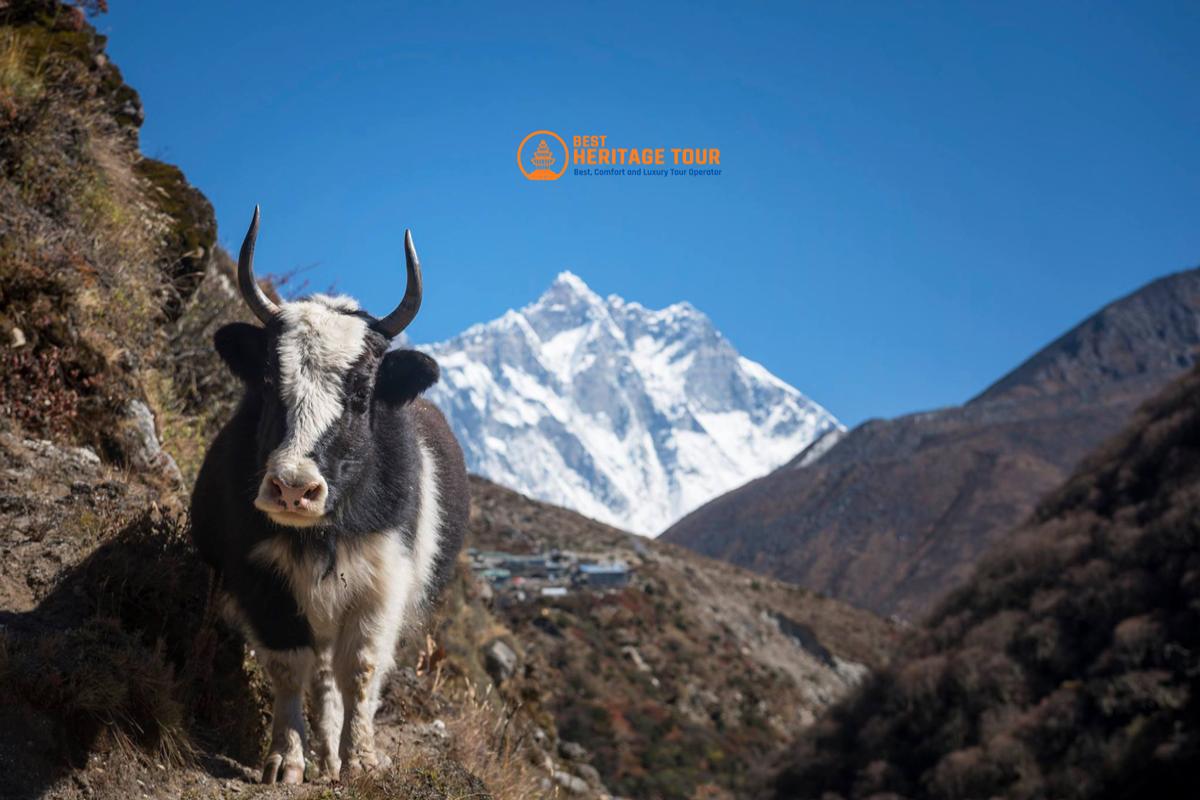
As you ascend higher into the Everest region, food is transported by porters, yaks, and helicopters, which makes mountain meals more expensive. However, trekkers can still enjoy a wide variety of nutritious and filling dishes throughout the journey.
Meal Arrangement During the Everest Base Camp Trek
-
Breakfast: Served at the tea house or lodge where you spend the night before starting the day's trek.
-
Lunch: Taken at local tea houses along the trekking trail during the day.
-
Dinner: Served at the lodge where you stay overnight.
This meal arrangement helps maintain a comfortable trekking routine while supporting local businesses and communities throughout the Everest region.
Meal Inclusion Policy
-
Trekkers can choose one main food item per meal from the available menu.
-
One selected item per meal is included in the package.
-
Additional food items, snacks, desserts, or extra portions must be paid for directly by the trekker.
-
Tea or coffee is generally provided as part of the included drinks allowance.
Food Options Available on the Everest Base Camp Trek
Tea houses along the Everest Base Camp route offer a surprisingly diverse menu with both Nepalese and international dishes.
|
Meal |
Common Food Options |
|---|---|
|
Breakfast |
Oats, porridge, Tibetan bread, toast, pancakes, eggs (boiled, fried, omelette), cornflakes, muesli, chapati, peanut butter, jam, honey |
|
Lunch |
Dal Bhat, fried rice, chowmein, pasta, noodles, potato dishes, soup, momos, thukpa, macaroni |
|
Dinner |
Dal Bhat, vegetable curry with rice, fried rice, noodles, pasta, soup, potatoes, chapati, garlic soup, thukpa |
Please note that menu availability may vary slightly depending on the village, season, and altitude.
Highly Recommended: Dal Bhat Power
When trekking to Everest Base Camp, there is one meal every guide will recommend: Dal Bhat.
Dal Bhat is Nepal's traditional meal consisting of rice, lentil soup, seasonal vegetables, and pickles. It is the preferred meal of trekkers, guides, and porters throughout the Himalayas.
Why is Dal Bhat the Best Trekking Meal?
-
Provides long-lasting energy for trekking
-
Freshly cooked and hygienic
-
Rich in carbohydrates, protein, vitamins, and minerals
-
Easy to digest at higher altitudes
-
Usually comes with free refills of rice, lentils, and vegetables
-
Helps maintain strength during demanding trekking days
For the best trekking experience, we highly recommend enjoying Dal Bhat at least once daily, especially during lunch.
Some Local Sherpa Delicacies to Try During the Everest Base Camp Trek
One of the unique highlights of the Everest Base Camp Trek is the opportunity to experience the rich food culture of the Sherpa community. While trekking through the Khumbu region, you will come across several traditional Sherpa dishes that have been enjoyed by local mountain communities for generations. If you would like to add a cultural touch to your trekking experience, here are some local delicacies worth trying along the trail:
-
Sherpa Stew (Syakpa): A hearty traditional soup made with noodles, potatoes, vegetables, and local spices. It is one of the most popular comfort foods in the Everest region.
-
Sherpa Potato Bread: A simple yet delicious local specialty made from potatoes and flour, often enjoyed with tea, honey, or jam.
-
Riki Kur (Sherpa Potato Pancake): A traditional Sherpa-style potato pancake made from grated potatoes and flour. It is a popular breakfast and snack item in mountain lodges.
-
Tingmo: A soft and fluffy Tibetan-style steamed bread commonly served with vegetable curry, soup, or stew.
-
Butter Tea (Su Cha): A traditional Himalayan beverage prepared with tea, yak butter, and salt. It helps provide warmth and energy in the cold mountain environment.
-
Yak Cheese: The Everest region is famous for its locally produced yak cheese, known for its rich flavor and high nutritional value.
-
Tsampa: A traditional Himalayan food made from roasted barley flour, often mixed with tea, milk, or yogurt to create an energy-rich meal.
Why Try Local Sherpa Food during Everest Base Camp?
Trying traditional Sherpa cuisine is more than just enjoying a meal - it is an opportunity to connect with the culture and heritage of the Everest region. While international dishes such as pasta, pizza, fried rice, and noodles are available throughout the trek, sampling a few traditional Sherpa specialties can make your Everest Base Camp adventure even more rewarding and unforgettable.
Drinks and Hydration During the Everest Base Camp Trek
Staying properly hydrated is extremely important during high-altitude trekking.
Trekkers can find a variety of hot and cold beverages throughout the route, including:
-
Black tea, Milk tea, Ginger tea, Lemon tea
-
Coffee (instant or local style), Hot chocolate
-
Hot lemon drinks, Honey ginger lemon (great for altitude)
-
Boiled drinking water (available for purchase)
At higher elevations, proper hydration plays a crucial role in acclimatization and reducing the risk of altitude-related illnesses.
Can You Find Vegetarian and Vegan Food During the Everest Base Camp Trek?
Yes, vegetarian and vegan food options are widely available throughout the Everest Base Camp Trek, making it an excellent choice for travelers with specific dietary preferences.
At Best Heritage Tour, we always do our best to accommodate special dietary requirements. Trekkers are kindly requested to inform us in advance about any food allergies, dietary restrictions, or meal preferences so that we can coordinate with the tea houses and lodges along the trekking route.
Vegetarian meals are readily available in almost every tea house. Vegan travelers can also find suitable food options, although choices may become more limited at higher elevations.
How is the Drinking Water Facility on the Everest Base Camp Trek?
Drinking water is an important consideration during the Everest Base Camp Trek, especially because staying well-hydrated is essential for proper acclimatization at high altitude. Fortunately, safe drinking water is available throughout the trekking route, but it is not always free, and trekkers must plan accordingly.
Along the trail, you will find three main options for drinking water: boiled water from tea houses, bottled water, and purified water treated with filtration or purification tablets.
What is the Cost of Boiled Drinking Water During the Everest Base Camp Trek?
The cost of boiled drinking water in the Everest region varies depending on altitude. As you go higher, prices increase due to the difficulty of transporting fuel and resources to remote mountain villages.
Boiled Water Price in the Everest Base Camp Trek
|
Location |
Cost Per Cup - 250 ml |
|---|---|
|
Lukla & Phakding |
Rs 100 - 150 |
|
Namche Bazaar |
Rs 150 - 200 |
|
Tengboche |
Rs 250 - 300 |
|
Dingboche & Pheriche |
Rs 300 - 350 |
|
Lobuche |
Rs 350 - 400 |
|
Gorakshep |
Rs 500 - 600 |
What is the Price of Bottled Drinking Water in the Everest Base Camp Trek?
Bottled drinking water is easily available along most parts of the Everest Base Camp Trek, especially in lower and mid-altitude villages. However, the price of bottled water increases significantly as you move higher due to transportation difficulties, limited supply, and harsh mountain conditions.
Bottled Water Price in Everest Base Camp Trek
|
Location |
Price of Bottled Water (Per Liter) |
|---|---|
|
Lukla & Phakding |
Rs 120 - 150 |
|
Namche Bazaar |
Rs 200-250 |
|
Tengboche & Dengboche |
Rs 300-400 |
|
Pheriche & Lobuche |
Rs 400-500 |
|
Gorakshep |
Rs 500-600 |
What is the Best Time for Everest Base Camp Trek?
Trekking to Everest Base Camp is possible throughout most of the year, but certain months offer the best weather, clear mountain views, and safer trail conditions.
Spring Season (March - May):
This is one of the most popular times to trek. The weather is generally stable, with warm daytime temperatures at lower altitudes and moderate conditions higher up. Rhododendron forests are in full bloom, adding vibrant colors to the trail. Visibility is excellent, offering stunning views of Everest and other peaks.
Autumn Season (September - November):
Widely considered the best time of year for the EBC trek, this season offers clear skies, fresh air after the monsoon rains, and mild temperatures. October is particularly popular, so trails and teahouses can be busier.
Winter Season (December - February):
Trekking is still possible, but temperatures drop significantly, especially above 4000 m. The trail is quieter, and views are crystal clear, but you’ll need to be well prepared for cold weather and possible snow.
Monsoon Season (June - August):
Not recommended due to heavy rainfall, slippery trails, leeches at lower elevations, and limited visibility. However, the trails are less crowded, and landscapes are lush.
For the best experience, we recommend Spring (March-May) and Autumn (September-November).
Documents Required for the Everest Base Camp Trek
To ensure a smooth and hassle-free trekking experience in the Everest region, trekkers must carry a few essential travel documents. These documents are mandatory for entry, safety, and permit regulations in Nepal’s protected trekking areas.
Nepal Visa for Everest Base Camp Trek
All international travelers (except Indian) need a tourist visa to visit Nepal, which can be obtained on arrival at Kathmandu airport or online.
Key Details:
-
Duration: 15, 30, or 90 days (15 days recommended for this trek)
-
Fees: 15 days - USD 30 | 30 days - USD 50 | 90 days - USD 125
-
Requirements: Valid passport (6+ months), visa form, passport photo, and payment in cash (USD/EUR/GBP/NPR)
Citizens of certain countries do not get Nepal Visa on arrival. They must have to apply for the Nepal Visa on advance through the Nepalese Embassy.
For the further details check: Nepal Immigration
Travel Insurance for Everest Base Camp Trek
Travel insurance is highly recommended and mandatory for trekking in Everest region. For this trek, standard travel insurance is simply not enough
Your insurance policy should cover:
-
High-Altitude Coverage (Up to 6,000m)
-
Medical Emergency & Hospitalization: Including treatment for Altitude Sickness (AMS, HAPE, or HACE).
-
Emergency Helicopter Evacuation
-
Search and Rescue (SAR)
-
Trip Cancellation & Interruption
-
Cashless Claims & Direct Payment
If you do not have a proper insurance for trekking in Nepal, we can help you to arrange that. For further information, check this guide: Buying Trekking Insurance in Nepal
What are the permits required for the Everest Base Camp Trek?
For trekking in the Everest region, proper permits are mandatory to ensure safety, conservation, and legal access. For this trek, the following permits are required:
-
Sagarmatha National Park Permit: Required to enter the national park and trek within its protected areas.
-
Khumbu Pasang Lhamu Rural Municipality Permit: This permit allows trekkers to enter and travel within the Khumbu region.
A valid visa and travel insurance is must to get the permits for Everest Base Camp Trek. One does not need to worry about the permits arrangement as we will do all the arrangements on behalf of our valued guest.
How Difficult is the Everest Base Camp Trek?
The Everest Base Camp (EBC) Trek is considered a moderate to challenging high-altitude trek, depending on your fitness level, prior trekking experience, and how well your body adapts to altitude. While it does not require technical climbing skills, the combination of long walking days, rugged terrain, and high elevation makes it physically demanding.
Key Factors That Affect Everest Base Camp Trek Difficulty
Several factors influence how difficult the Everest Base Camp Trek feels for each individual trekker depending on fitness level, preparation, and acclimatization.
-
High Altitude: The trek reaches up to Kala Patthar (5,545m) and Everest Base Camp (5,364m), where reduced oxygen levels can cause mild to moderate altitude-related challenges if proper acclimatization is not followed.
-
Trekking Distance and Duration: The trek usually takes 11-14 days with an average daily walking distance of around 10-15 km over multiple consecutive days.
-
Trail Conditions: The route includes steep ascents and descents, rocky and uneven Himalayan terrain, suspension bridges, and glacier and moraine sections near Lobuche and Gorakshep.
-
Weather and Temperature: Weather in the Everest region changes quickly, especially above 4,000 meters, with cold mornings, freezing nights, and strong winds in higher elevations.
Is Everest Base Camp Trek Suitable for Beginner?
The Everest Base Camp Trek is considered moderately difficult, meaning it is possible for beginners, but not an “easy” hike. First-time trekkers can complete it successfully with proper preparation, good fitness, and a positive mindset.
For beginners, the biggest challenge is not the trail but the high altitude and gradual oxygen decrease as you go higher. With proper acclimatization days, slow pacing, and basic training like walking, jogging, or hiking before the trek, even beginners can enjoy this once-in-a-lifetime Himalayan adventure safely and confidently.
Is Everest Base Camp Trek a Beginner Friendly Trek?
Yes, the Everest Base Camp Trek can be considered beginner-friendly for physically fit and well-prepared trekkers, even if they have no prior high-altitude trekking experience. The route is well-established with comfortable tea houses, experienced guides, and a gradual ascent profile that allows the body to acclimatize properly. With proper training, slow pacing, and guided support, most first-time trekkers are able to successfully complete the journey to Everest Base Camp and Kala Patthar.
Challenges may have to face by Beginners During EBC Trek
Beginners on the Everest Base Camp Trek mainly struggle with high altitude and long walking hours. Reduced oxygen can cause fatigue or altitude sickness. The trek contains a good hours of daily walking on rocky terrain which is slightly difficult for a new trekker. Sudden cold weather and basic mountain conditions can make the journey also physically and mentally demanding.
What are the Essential Gears to Pack for Everest Base Camp Trek?
Packing the right gear is very important for a safe and comfortable Everest Base Camp Trek. As the journey takes you from warm lower valleys to extreme high-altitude cold conditions, proper clothing and equipment is must.
Trekkers should pack layered clothing, including thermal base layers, a warm insulating jacket, and a waterproof outer shell. A good pair of broken-in trekking boots, warm gloves, a hat, sunglasses, and thick socks are essential for protection and comfort on rugged trails.
In addition, basic essentials such as a headlamp, reusable water bottle, sunscreen and personal medical kit are highly recommended. Since temperatures drop significantly at higher elevations, especially in places like Lobuche and Gorakshep, proper cold-weather gear becomes crucial for safety and acclimatization.
For a full and season-wise packing checklist, you can check our detailed Everest Base Camp Trek gear list, where we have included all the necessary clothing, equipment, and personal essentials required for a safe and well-prepared journey in the Himalayas.
Physical Fitness Required for Everest Base Camp Trek
A good level of physical fitness is required for the Everest Base Camp Trek, as the journey involves long trekking days, steep mountain trails, and high altitude conditions above 5,000 meters. Trekkers do not need to be professional athletes, but they should have strong stamina and endurance to walk for several hours each day in a challenging Himalayan environment.
Recommended Pre-Trek Preparation for EBC Trek
-
Start training at least 4-6 weeks before the trek with regular cardio exercises such as walking, jogging, cycling, or stair climbing to build stamina and endurance.
-
Practice hiking with a light backpack to get used to carrying weight during long trekking days.
-
Include leg and core strengthening exercises like squats, lunges, and planks to improve stability on steep and uneven trails.
-
Go for long walks or short hikes (5-6 hours) to simulate actual trekking conditions.
-
Focus on breathing exercises to improve lung capacity and mental calmness at high altitude.
Health and Safety on Everest Base Camp Trek
The Everest Base Camp Trek is a well-established and generally safe adventure route in Nepal, as long as trekkers follow proper safety guidelines and trek responsibly. At Best Heritage Tour, we place strong emphasis on traveller safety by ensuring careful itinerary planning, gradual acclimatization, and full on-trail support throughout the journey.
Our professional trekking guides are government-licensed and highly experienced in high-altitude conditions. They are trained to observe early signs of altitude sickness and other health-related issues, allowing timely decisions to protect trekkers’ well-being during the trek. In addition, every guide carries a basic first aid kit and is prepared to handle common trekking concerns such as minor injuries, fatigue, or altitude discomfort.
How Safe is the Everest Base Camp Trek?
The Everest Base Camp Trek is considered safe for both beginners and experienced trekkers when it is undertaken with proper preparation and guidance. It is one of the most popular and well-managed trekking routes in Nepal, with established trails, regular foot traffic, and a strong support system of tea houses and local communities along the way.
Key safety factors include:
-
Well-established and clearly marked trekking route used by thousands of trekkers every season
-
Availability of villages, lodges, and tea houses at regular intervals throughout the trail
-
Communication access in most major stops, especially up to Namche Bazaar and surrounding areas
-
Emergency assistance and helicopter evacuation options in case of serious altitude-related or medical issues
However, like any high-altitude Himalayan trek, overall safety also depends on proper acclimatization, good physical preparation, and carefully following the instructions of experienced trekking guides throughout the journey.
How to Prevent Altitude Sickness on Everest Base Camp Trek
Altitude sickness (AMS) can develop when the body ascends too quickly to higher elevations without proper acclimatization. Since the Everest Base Camp Trek reaches above 5,000 meters, taking the right precautions is very important for a safe and successful journey.
To reduce the risk of altitude sickness, we recommend:
-
Ascending slowly and strictly following the planned itinerary with acclimatization days (in Namche Bazaar & Dingboche)
-
Drinking plenty of water throughout the day to stay properly hydrated
-
Avoiding alcohol and smoking during the trek, as they can worsen dehydration and altitude effects
-
Eating nutritious and balanced meals to maintain energy levels
-
Taking regular rest breaks and avoiding overexertion while trekking
-
Immediately informing your guide if you experience symptoms such as headache, dizziness, nausea, loss of appetite, or unusual fatigue
Why are Acclimatization Days Essential During the Everest Base Camp Trek?
Acclimatization days are one of the most important parts of the Everest Base Camp Trek. As the trek reaches elevations above 5,000 meters, the amount of oxygen in the air gradually decreases, making it more difficult for the body to function normally. Acclimatization allows your body to adapt to these changes and significantly reduces the risk of altitude sickness.
During the Everest Base Camp Trek, acclimatization days are usually scheduled at Namche Bazaar and Dingboche. Instead of taking complete rest, trekkers make short hikes to higher elevations and then return to sleep at a lower altitude. This "climb high, sleep low" approach helps the body adjust more effectively to the increasing altitude.
Benefits of Acclimatization Days
-
Helps the body adapt to lower oxygen levels at high altitude
-
Reduces the risk of Acute Mountain Sickness (AMS)
-
Improves overall trekking performance and energy levels
-
Allows trekkers to recover from continuous days of hiking
-
Increases the chances of successfully reaching Everest Base Camp and Kala Patthar
Skipping or rushing acclimatization can increase the likelihood of altitude-related problems and may even force trekkers to descend before reaching their goal. Therefore, following a well-planned itinerary with proper acclimatization days is essential for a safe, comfortable, and successful Everest Base Camp Trek.
Porter and Luggage Management on the Everest Base Camp Trek
Managing your luggage properly is an important part of ensuring a smooth and comfortable Everest Base Camp Trek. At Best Heritage Tour, we offer flexible porter services and secure luggage storage options so trekkers can focus on the journey without carrying unnecessary weight.
Porter Service (Optional Add-On) for Everest Base Camp Trek
Our standard Everest Base Camp Trek package does not include porter service by default, but trekkers can easily hire a porter for added comfort during the journey.
-
Porter service available at USD 22 per day
-
Each porter can carry up to 25 kg maximum weight
-
A porter can be shared between one or two trekkers
-
A duffle bag is provided to safely pack and carry trekking gear
Using a porter significantly reduces physical strain, especially on long trekking days and high-altitude sections of the route.
Luggage Storage in Kathmandu
For items not required during the trek, trekkers can safely store their extra luggage in Kathmandu. We provide free luggage storage at our store, ensuring your belongings remain secure while you are in the mountains. Additionally, many hotels in Kathmandu also offer complimentary luggage storage services, so it is worth confirming this with your hotel before starting the trek.
Everest Base Camp Trek Cost for 2026 & 2027
The Everest Base Camp Trek cost for 2026 and 2027 can vary depending on the level of service, accommodation standards, group size, and inclusions offered by different trekking companies. At Best Heritage Tour, we aim to provide a safe, well-organized, and value-for-money trekking experience in the Everest region without compromising on quality and safety.
Our standard Everest Base Camp Trek package starts from USD 1,090 per person, making it one of the most affordable price.
We also offer flexible group pricing, meaning the larger the group size, the lower the cost per person becomes. This makes the trek more affordable for families, friends, and organized travel groups who wish to experience Everest Base Camp together.
Group Size-Based Price - Everest Base Camp Trek (2026 & 2027)
|
Group Size |
Price per Person (USD) |
|---|---|
|
1 pax |
$1090 |
|
2-4 pax |
$970 |
|
5-6 pax |
$920 |
|
7-10 pax |
$895 |
|
11-16 pax |
$870 |
|
17-29 pax |
$850 |
Note:
-
Extra 13% Government Tax and 10% Service Charge are not included in the above prices
-
Porter cost is not included in the package price
If you want, we can provide you a detailed cost breakdown for better understanding.
How Much Money to Carry for Extra & Personal Expenses on Everest Base Camp Trek?
While trekking to the Everest Base Camp, our trekking packages cover accommodation, meals, and basic services. However, trekkers should budget around USD 500 to USD 700 for several personal expenses along the trail, as many services become paid at higher altitudes. Below are the common extra costs you may encounter:
-
Hot Shower: Usually costs around USD 3 to USD 8 per shower depending on altitude. Prices increase in higher villages due to limited heating facilities.
-
Wi-Fi / Internet: Costs approximately USD 3 to USD 10 per day or per access card, depending on location and network quality.
-
Phone & Gadget Charging: Typically USD 2 to USD 10 per device, increasing as you go higher up the trail.
-
Hot Drinking Water: Boiled water refills usually cost USD 1 to USD 5 per liter, with higher prices in remote areas.
-
Snacks & Drinks: Chocolate bars, soft drinks, tea, and coffee can range from USD 2 to USD 8 each item depending on altitude.
-
Gifts & Souvenirs: Small handicrafts, prayer flags, and local products can cost anywhere from USD 5 to USD 50+ depending on quality and bargaining.
-
Toiletries & Essentials: Basic items like toilet paper, soap, and wet wipes may cost USD 1 to USD 5 in mountain shops.
-
Tips for Guides & Porters: Optional but highly recommended, typically around 10-15% of total trek cost or based on service quality.
These personal expenses can vary depending on season, altitude, and usage, so carrying some extra cash in Nepali Rupees is always recommended for a smooth trekking experience in the Everest region.
How Much Should You Tip Guide & Porter During the Everest Base Camp Trek?
Tipping is a well-established tradition in Nepal’s trekking industry and is a meaningful way to appreciate the dedication, hard work, and support provided by your trekking crew. While tipping is not compulsory, it is highly encouraged and greatly valued by guides and porters who help make your Everest Base Camp Trek safe, smooth, and enjoyable.
As a general guideline, trekkers often tip around 10-15% of the total trek cost, depending on service quality and overall satisfaction.
How much to tip the Guide on Everest Base Camp Trek?
For the Everest Base Camp Trek, guide tips are usually based on the duration of the trek and the level of service provided throughout the journey.
Suggested guide tip:
-
Around USD 10-15 per day per group
-
For a 12-14 day trek, many trekkers contribute approximately USD 120-200+ per group, depending on group size and satisfaction level
How much to tip the Porter on Everest Base Camp Trek?
Porters play a very important role in carrying trekking luggage, allowing trekkers to walk comfortably with a light daypack.
Suggested porter tip:
-
Around USD 7-10 per day per group
-
For a 12-14 day trek, a common tip range is approximately USD 72-120+ per porter, depending on workload and service quality
Group Tipping Practice
If you are trekking in a group, it is common practice for all members to collectively contribute toward a single tip amount. This is usually handed over to the guide and porter at the end of the trek as a token of appreciation for their support and hard work throughout the journey.
Money Exchange, ATMs & Card Payment for Everest Base Camp Trek
Proper money management is very important before starting the Everest Base Camp Trek, as banking and electronic payment facilities become extremely limited once you leave Kathmandu. Planning ahead ensures a smooth, hassle-free trekking experience in the Himalayas.
Money Exchange in Kathmandu
We strongly recommend exchanging your foreign currency in Kathmandu before beginning the trek. Banks and authorized money exchange counters in the city usually offer reliable and competitive exchange rates.
Trekkers can also check the daily exchange rates in advance to ensure they receive a fair and transparent conversion before completing any transaction.
ATM Availability
ATMs are widely available only in Kathmandu and are commonly used by trekkers before heading to the Everest region.
-
After reaching Lukla and beyond, ATM services are extremely limited
-
In many trekking villages, ATMs are not available at all
-
Even where available, machines may not always function reliably
For this reason, it is strongly advised to withdraw all necessary cash in Kathmandu before starting the trek.
ATM Withdrawal Limits & Charges (Kathmandu)
-
Most ATMs allow up to 3 withdrawals per day
-
Maximum withdrawal is around NPR 35,000 per transaction
-
Each withdrawal may incur a bank charge of approximately NPR 600-800
Card Payment & Bank Transfer Availability
Card payments and bank transfers are generally not accepted along the Everest Base Camp Trek route. Only a few hotels, restaurants, or shops in Kathmandu, Lukla & Namche Bazaar may accept card payments, but this is not guaranteed.
In most cases, card transactions and bank transfers may also include an additional 4% service charge per transaction.
For a smooth trekking experience, we strongly recommend carrying sufficient Nepali cash from Kathmandu before starting the trek. Relying on ATMs or card payments during the trek is not practical due to limited availability and unreliable connectivity in the Everest region.
Booking & Payment for Everest Base Camp Trek
If you are wondering on, how to book the Everest Base Camp Trek - booking your Everest Base Camp Trek with Best Heritage Tour is simple and secure. To confirm your trip, a 20% deposit of the total trip cost is required at the time of booking, while the remaining balance must be cleared at least one day before departure. Payments can be made via cash, bank transfer, or card; bank transfer and card fees are the responsibility of the trekker, and incur a 4% transaction fee. All booking and cancellation terms are clearly explained by Best Heritage Tour staff during the booking process and can also be reviewed on our website.
Bank transfer:
-
Account Name: Best Heritage Tour And Treks Pvt. Ltd.
-
Account Number: 13201040254106
-
Bank Name: Nepal Investment Mega Bank Ltd.
-
Address: Thamel, Kathmandu, Nepal
-
SWIFT Code: NIBLNPKT
-
Bank Transfer Link: www.bestheritagetour.com/payment
Once we receive the deposit, we will issue the official invoice and booking conformation right away. If you need any clarification, we are happy to answer your questions or provide additional details you may require.
Last-Minute Booking for Everest Base Camp Trek
For travelers planning on short notice, Best Heritage Tour accepts last-minute bookings up to 24 hours before departure. In such cases, full payment (100% of the trip cost) is required at the time of booking. Trekkers should be aware that accommodation, logistics, and services may be limited, and the company cannot be held responsible for any compromises arising from late arrangements.
Flexible Trip Extension for Everest Base Camp Trek
If you wish to extend your adventure beyond the Everest Base Camp Trek, Best Heritage Tour offers several exciting trip extension options. You can explore nearby trekking routes, such as the Gokyo Lakes, Three Pass Trek, or the Annapurna Circuit, for a broader Himalayan experience. Cultural tours around Kathmandu Valley, visits to Lumbini, or relaxing stays at scenic towns like Pokhara can also be arranged.
Our team will help customize your itinerary to match your interests, schedule, and fitness level, ensuring a seamless and memorable extension to your journey.
Other Trekking Packages for Everest Base Camp
Along with the classic Everest Base Camp Trek, there are several exciting alternative options in the Everest region that offer different routes, experiences, and comfort levels.
-
Everest Base Camp Trek via Gokyo Lakes: A scenic alternative route combining Everest Base Camp with the beautiful Gokyo Lakes and panoramic views from Gokyo Ri.
-
Everest Three Passes Trek: A challenging circuit trek crossing three high passes - Kongma La, Cho La, and Renjo La - covering the full Everest region.
-
Everest Base Camp Trek via Road: A longer trekking option starting with a road journey instead of a flight, offering a more budget-friendly approach to EBC.
-
Everest Base Camp Trek with Heli Return: Trek to Everest Base Camp and return by helicopter for a faster, more comfortable, and scenic experience.
-
Everest View Luxury Heli Trek: A short luxury-style trek with helicopter rides and premium lodges, ideal for a comfortable Everest experience with minimal trekking.
How Many Trekkers Can Join an Everest Base Camp Trek Group?
At Best Heritage Tour, we can accommodate groups ranging from solo trekkers to larger organized groups, with a maximum group size of 29 trekkers for a single Everest Base Camp Trek departure. Upon the request, we can carter the larger group size of 50 trekkers in a single departure.
To ensure a safe, comfortable, and well-managed trekking experience, we provide additional support staff for larger groups. For groups of more than 10 trekkers, an extra assistant guide is assigned to help manage the group, provide better assistance on the trail, and ensure everyone receives proper attention throughout the trek.
This approach allows us to maintain high safety standards, efficient group coordination, and personalized support, regardless of the group size.
Sherpa Culture, Traditions and Festivals in the Everest Region
The Everest region is famous for its rich Sherpa culture and traditions. The Sherpa people have lived in the Himalayas for centuries and are renowned worldwide for their mountaineering skills, hospitality, and deep connection to the mountains.
Sherpa culture is strongly influenced by Tibetan Buddhism, which can be seen throughout the trekking route in the form of ancient monasteries, prayer flags, chortens, mani walls, and prayer wheels. Trekkers passing through villages such as Namche Bazaar, Khumjung, Pangboche, and Tengboche have the opportunity to experience the unique lifestyle, customs, and traditions of the local Sherpa community.
Sherpa Traditions and Lifestyle
The Sherpa community maintains a strong sense of cultural identity and continues to preserve many traditional customs and practices. Daily life often revolves around family, farming, livestock, trade, tourism, and Buddhist religious activities.
Some common cultural experiences during the trek include:
-
Visiting ancient Buddhist monasteries and sacred sites
-
Observing prayer ceremonies and religious rituals
-
Walking past colorful prayer flags and carved mani stones
-
Learning about traditional Sherpa architecture and village life
-
Experiencing the warm hospitality of local tea house owners
Major Festivals Celebrated in the Everest Region
Throughout the year, Sherpa communities celebrate several important festivals that reflect their religious beliefs and cultural heritage.
-
Mani Rimdu: The most famous festival in the Everest region, celebrated at Tengboche Monastery with colorful masked dances, prayers, and religious ceremonies.
-
Dumji Festival: A traditional Sherpa festival celebrated to honor Guru Rinpoche and pray for the well-being of local communities.
-
Losar (Tibetan New Year): One of the most important celebrations for Sherpa families, marked by prayers, cultural performances, family gatherings, and festive meals.
-
Buddha Jayanti: A religious festival commemorating the birth, enlightenment, and death of Lord Buddha through prayers and ceremonies at local monasteries.
Experiencing Sherpa culture and traditions adds a unique cultural dimension to the Everest Base Camp Trek, making the journey much more than just a mountain adventure. It offers trekkers a deeper understanding of the people, beliefs, and heritage that make the Everest region one of the most fascinating destinations in the Himalayas.
Sustainable and Responsible Tourism in the Everest Region
The Everest Base Camp Trek passes through fragile Himalayan landscapes and culturally rich Sherpa villages, making responsible travel essential for protecting both nature and local heritage. Trekkers are encouraged to reduce plastic waste, carry reusable water bottles, respect local traditions and monasteries, stay on marked trails, and support locally owned tea houses and businesses throughout the journey.
At Best Heritage Tour, we are committed to promoting eco-friendly and responsible trekking practices by strictly following the “Leave No Trace” principle on all our trekking routes. As part of our sustainability initiative, we also plant a tree in the name of traveler (upon request) who joins us, helping to offset carbon emissions, restore natural ecosystems, and contribute to long-term environmental conservation in Nepal’s mountain regions.
Review
Best Tour Operator in Kathmandu
We booked a porter with Best Heritage Tours for our trek on the Everest Base Camp Trek. Both the booking of the porter and the arrangements with Best Heritage Tours worked...
View Detail
EBC Trek - Thanks for the great Support
Our Trekking Tour was perfecty organised through Best Heritage Tour. We went with our family and did the EBC trek from Jiri for 20+ days. They organised a porter for us that was...
View DetailA
Excellent Trek with Best Heritage Tour
I recently completed a trek with Best Heritage Tour, and it was quite an experience from start to finish. Bimal did a very good job organizing everything. Professional and friendly...
View DetailA
An Adventure of a Lifetime with Best Heritage Tour
The Everest base camp trek was absolutely exciting. This trek experience was adventuring in every single step, from those breathtaking views of Himalayas to the warm hospitality of...
View DetailD
Unforgettable Everest Base Camp Trek!
The EBC trek was truly one of the most memorable experiences of my life. Everything was well managed since my arrival in Kathmandu. Mr. Bimal Dhamala, who guided us, was very...
View DetailJ
my first EBC trek
I had never been on a multi-day trek before. I was very excited, just as nervous, about this Everest Base Camp Trek. The first trekking experience turned out to be quite...
View DetailS
The Most Rewarding and Challenging Trek of My Life!
The Everest Base Camp Trek exceeded all my expectations.This journey wasn't just a trip. It put my stamina to the test, touched me, and gave me the thrill of a lifetime. The...
View Details
Incredible EBC Trek Experience
Reaching Everest base camp itself was an unforgettable adventure, but Best Heritage Tour really made it a difference. From the very first contact onwards, their attention and...
View DetailE
A memorable Himalayan trek with outstanding guides
Madhav, and assistant guide Milan worked so hard to make the entire 12-day high-altitude trek safe, comfortable, and really memorable. Their care and knowledge made all the...
View DetailV
Unique Experience at EBC
This 12 day Everest Base Camp trek was a fantastic adventure and one of the greatest experiences my wife has ever had. She has done many things in her life, but this one really...
View DetailJ
Epic Everest Base Camp Trek with an Amazing Team
Without a doubt, the Everest Base Camp Trek was one of my best experiences ever! Everything was perfectly organized from permits to teahouse stays thanks to Best Heritage Tour. Our...
View Detail
100% satisfied with the Kathmandu-Lukla-Kathmandu helicopter flight
I booked my round-trip helicopter flight to Lukla, and it was a great decision. Especially the return flight. Due to bad weather, flights from Lukla were suspended for four days,...
View Detail
Best Tour Company in Nepal!
I highly recommend Best Heritage Tour to anybody visiting Nepal! During our visit, our guide Milan, Bimal, and the rest of his team went above and beyond to organize and coordinate...
View DetailD
Wow what an amazing trek
Late this November, I booked an EBC Trek and I must say everything from start to end was perfect. From our trek manager Mr. Bimal to our trek guide Mr. Milan, everybody was so...
View DetailJ
Best Trek of 2025
I had already done few tour with Best Heritage Tour in past. This time Bimal suggests me to go for Everest trek and must say this was the best recommendation. Everything were well...
View DetailH
Unforgettable EBC Trek
I recently completed the Everest Base Camp trek with Best Heritage Tour team, pleasantly surprised by the quality of the teahouses; they were very comfortable despite how busy the...
View DetailA
Top-tier service for EBC!
If you are planning an EBC trek, definitely go with Best Heritage Tour. Mr. Bimal organized a flawless trip with a perfectly paced itinerary that made the altitude much easier to...
View DetailM
From booking to the summit - a 10/10 experience
Big thanks to the team at Best Heritage for an incredible trek. I first contacted Mr. Anil for info, and he made the booking process so easy and transparent. Mr. Bimal then made...
View DetailJ
Authentic and Stunning
Me and my wife recently gone for 12 Days Everest Base Camp Trek with BHT and I can honestly say it was one of the most unforgettable experiences of our life. From start to finish,...
View DetailA
An unforgettable experience with a company that truly cares.
As a solo female trekker, choosing the right trekking company in Nepal is incredibly important to me. After having a wonderful experience on the Langtang Valley Trek with Best...
View DetailS
Absolute Professionalism from Best Heritage Tour!
I recently returned from the Everest Base Camp (EBC) trek and I am still buzzing from the experience. This was my very first time trekking in Nepal and my only regret is that I...
View DetailD
Trip of a Lifetime
If you are looking for a seamless, professional and personal trekking experience in Nepal, look no further than Best Heritage Tour. Our group of five recently completed the Everest...
View DetailFAQ's
Yes, the trek is accessible for beginners who are in good health and willing to acclimatize to higher altitudes.
Everest Base Camp serves as the primary hub for climbers preparing to conquer Mount Everest. It comprises two base camps: the South Base Camp in Nepal (5,364 meters/17,598 feet) and the North Base Camp in Tibet (5,150 meters/16,900 feet).
The standard trek to Everest Base Camp (South) typically spans 12-14 days, including necessary acclimatization periods. The duration outlined consists of 8 days allocated for the ascent to the base camp, followed by a return journey spanning 4-6 days back to Lukla.
Optimal trekking seasons for EBC fall during the pre-monsoon (March to May) and post-monsoon (late September to November) periods. These windows offer favorable weather conditions, clear skies, and enhanced visibility.
The trek presents difficulties due to the elevated altitudes and rough terrain. However, with proper preparation and determination, the journey is conquerable.
Yes, two permits are mandatory: the Sagarmatha National Park Entry Permit and the Khumbu Pasang Lhamu Rural Municipality Permit. If you plan on traveling through Jiri, please be advised that obtaining the Gaurishankar Conservation Area Permit is required.
Most trekkers opt to fly from Kathmandu to Lukla before commencing the trek to EBC. Alternatively, the less frequented route from Jiri is available, offering a longer trail.
Accommodations consist of teahouses, basic lodges providing rooms, meals, and communal areas. Room amenities typically include two single beds, with facilities becoming more modest at higher altitudes.
Vital gear comprises sturdy trekking boots, warm clothing, a cold-rated sleeping bag, a backpack, trekking poles, and a first-aid kit. Additionally, water purification tablets are recommended to reduce expenses and environmental impact.
Teahouses offer a range of meals centered around rice, noodles, and potatoes, with Dal Bhat being a staple dish. While water is available, purification methods are advised for safety.
Acclimatization plays a crucial role in averting altitude sickness. Trekking at a gradual pace, maintaining hydration, and adhering to recommended acclimatization periods are vital. Consultation with a medical professional regarding Diamox usage is recommended.
While independent trekking is feasible, engaging a guide and/or porter is strongly advised for safety, local insights, and navigation support. Guides can also assist with permits and accommodation arrangements.
Some teahouses offer Wi-Fi services for a fee, although connectivity may be limited, particularly at higher elevations. Cell service availability varies across regions, with inconsistent coverage.
Costs vary based on the trekking approach, with an average expenditure ranging from $1,000 to $3,000 USD. This budget encompasses permits, flights, accommodation, meals, and gear. Guided tours typically incur higher expenses but include additional conveniences.
In case of severe altitude sickness or emergencies, immediate descent to lower altitudes is imperative. Helicopter evacuation services are available but costly, underscoring the necessity of high-altitude trekking insurance coverage.
Weather conditions at EBC are unpredictable, with temperatures plummeting significantly, especially at night. Snowfall can manifest at any time of the year, emphasizing the need for preparedness and caution.
Yes, most visitors need a tourist visa to enter Nepal. A visa can be obtained on arrival at Tribhuvan International Airport in Kathmandu or applied for in advance at a Nepalese embassy or consulate.
Yes, you will need two passport-sized photos for both the visa application and the trekking permits, so it's a good idea to bring extra copies just in case.
You'll need a valid passport (with at least six months validity), a passport-sized photo, and the visa fee (which varies depending on the duration of stay).
To obtain the RAP, you’ll need:
- A valid passport.
- A Nepal visa.
- Travel insurance.
- Two passport-sized photos.
- A letter from your trekking agency detailing your itinerary and the names of the guide and group.
Yes, it’s possible to extend your visa if you wish to stay longer in Nepal. Extensions can be processed at the Department of Immigration in Kathmandu or Pokhara, but you should apply before your current visa expires.
You can exchange US dollars or Euros for Nepalese rupees upon arrival, but we recommend carrying cash in the local currency for most transactions outside of major cities.
Facilities may vary, but most teahouses offer the following:
- Basic bedding (mattress, pillow).
- A dining area for eating meals.
- Charging options for electronic devices (usually for a fee).
- Limited Wi-Fi access.
Hygiene standards may vary. Most teahouses strive for cleanliness, but it is wise to temper your expectations, especially in remote areas.
Yes, teahouses are generally safe and many hikers have had good experiences with them, but it's wise to use common sense, lock up your valuables, and choose a reputable establishment recommended by your guide.
To ensure you are comfortable while trekking, your backpack should ideally weigh 10-15% of your body weight, usually around 10-15 kg (22-33 lbs).
Physical preparation is essential to a successful trekking experience. Begin an exercise program 6-8 weeks before your hike that focuses on:
- Aerobic exercise: Activities such as running, cycling, and swimming to improve endurance.
- Strength training: Leg, core, and upper body exercises to increase strength.
- Practice hiking: Fill up your backpack and go on a short hike to simulate trekking conditions.
Hiring porters is not mandatory but highly recommended. Carriers allow you to carry heavy loads and make the hike more comfortable. This also supports the local economy and creates jobs in the area.
It is important to stay hydrated while climbing. Bring a reusable water bottle and use water purification tablets or a filter if necessary. Pack energy-rich snacks such as nuts, energy bars and dried fruit to maintain your energy levels throughout the day.
Before any hike, test your equipment on a training hike to make sure everything fits well and works properly. Ensure that you break in your trekking footwear to prevent blisters and discomfort.
Yes, we recommend that you have a small first aid kit with some basic items such as adhesive tape, disinfectant wipes, painkillers, altitude sickness medication, and personal medications.
Yes, you can rent trekking gear in Kathmandu and other major cities. However, we recommend that you check the quality and suitability of the equipment before renting.
Acclimatization helps your body adapt to high altitudes and reduces the risk of altitude sickness. Gradual ascents and rest days are essential to acclimatize effectively.
Pay attention to your body's signals, especially when fatigue sets in.
- Take a break: Take a break when necessary and find a comfortable place to sit and relax.
- Stay hydrated: Drink water regularly and eat snacks to replenish your energy.
- Inform your tour guide: Should you begin to feel unwell, it is important to communicate this to your tour guide. They can assist in modifying the pace and itinerary as needed.
Training at altitude helps your body adapt to lower oxygen levels, which can be beneficial for hiking. However, it is not absolutely necessary. Being in good cardiovascular condition can also prepare you for the conditions.
In the event of altitude sickness, it is vital to descend to a lower elevation immediately and take time to rest. Drinking plenty of fluids and taking over-the-counter medications (such as ibuprofen) can help reduce symptoms. See a doctor if symptoms persist.
Consult your doctor for individual vaccination recommendations. Common vaccinations climbers should consider include:
- Tetanus
- Hepatitis A and B
- Typhoid
- Rabies (if in contact with wild animals)
The main health risks while trekking include:
- Altitude sickness: occurs when you ascend too quickly without adequate acclimatization, causing symptoms like headaches, nausea, and fatigue.
- Dehydration: Insufficient fluid intake can cause fatigue and headaches.
- Injuries: Falls and slips on uneven surfaces can cause sprains and fractures.
Trekkers are strongly encouraged to take out travel insurance. Make sure your insurance covers high altitude hiking, medical evacuation and trip cancellation. This gives you peace of mind and financial protection in case of emergencies or unexpected events.
In case of emergency:
- Keep calm: Staying calm helps you make better choices.
- Contact your tour guides. They are trained to deal with emergencies and know what is best.
- Use communication devices: If necessary, you can use satellite phones and emergency transmitters for communication in remote areas.
In remote and secluded areas, maintaining a sense of connection can prove to be quite challenging.
- Cellular Network: Most areas along the trek have good mobile coverage, especially in larger villages such as Samagaon. However, signals can be unreliable.
- Wi-Fi Availability: Some teahouses offer Wi-Fi, but the connection can be slow and there may be a charge.
- Satellite Phone: If traveling to an area without cell coverage, consider renting a satellite phone in case of emergency.
Yes, Nepal offers an electronic visa (e-visa) that can be applied for online before arriving. This process enables you to bypass the visa queue upon arrival at the airport. After completing the online application, you can get your visa stamped on arrival.
The tourist visa fees are as follows:
• 15 days: USD 30
• 30 days: USD 50
• 90 days: USD 125 Note that these fees are subject to change, so check the current visa fees before your trip.
No, previous trekking experience is not mandatory. However, a good level of physical fitness is necessary, as the trek involves walking for 5-7 hours per day and ascending to high altitudes.
Most teahouses in remote areas do not allow online reservations. However, during peak seasons, guides or trekking agencies can help secure rooms in advance. It’s recommended to have a guide manage accommodations, especially in crowded seasons.
Yes, teahouses usually provide blankets, but they may not always be warm enough at high altitudes. Bringing your own sleeping bag rated for cold weather is essential.
Yes, it's recommended to bring your own trekking poles. They provide essential support during steep ascents and descents, and are particularly helpful for managing balance on rough terrain.
You should bring sturdy, waterproof trekking boots with good ankle support. Ensure they are well broken-in before the trek to avoid blisters or discomfort.
Start a fitness routine several months before the trek to gradually build strength and endurance. Even light to moderate exercise a few times a week can help condition your body. You can also opt for shorter and easier treks first to gain experience.
Yes, waterborne diseases are a concern in remote areas. Always drink purified or boiled water. Bring water purification tablets or a portable water filter to treat water from local sources.
Yes, if you wish to extend your stay, you can apply for a visa extension at the immigration office in Kathmandu or Pokhara.
While Nepali is the primary language, most staff members in lodges speak English, and some may even speak other languages. Communication should not be an issue for international tourists.
Yes, breakfast, lunch, and dinner are included during the trekking days. However, meals during your stay in Kathmandu may not be covered, depending on the package.
It’s advisable to be up-to-date on routine vaccinations, including hepatitis A and typhoid. Talk to your doctor about the vaccinations you need for Nepal.
While basic medical services can be found in larger villages such as Namche Bazaar, serious health concerns may require helicopter evacuation.
Hot showers are available in some teahouses for an extra fee, but Wi-Fi is scarce and often comes with additional costs.
- Cardio: Running, swimming, or cycling 3-4 times a week can improve endurance.
- Leg Strength: Include exercises like squats, lunges, and hiking on hilly terrain to prepare your legs for the varied elevation gains.
- Endurance: Long walks with a backpack, gradually increasing your distance and weight, will help your body adjust to carrying a load for extended periods.
Always check travel advisories from your government and the local situation before planning your trip. Nepal is generally safe for tourists, but it's wise to stay informed about political and environmental conditions.
Choosing the best heritage tour provides an enriching cultural experience, blending education, comfort, and unique local interactions for unforgettable travel memories.
The majority of international flights arrive at Tribhuvan International Airport, which is located in Kathmandu. From this location, travelers can connect to Lukla to commence their trekking journey.
You typically need a valid passport, a completed visa application form, and a passport-sized photo. Payment can be made in cash or via card at the airport.
Yes, tourist visas are eligible for extension at the Department of Immigration located in Kathmandu. Ensure you have a valid reason and required documents for the extension.
If you wish to extend your stay in Nepal beyond your visa’s initial duration, you can do so by applying at the Department of Immigration in Kathmandu. Extensions are available for a maximum of 30 days, and it’s recommended to apply before your current visa expires. Best Heritage Tour can help you with the extension process if required during your Australian Camp Trek.