High in the alpine pastures of the Nepalese Himalayas, just as the winter snow begins to melt, a remarkable transformation occurs beneath the soil. This transformation sparks one of the most fascinating economic and cultural phenomena on Earth: the annual "Yarsagumba Rush."
Often referred to as "Himalayan Gold" or the "Caterpillar Fungus," Yarsagumba is a rare, dual-organism marvel that has captured the attention of international travelers, traditional medicine practitioners, and researchers globally. For trekkers and explorers journeying through remote regions like Dolpo, Manang, or Mustang, encountering the lore of Yarsagumba offers a deep glimpse into the delicate balance between Himalayan ecology and local livelihoods.
At Best Heritage Tour, we believe that true travel goes beyond visiting iconic monuments; it is about understanding the living heritage, ecosystems, and hidden treasures of the destinations you explore.
What is Yarsagumba?
Yarsagumb is a unique symbiotic organism known scientifically as Ophiocordyceps sinensis. The name itself stems from the Tibetan words "Yartsa Gunbu", which translates literally to "Summer Grass, Winter Worm." This perfectly captures its bizarre, shapeshifting lifecycle.
It is neither fully a plant nor fully an animal. The fascinating lifecycle follows a precise biological process:
-
The Host: The process begins underground with the larvae of ghost moths (Thitarodes genus) living in the alpine soil.
-
The Infection: During the rainy season, fungal spores floating in the air infect these subterranean caterpillars.
-
The Mummification: Over the winter, the fungus slowly consumes the caterpillar from the inside out, mummifying its body while keeping its external structure perfectly intact.
-
The Sprouting: As spring arrives and the snow melts, a dark brown, matchstick-like fungal stalk (stroma) sprouts directly out of the dead caterpillar’s head, piercing through the topsoil into the mountain air.
To find it, you must look for a tiny, stem-like growth barely poking through the alpine grass - a task that requires exceptional vision and patience.
Where is Yarsagumba Found in Nepal?
Yarsagumba is exclusively found in the pristine, high-altitude alpine meadows - known locally as patans - of the Himalayas. It thrives at elevations between 3,500 meters and 5,000 meters (11,500 to 16,500 feet) above sea level.
While found across 12 mountainous districts in Nepal's mid- and far-western regions, the premier locations include:
-
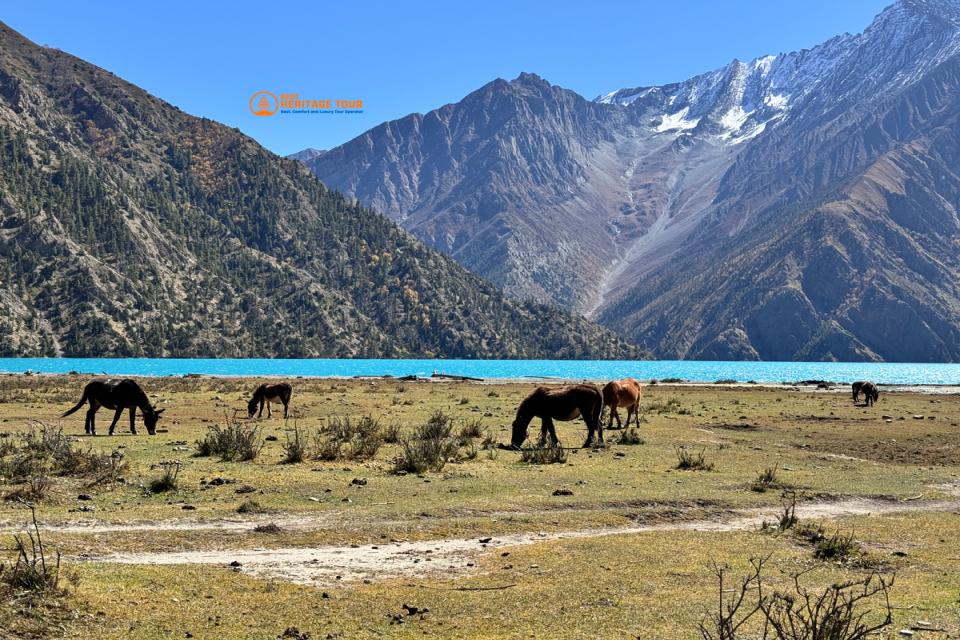
Dolpa (Dolpo): The undisputed heartland of Yarsagumba, accounting for more than half of Nepal’s annual harvest. The pastures surrounding Shey Phoksundo National Park produce some of the highest-grade specimens in the world.
-
Mugu & Jumla: Remote western districts where the annual harvest serves as the primary economic driver for entire valleys.
-
Manang & Mustang: Famous trekking regions along the Annapurna Circuit where high alpine pastures hold rich seasonal deposits.
-
Darchula & Bajhang: Far-western border regions featuring rugged, untouched high-altitude meadows.
What Are the Benefits of Yarsagumba? Why People Use It
For more than 1,500 years, Yarsagumba has been highly prized in Traditional Chinese Medicine (TCM) and Tibetan medicine. It is classified as a premier tonic that balances the body's life force (Qi). Today, global interest from western biochemical researchers has validated many of its traditional uses.
1. Natural Energy and Athletic Stamina
One of the primary reasons people use Yarsagumba is its ability to boost physical endurance and combat fatigue. Pharmacological studies suggest it increases the body’s production of adenosine triphosphate (ATP), which is essential for delivering energy to muscles. This makes it popular among high-end athletes looking to improve oxygen utilization during intense training.
2. The "Himalayan Viagra" (Libido and Fertility Enhancer)
Historically, Yarsagumba earned global fame as a potent natural aphrodisiac. It is traditionally used to treat erectile dysfunction, boost libido, and improve reproductive health in both men and women by regulating hormonal balance and increasing clinical vitality.
3. Respiratory and Immune Support
In traditional mountain communities, Yarsagumba is brewed into teas to soothe chronic bronchitis, asthma, and respiratory ailments. Its active compound, cordycepin, along with unique polysaccharides, works to modulate the immune system, helping the body resist inflammation and oxidative stress.
4. Kidney and Liver Protection
Regular, controlled consumption is believed to strengthen kidney function, detoxify the blood, and promote healthy liver metabolism, making it a highly sought-after longevity tonic in Asian health practices.
How is Yarsagumba Harvested?
The harvesting of Yarsagumba is a labor-intensive, time-sensitive event that occurs over a brief window of 4 to 6 weeks between mid-May and early July.
Winter Snow Melts ➔ Villagers Migrate to High Pastures ➔ Inch-by-Inch Combing of Soil ➔ Careful Extraction via Hand Tools
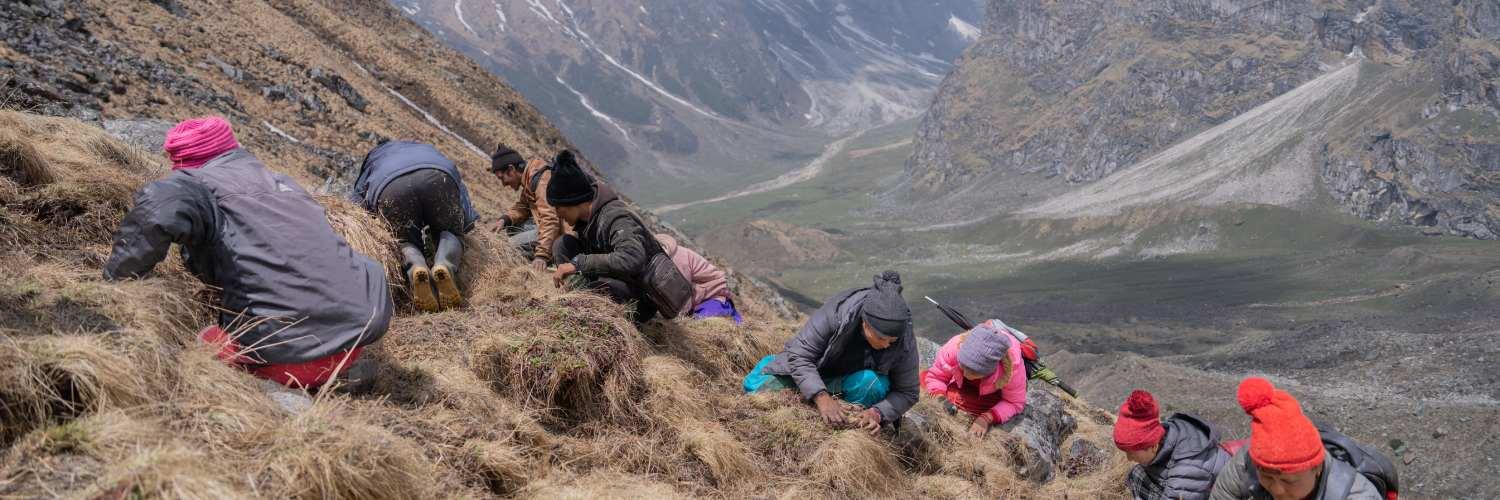
When the season begins, entire mountain villages empty. Schools close, shops lock up, and thousands of people - men, women, and teenagers - migrate up to the high-altitude pastures. They establish temporary tent cities in the freezing heights, braving altitude sickness, unpredictable blizzards, and rugged terrain.
To find the fungus, harvesters must spend hours crawling on their hands and knees, combing the alpine grass inch by inch. Because the dark fungal shoot blends perfectly with surrounding vegetation, it takes immense focus to spot. Once identified, the harvester uses a small wooden or iron tool to carefully dig out the surrounding soil, ensuring the delicate caterpillar body remains attached to the stalk. A broken piece drastically lowers its market value.
The Price of Yarsagumba: Why Is It So Expensive?
Yarsagumba is widely considered the most expensive natural medicinal resource on Earth. Gram for gram, high-quality wild Yarsagumba can trade for more than the price of gold.
|
Market Stage |
Estimated Price Range (USD / NPR) |
Context |
|---|---|---|
|
Local Pasture Price |
$5 to $15 per piece (NPR 600 - NPR 1,200) |
Paid directly to the local harvester in the mountains |
|
Kathmandu Wholesale |
$6,000 to $19,000 per kg (NPR 8 Lakhs - 2.5 Million) |
After clearing local government royalties (approx. NPR 31,000/kg) |
|
International Retail (China/Global) |
$20,000 to $100,000+ per kg |
Premium, sorted, large-grade wild harvest sold in luxury markets |
Why is the cost so extreme?
-
Extreme Scarcity: It cannot be effectively mass-reproduced in a lab with the same chemical potency as wild Himalayan specimens.
-
DANGEROUS Harvesting: Collecting it requires scaling altitudes over 4,000 meters, facing sub-zero temperatures, and navigating steep mountain slopes.
-
Insatiable Global Demand: The luxury health markets in Beijing, Shanghai, and Hong Kong treat premium Yarsagumba as a status symbol, gifted much like rare vintage wines.
-
Climate Change & Over-harvesting: Changing weather patterns and shrinking snowpacks mean finding high-quality yields gets harder each year, driving prices up.
Harvesting Rules: Can Foreigners Participate in Yarsagumba Harvesting?
Because Yarsagumba is a critical economic lifeline for Nepal’s impoverished mountain regions, the Ministry of Forests and Environment strictly regulates its collection.
Can a foreigner collect Yarsagumba?
No. Foreign nationals are strictly prohibited from collecting Yarsagumba. Furthermore, even Nepalese citizens from other geographic regions face severe restrictions. The government limits collection permits to the indigenous communities located directly within the specific mountain districts where the fungus grows. This ensures that the economic benefits remain with the remote communities who act as traditional custodians of the land.
Can a foreigner see the Yarsagumba collection process?
While you cannot join the harvest, foreign trekkers can witness the cultural phenomenon from a distance if trekking through regions like Upper Dolpo, Manang, or the high valleys of Mugu during May and June.
Facts About Yarsagumba
-
Scientific Reclassification: It was formerly classified as Cordyceps sinensis before modern DNA sequencing moved it to the genus Ophiocordyceps.
-
Weight Ratios: It takes approximately 3,000 to 3,500 individual pieces of dried Yarsagumba to make up a single kilogram.
-
The IUCN Red List: In late 2019, the International Union for Conservation of Nature (IUCN) officially listed Yarsagumba as Vulnerable due to over-harvesting, highlighting the need for sustainable management practices.
-
A Lifeline Economy: In remote areas like Dolpa, Yarsagumba harvesting accounts for 60% to 80% of total annual household income, funding education, food supplies, and health services for the entire year.
-
Beware of Fakes: Because it is highly lucrative, the market contains counterfeit pieces. Unscrupulous traders sometimes insert small wires or twigs inside broken pieces to add weight, or use lookalike plant roots. Authentic purchases should only be handled via licensed, certified herbal export traders in Kathmandu.
Conclusion
Experience the Living Heritage of the Himalayas
The story of Yarsagumba is a reminder of how deeply interconnected Nepal's culture, ecology, and communities truly are. Witnessing the high-altitude lifestyle of the Himalaya regions is a profound experience for any true explorer.
At Best Heritage Tour, we design custom itineraries that respect local traditions and provide deep insight into the unique ecosystems of Nepal. Whether you want to trek the remote valleys of Dolpo, explore the ancient trails of Mustang, or understand the traditional herbal heritage of Kathmandu, our local guides offer unmatched expertise.
Planning Your Next Himalayan Expedition?
Let us guide you through the historic trails and natural wonders of Nepal with the care and insight of local experts.
Phone / WhatsApp / Viber: +977-9851149197 / +977-9810043046
Email: info@bestheritagetour.com / bestheritagetour@gmail.com
Website: www.bestheritagetour.com
Office: Thamel Marg, Kathmandu, Nepal
Frequently Asked Questions (FAQ)
Which district in Nepal is most famous for Yarsagumba?
The Dolpa (Dolpo) district in mid-western Nepal is famous for producing the highest volume and finest quality of wild Yarsagumba. Other notable districts include Mugu, Mustang, Manang, and Bajhang.
Can I buy authentic Yarsagumba in Kathmandu?
Yes, authentic Yarsagumba can be purchased in Kathmandu, but it must be sourced through government-licensed herbal traders who hold official transport and export certificates. Avoid buying from unauthorized street vendors to ensure you do not buy counterfeits.
What are the side effects of using Yarsagumba?
While generally safe when consumed in traditional, moderate amounts (such as in soups or teas), excessive use can cause mild digestive discomfort, dry mouth, or nausea. Individuals with autoimmune diseases or those on blood-thinning medications should consult a medical professional before use.
Is it legal to take Yarsagumba out of Nepal?
You can legally export Yarsagumba out of Nepal only if you possess official clearance certificates, proof of paid government royalties (the current royalty stands around NPR 31,000 per kg), and custom release documents managed by a certified exporter.
Author: Best Heritage Tour
Date: 6th July, 2026