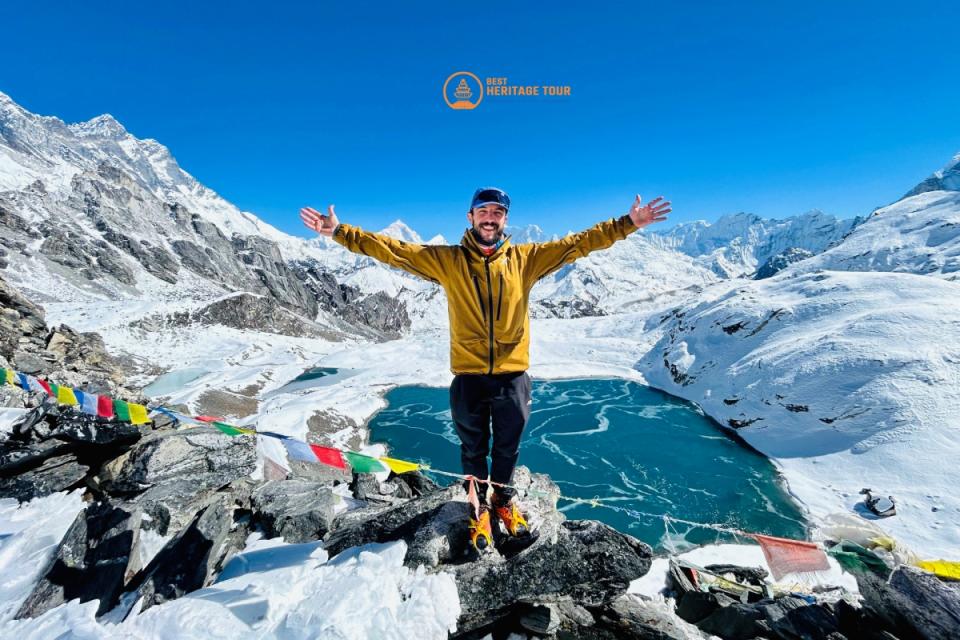
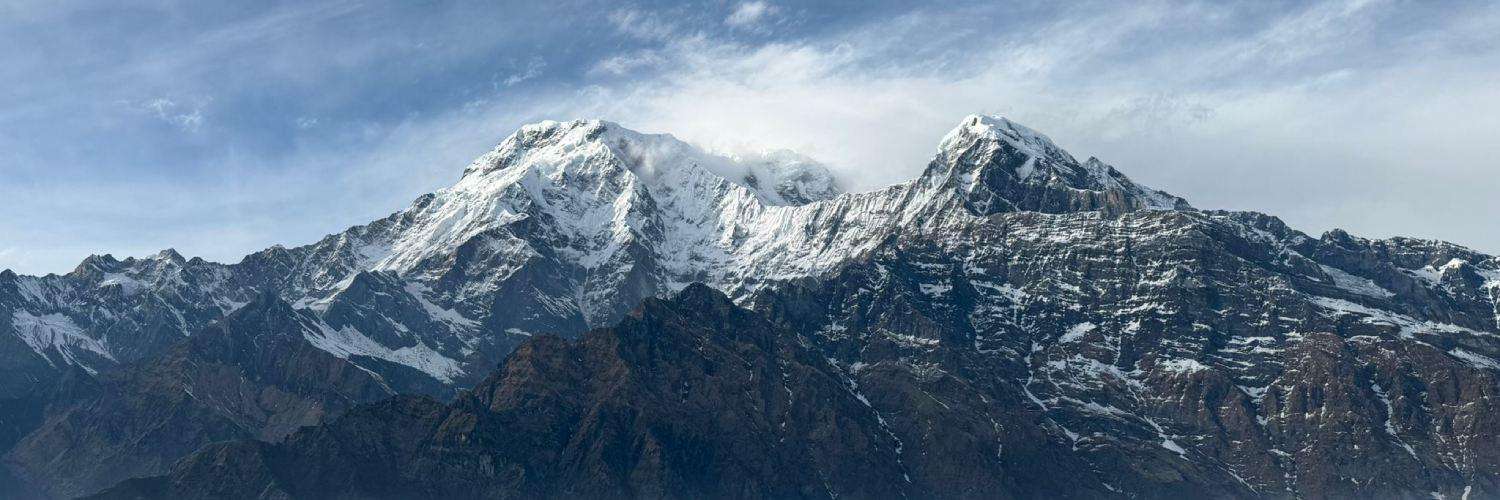
The eternal allure of the Himalayas draws adventurers, cultural pilgrims, and nature enthusiasts from every corner of the globe. However, planning a successful Himalayan expedition requires navigating complex weather patterns across varying altitudes. If you are searching for the absolute peak window to experience these majestic peaks under optimal conditions, the answer lies in the heart of spring.
At Best Heritage Tour, we are frequently asked by international travelers: When is the ideal time to experience the mountains safely while enjoying the best possible views? Drawing from our decades of local guiding experience and deep terrain expertise, we can confidently state that March and April stand out as the premier months to trek in Nepal.
This comprehensive seasonal blueprint breaks down the exact meteorological, visual, and cultural reasons why the mid-spring window creates the ultimate trekking environment. Whether you are aiming for high-altitude passes or looking for a scenic family trek, here is why March and April offer an unparalleled journey through the roof of the world.
The Perfect Climate: Goldilocks Weather Across All Altitudes
Trekking in Nepal means moving through multiple climate zones in a matter of days - transitioning from subtropical valleys to freezing alpine heights. March and April provide a "Goldilocks" climate balance: it is neither too hot in the lowlands nor unbearably cold at higher elevations.
Navigating the Spring Weather Matrix
During March, Nepal experiences a beautiful seasonal transition as winter recedes and spring takes hold. The upper mountain passes thaw, and trail conditions become significantly drier and safer. By April, temperatures settle into a highly predictable, warm pattern that is perfect for sustained, multi-hour trekking days.
-
Lower Elevations (Below 2,500 meters): Daytime temperatures in Kathmandu, Pokhara, and lower trailheads range comfortably between 15°C to 27°C (59°F to 80°F). Mornings are crisp, while afternoons are pleasantly warm.
-
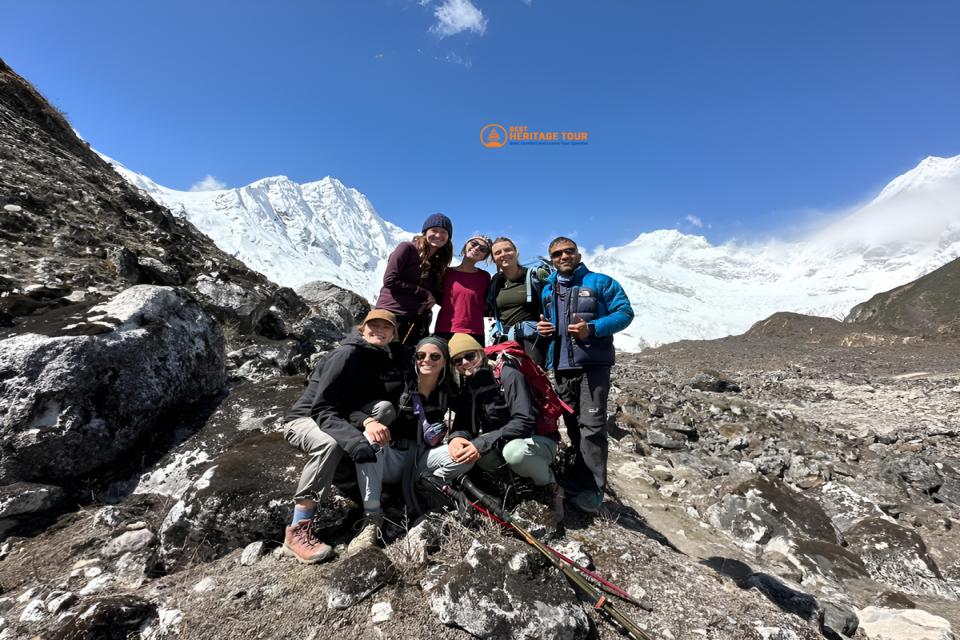
Higher Alpine Zones (Above 4,000 meters): While winter temperatures can easily plummet past -15°C, mid-spring sees daytime alpine temperatures hover between 5°C to 12°C (41°F to 54°F). Nighttime temperatures can still dip below freezing (around 0°C to -10°C), but this is entirely manageable with proper layering and the cozy hospitality of local teahouses.
Stable Atmospheric Conditions and Clear Horizons
One of the greatest advantages of a spring trek is weather predictability. Unlike the summer monsoon season, which brings heavy downpours, obscured peaks, and slippery trails, March and April are characterized by low precipitation.
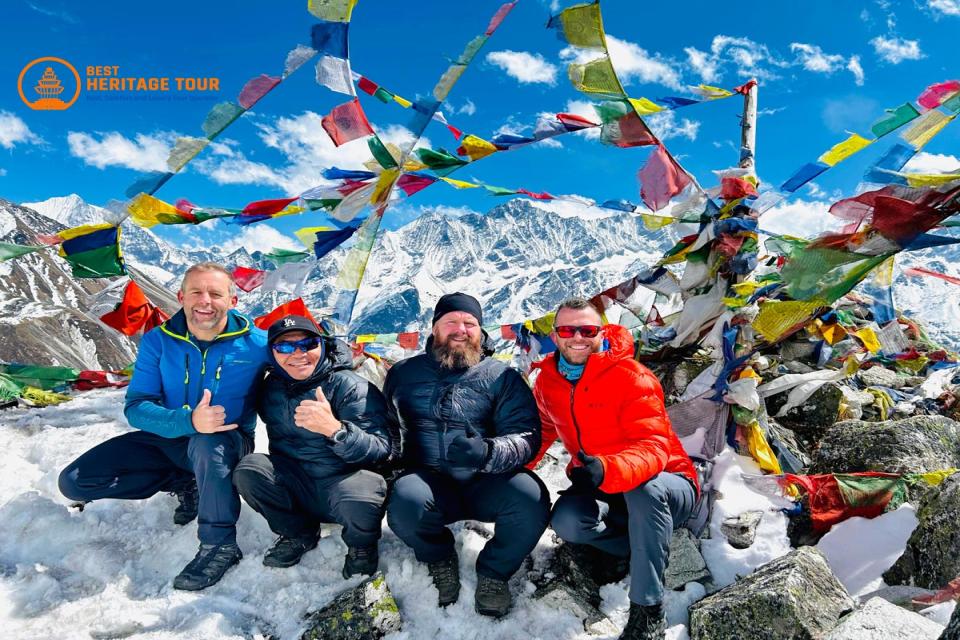
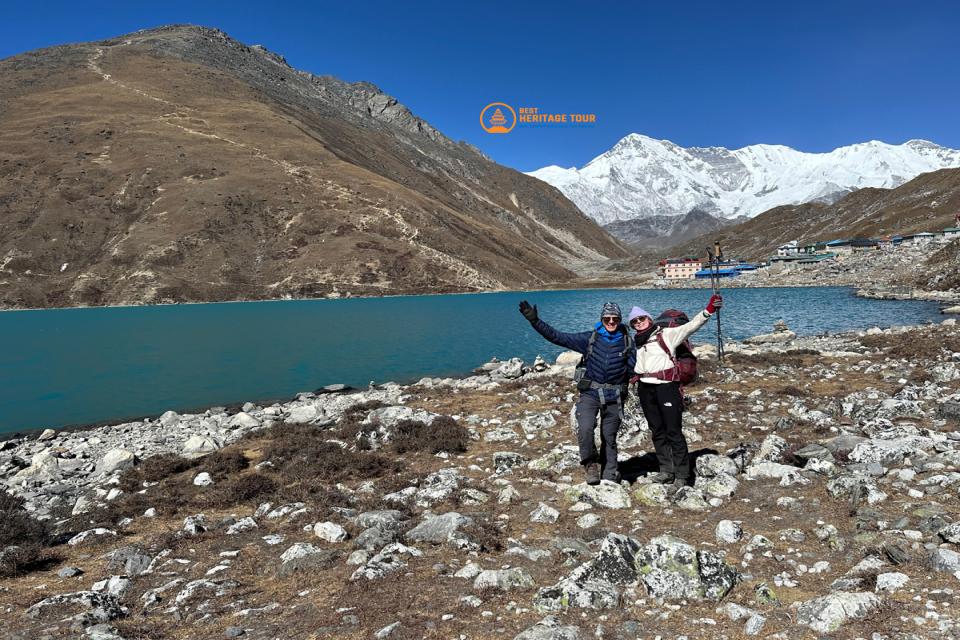
Our local guides always emphasize a key strategy for spring: start the trekking day early. The mornings during these months consistently offer crisp, unclouded skies, providing jaw-dropping, unobstructed views of iconic peaks like Mount Everest (8,848.86 m), Ama Dablam (6,812 m), and Machhapuchhre (6,993 m). While afternoon clouds may periodically gather as thermal air rises from the valleys, the steady, sun-drenched mornings ensure your safety and guarantee phenomenal photography opportunities.
Walking Through a Canvas: The Rhododendron Boom
If the stable weather makes spring a practical choice, the flora makes it a magical one. March and April host one of the planet's greatest natural spectacles: the blooming of the Lali Gurans (Giant Rhododendron), the national flower of Nepal.
During these months, entire sub-alpine valleys transform into a vibrant sea of crimson, pink, white, and orchid-purple. Rather than merely walking past these flowers, many of our routes guide you directly through towering old-growth rhododendron forests where the canopy arches over fifty feet above your head.
Where to Witness the Spring Blooms:
-
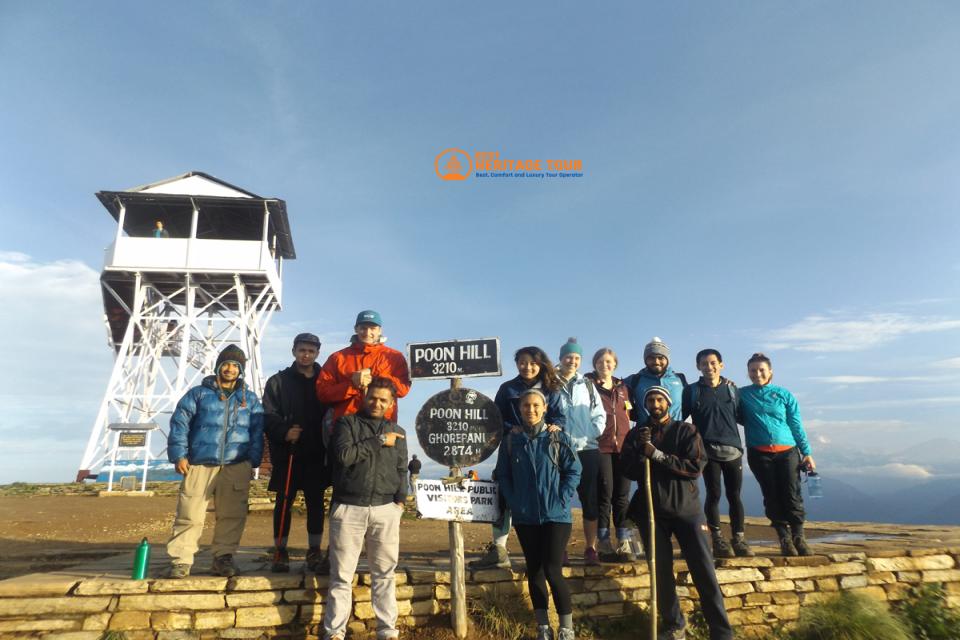
The Ghorepani Poon Hill Trail: Home to what is widely considered the largest contiguous rhododendron forest on Earth. Walking from Ulleri to Tadapani in April feels like stepping directly into a surreal, living painting framed by the snow-capped walls of Dhaulagiri and Annapurna South.
-
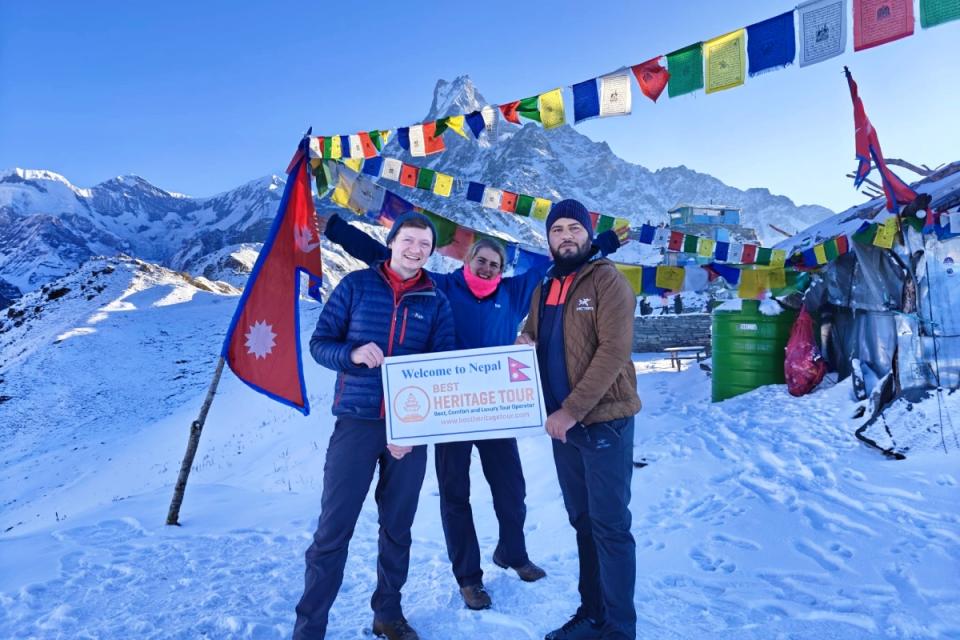
The Mardi Himal Ridge: For travelers seeking a quieter, more intimate journey, the ridge trail between Forest Camp and Low Camp turns into an enchanting path through glowing pink clouds of blossoms.
-
The Langtang Valley Corridors: As you trek alongside the Langtang River, the lower valley forests burst into deep scarlet hues, gradually transitioning to soft creams and whites as you ascend toward the glacial landscapes of Kyanjin Gompa.
Top Himalayan Trails to Conquer in March & April
Because the winter snows have melted and the high-altitude passes are clear, the entire country opens up to exploration. At Best Heritage Tour, we strategically match our clients to trails that peak during this specific window.
The Iconic Everest Base Camp (EBC) Trek
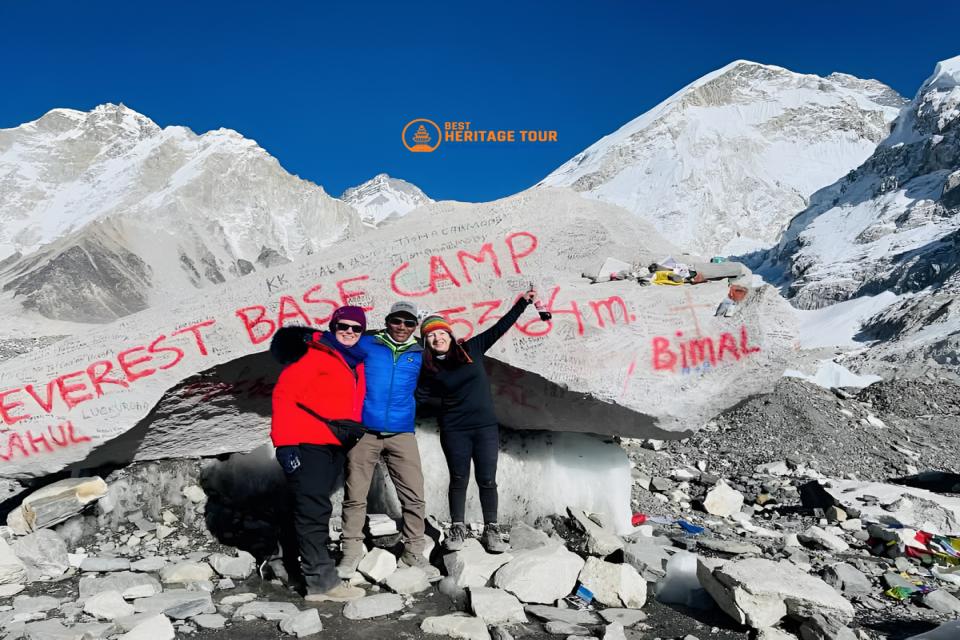
Spring is an electrifying time to be in the Khumbu region. March and April mark the absolute peak of the Everest climbing season. As you walk the path from Lukla through Namche Bazaar, you share the trails with international expeditions, elite Sherpa climbers, and yak caravans. Reaching Everest Base Camp (5,364 m) during these months allows you to experience a bustling alpine village of yellow tents pitched directly on the Khumbu Icefall - an atmosphere of pure adventure that does not exist at any other time of year.
The Diverse Annapurna Circuit and Base Camp
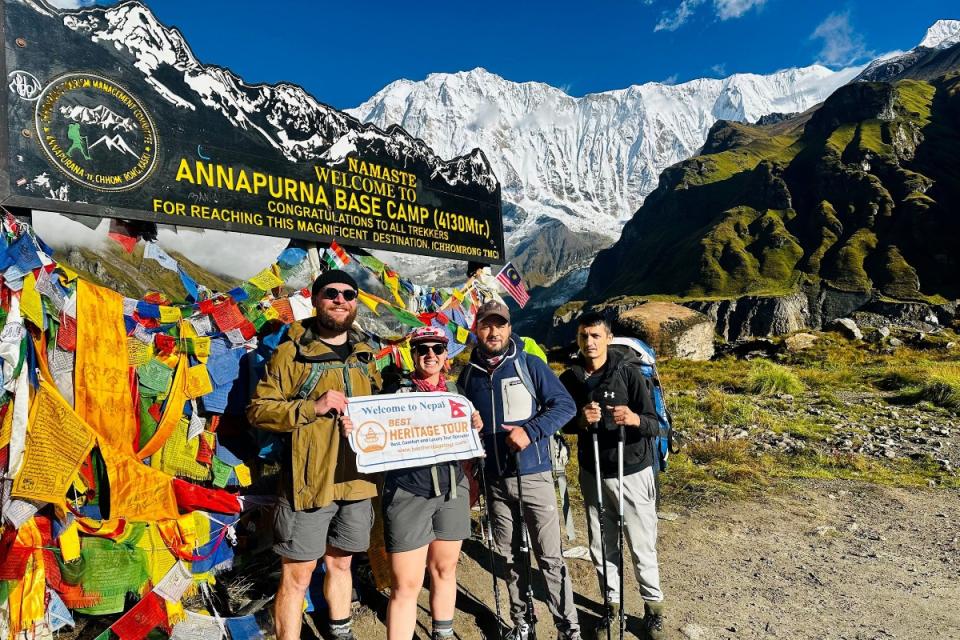
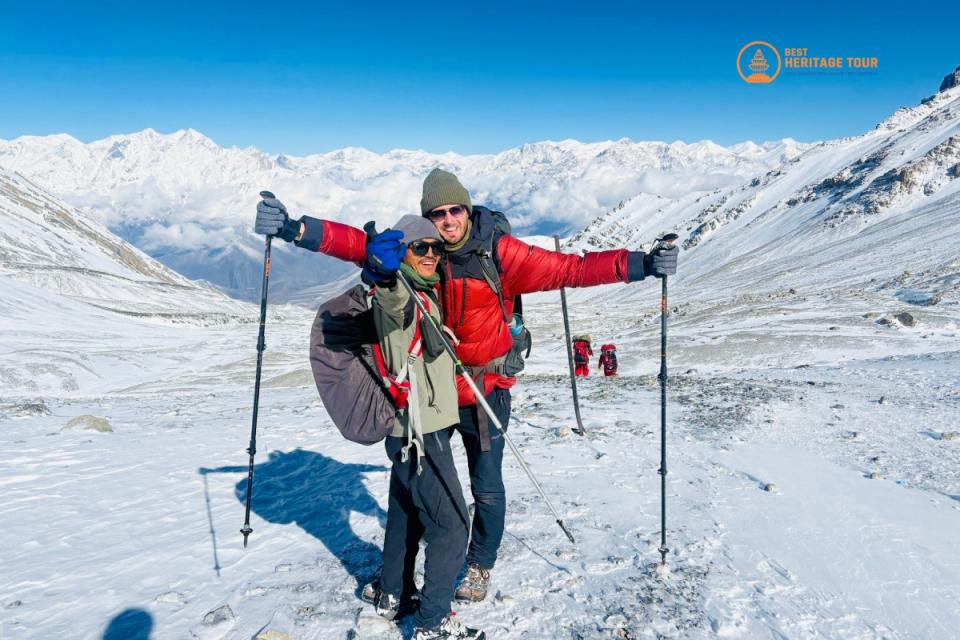
For those looking for dramatic landscape shifts, the Annapurna region is flawless in spring. The legendary Thorong La Pass (5,416 m) is typically dry and safe to cross by late March. For a shorter, high-reward journey, the Mardi Himal Trek or the Annapurna Base Camp (ABC) trek offers pristine, close-up amphitheater views of the mountains, surrounded by lush green terraced fields and vibrant forests.
Langtang Valley: The Resilient Gem
Located just a day’s drive north of Kathmandu, the Langtang Valley Trek combines dramatic glacial topography with rich cultural immersion. The trail winds through Langtang National Park, showcasing an abundance of spring wildlife - including grazing Himalayan tahrs and the vibrant Danphe (Himalayan Monal) - before opening up to wide, sun-drenched yak pastures and traditional Tamang villages.
Rich Cultural Tapestry: Spring Festivals and Local Life
Trekking in Nepal is never just about the physical landscape; it is equally about the deep connection with the communities who call these mountains home. March and April bring an array of vibrant cultural celebrations that add an unforgettable layer to your journey.
Celebrating Holi: The Festival of Colors
If your trip falls in March, you may have the unique opportunity to celebrate Holi in Kathmandu or Pokhara before heading out to the trailhead. This joyful festival celebrates the arrival of spring and the triumph of good over evil. The streets fill with laughter, music, and the playful throwing of colored powders - a sensory-rich welcome to the country.
Welcoming Navavarsha: The Nepali New Year
Mid-April marks Navavarsha (the official Nepali New Year on the Bikram Sambat calendar). In regions like Bhaktapur and Kathmandu, historic celebrations like the Bisket Jatra take place, featuring massive chariot processions and traditional music. Out on the trekking trails, local communities welcome the New Year with festive feasts and open hospitality, offering an exceptional window into traditional Himalayan heritage.
Conclusion
March and April offer a brief, spectacular window where the weather, the natural landscape, and local cultural life align perfectly to showcase Nepal at its absolute best. Walking beneath towering, snow-capped massifs while surrounded by a blooming wilderness is an experience that stays with you for a lifetime.
At Best Heritage Tour, we handle all the logistical details - from custom, safety-first acclimatization itineraries and permit coordination to providing certified local guides and premium transport. This allows you to fully immerse yourself in the magic of the Himalayas with total peace of mind.
Are you ready to turn your dream of trekking in Nepal into reality? Get in touch with our team today to design your personalized spring itinerary.
Contact Best Heritage Tour
Phone / WhatsApp / Viber: +977-9851149197 / +977-9810043046
Email: info@bestheritagetour.com / bestheritagetour@gmail.com
Website: www.bestheritagetour.com
Office: Thamel Marg, Kathmandu, Nepal
Frequently Asked Questions (FAQs)
Is March or April better for trekking in Nepal?
Both months are exceptional, but they offer slight differences. March features crisper, cooler air, fewer crowds, and snow-capped lower ridges. April is slightly warmer, making it highly optimal for crossing demanding high-altitude passes like Thorong La or Cho La. April is also the absolute peak window for experiencing the full, vibrant bloom of the rhododendron forests.
Will I encounter heavy snow on the trails during March & April?
By mid-March, the heavy accumulation of winter snow has generally melted across primary trekking trails. While you will still find deep snow packs and glacial ice at high-altitude base camps and passes above 5,000 meters, the standard paths are clear, stable, and completely safe for walking.
Do I need an experienced guide to trek in spring season?
Yes. Navigating high-altitude environments requires constant health monitoring, route management, and seamless logistics. A registered local guide handles critical permit acquisitions (such as TIMS cards and National Park permits), arranges the best available teahouse accommodations during the busy spring season, and ensures your safety through proper, paced acclimatization.
Author: Best Heritage Tour
Date: 8th July, 2026