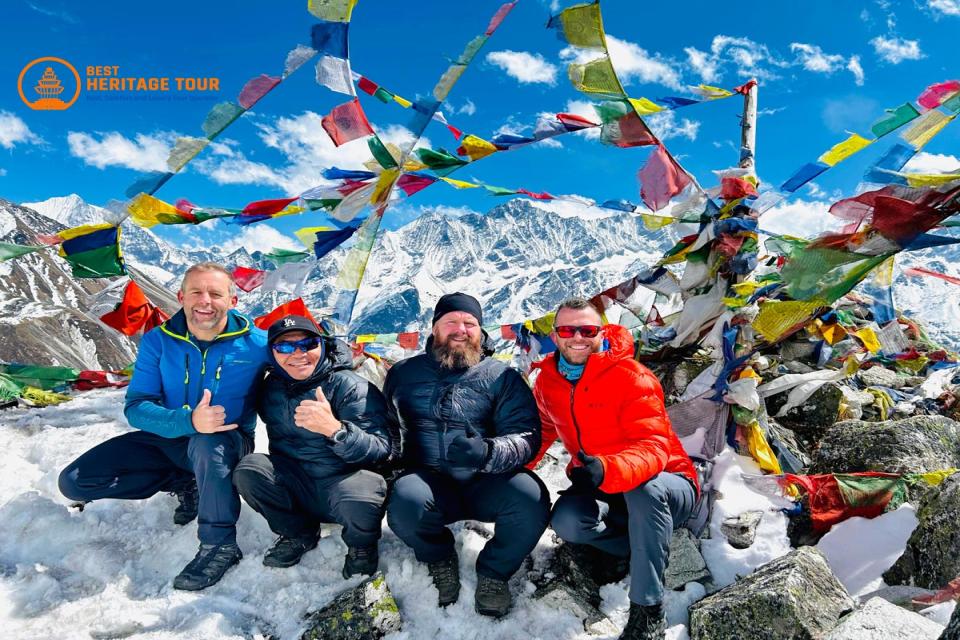
If you ask a seasoned trekker in Kathmandu where to find the "soul" of the Himalayas without the frantic crowds of Everest or the commercial hum of Annapurna, they will almost always point north. To the Langtang Valley.
Often called the "Valley of Glaciers," Langtang is a place where the mountains don’t just loom in the distance; they wrap around you like a heavy wool blanket. In 2026, as travelers seek more "quiet" and "authentic" alternatives to the major commercial circuits, the Langtang Valley Trek has emerged as the ultimate choice.
But why 2026 specifically? And what makes this trek more than just a "short hike near Kathmandu"? Let’s dive into the mist, the rhododendrons, and the resilience of this incredible region.
1. The "Sweet Spot" of Himalayan Accessibility
One of the most practical reasons to choose the Langtang Valley Trek in 2026 is the sheer ease of logistics.
Unlike the Everest region, where your entire adventure depends on the temperamental weather of Lukla Airport, Langtang starts with a drive. A scenic, 7-to-8-hour journey from Kathmandu takes you through the winding hills of the Trishuli River to Syabrubesi.
In an era where international travelers are increasingly conscious of flight delays and "buffer days," Langtang offers a reliable itinerary. You can be in the heart of the high Himalayas within 48 hours of landing in Nepal. For the time-conscious professional or the traveler on a budget, this accessibility is unbeatable.
2. A Region of Incredible Resilience (A Decade Later)
By 2026, the Langtang Valley stands as a testament to the indomitable spirit of the Tamang people. Eleven years after the devastating 2015 earthquake, the valley hasn't just "recovered" - it has evolved.
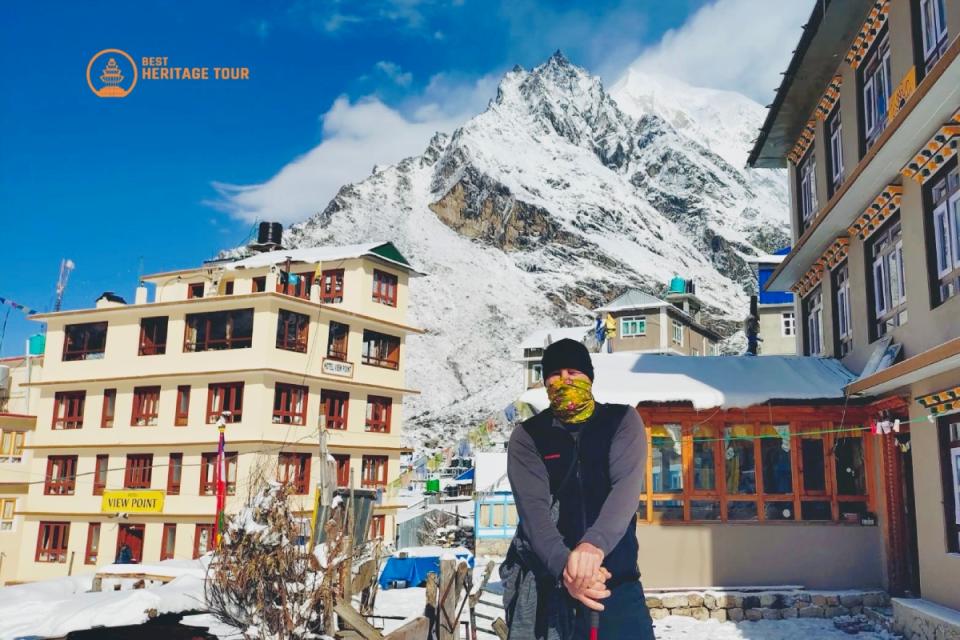
The new tea houses are sturdier, many equipped with modern amenities like solar-powered showers and even reliable Wi-Fi, yet the hospitality remains as ancient as the peaks themselves. Walking through the "New Langtang Village" is a moving experience; it is a living museum of hope where you can see how a community rebuilt their heritage from the ground up.
3. The "Hidden" Highlights You Won't Find in Most Guidebooks
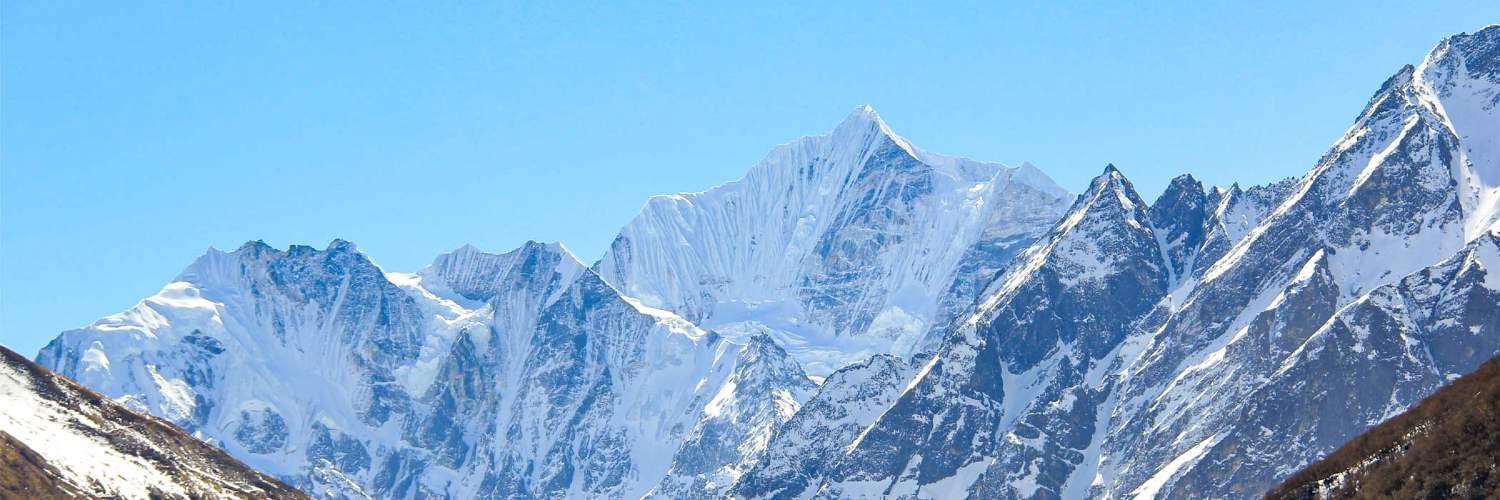
Most blogs will tell you about the views of Langtang Lirung (7,227m). While spectacular, the true magic lies in the details that most trekkers walk right past.
The Secret of Langshisha Kharka
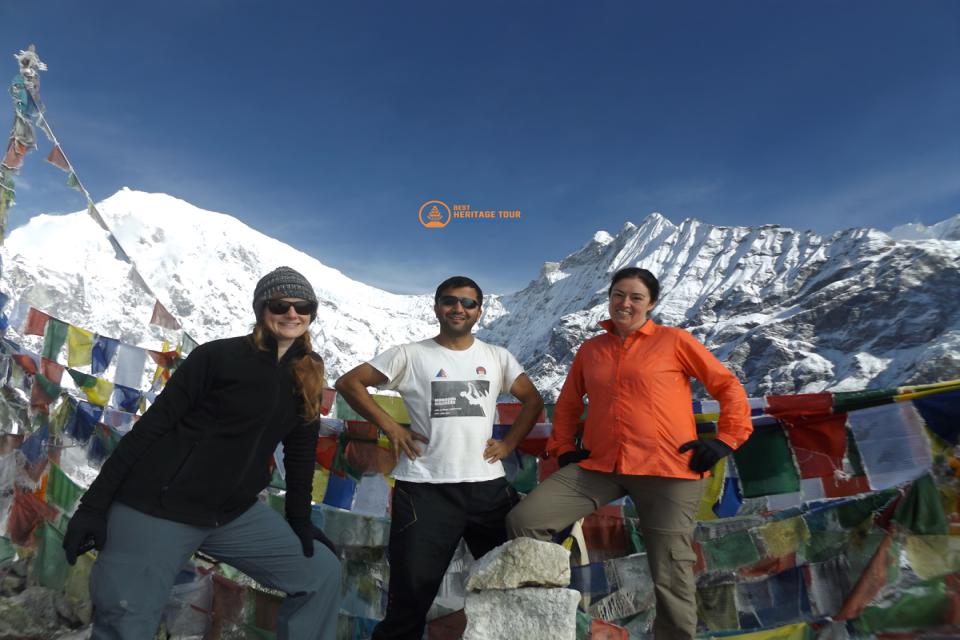
While Kyanjin Gompa (3,870m) is the standard turnaround point, 2026 travelers should look further. A side trip to Langshisha Kharka (4,165m) takes you into a wild, wide-open pasture where the peaks of Dorje Lakpa and Gangchenpo feel close enough to touch. It is a place of profound silence, frequented more by yaks than tourists.
The "Spiritual High" of Kyanjin Ri vs. Tserko Ri
Most trekkers debate which viewpoint to climb.
-
Kyanjin Ri (4,773m): Perfect for a lower-effort, high-reward panoramic view of the icefall.
-
Tserko Ri (4,984m): For the 2026 adventurer, this is the gold standard. It’s a challenging 6-to-7-hour round trip, but standing at nearly 5,000 meters with a 360-degree view of the Tibetan peaks is an experience that stays in your marrow.
The World’s Best Post-Trek Snack
In Kyanjin Gompa, you’ll find a legendary local Yak Cheese Factory. In 2026, the production is still artisanal. There is nothing - absolutely nothing - like the taste of freshly cut yak cheese paired with a warm slice of "Himalayan Apple Pie" after a day of thin-air hiking.
4. Why 2026 is the Year for "Slow Travel"
The travel industry in 2026 is shifting away from "peak bagging" and toward "connection." Langtang is the capital of connection. Because the trail is narrower and the villages are smaller, you aren't just another face in a crowd. You are a guest.
The Tamang Heritage influence is everywhere - from the Mani walls (prayer stones) you must always pass on the left to the intricate wood carvings on the windows of Lama Hotel. Choosing Langtang means choosing to learn about the "Bon" influence on Tibetan Buddhism and seeing how the local culture thrives in one of the most rugged environments on earth.
5. Wildlife Encounters: The Red Panda Quest
Langtang National Park was Nepal’s first Himalayan national park, and its biodiversity is staggering. While the Red Panda is famously elusive, the quieter trails of 2026 (compared to the crowded Annapurna paths) increase your chances of a sighting. Even if the "fire cat" stays hidden, you are almost guaranteed to see Himalayan Tahr grazing on vertical cliffs and the colorful Danphe (Nepal's national bird) darting through the rhododendron forests.
Comparison: Langtang vs. The Big Two
|
Feature |
Langtang Valley |
Everest Base Camp |
Annapurna Circuit |
|---|---|---|---|
|
Duration |
7-9 Days |
12-14 Days |
12-18 Days |
|
Access |
Road (Jeep/Bus) |
Flight (Lukla) |
Road/Flight |
|
Crowd Level |
Moderate/Quiet |
High |
High |
|
Max Altitude |
4,984m (Tserko Ri) |
5,545m (Kala Patthar) |
5,416m (Thorong La) |
|
Best For |
Culture & Solitude |
Iconic Status |
Landscape Variety |
Planning Your 2026 Trek: Best Times to Visit
To get the most out of your 2026 journey, timing is everything.
-
Spring (March to May): This is the season of the Rhododendron. The entire forest between Bamboo and Ghodatabela turns into a riot of red, pink, and white. The weather is stable, and the mountain views are crisp.
-
Autumn (September to November): The "golden season." After the monsoon rains wash the dust from the air, the visibility is at its absolute peak. This is the best time for photographers wanting to capture the sharp edges of the glaciers.
-
Winter (December to February): For the truly adventurous. It is cold, yes, but the sky is a deep, piercing blue, and you might have the entire Kyanjin Gompa to yourself.
Essential Tips for the 2026 Trekker
-
Hydration is Key: The Langtang Valley climbs steadily. Even though it's "moderate," the altitude is real. Drink 4 liters of water a day - the glacial melt is pure, but always use purification tablets or a filter.
-
Support Local Guides: In 2026, trekking with a licensed guide isn't just a safety recommendation; it’s a way to ensure your tourism dollars go directly into the pockets of the community that maintains these trails.
-
Pack for Four Seasons: You might start in a T-shirt in Syabrubesi (1,500m) and need a heavy down jacket by the time you reach Langtang Village (3,400m). Layering is your best friend.
Conclusion
The Langtang Valley Trek isn't just a journey through a landscape; it's a journey through a story of survival, spirituality, and spectacular natural beauty. In 2026, while the rest of the world rushes to the "famous" spots, the wise traveler looks toward the valley that offers more heart per mile than any other trail in Nepal.
Whether you are a solo traveler seeking peace, a couple looking for a romantic Himalayan backdrop, or a family wanting a safe yet adventurous introduction to trekking, Langtang is waiting.
Ready to Experience the Magic of Langtang?
At Best Heritage Tour, we don’t just "organize trips" - we share our home. Our guides are local experts who grew up in the shadow of these peaks, ensuring your trek is safe, culturally immersive, and unforgettable.
Book your 2026 Langtang Valley Adventure with us today!
Phone / WhatsApp / Viber: +977-9851149197 / +977-9810043046
Email: info@bestheritagetour.com / bestheritagetour@gmail.com
Website: www.bestheritagetour.com
Office: Thamel Marg, Kathmandu, Nepal
Author: Best Heritage Tour
Date: 23rd February, 2026