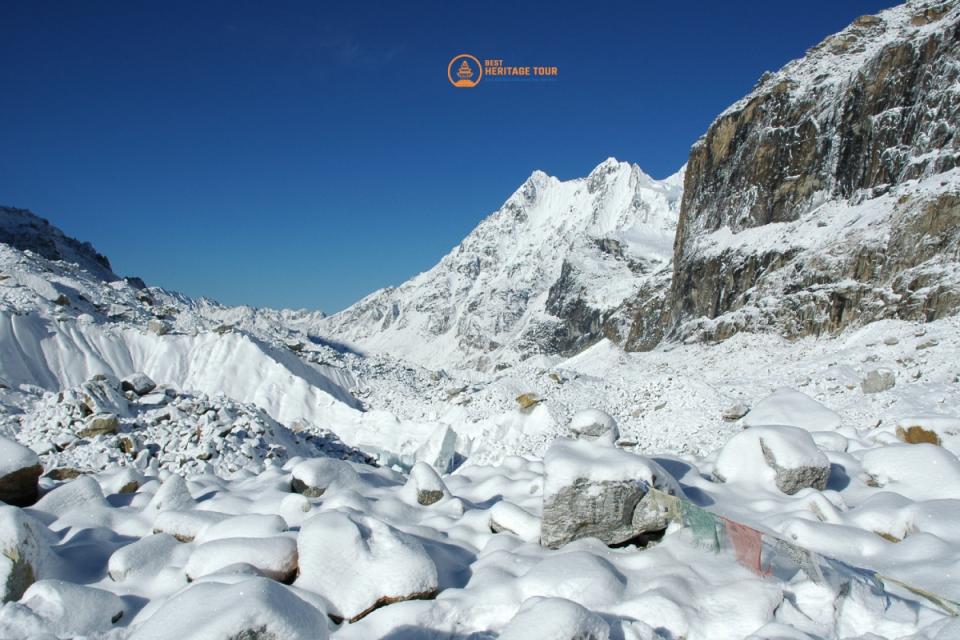
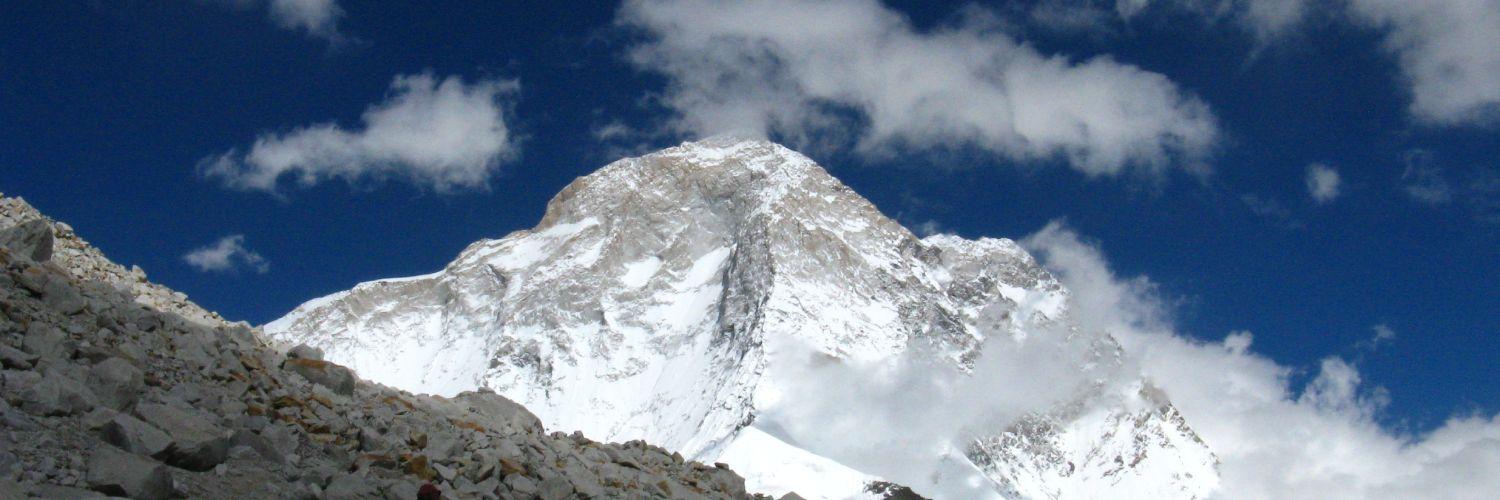
Imagine a trail that doesn’t just lead to a base camp or a single summit, but traverses the entire length of the highest mountain range on Earth. At Best Heritage Tour, we often tell our guests that if Everest is the crown of the world, then The Great Himalayan Trek (GHT) is the diamond-studded necklace draped across the neck of the Himalayas.
For those who find the popular trails a bit too "crowded" and for the off-the-beaten-trail lovers who crave the raw, unfiltered wilderness of the Himalayas, the GHT is the ultimate pilgrimage. It is not just a hike; it is a life-changing odyssey through 1,700 kilometers of Nepal’s most rugged, beautiful, and culturally diverse landscapes.
In this comprehensive guide, we will break down everything you need to know about The Great Himalayan Trek Nepal, its duration, the routes, and why it remains the "Holy Grail" for adventure trekkers worldwide.
Understanding the Concept: What Exactly is the Great Himalayan Trek?
The Great Himalayan Trek (often called the Great Himalaya Trail or GHT) is a network of trails that form one of the longest and highest trekking routes in the world. While the concept eventually aims to span the entire Himalayan range across Bhutan, India, Pakistan, and Tibet, the Nepal section is the most developed and iconic.
The trail runs from the eastern border of Nepal (near Kanchenjunga) all the way to the western border (Humla and Darchula). Along the way, it passes through the shadows of all eight of Nepal’s 8,000-meter peaks.
At Best Heritage Tour, we categorize the GHT into two distinct paths:
-
The High Route (The Extreme Adventure): This path stays as high as possible, often crossing passes above 6,000 meters. It requires mountaineering skills, camping gear, and a high level of physical fitness.
-
The Low Route (The Cultural Journey): Also known as the "Cultural Route," this path winds through the mid-hills (Pahar), visiting remote villages, ancient monasteries, and lush forests. It is generally lower in altitude (averaging 2,000m) but offers a deeper dive into the soul of rural Nepal.
Great Himalayan Trek Duration: How Long Does It Take?
One of the most frequent questions we receive at Best Heritage Tour is about the Great Himalayan Trek duration. To be blunt: this is not a trek you finish in a fortnight.
-
The Full Traverse: Completing the entire 1,700km Nepal section typically takes between 120 to 150 days.
-
Sectional Trekking: Most of our clients at Best Heritage Tour choose to hike the GHT in sections. Nepal’s portion is divided into 10 distinct regions, each taking anywhere from 15 to 30 days.
|
Section |
Estimated Duration |
Highest Point |
Difficulty |
|---|---|---|---|
|
Kanchenjunga |
20-25 Days |
5,143m |
Strenuous |
|
Makalu Barun |
18-22 Days |
6,135m (Sherpani Col) |
Technical/Extreme |
|
Everest & Rolwaling |
25-30 Days |
5,755m (Tashi Labsta) |
Strenuous |
|
Langtang & Helambu |
12-15 Days |
4,610m |
Moderate |
|
Manaslu & Ganesh |
18-20 Days |
5,160m (Larke La) |
Strenuous |
|
Annapurna & Mustang |
20-25 Days |
5,416m (Thorong La) |
Moderate/Challenging |
|
Dolpo (Upper & Lower) |
25-30 Days |
5,350m |
Strenuous |
|
Rara & Jumla |
10-14 Days |
3,450m |
Moderate |
|
Humla / Far West |
15-20 Days |
4,990m |
Challenging |
The 10 Essential Sections of the Great Himalayan Trek Nepal
To truly understand the GHT, you have to look at it as a collection of unique worlds. Here is a breakdown of the regions we cover:
1. Kanchenjunga: The Far Eastern Frontier
The journey begins at the base of the world's third-highest peak. This region is home to the Limbu and Rai cultures. It is wild, wet, and incredibly lush, filled with rhododendron forests that bloom in vibrant reds and pinks during the spring.
2. Makalu Barun: Into the Barun Valley
This is perhaps the most remote section. The Barun Valley is a "living laboratory" for scientists, home to rare orchids and red pandas. For the adventure trekkers, crossing the Sherpani Col (6,135m) is the ultimate test of grit.
3. Everest and Rolwaling: The Roof of the World
Most know the Everest Base Camp trek, but the GHT takes you further. We navigate the high passes like Cho La and Renjo La, and for the truly brave, the Tashi Labsta pass into the Rolwaling Valley - a place where legends of the Yeti still whisper in the wind.
4. Langtang & Helambu: The Valley of Glaciers
Close to Kathmandu but worlds away in spirit. This section offers a mix of Tamang culture and stunning glacial views. It’s an ideal section for those who want a taste of the GHT without the 150-day commitment.
5. Manaslu & Ganesh Himal: The Spiritual Heart
Walking around the "Mountain of the Spirit" (Manaslu) offers a glimpse into ancient Tibetan Buddhist traditions. The Tsum Valley, known as the "Hidden Valley of Happiness," is a highlight here, where polyandry is still practiced and ancient monasteries cling to cliffs.
6. Annapurna & Mustang: The Forbidden Kingdom
The GHT cuts through the classic Annapurna Circuit but veers north into Upper Mustang. Here, the landscape changes from green forests to a high-altitude desert reminiscent of the Tibetan Plateau, complete with "Sky Caves" and the walled city of Lo Manthang.
7. Dolpo: The Land of the Snow Leopard
Dolpo is where time stands still. Remote, arid, and incredibly beautiful, this region was made famous by the book The Snow Leopard. Trekkers here witness the turquoise waters of Phoksundo Lake and cross high, wind-swept passes.
8. Rara & Jumla: The Blue Gem
Rara Lake is the largest lake in Nepal, a shimmering blue mirror surrounded by pine forests. The trek through Jumla is a journey into the ancient Khas kingdom, offering a softer, more meditative experience compared to the high passes of the east.
9. Humla and the Far West: The Final Frontier
The GHT concludes (or begins) in the Far West. Humla is the gateway to Mount Kailash and remains one of the least visited parts of Nepal. It is the definition of off-the-beaten-trail.
Why Take the Great Himalayan Trek with Best Heritage Tour?
Trekking the GHT is not like a standard trek to Poon Hill. It requires complex logistics, multiple permits (some very restricted), and a team that understands the nuances of high-altitude safety.
-
Expert Local Guides: Our guides at Best Heritage Tour aren't just trail-finders; they are storytellers and safety officers. With over 15 years of experience in regions like Dolpo and Makalu, we ensure you aren't just walking, but connecting with the land.
-
Customized Itineraries: We know that very few people have 5 months to spare. We specialize in "Sectional GHT" planning, helping you choose the part of the trail that fits your fitness level and interest.
-
Sustainable & Ethical Travel: As a heritage-focused company, we prioritize the communities we visit. We ensure our porters are treated fairly and that our presence supports local tea houses and artisans.
Preparation: What You Need to Know
The Great Himalayan Trek Nepal is demanding. Here is a quick checklist for the aspiring GHT trekker:
-
Physical Fitness: You should be comfortable walking 6-8 hours a day for multiple weeks. For the High Route, basic mountaineering skills (using crampons and ice axes) are necessary.
-
Permits: You will need a variety of permits, including TIMS, National Park entries, and Restricted Area Permits (RAP) for places like Upper Mustang and Dolpo. Best Heritage Tour handles all this bureaucracy for you.
-
Gear: Quality matters. From -20°C sleeping bags to broken-in trekking boots, your gear is your lifeline.
-
Mental Resilience: The Himalayas are unpredictable. Weather changes, flights get delayed, and trails can be washed out. A flexible "Himalayan heart" is your best asset.
Conclusion
The Great Himalayan Trek Nepal is more than just a destination; it is a testament to human endurance and the timeless beauty of the mountains. Whether you choose to walk the entire length or explore a single hidden valley, the GHT promises an encounter with the sublime.
At Best Heritage Tour, we don't just sell packages; we share our home. We invite you to step off the map and into the extraordinary. Are you ready to see what lies beyond the next pass?
Ready to Plan Your Great Himalayan Odyssey?
If the call of the high mountains is ringing in your ears, let’s start the conversation. From permit logistics to selecting the best season for your journey, our experts are here to help.
Contact Best Heritage Tour:
Phone / WhatsApp / Viber: +977-9851149197 / +977-9810043046
Email: info@bestheritagetour.com / bestheritagetour@gmail.com
Website: www.bestheritagetour.com
Office: Thamel Marg, Kathmandu, Nepal
Author: Best Heritage Tour
Date: 10th April, 2026