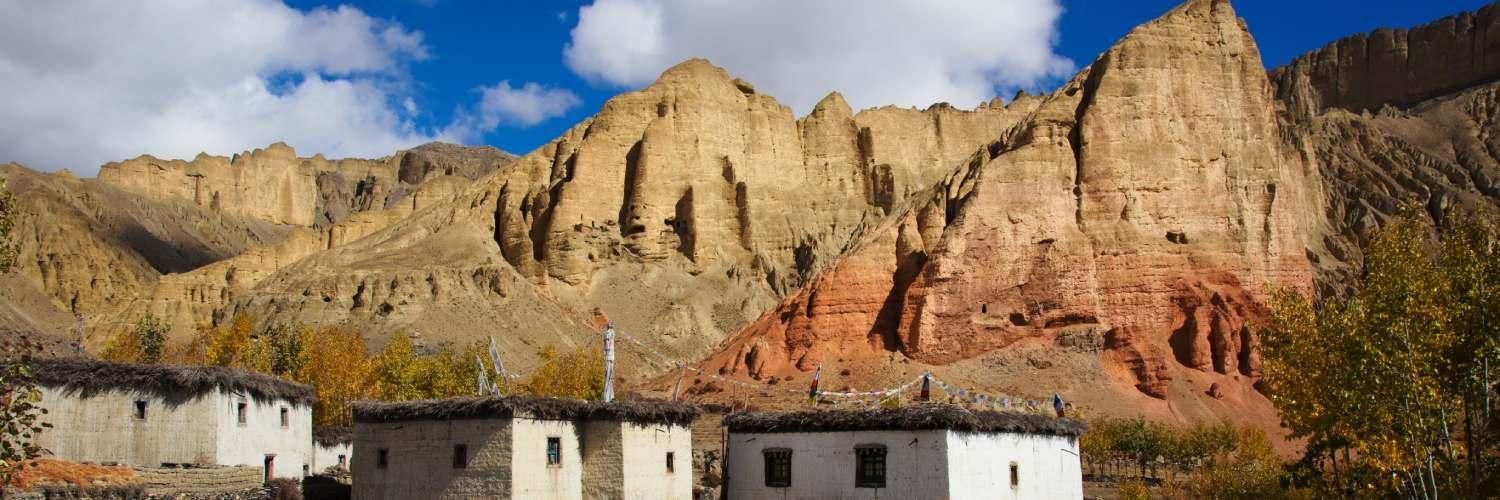
There is a place in the Himalayas where the clock stopped centuries ago, where ancient Tibetan culture flourishes, and where the desert landscape is punctuated by red cliff dwellings and walled cities. This is Upper Mustang, the legendary 'Kingdom of Lo.'
For decades, its rugged beauty and cultural isolation were protected by a $500 entry fee and strict regulations, making it one of the world's most exclusive treks.
However, in a significant and game-changing update for 2026, the Nepal Government has introduced a flexible new permit system. This change makes the Upper Mustang Trek more accessible and affordable than ever before, especially for those seeking a shorter itinerary.
This definitive guide, written by the local experts at Best Heritage Tour, breaks down everything you need to know: the current $50 daily permit rule, the mandatory requirements (guide, group size), the true cost of the journey, and the cultural treasures of the magnificent walled capital, Lo Manthang.
I. The Critical Logistics: Upper Mustang Trekking Permits (The 2026 Update)
Upper Mustang is officially categorized as a Restricted Area due to its proximity to the Tibetan (Chinese) border and the government's commitment to preserving its unique, ancient culture. This classification means you absolutely cannot trek here independently; the rules are non-negotiable and strictly enforced.
The cornerstone of the 2026 rules is the new, flexible permit structure.
1. The Restricted Area Permit (RAP) - The Core Fee
The RAP is the single most expensive and crucial permit required to travel past Kagbeni and into the Upper Mustang region.
|
Old Rule (Abolished Late 2025) |
New Rule (2026 & Beyond) |
|---|---|
|
Cost: USD $500 (Mandatory lump sum) |
Cost: USD $50 per person, per day |
|
Minimum Stay: 10 days (You paid for 10 days, even if you stayed 3) |
Minimum Stay: No minimum days required |
|
Flexibility: Very Low |
Flexibility: High (You only pay for the days spent inside the restricted zone) |
This change has made Upper Mustang dramatically more affordable for short tours (e.g., a 5-day tour inside the restricted area now costs $250 instead of the previous $500).
2. Mandatory Rules That Remain Unchanged
Even with the flexible daily fee, the strict requirements governing how you visit Upper Mustang are still enforced. These rules are key reasons why booking with a registered agency like Best Heritage Tour is mandatory.
-
Mandatory Licensed Guide: You must be accompanied by a Government-registered, licensed trekking guide for the duration of your travel within the restricted area.
-
Minimum Group Size: Permits are only issued for a minimum of two foreign trekkers (excluding the Nepali staff). Solo trekking is strictly prohibited.
-
Registered Agency Required: Only officially registered Nepali trekking agencies (like Best Heritage Tour) can apply for and receive the Restricted Area Permit (RAP) on your behalf from the Department of Immigration in Kathmandu.
Crucial Tip for Solo Travelers: If you are traveling alone, your agency (Best Heritage Tour) can typically facilitate joining a pre-existing group or pair you with another solo traveler for the sole purpose of meeting the minimum 2-person permit requirement.
3. The Annapurna Conservation Area Permit (ACAP)
Upper Mustang lies within the vast Annapurna Conservation Area (ACA). Therefore, you must also obtain the standard ACAP permit.
-
Purpose: Funds the conservation and community development efforts throughout the Annapurna region.
-
Cost: NPR 3,000 (Approx. USD $30) for foreign nationals.
II. Upper Mustang Trek Cost: A Full Financial Breakdown
The high price of the Upper Mustang Trek, often ranging from USD $1,800 to $3,000+ for a 14-day trip, is directly attributable to the permits, mandatory staffing, and the logistics of a remote, high-altitude journey.
The following table breaks down the three major components of the total cost:
|
Cost Component |
What It Covers |
Daily/Lump Sum Estimate |
|---|---|---|
|
1. Permits |
RAP ($50/day) + ACAP ($30 lump sum) |
Varies based on itinerary (e.g., 10-day Mustang entry = $500) |
|
2. Guide & Porter Fees |
Salaries, insurance, lodging, and food for your Licensed Guide and Porter. |
Guide: USD $30-$40 per day. Porter: USD $20-$30 per day. (Split by group size) |
|
3. Transportation |
Round-trip flights (Pokhara to Jomsom) or Private Jeep /4x4 hire (Pokhara/Jomsom). |
Flights: USD $300-$400 round-trip. Jeep Hire: Varies, but significant for high-quality transport. |
|
4. Food & Accommodation |
Full board (3 meals per day) and teahouse/lodge accommodation throughout the trek. |
USD $40-$70 per person per day (Higher due to remoteness and food transport costs). |
Cost Implications of the New $50 Daily Permit Rule
The new rule makes shorter, specialized tours highly competitive.
|
Trip Length |
Old Permit Cost |
New Permit Cost (2026) |
Saving/Flexibility |
|---|---|---|---|
|
5 Days (Inside RAP Zone) |
$500 |
$250 |
Huge Saving: Ideal for Jeep Tours/Quick Treks |
|
10 Days (Inside RAP Zone) |
$500 |
$500 |
No Change: Same cost, but increased flexibility |
|
14 Days (Inside RAP Zone) |
$700 (500 + 4*50) |
$700 (14*50) |
Slight increase, but itinerary is fully flexible |
Conclusion on Cost: The total price is justified by the mandatory logistical services. When comparing quotes, ensure your agency is covering the mandatory RAP and providing a truly licensed guide and quality logistics, not cutting corners on staff wages or insurance.
III. The Cultural Heart: Lo Manthang and the Mustangi Culture
What makes Mustang worth the high price tag is the unique, preserved culture found nowhere else in Nepal. The region was its own kingdom until 2008 and remains culturally closer to Tibet than to the rest of Nepal.
1. Lo Manthang: The Walled Capital
The ultimate destination is Lo Manthang (3,840m), the ancient walled city and former capital of the Kingdom of Lo.
-
The Royal Palace: Though the royal lineage officially ended, the four-story palace still stands, representing centuries of history.
-
The Monasteries: Lo Manthang hosts three important gompas (monasteries): Thubchen Gompa, Jampa Gompa, and Chode Gompa, featuring incredible 14th-century frescos and mandalas.
-
The Mustang King: Until 2008, the kingdom had its own Raja (King). While he no longer holds political power, the royal family remains a central part of the community's identity.
2. Sky Caves, Chortens, and Desert Architecture
The landscape is as culturally significant as the capital.
-
Sky Caves: Mysterious ancient caves, often used for burial, meditation, or habitation, are carved high into the cliff faces near Chhoser. Their origins still baffle archaeologists.
-
Tsechu and Tiji Festivals: The Tiji Festival (scheduled for May 13-15, 2026) is a spectacular three-day ritual dance celebration held in Lo Manthang, aimed at chasing away demons and bringing peace. Traveling during the Tiji Festival increases the package cost but offers a once-in-a-lifetime cultural immersion.
-
Mani Walls and Chortens: The arid landscape is dotted with ancient, beautifully painted chortens (stupa-like structures) and long mani walls, testament to the deep influence of Tibetan Buddhism.
IV. Planning and Preparation for the Upper Mustang Trek
1. Best Time to Visit (The Mustang Advantage)
Upper Mustang lies in the rain shadow of the Annapurna and Dhaulagiri massifs. This means it receives very little rainfall, making it one of the few regions suitable for trekking during the monsoon season (June to August).
-
Peak Season: April-May (Spring, before monsoon) and September-November (Autumn, after monsoon). These periods offer the best weather and visibility.
-
Monsoon: June-August is an excellent time to trek in Mustang, offering dry trails and clear desert air.
2. Transportation: Jeep Tour vs. Classic Trek
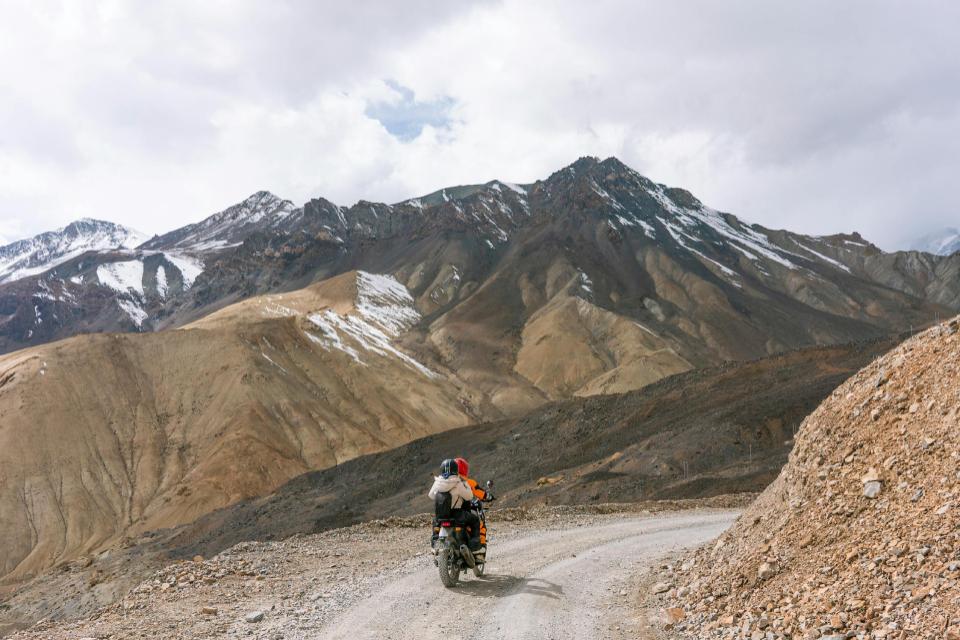
Due to road construction, Upper Mustang now offers two primary ways to explore:
-
The Classic Trek (12-17 Days): Starting with a flight/drive to Jomsom, then trekking into the restricted area. This is the most rewarding for fitness and cultural depth.
-
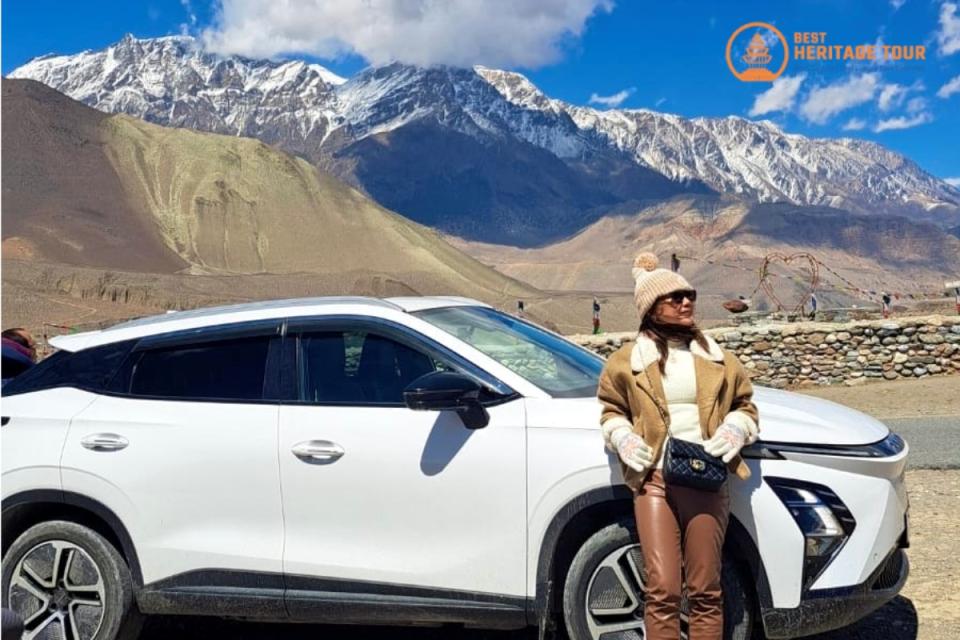
The Jeep Tour (6-10 Days): Utilizing a 4x4 vehicle to cover large distances, making it ideal for the time-constrained or those seeking a shorter cultural trip. The jeep can take you all the way to Lo Manthang.
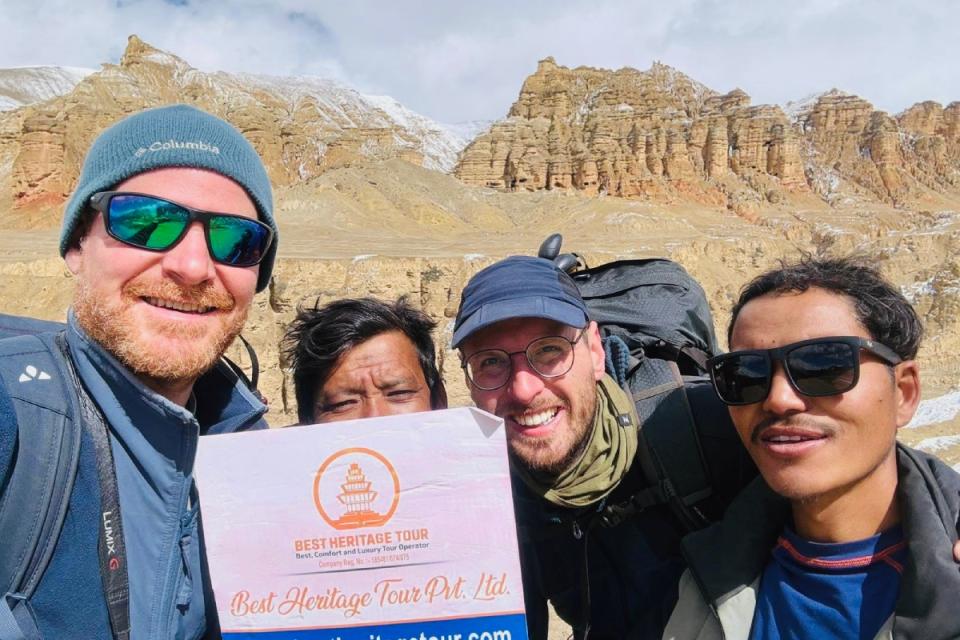
Best Heritage Tour offers expertly guided options for both trekking and jeep tours.
3. Altitude and Safety
The maximum altitude reached is Lo Manthang (3,840m) or slightly higher passes (up to 4,200m). This is considered a moderate altitude and a relatively safe trek compared to Everest or Manaslu.
-
Safety Measure: Altitude sickness is possible but less frequent. Your licensed guide is mandatory and is the primary source of safety, pacing, and emergency response.
-
Logistics: The mandatory group travel and guide rule ensure that communication, teahouse arrangements, and (if necessary) emergency helicopter evacuation are managed instantly by your agency.
Conclusion: Your Gateway to Lo Manthang
Upper Mustang is not just a trek; it is a spiritual journey into a preserved land of myth, color, and ancient wisdom. The region's history, the mandated permit process, and the necessary logistics demand a professional, trusted local partner.
With the new, flexible $50 daily permit fee, there has never been a better time to plan this exceptional adventure.
Best Heritage Tour guarantees full compliance with all Nepali regulations, secures your mandatory Restricted Area Permit (RAP) and ACAP, and provides highly skilled local guides to ensure your safety and cultural experience are unparalleled.
Don't navigate the complex regulations alone. Let us be your official, authorized gateway to the Hidden Kingdom of Mustang.
Ready to step behind the walls of Lo Manthang?
Best Heritage Tour Contact Details:
Phone / WhatsApp / Viber: +977-9851149197 / +977-9810043046
Email: info@bestheritagetour.com / bestheritagetour@gmail.com
Website: www.bestheritagetour.com
Office: Thamel Marg, Kathmandu, Nepal
Author: Best Heritage Tour
Date: 5th December, 2025