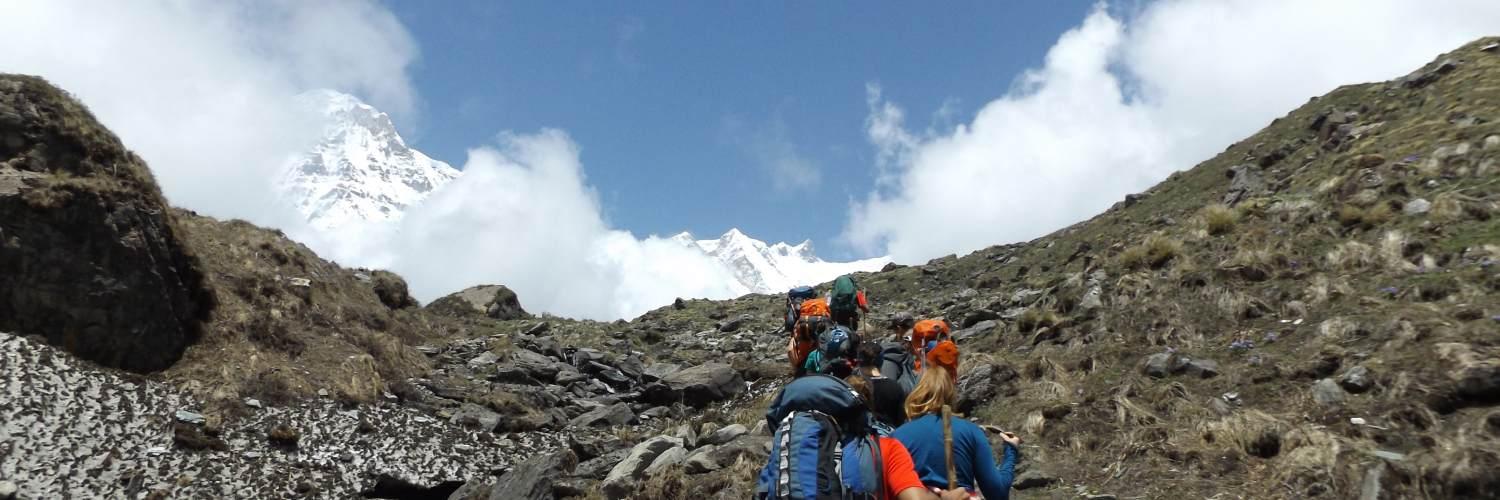
For many, the word "Himalayas" conjures images of grueling ascents, oxygen masks, and extreme mountaineering. While Nepal is indeed home to the world’s highest peaks, the magic of these mountains is not reserved solely for the elite athlete. At Best Heritage Tour, we believe that the serenity of a Himalayan sunrise and the warmth of a mountain teahouse should be accessible to everyone - regardless of age or trekking experience.
If you are a beginner looking for your first taste of high-altitude beauty, or a seasoned traveler seeking a shorter, more relaxed pace, this guide is for you. We have curated the most spectacular easy treks in Nepal with amazing mountain views that deliver maximum reward for moderate effort.
Why Choose an "Easy" Trek in Nepal?
Before we dive into the specific trails, it is important to understand what "easy" means in the context of Nepalese trekking. These routes generally involve:
-
Lower Elevations: Staying mostly below 4,000 meters to minimize the risk of Acute Mountain Sickness (AMS).
-
Developed Infrastructure: Well-marked trails and comfortable teahouse accommodations.
-
Shorter Durations: Most can be completed in 3 to 7 days.
-
Gradual Inclines: While there are always stairs in Nepal, these routes avoid the vertical technical climbs found on more strenuous circuits.
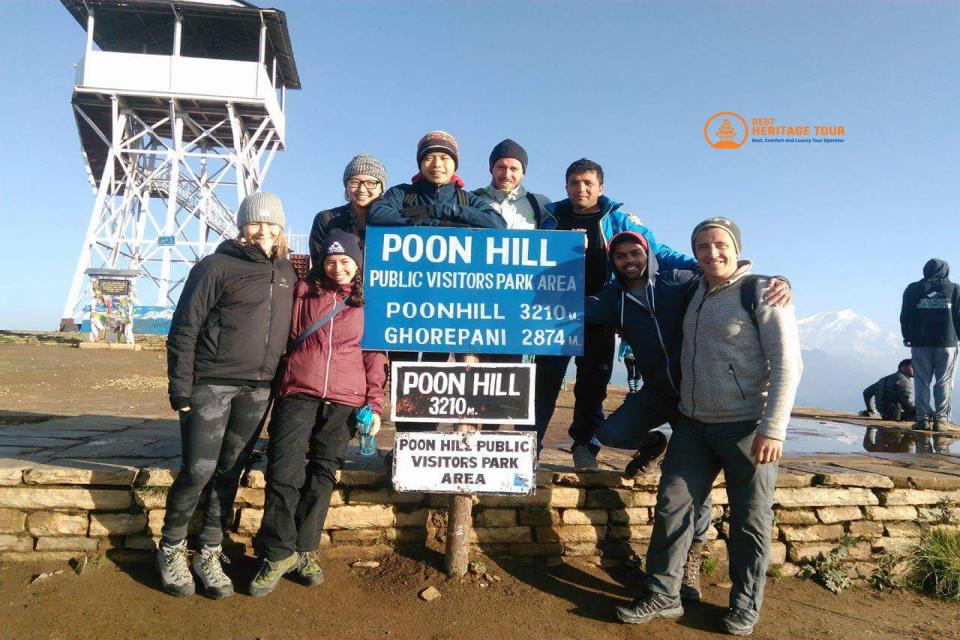
1. Ghorepani Poon Hill Trek: The Classic Himalayan Sunrise
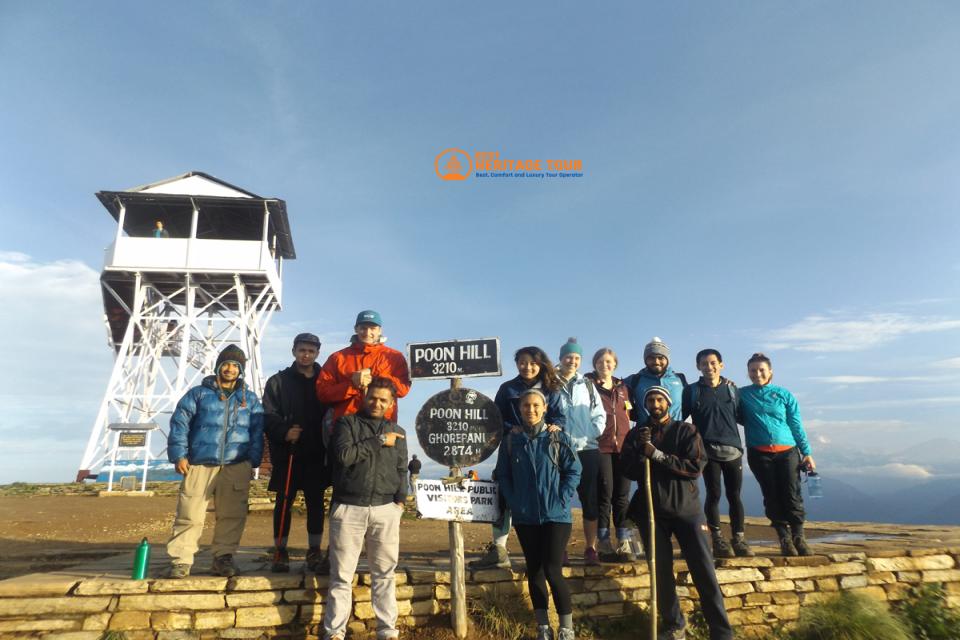
Often referred to as the "Photographer’s Paradise," the Ghorepani Poon Hill trek is arguably the most famous easy trek in the Annapurna region.
The Experience
The journey takes you through ancient rhododendron forests - which burst into shades of crimson and pink during the spring - and charming Gurung villages like Ghandruk. The highlight is a pre-dawn hike to the summit of Poon Hill (3,210m).
The Views
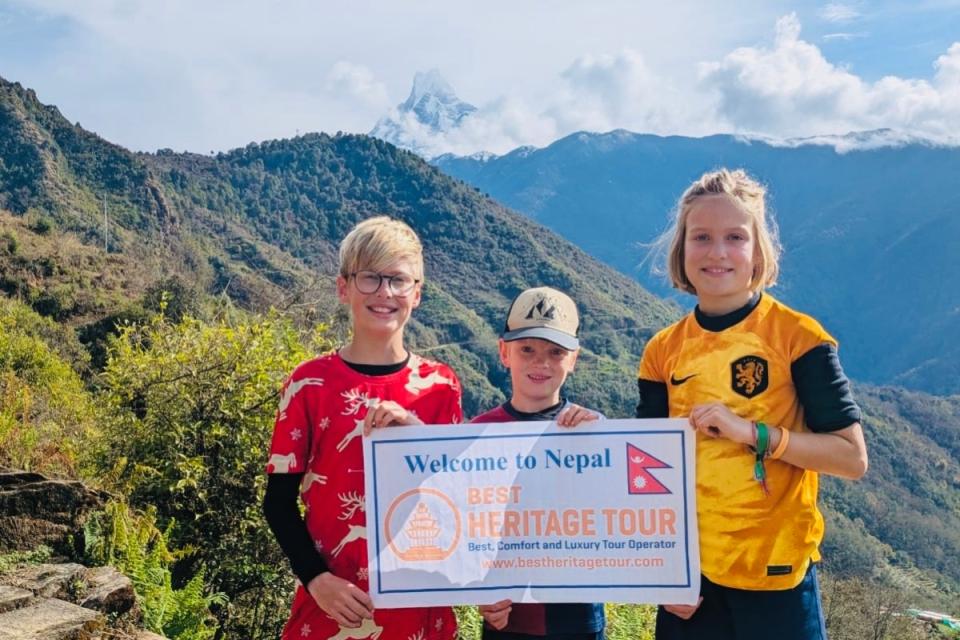
From the top, you are greeted by a breathtaking 360-degree panorama. You’ll see the golden light hit the Dhaulagiri (8,167m) and Annapurna (8,091m) massifs, along with the iconic "Fishtail" peak, Machhapuchhre.
-
Duration: 4-5 Days
-
Maximum Altitude: 3,210m
-
Best For: Families, solo travelers, and sunrise enthusiasts.
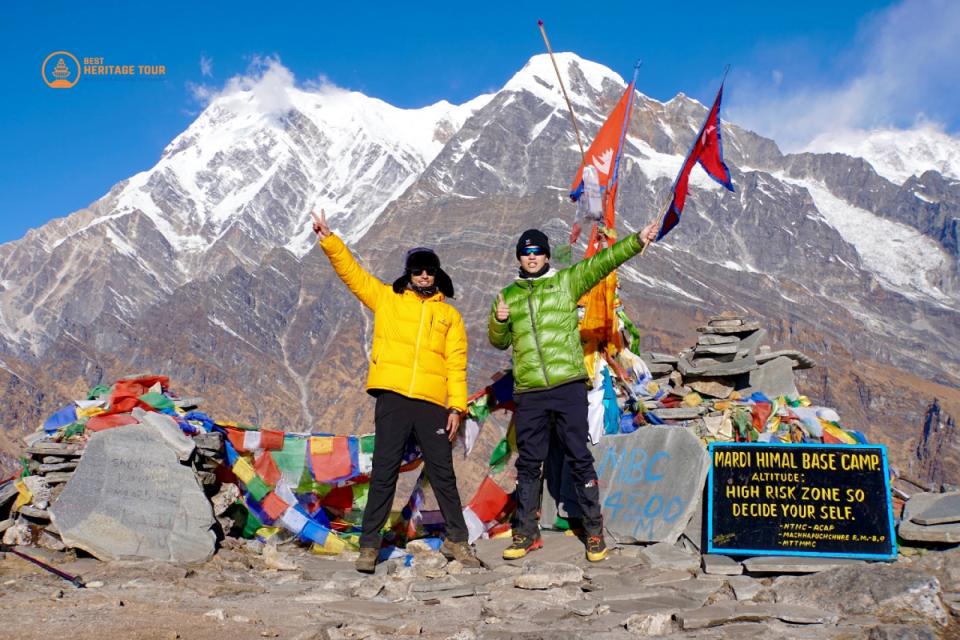
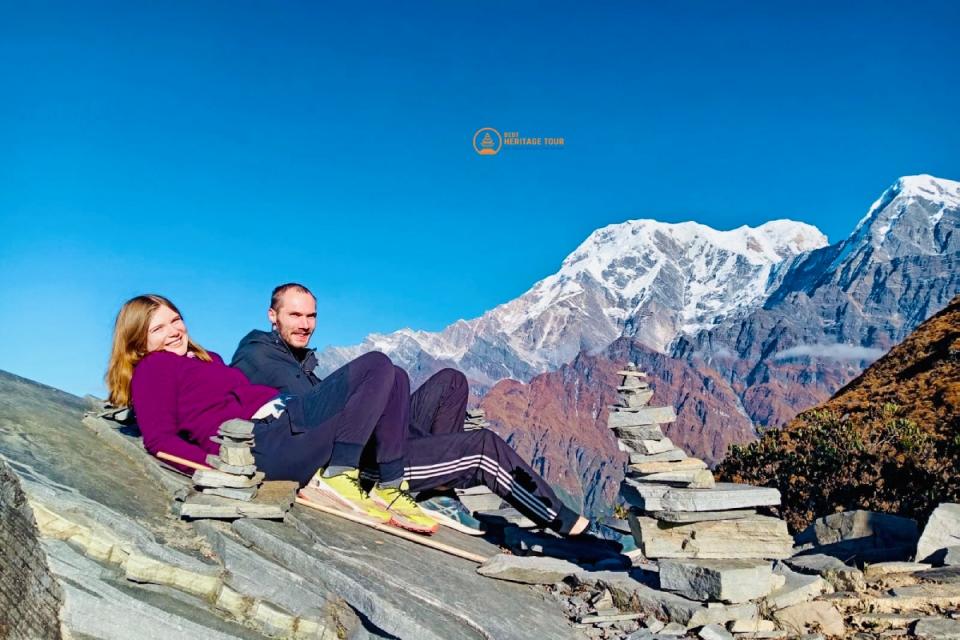
2. Mardi Himal Trek: The Hidden Gem
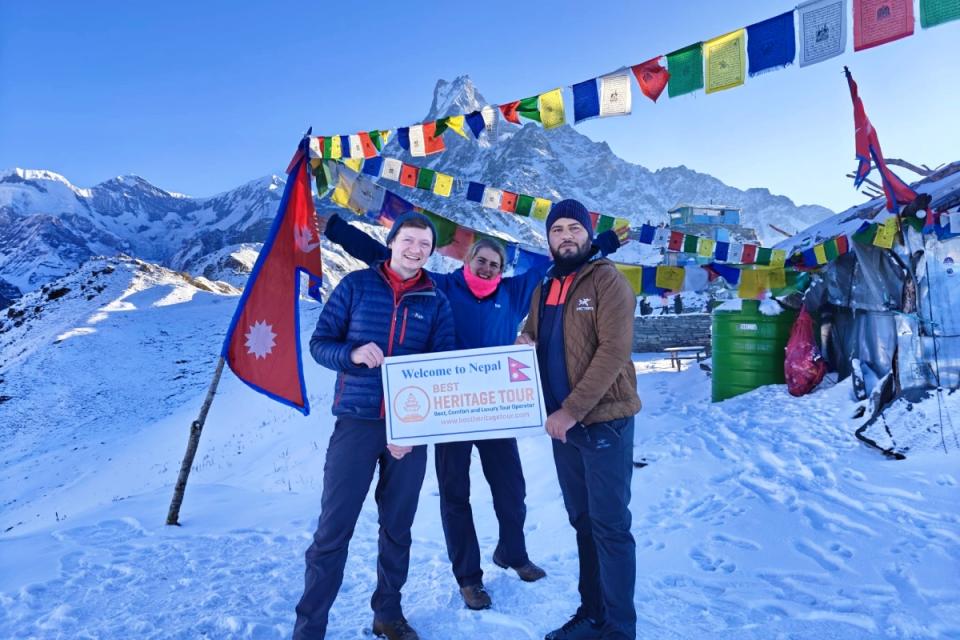
If you want the views of the Annapurna region without the crowds of Poon Hill, Mardi Himal is our top recommendation for 2026. This trail was a "hidden gem" for years but has recently become a favorite for beginners who want a more "off-the-beaten-path" feel.
The Experience
The trail follows a ridgeline, meaning you get mountain views almost every day of the trek, rather than just at the end. The terrain transitions from lush jungle to rugged alpine shrubland as you climb toward the base of Machhapuchhre.
The Views
At High Camp and the Mardi Himal Viewpoint, you are so close to Machhapuchhre and Annapurna South that it feels like you could reach out and touch them.
-
Duration: 5-6 Days
-
Maximum Altitude: 4,500m (Viewpoint) / 3,580m (Overnight at High Camp)
-
Best For: Those seeking peace and a ridge-walking experience.
3. Langtang Valley Trek: The Valley of Glaciers
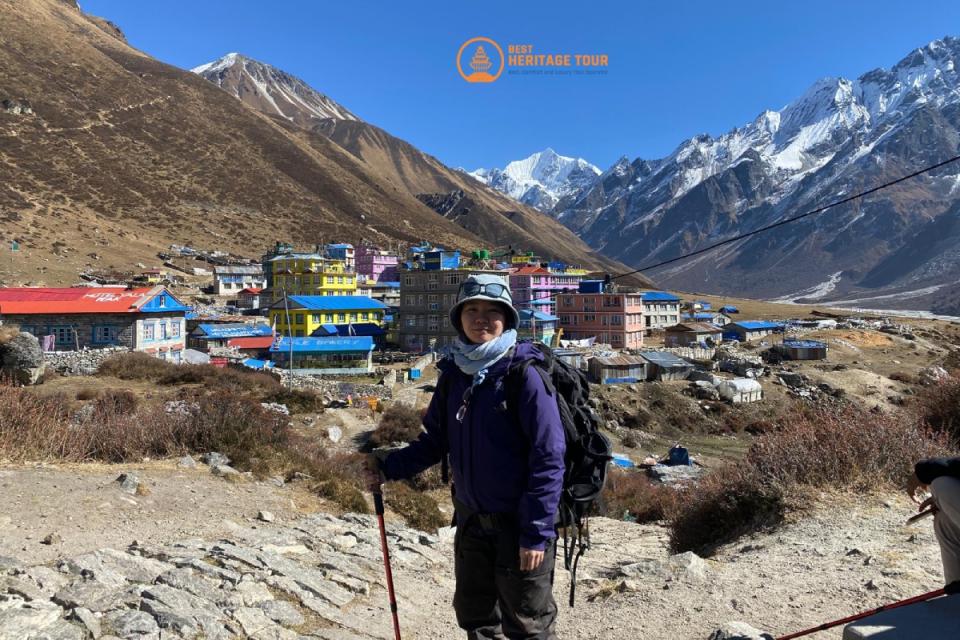
Located closest to Kathmandu, the Langtang Valley trek offers a unique cultural experience combined with high-alpine scenery. Despite being hit hard by the 2015 earthquake, the resilient Tamang community has rebuilt beautiful teahouses, and the valley is more vibrant than ever.
The Experience
The trek follows the Langtang Khola river through dense forests where you might spot a Red Panda or Himalayan Tahr. It culminates in the wide, glacier-carved valley of Kyanjin Gompa.
The Views
Kyanjin Gompa is surrounded by snowy giants like Langtang Lirung (7,227m). For those with a bit of extra energy, a short hike up Kyanjin Ri offers a spectacular view of the surrounding glaciers and icefalls.
-
Duration: 7-8 Days
-
Maximum Altitude: 3,870m (Kyanjin Gompa)
-
Best For: Culture seekers and those who want to avoid domestic flights.
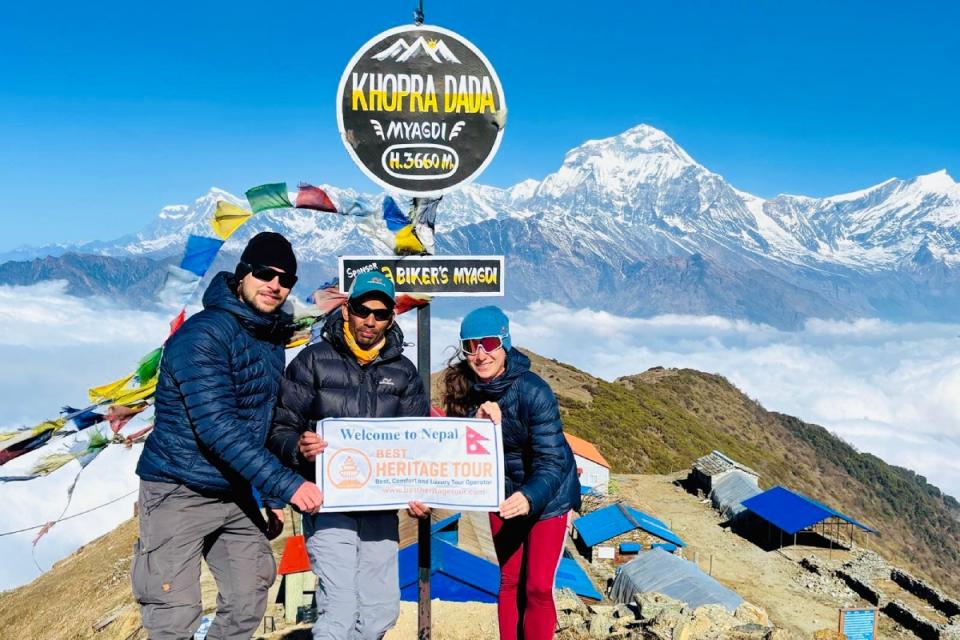
4. Khopra Ridge (Danda) Trek: The Ultimate Viewpoint
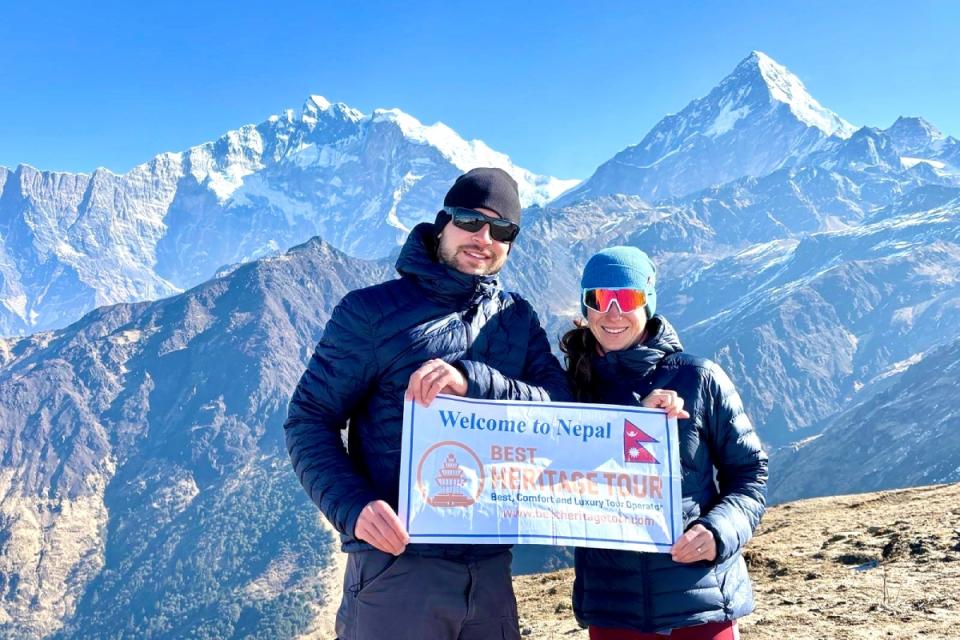
For beginners who have a decent level of fitness and want the absolute best "balcony" view of the Himalayas, Khopra Ridge is unparalleled. It is often combined with the Poon Hill route but ventures much higher and further into the wilderness.
The Experience
This trek is famous for its community-run lodges, which ensure that your trekking dollars go directly back into local schooling and infrastructure. The trail is quieter, the forests are deeper, and the wildlife is more abundant.
The Views
From Khopra Ridge, you look across the deepest gorge in the world (the Kali Gandaki) toward the massive face of Dhaulagiri. The proximity to the mountains here is arguably better than at the more famous Everest or Annapurna Base Camps.
-
Duration: 6-7 Days
-
Maximum Altitude: 3,660m (Ridge) / 4,660m (Optional Khayer Lake hike)
-
Best For: Sustainable travelers and mountain photography.
5. Everest View Trek (Tengboche Trek)
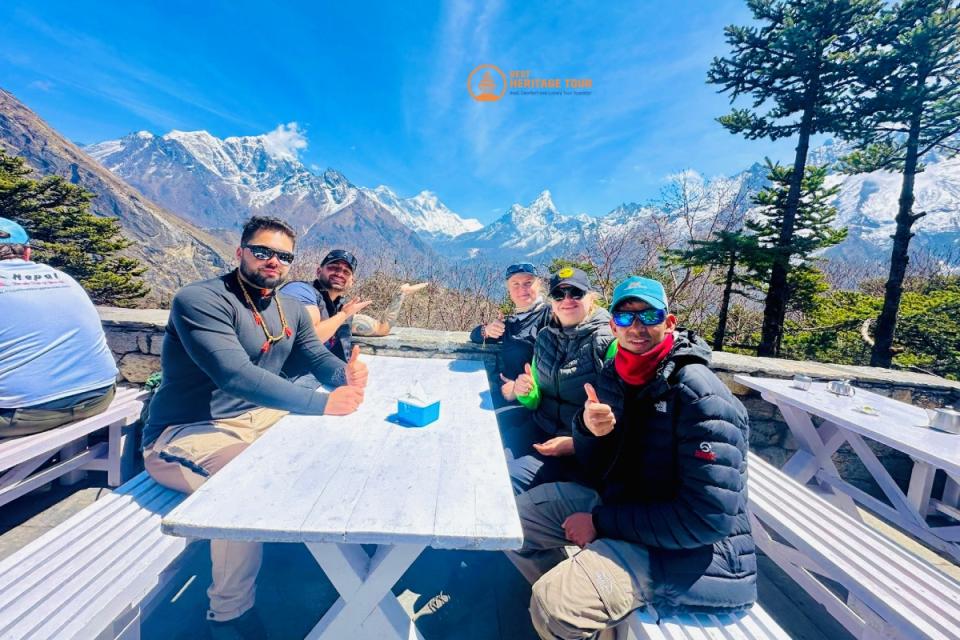
You don’t have to trek all the way to Base Camp to see the world's highest peak. The Everest View Trek (often called the "Everest Panorama Trek") is designed for those who want to experience the Sherpa culture and see Everest without the 12-day commitment.
The Experience
After a thrilling flight to Lukla, you trek through the bustling Sherpa hub of Namche Bazaar. The trail leads you to the Tengboche Monastery, one of the most spiritual sites in the Khumbu region.
The Views
From the Everest View Hotel and Tengboche, you get a clear, unobstructed view of Mount Everest (8,848m), Lhotse, and the stunning Ama Dablam - widely considered one of the most beautiful mountains in the world.
-
Duration: 5-7 Days
-
Maximum Altitude: 3,860m (Tengboche)
-
Best For: Bucket-list travelers with limited time.
Planning Your Journey: Essential Tips for Beginners
1. The Best Time to Visit
In Nepal, timing is everything. For the clearest mountain views and the safest trail conditions:
-
Autumn (September to November): The most popular season. The air is crisp, the skies are crystal clear after the monsoon, and the views are at their sharpest.
-
Spring (March to May): The second best time. Temperatures are warmer, and the hills are alive with blooming rhododendrons.
2. Physical Preparation
Even an "easy" trek involves walking 5-7 hours a day on uneven terrain. We recommend:
-
Starting a walking or jogging routine 4-6 weeks before your trip.
-
Doing "stair training" to prepare your knees for the descents.
-
Wearing in your hiking boots before you arrive in Nepal to avoid blisters.
3. Hiring a Professional Guide
While some of these trails are well-marked, trekking with a professional company like Best Heritage Tour provides more than just navigation. Our guides are trained in first aid, mountain safety, and local history. We handle the permits (TIMS and National Park entries), book the best teahouses, and ensure you have a deep, meaningful connection with the local culture.
Conclusion
Nepal is a land of infinite beauty, and you don't need to be a professional climber to stand in the shadow of the giants. Whether it’s the golden sunrise of Poon Hill, the quiet ridgelines of Mardi Himal, or the spiritual heights of Tengboche, an "easy" trek offers a life-changing perspective that stays with you long after you’ve returned home.
At Best Heritage Tour, we specialize in crafting personalized itineraries that match your pace, interests, and comfort level. Let us take the stress out of the logistics so you can focus on the majesty of the mountains.
Start Your Himalayan Adventure Today
Phone / WhatsApp / Viber: +977-9851149197 / +977-9810043046
Email: info@bestheritagetour.com / bestheritagetour@gmail.com
Website: www.bestheritagetour.com
Office: Thamel Marg, Kathmandu, Nepal
Author: Best Heritage Tour
Date: 6th April, 2026