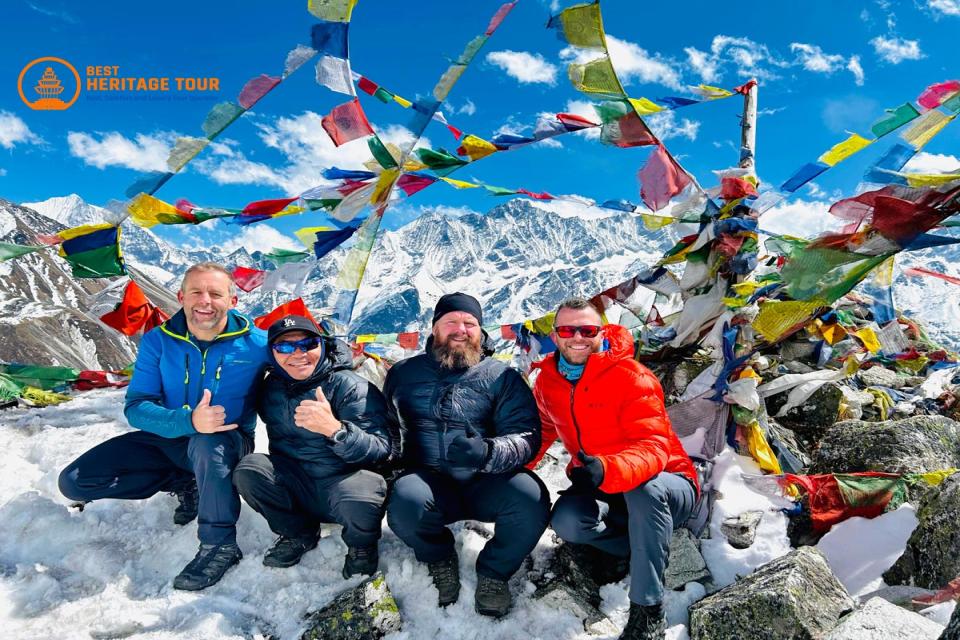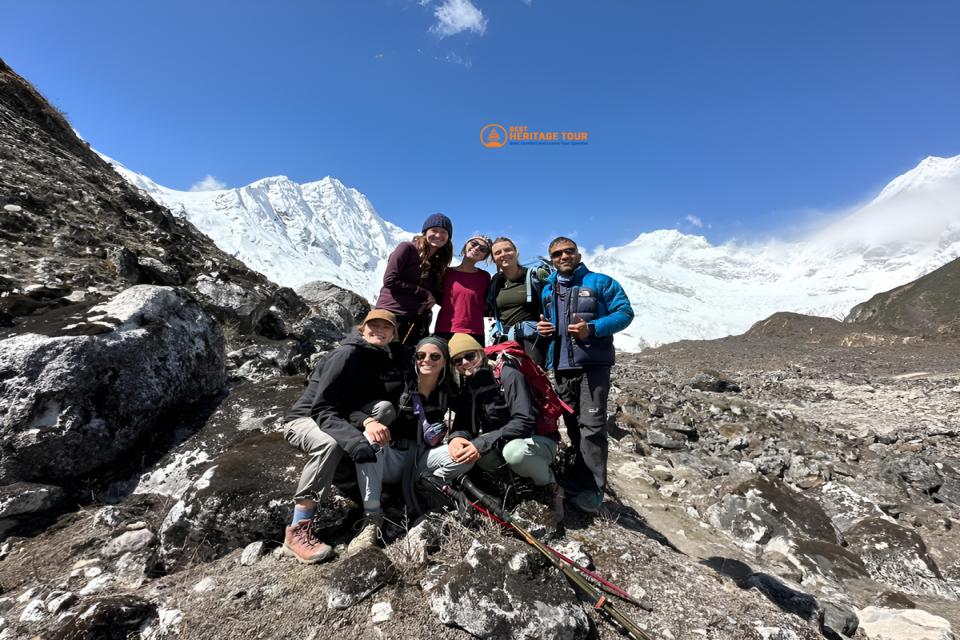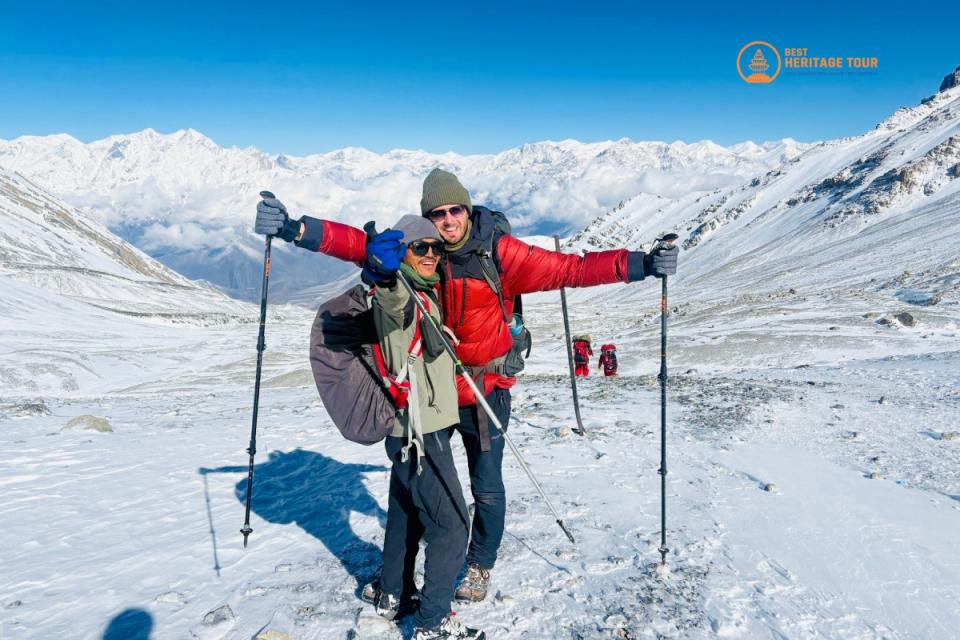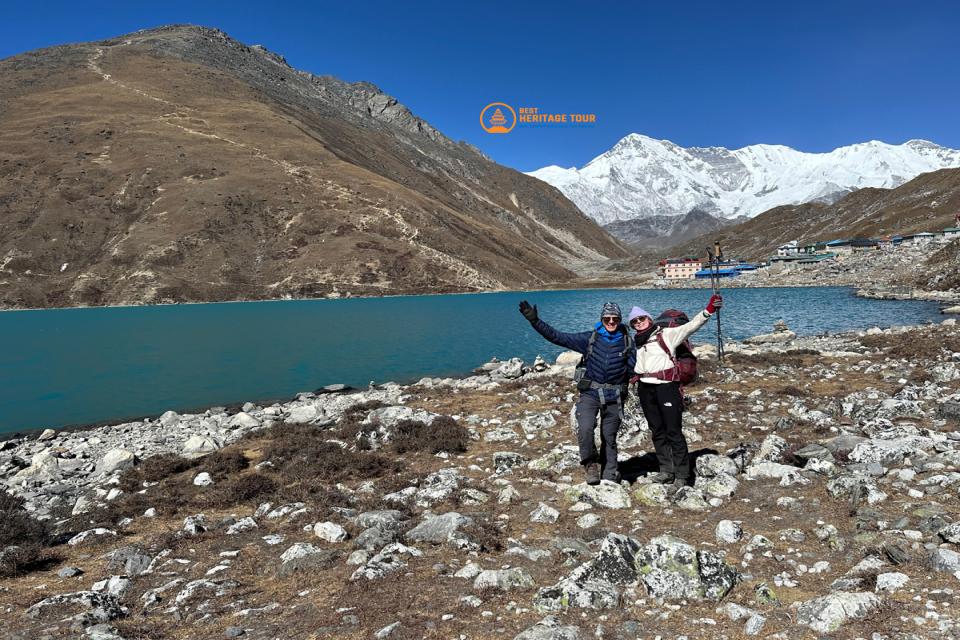
Nepal is a land of extremes, and nowhere is this more apparent than in its climate. Spanning elevations from near sea level in the Terai plains to the 8,848m summit of Mount Everest, Nepal experiences four distinct trekking seasons. Each season transforms the mountains, offering unique rewards and presenting specific challenges.
Choosing the best time to trek in Nepal is not just about finding clear skies; it’s about aligning your goals - whether you seek solitude, panoramic views, vibrant flora, or supporting local festivals - with the optimal window.
At Best Heritage Tour, we operate safe, expertly guided treks year-round, utilizing our deep local knowledge to maximize your experience in any season. This comprehensive guide breaks down Nepal’s trekking calendar month-by-month, helping you select the perfect time for your Himalayan pilgrimage.
The Peak Seasons: Autumn and Spring (The Classic Choices)
These two seasons offer the most stable weather, clearest skies, and most comfortable trekking conditions, making them ideal for the major, high-altitude circuits.
1. Autumn: The Golden Season (Mid-September to Mid-December)
Autumn is widely considered the best time for trekking in Nepal. Following the monsoon, the air is clean, the skies are generally free of haze, and the temperatures are moderate.
Rewards of Autumn
-
Unrivaled Visibility: The most significant advantage is the crystal-clear mountain views. Post-monsoon, the atmosphere is washed clean of dust and haze, offering stunning, sharp panoramas that last all day long.
-
Optimal Temperature: Days are sunny and warm at lower elevations (15°C to 25°C), and comfortable at high altitudes (5°C to 15°C during the day). Nights are cool but manageable.
-
Cultural Immersion: Autumn coincides with Nepal’s largest festivals, including Dashain and Tihar (Festival of Lights). Trekkers often get a chance to witness local celebrations and the rich cultural life of the communities.
-
Lush Scenery: The hillsides are vibrant green from the monsoon rains, contrasting beautifully with the snow-capped white peaks.
Things to Consider
-
Crowds: As the peak season, the most popular routes (Everest Base Camp, Annapurna Circuit) are at their busiest, especially in October. Teahouses can be crowded, and flights to Lukla (for EBC) book up quickly.
-
Late Monsoon: If the monsoon lingers into mid-September, the trails can still be wet and slippery.
Best Treks for Autumn
-
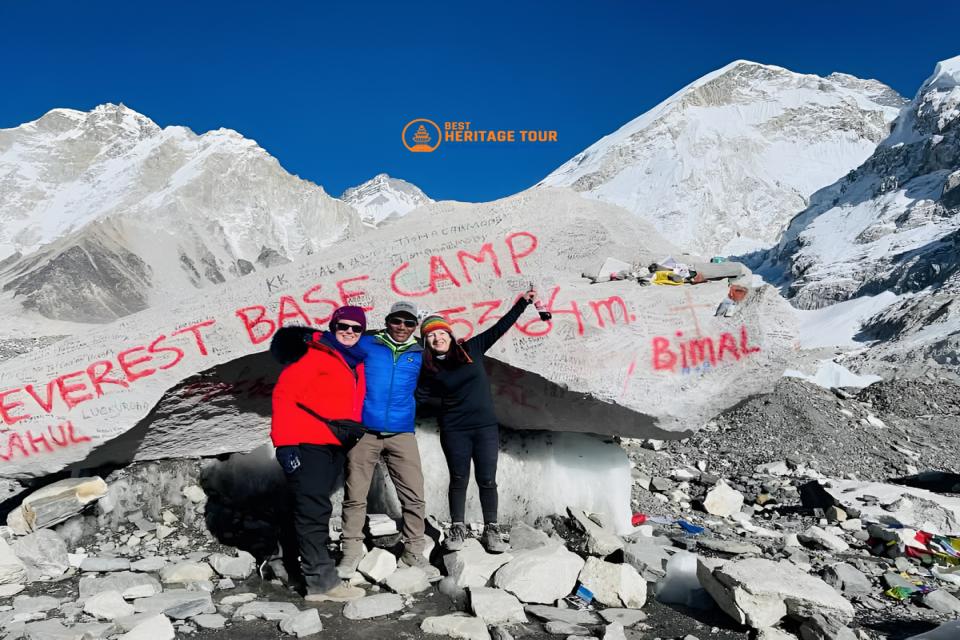
Everest Base Camp (EBC) & Three Passes: Perfect for clear summit views (Kala Patthar, Gokyo Ri).
-
Annapurna Circuit & Manaslu Circuit: All high passes (Thorong La, Larkya La) are generally open and snow-free.
-
Langtang Valley: Excellent views of Langtang Lirung.
2. Spring: The Blooming Season (March to May)
Spring is the second-best season, prized for its warmer temperatures, longer days, and the spectacular flowering of the lower forests.
Rewards of Spring
-
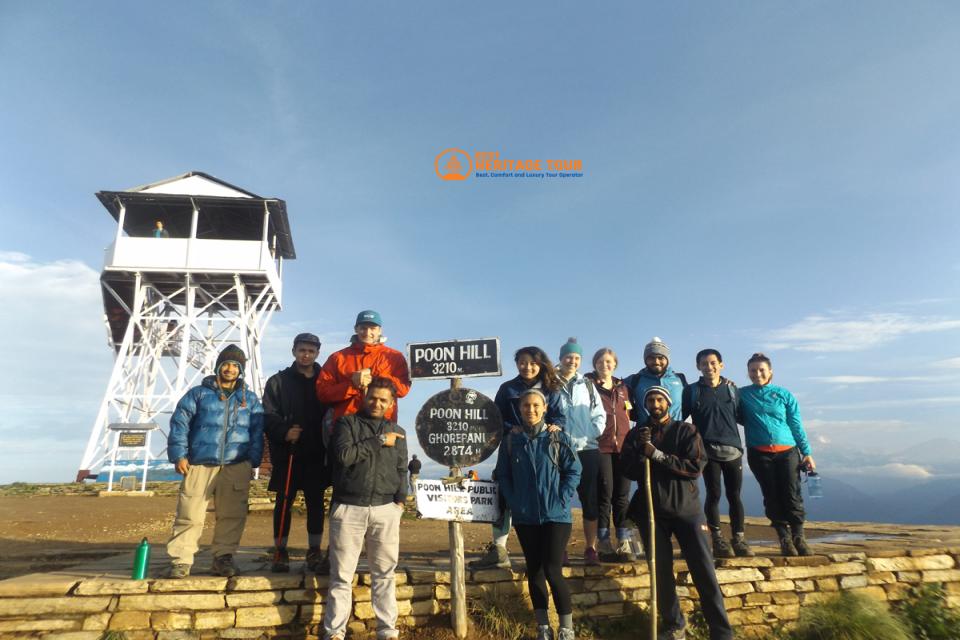
Rhododendron Blooms: Lower and mid-altitude trails, especially in the Annapurna region (Ghorepani Poon Hill, ABC), are ablaze with blooming rhododendron forests. The sheer color transformation of the landscape is a major draw.
-
Warmer at Altitude: Temperatures gradually rise, making trekking days warmer and nights significantly more comfortable than in autumn or winter. High passes become accessible again as the winter snow melts away by April.
-
Mountaineering Season: This is the primary climbing season for the 8,000-meter peaks, adding a sense of excitement and dynamism to the EBC region, where you can see climbing expeditions preparing.
-
Fewer Crowds: Compared to the autumn peak, spring (especially March and early May) tends to be slightly less crowded, offering a better balance between good weather and solitude.
Things to Consider
-
Haze and Clouds: As the season progresses into May, humidity increases, and the mountain views can sometimes become hazy, particularly in the afternoons.
-
Pre-Monsoon Rain: Late May can bring pre-monsoon showers and rising temperatures in the lower hills.
Best Treks for Spring
-
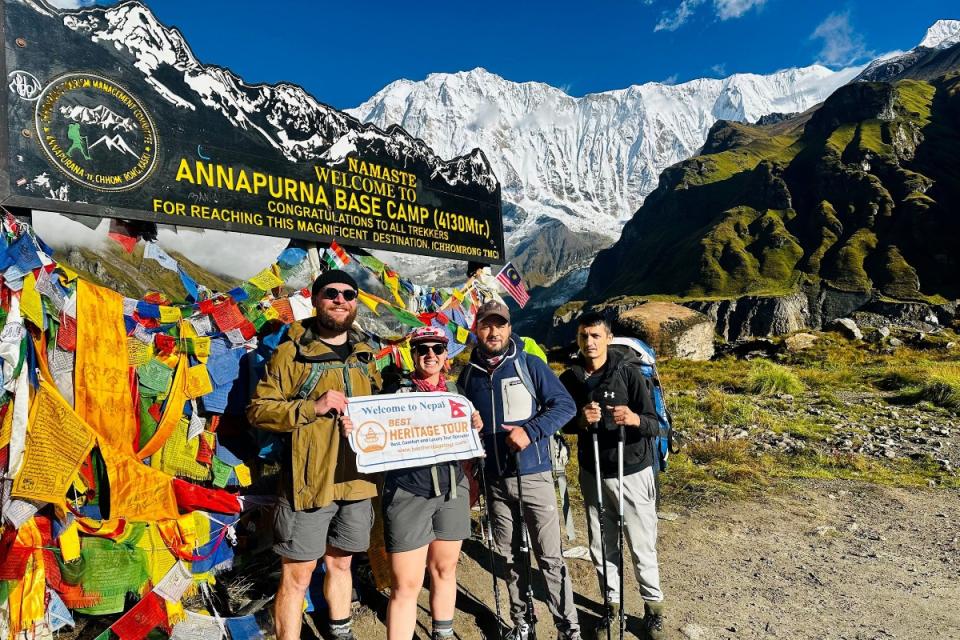
Annapurna Base Camp (ABC): Ideal for viewing the famous rhododendron forests.
-
High Passes: Passes like Kongma La, Cho La, and Thorong La are open and fully accessible.
-
Climbing Expeditions: The perfect time for Mera Peak or Island Peak climbing, coinciding with the stable weather window.
The Off-Seasons: Winter and Monsoon (For the Specialized Trekker)
While often discouraged for major high-altitude routes, these seasons offer unique advantages for trekkers seeking solitude, photography, or specialized terrain.
3. Winter: The Solitude Season (December to February)
Winter is characterized by extreme cold at high altitudes but surprisingly clear, stable weather at lower elevations.
Rewards of Winter
-
Ultimate Solitude: Trails are incredibly quiet. If you prioritize peace and a break from the crowds, winter is ideal. Teahouses often offer better service and sometimes discounted rates.
-
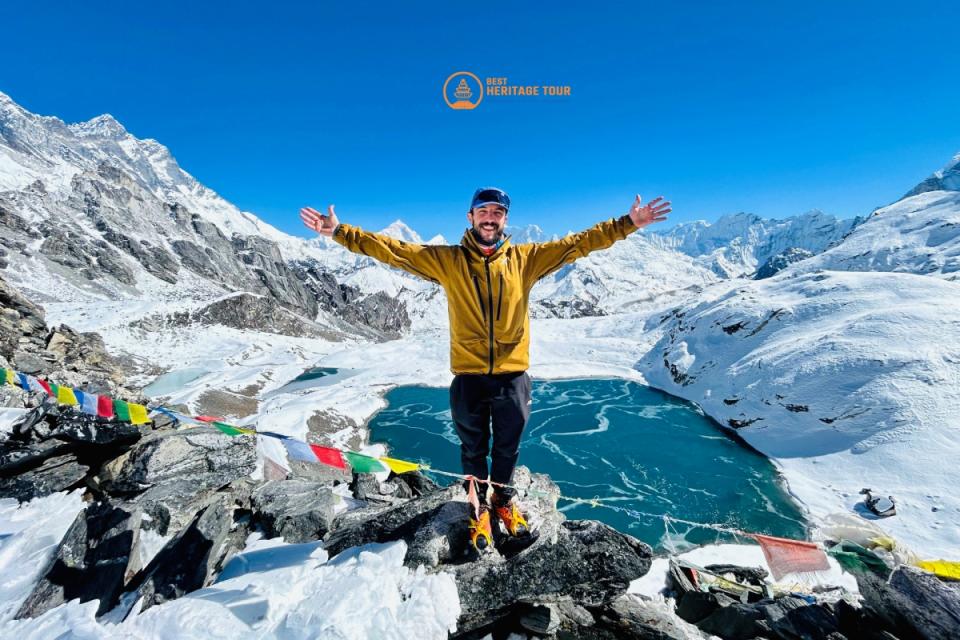
Crisp Visibility: Days are often characterized by exceptionally clear, deep blue skies and sharp mountain views, particularly in December and January, making it a favorite for photographers.
-
Lower-Altitude Charm: Trekking in the mid-hills (below 3,000m) is incredibly pleasant, with warm, sunny days.
Things to Consider
-
Extreme Cold: High-altitude nights are bitterly cold (often below -15°C to -25°C at 4,000m+). Excellent, high-quality gear (sleeping bag, down jacket) is non-negotiable.
-
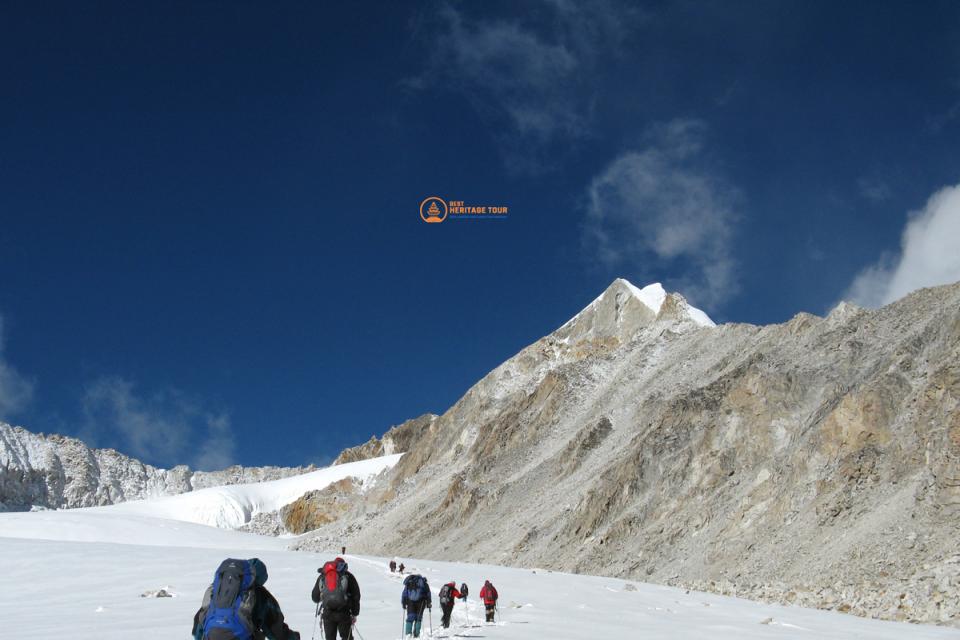
Pass Closures: Heavy snow often closes high passes like Thorong La (Annapurna) and the Three Passes (Everest) from late December through early March.
-
Limited Teahouses: Many higher teahouses close for the winter, limiting accommodation options on popular routes.
Best Treks for Winter
-
Ghorepani Poon Hill: Beautiful snow-capped scenery without extreme altitude risk.
-
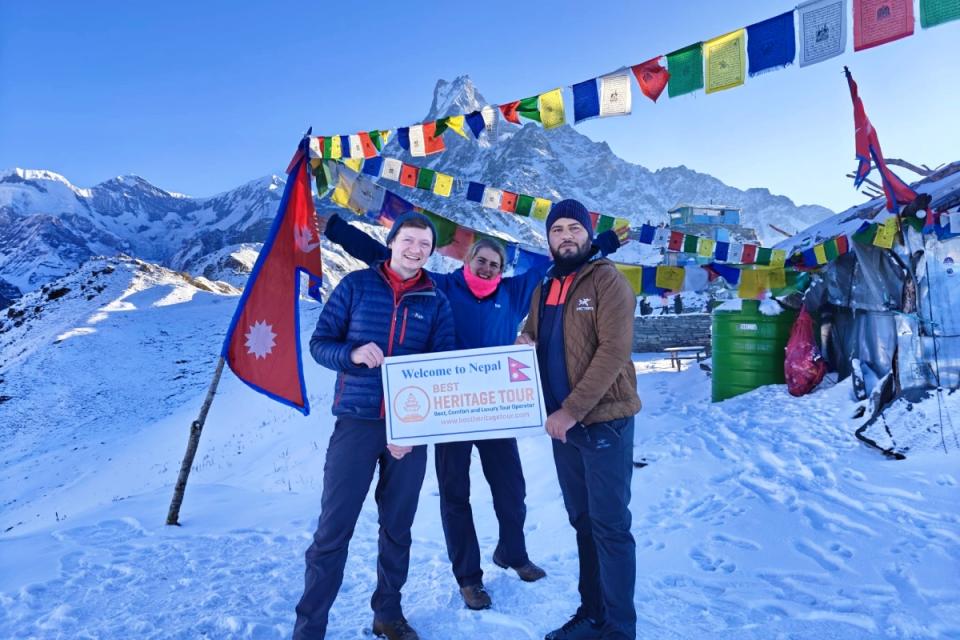
Mardi Himal Trek: Achievable and offers stunning, sharp views of Machhapuchhre.
-
Lower Annapurna/Everest Treks: Routes that stay below 3,500m (e.g., Pikey Peak, Helambu) are excellent choices.
4. Monsoon: The Rain-Shadow Season (June to Mid-September)
The monsoon brings heavy rainfall to most of Nepal, but there are specialized regions that sit in the rain shadow of the Himalayas, offering unique dry trekking opportunities.
Rewards of Monsoon
-
Lush, Green Landscapes: The lower hills and forests are at their absolute lushest, with vibrant vegetation and full waterfalls.
-
Zero Crowds: You will experience the mountains in near-solitude.
-
The Rain Shadow Advantage: Specific regions are protected by the Annapurna/Dhaulagiri massifs, keeping them dry while the rest of Nepal gets rain.
Things to Consider
-
Rain and Mud: Trails in the lower, wetter regions become muddy, slippery, and are prone to leeches. Views are often obscured by clouds and haze.
-
Logistics: Domestic flights (especially Lukla) are frequently delayed or canceled due to cloud cover. Ground transportation can be slow due to landslides.
Best Treks for Monsoon
-
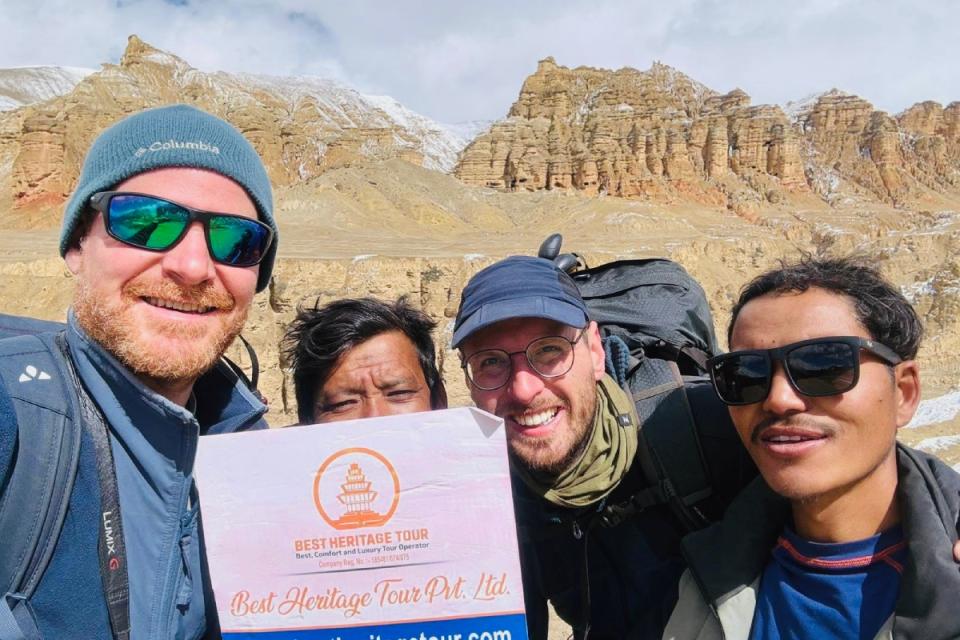
Upper Mustang Trek: This is the ideal time. The rain shadow makes it warm and dry, and the arid landscape is spectacular.
-
Upper Dolpo Trek: Similar to Mustang, this is a restricted, high-altitude desert area that is protected from the monsoon.
-
Lower Dolpo and Nar-Phu Valley: These areas also offer great monsoon options due to their unique geographical positioning.
Nepal Trekking Seasons at a Glance
|
Season |
Months |
Weather & Visibility |
Altitude & Temperature |
Key Focus |
|---|---|---|---|---|
|
Autumn (Peak) |
Sep, Oct, Nov |
Stable, dry. Crystal clear views. |
Moderate. Daytime 15°C -25°C (low) to 5°C -15°C (high). |
Ultimate views, major festivals, all high routes open. |
|
Spring (Peak) |
Mar, Apr, May |
Mild, increasing haze/clouds in May. Good views. |
Warmest high-altitude temps. Days 16°C -23°C. |
Rhododendron blooms, climbing season, high passes re-open. |
|
Winter (Off-Peak) |
Dec, Jan, Feb |
Very stable, dry, cold. Sharp views. |
Extremely cold high up. Ideal for mid-hills. |
Solitude, photography, lower-altitude trekking. |
|
Monsoon (Off-Peak) |
Jun, Jul, Aug |
Wet, cloudy, high humidity. Poor views in central regions. |
Warm, but wet. Best time for rain-shadow areas. |
Unique landscapes, minimal crowds, Mustang/Dolpo treks. |
Best Heritage Tour's Guide to Seasonal Safety
No matter the time of year, trekking in Nepal requires respect for the mountain environment.
-
Safety in Cold (Winter): The primary risk is exposure. Our guides ensure you have proper layers, and we carefully monitor teahouse chimney conditions. Our recommended gear list for winter treks is meticulous.
-
Safety in Wet (Monsoon): The main risks are landslides, slippery trails, and leeches. We reroute trips away from landslide-prone areas and focus on the dry, rain-shadow regions where risk is minimized.
-
Safety in Peak Season (Autumn/Spring): The main risk is crowds. We book all teahouses and flights well in advance and use less-traveled variants of popular trails where possible, ensuring you still enjoy a sense of wilderness.
By trekking with Best Heritage Tour, you benefit from local expertise that mitigates seasonal risks, allowing you to focus purely on the majesty of the Himalayas.
Conclusion: There's a Perfect Trekking Season for Everyone
There is truly no single "best" time to trek in Nepal; there is only the best season for your goals.
-
If you dream of the classic, textbook Himalayan experience with perfect weather and cultural festivals, Autumn is your choice.
-
If you seek vibrant colors, warmer days, and want to witness the rebirth of the mountains, Spring is calling.
-
If solitude and dramatically clear winter photography are your priority, consider a low-altitude Winter trek.
-
If you want a truly unique, arid desert landscape adventure, Monsoon trekking in Upper Mustang is unbeatable.
Let Best Heritage Tour take the guesswork out of seasonal planning. As local experts, we monitor the weather constantly and have the specialized itineraries to deliver an unforgettable journey, regardless of the month on the calendar.
Plan Your Seasonally Perfect Trek with Best Heritage Tour
Ready to match your dream trek with the ideal time of year? Contact our trekking specialists now to secure your perfect Nepali adventure.
Phone / WhatsApp / Viber: +977-9851149197 / +977-9810043046
Email: info@bestheritagetour.com / bestheritagetour@gmail.com
Website: www.bestheritagetour.com
Office: Thamel Marg, Kathmandu, Nepal
Author: Best Heritage Tour
Date: 2nd December, 2025