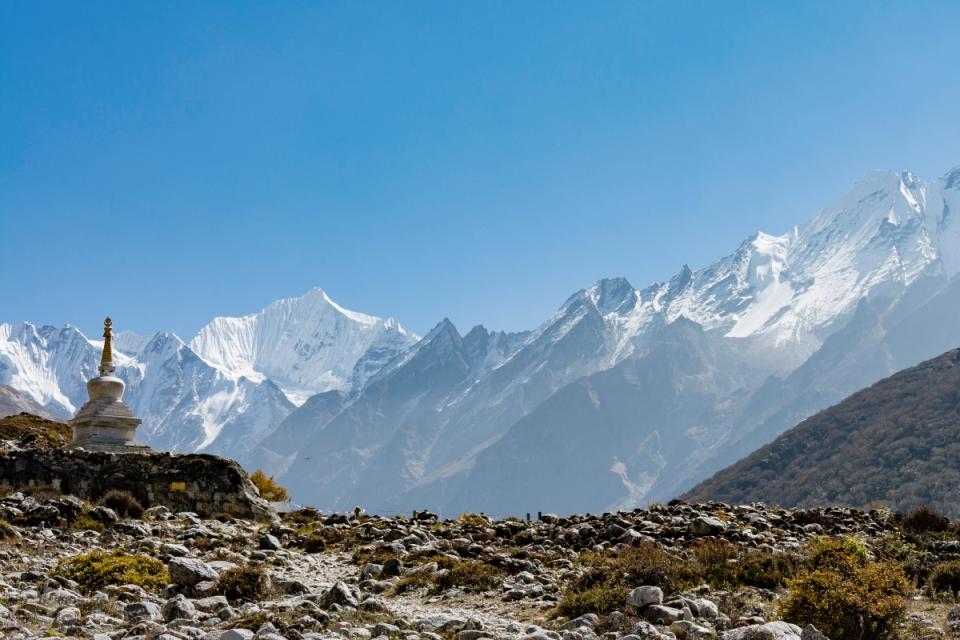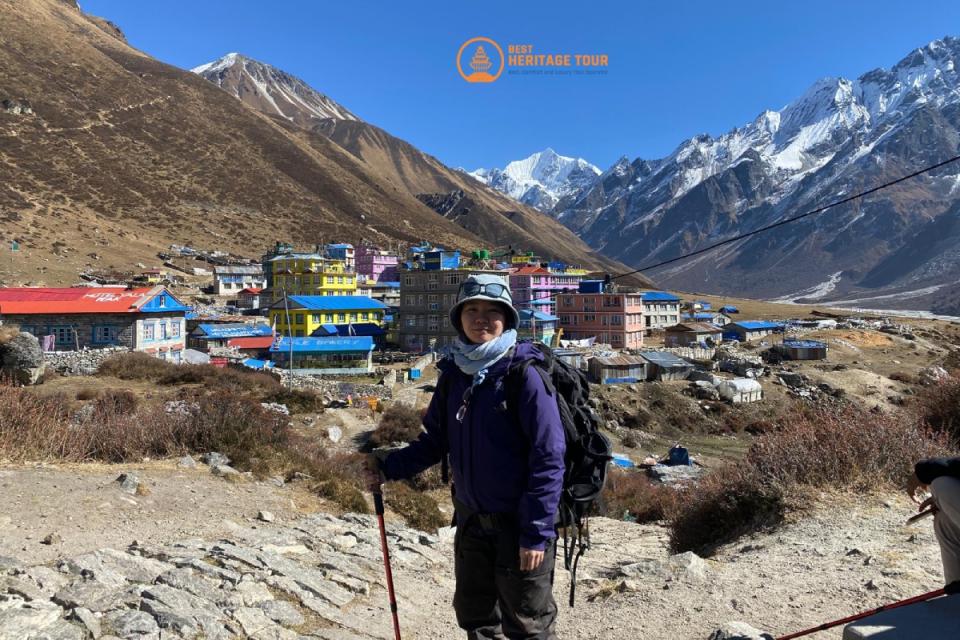
When planning a journey through the majestic Himalayas, your mind is likely filled with visions of snow-capped peaks, pristine rhododendron forests, and the warm hospitality of the Tamang people. However, as an experienced team that has guided thousands of adventurers through the Langtang region, we know that practical, on-the-ground logistics are what truly make or break your trekking experience. Among the most frequent questions our guests ask us at Best Heritage Tour is: What type of toilet is available on the Langtang Valley Trek?
Understanding the sanitation infrastructure along the trail is not just a matter of comfort; it is crucial for your personal hygiene, health, and overall trip preparation. The Langtang region has undergone incredible infrastructure updates. Based on direct data from our senior trekking guides, the facilities vary significantly from the trailhead to the high-alpine acclimatization zones.
This comprehensive guide breaks down exactly what to expect regarding the type of toilet available in Langtang Valley Trek, helping you prepare for your upcoming Himalayan adventure with confidence.
The Big Picture: Sanitation and Teahouse Plumbing in Langtang
Before diving into a village-by-village breakdown, it is essential to understand the two main styles of restrooms you will encounter in the Nepalese mountains: Western-style toilets and traditional Asian squat toilets.
1. Traditional Squat Toilets
The traditional squat toilet is a porcelain or concrete basin set into the floor. Instead of sitting, you squat over the opening. These systems are highly reliable in high-altitude environments because they lack complex mechanical parts that can break or freeze during freezing winter nights. They are typically flushed manually by scooping water from an adjacent bucket or barrel using a small plastic jug.
2. Western Sitting Toilets
As the Langtang region has grown in popularity, local lodge owners have invested heavily in modern amenities. Western sitting toilets feature the standard porcelain bowl and seat you are used to at home. In lower altitudes or modern lodges, these may be attached to standard cistern flush mechanisms. In higher, colder zones, even Western toilets are often flushed manually via a water bucket to prevent plumbing lines from bursting due to overnight frost.
Can You Find Western Toilets on the Langtang Valley Trek?
The short answer is yes, you can absolutely find Western toilets on the Langtang Valley Trek. However, their availability depends heavily on your specific overnight stops and the type of room you book.
While lower-altitude hubs and fully reconstructed villages offer excellent modern facilities, intermediate trail bottlenecks still rely on rustic, communal setups. Let us take a step-by-step look at the exact plumbing infrastructure across the classic Langtang itinerary.
Village-by-Village Breakdown: Toilet Facilities Along the Trail
1. Syabrubesi (1,550m) - The Gateway
Your trekking journey begins in Syabrubesi after a scenic drive from Kathmandu. Because this town is connected directly to the highway network, its hospitality infrastructure is highly advanced compared to the high-mountain settlements.
-
Toilet Setup: In Syabrubesi, the vast majority of hotels and guest houses feature private, en-suite bathrooms inside your room.
-
What to Expect: You will easily find modern, Western-style flush toilets alongside traditional squat variants. These facilities are accompanied by proper running water and reliable, 24/7 solar or electric hot showers.
2. Lama Hotel (2,480m) - The Trail’s Rustic Exception
After leaving Syabrubesi, you will climb steadily through dense forests of oak, maple, and bamboo along the rushing Langtang River. Your first wilderness overnight stop is the historic forest clearing known simply as Lama Hotel.
-
Toilet Setup: Lama Hotel is the primary exception to modern luxury on this trek. Due to its location within a narrow, steep river canyon, physical space for structural expansion is strictly limited.
-
What to Expect: Lodges here are older and more rustic. In Lama Hotel, shared bathroom facilities with squat toilets are commonly used. You will not find private attached bathrooms or Western sitting toilets in the standard lodges here. Restrooms are communal, meaning you will walk down a shared hallway or step outside to an outhouse structure. Flushing is entirely manual via a water bucket.
3. Langtang Village (3,430m) - Modern Reconstruction
Following the tragic 2015 earthquake, Langtang Village was completely rebuilt from the ground up. This beautiful valley community now features some of the newest and most thoughtfully designed teahouses in the entire destination.
-
Toilet Setup: Thanks to modern reconstruction efforts, sanitation standards here are exceptionally high.
-
What to Expect: In Langtang Village, rooms usually come with attached bathrooms featuring Western-style toilets or clean squat toilets. Having an integrated bathroom inside your living space provides massive comfort, especially when temperatures drop significantly after sunset.
4. Kyanjin Gompa (3,870m) - The Alpine Final Destination
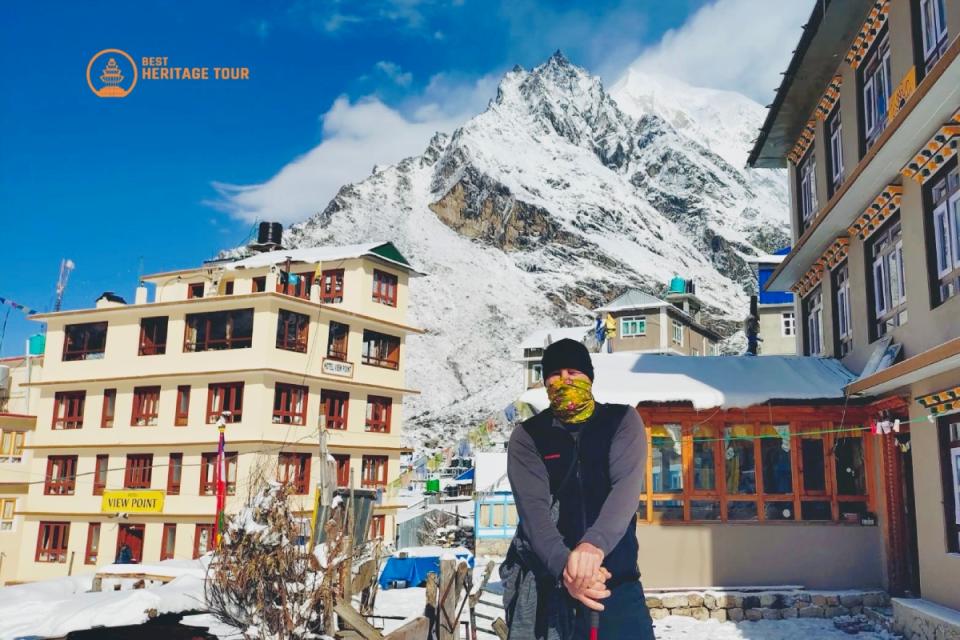
Kyanjin Gompa is the spiritual and physical climax of the trek, nestled in a dramatic glacial bowl surrounded by peaks like Langtang Lirung. Because most trekkers spend two to three nights here to acclimatize and hike up nearby viewpoints like Tserko Ri, the local infrastructure is robust.
-
Toilet Setup: Despite the high alpine altitude, Kyanjin Gompa offers excellent lodge facilities.
-
What to Expect: Similar to Langtang Village, guest rooms in the newer, multi-story alpine lodges usually feature attached bathrooms equipped with either Western-style sitting toilets or modern squat systems. However, keep in mind that during the winter or early spring shoulder seasons, extreme overnight freezing means water lines are shut off, and manual bucket-flushing becomes mandatory even for Western porcelain bowls.
Understanding Shared vs. Attached Restrooms
When booking your trek with an agency or navigating the trail independently, it helps to understand how room types dictate your bathroom experience.
Attached Bathrooms (En-Suite)
Available in Syabrubesi, Langtang Village, and Kyanjin Gompa, attached bathrooms are integrated directly into your private twin-sharing room. They provide maximum privacy and convenience. When you need to use the restroom in the middle of a freezing sub-zero night, you do not have to put on a headlamp, down jacket, and boots to walk across an unheated communal hallway.
Shared or Communal Bathrooms
Standard in Lama Hotel and found in the budget-friendly or older wings of lodges throughout the valley, shared bathrooms are communal facilities located at the end of a hallway or in a separate exterior outhouse structure. They are shared among multiple trekking parties. While kept clean by lodge hosts, they require a bit more preparation and patience during peak trekking seasons when the trail sees a higher volume of travelers.
Critical Insider Advice: Packing for Himalayan Sanitation
To ensure a seamless and hygienic journey through the Langtang region, we highly recommend adding these specialized items to your trekking gear list:
-
Toilet Paper (2-3 Rolls): Teahouses do not provide toilet paper in the restrooms. You must buy your own in Kathmandu or at lower-altitude shops along the trail (prices rise as you ascend).
-
Biodegradable Wet Wipes: Essential for personal freshness, especially at Lama Hotel or on freezing nights when a hot shower is impractical.
-
Hand Sanitizer (Alcohol-Based): Running water next to mountain restrooms can be intensely cold. A travel-sized bottle of hand sanitizer is your best defense against bacteria.
-
Small Zip-Lock Disposal Bags: Many high-altitude septic and pit systems cannot process toilet paper without clogging. You will often see a small waste bin next to the toilet meant specifically for used paper. Carrying small bags for discreet waste management is an excellent practice.
-
A Headlamp: Vital for late-night trips to shared restrooms in rustic settlements like Lama Hotel where hallway lighting may be turned off overnight to preserve solar battery power.
Conclusion
Navigating the changing amenities of the Himalayas is simple when you have the right expectations and an experienced team guiding your steps. While you will experience a rustic, traditional setup at Lama Hotel, the modern availability of attached bathrooms and Western toilets in Syabrubesi, Langtang Village, and Kyanjin Gompa makes the Langtang Valley Trek one of the most comfortable and accessible tea-house routes in Nepal.
At Best Heritage Tour, our professional, government-licensed guides coordinate directly with our trusted network of lodge partners. We ensure our clients are booked into the absolute best available accommodations, prioritizing cleanliness, western amenities wherever available, and exceptional hospitality.
Are you ready to explore the breathtaking landscapes of Langtang without worrying about the underlying logistics?
Phone / WhatsApp / Viber: +977-9851149197 / +977-9810043046
Email: info@bestheritagetour.com / bestheritagetour@gmail.com
Website: www.bestheritagetour.com
Office: Thamel Marg, Kathmandu, Nepal
Author: Best Heritage Tour
Date: 8th June, 2026