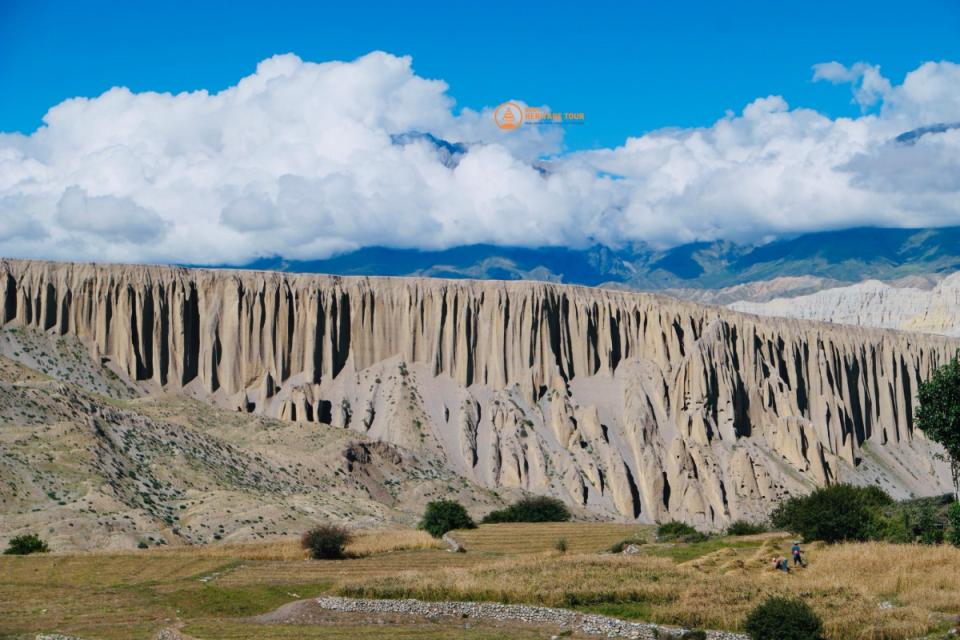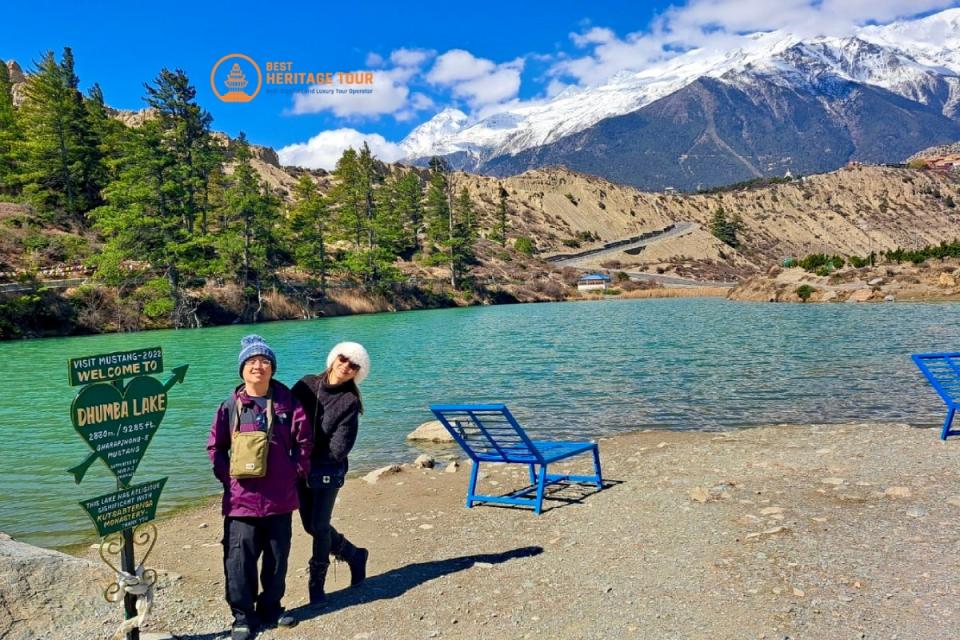
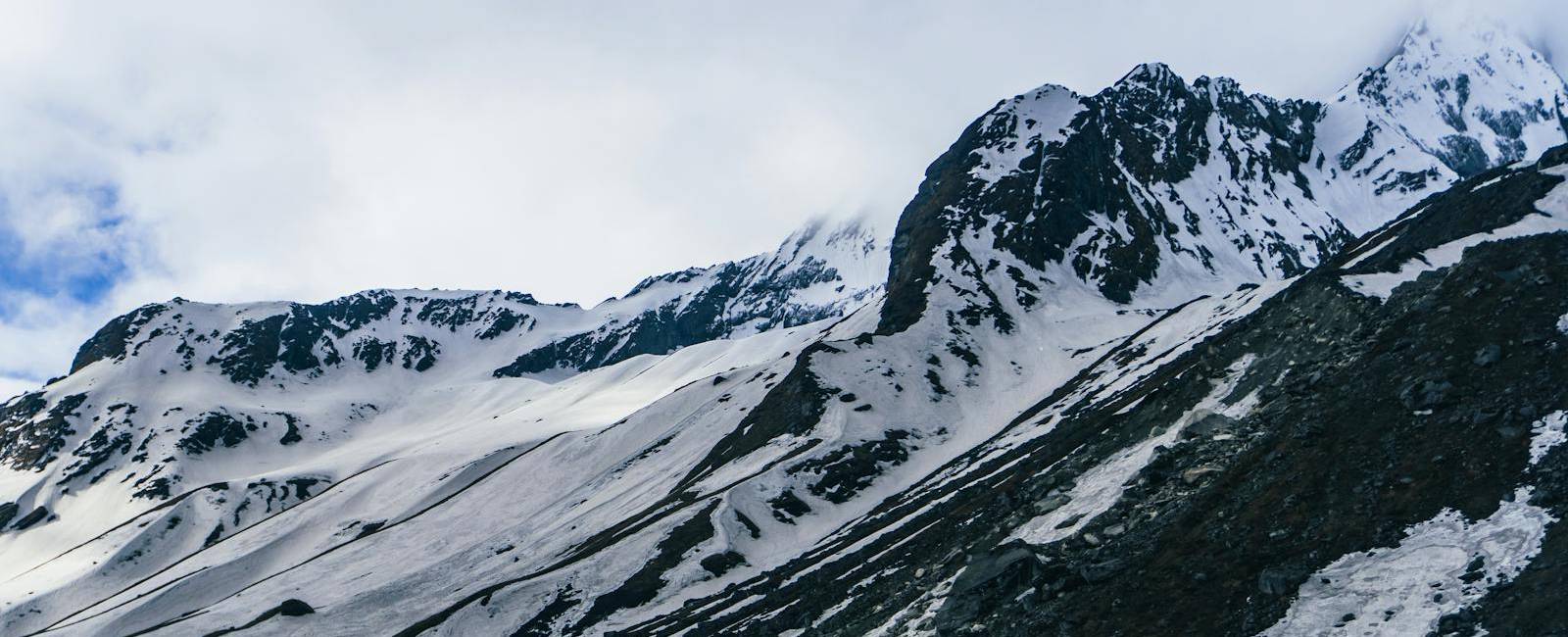
Tucked behind the rain-shadow of the Annapurna and Dhaulagiri massifs lies Upper Mustang - the ancient Kingdom of Lo. For centuries, this high-altitude desert was isolated from the outside world, preserving a authentic Tibetan Buddhist culture, dramatic clay cliffs, and medieval walled cities.
For cultural explorers and avid trekkers, visiting Upper Mustang is a bucket-list journey. Timing your trek to coincide with one of its legendary festivals elevates an incredible landscape into a life-changing cultural immersion.
The two giant cultural spectacles of the region are the Tiji Festival and the Yartung Festival. While both take place in the heart of Mustang - most notably in and around the ancient capital of Lo Manthang - they offer completely different atmosphere, spiritual energy, and seasonal experiences.
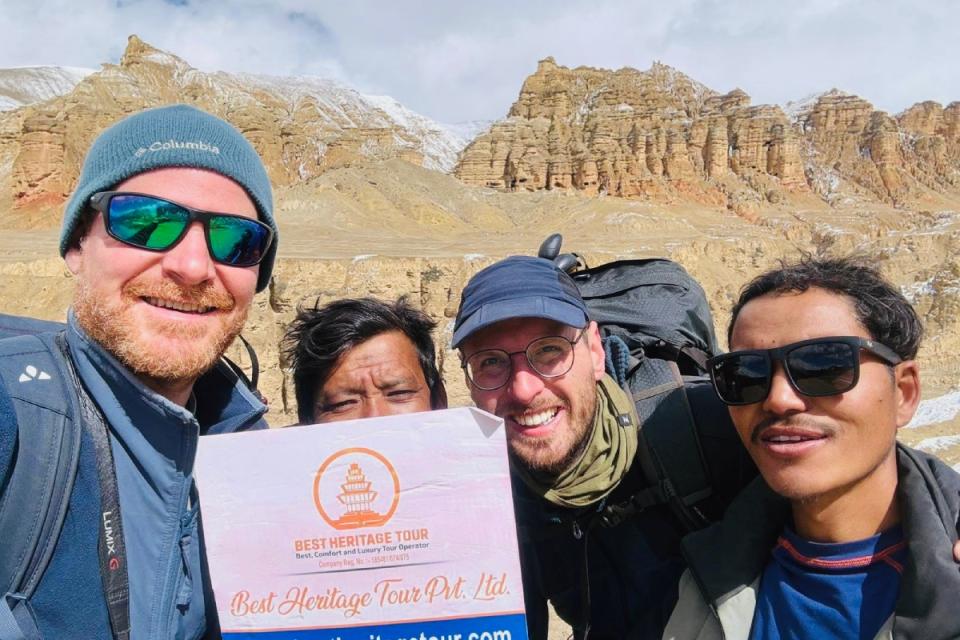
At Best Heritage Tour, our local guides have spent years navigating the high passes of Mustang and hosting travelers during these sacred celebrations. Below, we break down everything you need to know about Tiji versus Yartung to help you choose the ideal festival trek for your travel style.
What is the Tiji Festival? Sacred Monastic Rituals & Masked Dances
The Tiji Festival (derived from Tenpa Chirim, meaning "Prayer for World Peace") is a three-day religious ceremony deeply rooted in Vajrayana Buddhism. Held in the main courtyard of the Royal Palace and Chode Monastery in Lo Manthang, Tiji re-enacts the ancient Buddhist myth of deity Dorje Jono battling his demonic father to save Mustang from devastating drought and hardship.
|
TIJI FESTIVAL AT A GLANCE |
|
|
Timing |
May / Early June (Tibetan Lunar Calendar) |
|
Main Location |
Lo Manthang Palace Courtyard |
|
Primary Focus |
Sacred Monastic Rituals & Cham Dances |
|
Vibe & Energy |
Reverent, Mystical, Photogenic, Solemn |
|
Best For |
Cultural Enthusiasts, Photographers |
Key Highlights of Tiji:
-
The Sacred Cham Dances: Monks from Chode Monastery dress in elaborate hand-woven brocade gowns and heavy, intricate animal and deity masks. They perform the sacred Cham dances, moving in precise, meditative patterns to the rhythm of long copper horns (dungchen), drums, and cymbals.
-
Unfurling of Giant Thangkas: On the first and second days, massive, centuries-old hand-embroidered thangkas depicting Padmasambhava and holy deities are unfurled down the walls of the courtyard.
-
Royal Presence: Mustang’s traditional royal family and local nobility attend the rituals, adding a rare glimpse of living Himalayan royalty.
Tiji is quiet, solemn, deeply spiritual, and exceptionally visual. The atmosphere in Lo Manthang is charged with quiet reverence as locals from surrounding high-altitude villages gather in their finest traditional wear to receive blessings.
What is the Yartung Festival? High-Altitude Horse Racing & Community Spirit
Where Tiji is spiritual and solemn, Yartung is vibrant, loud, and energetic. The word Yartung translates to "End of Summer". It is an ancient harvest and seasonal festival celebrated before local farmers store their crops and high-altitude herders bring their livestock down for winter.
Celebrated across Lo Manthang, Muktinath, and neighboring villages, Yartung brings the warrior spirit of the Loba people to life.
|
YARTUNG FESTIVAL AT A GLANCE |
|
|
Timing |
Late August |
|
Main Location |
Open fields around Lo Manthang & Muktinath |
|
Primary Focus |
High-Speed Horse Racing, Feasting, Dance |
|
Vibe & Energy |
Joyous, High-Octane, Festive, Boisterous |
|
Best For |
Active Trekkers, Adventure Lovers |
Key Highlights of Yartung:
-
Daredevil Horse Races: Local horsemen display incredible skill, riding bareback or on traditional wooden saddles across dusty mountain plains at breakneck speeds, leaning down to scoop scarves off the ground at full gallop.
-
Three-Day Structure: Traditionally, Day 1 honors the local leaders/King, Day 2 honors the monastic community, and Day 3 turns into a full community festival filled with women’s horse races, traditional folk singing, and dancing.
-
Local Feasting: It is a time of immense joy. Families gather to drink local barley wine (Chang), feast on Tibetan butter tea and meats, and celebrate the season's harvest.
Yartung gives travelers an intimate look into the everyday life, joy, and physical prowess of Mustang’s mountain communities.
Side-by-Side Comparison: Tiji vs. Yartung
|
Comparison Feature |
Tiji Festival |
Yartung Festival |
|---|---|---|
|
Primary Theme |
Spiritual purification, victory of good over evil |
End of summer, harvest celebration, horse mastery |
|
Typical Month |
May or early June |
Mid to late August |
|
Key Performers |
Monks of Chode Monastery |
Local horsemen, villagers, and youth |
|
Main Events |
Masked Cham dances, thangka unveilings, exorcism rituals |
Horse racing, arching, folk music, feasts |
|
Crowd & Atmosphere |
Reverent, crowded with international travelers & locals |
Energetic, raw, predominantly local attendance |
|
Trekking Weather |
Clear skies, crisp spring mountain air, ideal trekking |
Monsoon season in Nepal (though Mustang stays dry in rain-shadow) |
|
Photography Focus |
Intricate masks, monastery architecture, rituals |
Action shots of horses, dynamic sports, candid community life |
Seasonality & Trekking Logistics
When deciding between these two festivals, weather and route logistics play a massive role.
Spring Trekking (Tiji Festival in May)
May is widely considered one of the premier months for trekking in Nepal.
-
Pros: Clear blue skies, comfortable daytime temperatures, and excellent flight reliability between Pokhara and Jomsom. Mountain views of Annapurna and Dhaulagiri are spectacular along the trail.
-
Cons: Because Tiji is internationally famous, teahouses and lodges along the Mustang trail sell out months in advance.
Late Summer Trekking (Yartung Festival in August)
August falls during Nepal’s monsoon season, but Upper Mustang lies inside a trans-Himalayan rain shadow.
-
Pros: Mustang receives minimal rainfall, making the landscape vibrant green while dry clay cliffs stand out in contrast. The trail experiences significantly fewer tourists compared to May, offering a quiet, authentic trekking experience.
-
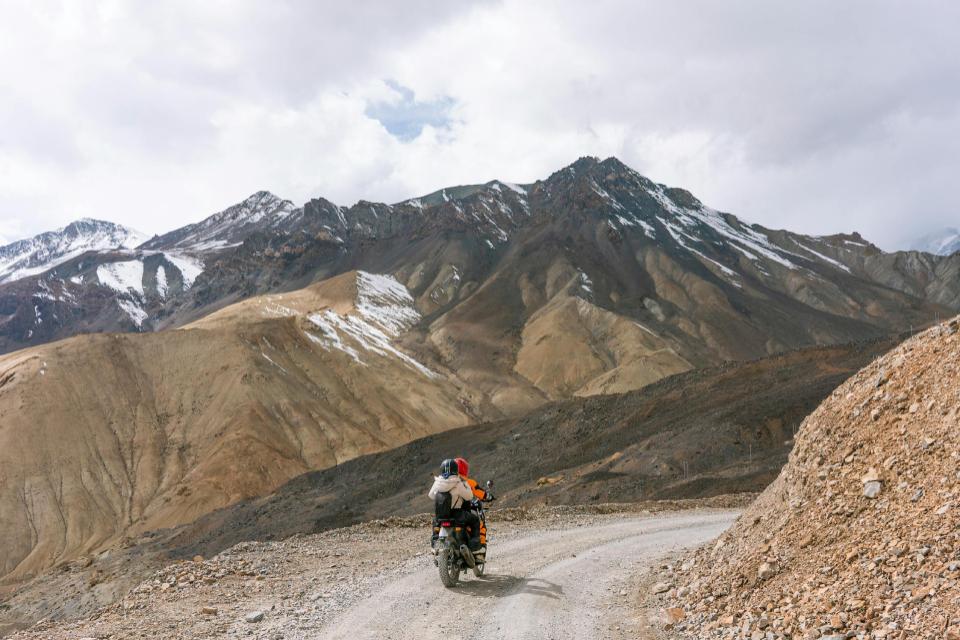
Cons: Overland flights from Pokhara to Jomsom can experience delays due to monsoon clouds in lower regions. Overland 4WD jeep drives are recommended during this season.
Which Mustang Festival Should You Choose?
Choose the Tiji Festival if:
-
You are deeply interested in Tibetan Buddhism, sacred iconography, and ancient monastic customs.
-
You are a photographer looking to capture rich colors, ancient brocade costumes, and ceremonial masked dances.
-
You prefer trekking in spring when the weather across lower transport hubs like Pokhara is clear and warm.
Choose the Yartung Festival if:
-
You want a raw, joyful, and high-energy community experience centered around horse racing and folk traditions.
-
You prefer fewer foreign tourists and want to witness a festival held primarily by locals, for locals.
-
You are planning your journey during July/August and want to exploit Mustang’s rain-shadow climate to trek while the rest of Nepal experiences monsoon.
Essential Travel Tips for Upper Mustang Festival Treks
-
Secure Restricted Area Permits Early: Upper Mustang requires a Restricted Area Permit (RAP) costing USD 500 per person per day, alongside the Annapurna Conservation Area Project (ACAP) entry permit. Independent trekking is now allowed but you must travel with a registered Nepalese agency and a licensed guide.
-
Book Teahouses Well in Advance: During Tiji, accommodations in Lo Manthang reach 100% capacity. Camping options or early lodge reservations through a reputable local tour operator are critical.
-
Respect Local Customs: Always ask for permission before photographing locals, walk clockwise around stupas and mani walls, and dress respectfully inside monasteries.
-
Prepare for Altitude & Dry Air: Upper Mustang averages altitudes between 3,000 to 3,800 meters. Proper hydration, gradual ascent, and lip balm/sunscreen are non-negotiable in the high desert wind.
Conclusion
Whether you wish to witness the sacred monastic dances of the Tiji Festival or feel the thunder of hooves at the Yartung Horse Racing Festival, visiting Upper Mustang is a journey into a living Himalayan museum.
At Best Heritage Tour, our team brings years of ground experience leading heritage expeditions into the Kingdom of Lo. We handle every detail - from special restricted permits and private 4WD transport to experienced local Loba guides and lodge bookings - ensuring your Himalayan journey is seamless and unforgettable.
Contact Best Heritage Tour Today:
Phone / WhatsApp / Viber: +977-9851149197 / +977-9810043046
Email: info@bestheritagetour.com / bestheritagetour@gmail.com
Website: www.bestheritagetour.com
Office: Thamel Marg, Kathmandu, Nepal
Frequently Asked Questions
How much does the permit cost to visit Upper Mustang during the festivals?
Upper Mustang is a restricted region requiring a Restricted Area Permit (RAP) of USD 50 per person per day. You also need an Annapurna Conservation Area Project (ACAP) permit (NPR 3,000 / ~USD 23).
When do the Tiji and Yartung Festivals take place each year?
Dates change annually according to the Tibetan lunar calendar. Tiji takes place in late spring (usually May), while Yartung takes place in late summer (typically August, around the full moon of Janai Purnima).
Can I trek to Mustang during Yartung in August despite the Nepal monsoon?
Yes! Upper Mustang sits in the trans-Himalayan rain shadow behind Dhaulagiri and Annapurna, receiving very little rain. While flight transit to Jomsom can experience monsoon delays, overland 4WD drives from Pokhara make August festival trekking smooth and viable.
Which festival is better for photography between Tiji & Yartung?
Tiji is better for cultural portraiture, monastic mask details (Cham), and vibrant ceremonial colors set against medieval city walls. Yartung is superior for dynamic action shots - high-speed horse racing, bareback stunts, open-field archery, and candid community celebrations.
Author: Best Heritage Tour
Date: 24th August, 2026