Tihar is one of the most colorful and meaningful festivals celebrated in Nepal. Known as the Festival of Lights, it brings together families, communities, animals, music, traditional food, religious rituals, and beautifully decorated homes.
For travelers, Tihar offers a different way to experience Nepal. Instead of seeing the country only through its mountains, temples, and trekking routes, visitors can witness how Nepali families celebrate relationships, prosperity, nature, and life.During Tihar, Kathmandu Valley becomes especially vibrant. Traditional neighborhoods glow with oil lamps and colorful decorations, marigold garlands brighten doorways, and groups gather in the evening to sing and dance.If you are planning to visit Nepal during the autumn season, experiencing Tihar can add a memorable cultural dimension to your journey.
What Is Tihar Festival in Nepal?
Tihar is a five-day Hindu festival celebrated throughout Nepal. Each day has its own meaning and is associated with different forms of worship.
The festival honors crows, dogs, cows, oxen, Goddess Laxmi, and the relationship between brothers and sisters.
One of the most distinctive aspects of Tihar is the way it connects religious beliefs with everyday life. Animals that have traditionally played important roles in Nepali society are honored during the festival, while family members come together for prayers, meals, music, and celebrations.
Tihar is also closely associated with lights. Homes, shops, temples, and streets are decorated with diyo, candles, electric lights, flowers, and colorful patterns.
When Is Tihar in Nepal in 2026?
Tihar follows the lunar calendar, so its dates change each year.
In 2026, Tihar falls in November, making it possible for international visitors to combine the festival with Nepal's popular autumn trekking season.
The five-day celebration includes several important occasions:
Kaag Tihar – Worship of crows
Kukur Tihar – Worship of dogs
Gai Tihar and Laxmi Puja – Worship of cows and Goddess Laxmi
Govardhan Puja and Mha Puja – Worship of oxen and celebration of the self
Bhai Tika – Celebration of the bond between brothers and sisters
Festival dates can vary slightly according to the lunar calendar, so travelers should confirm the local festival calendar when finalizing their itinerary.
Why Is Tihar Called the Festival of Lights?
Lights are one of the most recognizable features of Tihar.
As evening approaches, families illuminate their homes with traditional oil lamps called diyo. Candles and colorful electric lights are also used to decorate buildings, balconies, windows, and courtyards.
During Laxmi Puja, many families create colorful rangoli or mandala-like designs near their entrances. These decorations are traditionally intended to welcome Goddess Laxmi and invite prosperity into the home.Walking through an old neighborhood after sunset can therefore feel completely different from an ordinary evening.
The combination of traditional architecture, flickering lamps, flowers, music, and colorful decorations creates a unique atmosphere that is especially appealing to photographers and cultural travelers.
The Five Days of Tihar
Day 1: Kaag Tihar
The first day of Tihar is known as Kaag Tihar, the day dedicated to crows.Crows are traditionally regarded as messengers associated with Yama, the god of death. Families offer food to crows as part of the day's ritual.
Although the tradition may seem unusual to first-time visitors, it reflects an important element of Nepali culture: showing respect toward animals and the natural world.
Day 2: Kukur Tihar
Kukur Tihar is perhaps the most recognizable Tihar tradition among international travelers.
On this day, dogs are honored with flower garlands, tika, and special food.The tradition recognizes the loyalty and importance of dogs and their association with Hindu mythology.You may see both household pets and street dogs receiving attention during Kukur Tihar. For visitors, it can be a heartwarming sight.
However, travelers should remember that this is a religious tradition. Always ask permission before photographing people or approaching animals closely.
Day 3: Gai Tihar and Laxmi Puja
The third day brings one of the most important evenings of the entire festival.Cows are traditionally honored during the day, while the evening is dedicated to Goddess Laxmi, associated with wealth and prosperity.
Families clean their homes carefully and decorate them with flowers, lights, lamps, and rangoli.After sunset, diyos are placed around homes and entrances.
In many neighborhoods, this is the night when the Festival of Lights truly comes alive.
Travelers walking through Kathmandu Valley can see traditional homes illuminated against the dark evening sky, while families prepare food and perform their household rituals.
Deusi and Bhailo: Music in the Streets
One of the liveliest parts of Tihar is Deusi-Bhailo.
Groups of people visit neighborhoods in the evening, singing traditional songs, dancing, and celebrating together.
The streets can become filled with music and laughter as groups move from one house to another.
Hosts traditionally give offerings or money to the performers, making Deusi-Bhailo an important community tradition.
For visitors, watching these performances is a wonderful way to experience the social side of Tihar.
Rather than treating the performances as a tourist attraction, travelers should observe respectfully and ask permission before taking photographs or videos.
Day 4: Govardhan Puja and Mha Puja
The fourth day includes different traditions among Nepal's communities.
Govardhan Puja is associated with the worship of oxen, animals that have traditionally been important to agriculture. In the Newar community, the day is also marked by Mha Puja, meaning the worship of the self.
Mha Puja is a distinctive Newar tradition that emphasizes self-awareness, well-being, prosperity, and the continuation of life.
Visitors interested in the cultural heritage of Kathmandu Valley can learn much about Newar traditions by experiencing the festival in historic neighborhoods.
Day 5: Bhai Tika
The final day of Tihar is Bhai Tika, a celebration of the relationship between brothers and sisters.Sisters traditionally place colorful tika on their brothers' foreheads and pray for their health, happiness, and long lives.Brothers offer gifts and blessings in return.
The ceremony is deeply personal for Nepali families, and many people travel long distances to reunite with their brothers and sisters.
For travelers, Bhai Tika provides an opportunity to understand the importance of family relationships within Nepali culture.
Best Places to Experience Tihar in Nepal
Although Tihar is celebrated throughout the country, some destinations offer particularly interesting experiences for travelers.
Kathmandu
Kathmandu is an excellent choice for first-time visitors.
The capital offers a mixture of traditional neighborhoods, temples, markets, restaurants, and modern celebrations.
Walking through the city during the evening allows travelers to see both traditional and contemporary expressions of Tihar.
Patan
Patan is ideal for travelers interested in architecture and Newar heritage.
Historic courtyards, temples, traditional houses, and narrow lanes create a beautiful setting for experiencing the festival.
The combination of ancient architecture and Tihar decorations can be especially impressive after sunset.
Bhaktapur
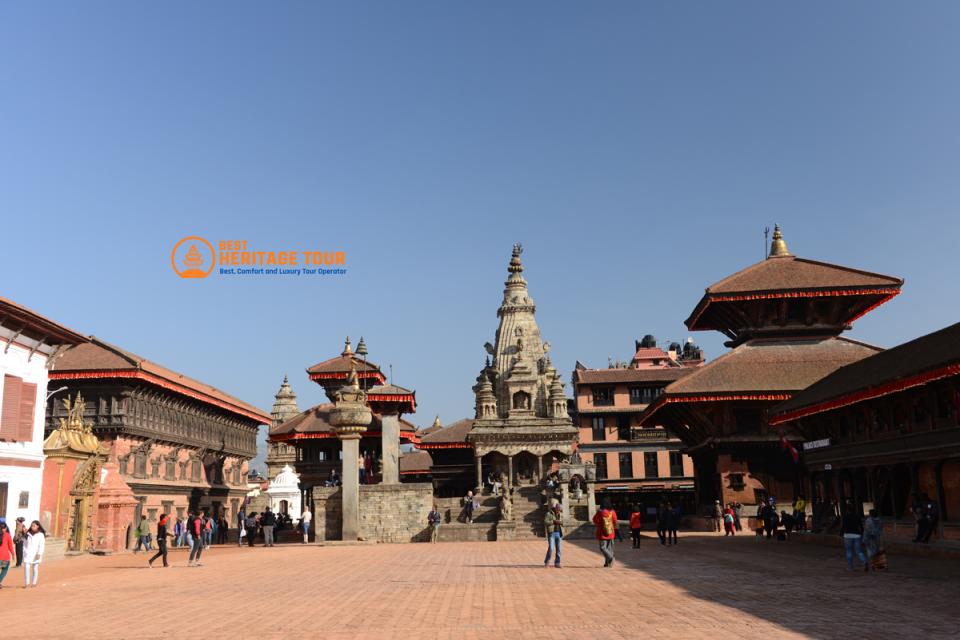
Bhaktapur is another excellent destination for experiencing traditional culture.
Its historic squares, brick streets, temples, and Newar architecture provide a distinctive atmosphere during Tihar.
Travelers interested in cultural photography may find Bhaktapur particularly rewarding.
Rural Nepal
Tihar in a rural village can feel very different from the celebrations in Kathmandu.
Community gatherings, traditional meals, family rituals, locally made decorations, and village music offer a more intimate view of Nepali life.
For travelers planning a trekking holiday, spending time in a village during the festival can create a meaningful combination of adventure and cultural discovery.
Things Travelers Can Do During Tihar
Tihar provides many opportunities for responsible cultural experiences.
Explore Kathmandu After Sunset
Take an evening walk through traditional neighborhoods and observe houses decorated with lamps, flowers, rangoli, and lights.
Visit Historic Cities
Include Patan and Bhaktapur in your itinerary to experience Tihar alongside Nepal's traditional architecture.
Experience Local Food
Try festive foods and traditional Nepali snacks such as sel roti, sweets, fruits, and locally prepared dishes.
Watch Deusi-Bhailo
Enjoy traditional singing and dancing while respecting performers and local residents.
Photograph Festival Decorations
Tihar offers excellent opportunities for photography, particularly in historic neighborhoods. Ask permission before photographing people during private rituals.
Learn About Local Traditions
A knowledgeable local guide can explain the meaning behind the different rituals instead of leaving visitors to simply observe them.
Combine Tihar With Trekking
Autumn is also a popular period for Himalayan trekking. A Tihar holiday can therefore be combined with a trekking adventure before or after the festival.
Tihar and Trekking: Can You Combine Both?
Travelers visiting Nepal in November can combine a cultural Tihar experience with a Himalayan trek.
Depending on your interests and available time, an itinerary could include:
Kathmandu cultural sightseeing
Tihar celebrations
Bhaktapur and Patan
Himalayan trekking
Pokhara sightseeing
Chitwan wildlife experiences
For trekkers, this combination offers something that a mountain-only itinerary cannot provide.
You can experience Nepal's Himalayan landscapes during the day and its living cultural traditions during your time in the cities and villages.
Tihar Food: What Can Travelers Try?
Food plays an important role in Nepali festivals.
During Tihar, families prepare special meals and snacks to share with relatives and guests.
Some foods travelers may encounter include:
Sel roti
Traditional sweets
Rice-based dishes
Fruits and nuts
Homemade snacks
Newari specialties
Festive family meals
Sel roti, a ring-shaped rice bread, is particularly associated with Nepali festivals and is worth trying during your visit.
For a deeper cultural experience, consider enjoying traditional food in a local home or through a carefully arranged cultural experience.
Tihar Photography Tips for Travelers
Tihar is highly photogenic, but good festival photography requires sensitivity.
The warm glow of diyos against traditional brick architecture can produce beautiful evening photographs.
For the best experience:
Ask before photographing people closely.
Avoid interrupting religious ceremonies.
Do not move lamps, flowers, rangoli, or offerings for a photograph.
Use low-light photography techniques rather than strong flash where possible.
Photograph public celebrations rather than private family moments.
Respect people who do not wish to be photographed.
The goal should be to capture the atmosphere of Tihar without turning religious practices into staged tourist scenes.
Travel Tips for Visiting Nepal During Tihar
Plan Accommodation Early
Tihar takes place during a popular travel period. Accommodation in major tourist destinations can become busy, particularly around Kathmandu Valley.
Expect Changes to Normal Schedules
Festival celebrations can affect transportation, opening hours, traffic, and sightseeing schedules.
Keep your itinerary flexible.
Carry Some Local Currency
Small amounts of cash can be useful for local purchases, food, transportation, and spontaneous festival activities.
Respect Local Customs
Remember that Tihar is a religious and family celebration. Dress appropriately when visiting temples and cultural sites.
Be Careful in Crowded Areas
Evening celebrations can bring large crowds. Keep personal belongings secure and stay aware of your surroundings.
Give Yourself Time to Explore
Do not try to rush through several locations in one evening. Choose one or two areas and enjoy the atmosphere.
Why Tihar Should Be Part of Your Nepal Journey
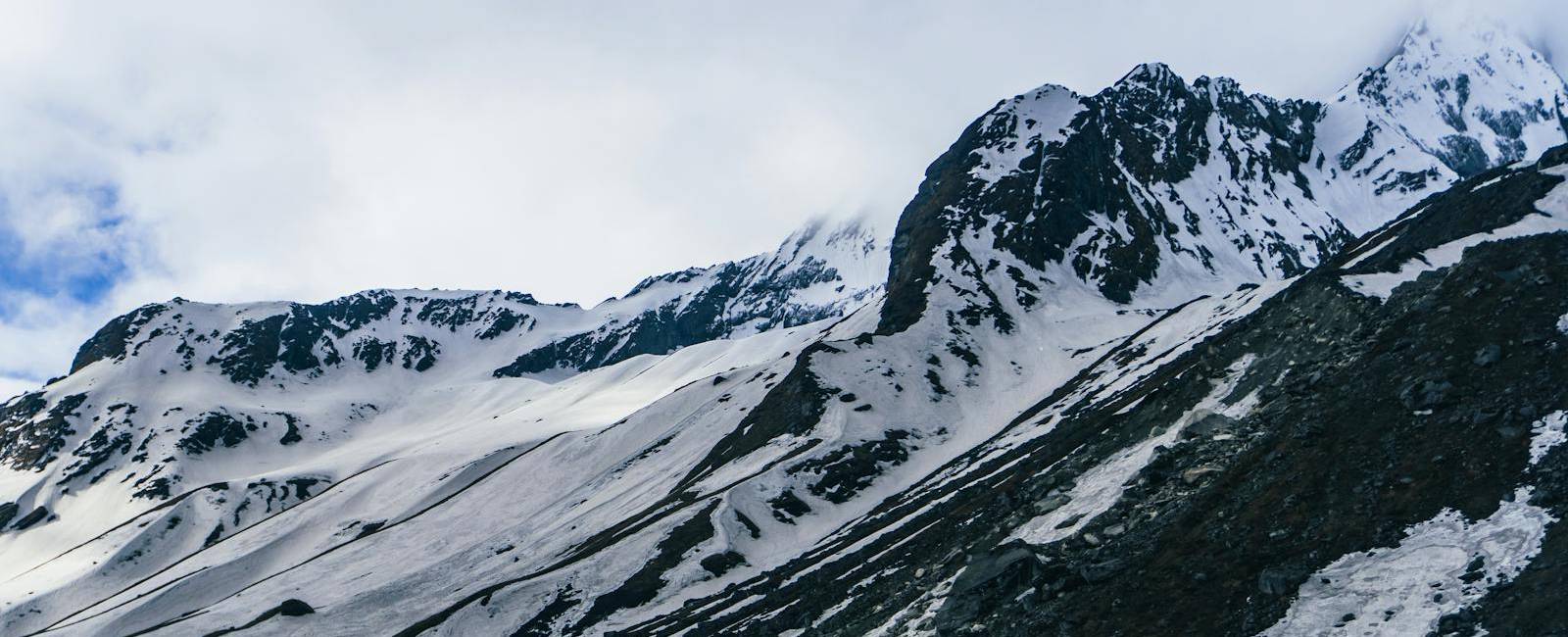
Nepal is famous around the world for Mount Everest, trekking, temples, and Himalayan scenery. But the country's cultural traditions are just as important to understanding Nepal.
Tihar offers a chance to see another side of the country.
You can watch neighborhoods come alive with lights, see dogs honored with flowers and tika, taste traditional festival food, hear Deusi-Bhailo songs, explore historic cities, and observe the strong family connections that make the festival so meaningful.
For travelers who want more than sightseeing, Tihar can become one of the highlights of a Nepal journey.
Plan Your Tihar Experience in Nepal
If you are visiting Nepal in November 2026, consider building your itinerary around Tihar.
A well-planned trip can combine the festival with Kathmandu Valley heritage sightseeing, Himalayan trekking, Pokhara, wildlife adventures, or village experiences.
Whether you are traveling alone, with friends, as a couple, or with family, Tihar offers an opportunity to experience Nepal through its people, traditions, food, music, lights, and living culture.
Come to Nepal for the mountains, stay for the culture, and experience the magic of Tihar.
Conclusion
Tihar in Nepal is more than a festival of lights. It is a beautiful celebration of family, faith, animals, prosperity, and community. From the colorful traditions of Kukur Tihar and the glowing diyos of Laxmi Puja to the joyful songs of Deusi-Bhailo and the emotional celebration of Bhai Tika, each day reveals a different side of Nepalese culture.
For travelers, experiencing Tihar is an opportunity to see Nepal beyond its mountains and trekking trails. The illuminated streets of Kathmandu, the historic courtyards of Patan and Bhaktapur, traditional food, local music, and welcoming communities create an unforgettable cultural experience.
At Best Heritage Tour, we help travelers experience Nepal in a more meaningful way. Whether you want to enjoy Tihar celebrations, explore Kathmandu Valley's heritage sites, trek through the Himalayas, or combine cultural experiences with adventure, our local team can create a safe, comfortable, and personalized journey for you.
Contact Best Heritage Tour
Ready to experience Tihar and discover the cultural beauty of Nepal? Get in touch with our travel experts to plan your personalized Nepal holiday:
Phone / WhatsApp / Viber: +977-9851149197 / +977-9810043046
Email: info@bestheritagetour.com / bestheritagetour@gmail.com
Website: www.bestheritagetour.com
Office: Thamel Marg, Kathmandu, Nepal
Frequently Asked Questions (FAQs)
What is Tihar in Nepal?
Tihar is a five-day festival celebrated in Nepal that honors crows, dogs, cows, oxen, Goddess Laxmi, and the special relationship between brothers and sisters. It is widely known as the Festival of Lights.
Why is Tihar called the Festival of Lights?
Tihar is known as the Festival of Lights because families decorate their homes, temples, courtyards, and streets with diyos, candles, electric lights, flowers, and colorful rangoli during the festival.
What are the main celebrations of Tihar?
The main celebrations include Kaag Tihar, Kukur Tihar, Gai Tihar and Laxmi Puja, Govardhan Puja and Mha Puja, and Bhai Tika.
What is Kukur Tihar?
Kukur Tihar is the second day of Tihar, when dogs are honored with flower garlands, tika, and special food as a symbol of respect for their loyalty and importance in human life.
What is Laxmi Puja during Tihar?
Laxmi Puja is one of the most important evenings of Tihar. Families clean and decorate their homes with lights, flowers, diyos, and rangoli before worshipping Goddess Laxmi, who is associated with wealth and prosperity.
What can travelers experience during Tihar in Nepal?
Travelers can explore illuminated heritage neighborhoods, observe traditional rituals, experience Deusi-Bhailo performances, taste festive Nepali food, visit Kathmandu, Patan and Bhaktapur, and learn about local customs.
Is Tihar a good time to visit Nepal?
Yes. Tihar offers travelers a unique opportunity to experience Nepalese culture and traditions. It can also be combined with sightseeing, cultural tours, and Himalayan trekking, depending on the itinerary.
Should I book a Tihar trip to Nepal in advance?
Yes. Tihar takes place during a popular travel period, so booking accommodation, transportation, guides, and tours in advance is recommended, especially if you plan to combine the festival with trekking.
Author: Best Heritage Tour
Date: 29th August, 2026