Things to Do in the Kanchenjunga Circuit Trek
When it comes to experiencing the raw, unedited grandeur of the Himalayas, few trails on Earth can match the sheer scale and isolation of the Kanchenjunga Circuit Trek. Skirting the border of eastern Nepal, Sikkim, and Tibet, this legendary route circles Mount Kanchenjunga - the third-highest peak in the world, towering at an astonishing 8,586 meters (28,169 feet).
For modern adventurers seeking an alternative to the crowded thoroughfares of the Annapurna or Everest regions, the Kanchenjunga Circuit Trek is the holy grail of off-the-beaten-path wilderness trekking. This epic loop does not force you to choose between the deep valleys of the south or the dramatic alpine amphitheaters of the north; instead, it binds them into a comprehensive journey crossing rugged high-mountain passes.
As a travel company deeply rooted in local heritage, Best Heritage Tour has guided intrepid souls across these pristine trails for years. We know that a trek of this magnitude is not just about counting days or accumulating altitude - it is about immersion.
If you are planning this bucket-list expedition, you are likely wondering: What are the things one cannot miss during the Kanchenjunga Circuit Trek? To ensure you maximize every step of this demanding loop, our experienced city tour guides and mountain specialists have curated the definitive list of the 10 best things to do in the Kanchenjunga Circuit Trek, spanning both the South and North Base Camps.
1. Stand in the Shadows of History at Pangpema (North Base Camp)
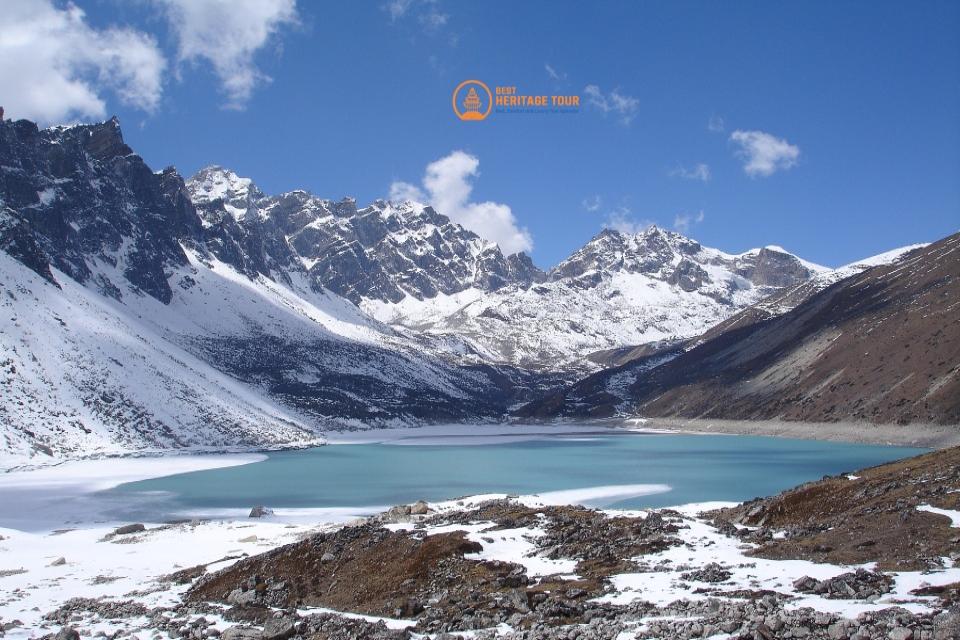
Reaching Pangpema, the official Kanchenjunga North Base Camp at an elevation of 5,143 meters (16,873 feet), is an emotional and physical milestone. The trek up from the high settlement of Lhonak takes you alongside the massive debris-covered moraine of the Kanchenjunga Glacier.
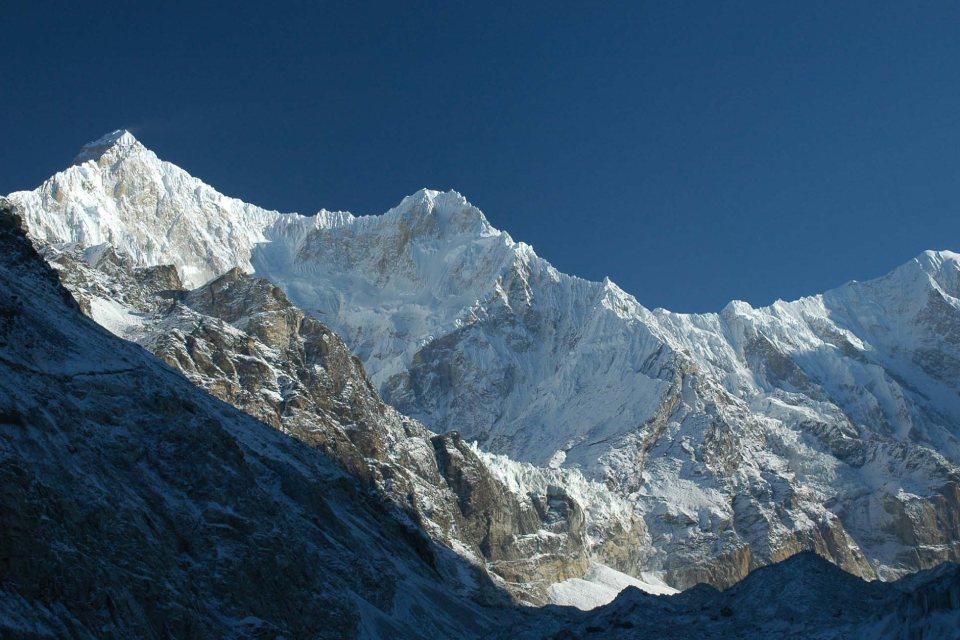
When you finally step into the expansive flats of Pangpema, the north face of Kanchenjunga reveals itself like a colossal wall of ice, rock, and hanging glaciers. Unlike other base camps in Nepal, you won’t find commercialized tent cities or tea house strips here. It is silent, vast, and deeply spiritual.
Why You Can’t Miss It:
-
The Scale: You get an uninterrupted, neck-straining view of the main peak alongside its satellite giants: Kambachen (7,903m) and Yalung Kang (8,505m).
-
The Solitude: It offers a rare chance to sit at 5,000+ meters in absolute solitude, watching avalanches roar harmlessly down distant slopes.
-
Wildlife Spotting: The rocky ridges surrounding Pangpema are prime territory for spotting herds of Himalayan blue sheep (bharal) grazing against the steep cliffs.
2. Witness the Intimate Splendor of Oktang Viewpoint (South Base Camp)
The beauty of the full Kanchenjunga Circuit Trek is its symmetry. After experiencing the sheer wall of the North Face, navigating the high passes brings you to the dramatic southern amphitheater. The absolute highlight of the southern sector is the hike to Oktang Viewpoint, which serves as the gateway to the Kanchenjunga South Base Camp.
Situated at approximately 4,730 meters, Oktang rests right on the edge of the rolling Yalung Glacier. Here, the perspective changes entirely. You are treated to a close-up, intimate look at the sacred south wall of Kanchenjunga and the striking ridge lines of Kabru (7,412m) and Rathong (6,678m).
3. Test Your Limits Across the Triple High Passes (Sele La, Mirgin La, and Sinelapche La)
If you ask our expedition leaders what are the things one cannot miss during the Kanchenjunga Circuit Trek, crossing the high ridges connecting the north and south valleys is always top of mind. To successfully bridge the two base camps, you must conquer a series of consecutive, high-altitude passes: Sele La (4,290m), Mirgin La (4,665m), and Sinelapche La (4,840m).
This is the most physically demanding portion of the entire loop, but it yields the greatest rewards. Walking along these high alpine ridges feels like trekking on the roof of the world.
On a clear autumn or spring morning, the panoramic views from the top of the passes are mind-blowing. To the west, if the weather gods cooperate, you can spot the distant, unmistakable silhouette of Mount Everest and Makalu cutting through the horizon.
4. Experience Authentic Tibetan Culture in Ghunsa Village
As a travel company committed to sustainable, heritage-driven tourism, we believe the human footprint of this trek is just as spectacular as the geographic one. Ghunsa (3,590m) is the cultural heart of the northern valley. It is a stunning, traditional Tibetan-Buddhist village constructed almost entirely of dark, intricately carved timber houses.
Spending an acclimatization day in Ghunsa allows you to step away from the physical grind and connect with the local community. You can wander through ancient monasteries decorated with weathered thangka paintings, watch women weave traditional wool blankets on hand-built looms, and experience hospitality that hasn't been diluted by mass tourism.
5. Take a Side Trip to the Dramatic Jannu Himal Base Camp
Many trekkers on a rushed itinerary make the mistake of pushing directly from Ghunsa to Lhonak without stopping. At Best Heritage Tour, we design our itineraries with a mandatory acclimatization stop at Kambachen (4,050m), which unlocks one of the best hidden gems in the region: a side excursion to the base of Jannu Himal (also known as Mount Kumbhakarna).
Jannu (7,710m) is notorious in the mountaineering world as one of the most technically difficult and terrifying peaks to climb, earned by its vertical, fortress-like granite north face. The hike from Kambachen to the Jannu viewpoint reveals a vertical wall of rock and hanging ice that shoots straight into the sky. It is a stark, jaw-dropping display of geological power that will leave you feeling delightfully small.
6. Savor Local Limbu Hospitality and Try Authentic "Tongba"
Long before you ascend into the high-altitude Buddhist zones, the lower stretches of the Kanchenjunga Circuit Trek wind through vibrant, terraced agricultural hillsides populated by the Limbu and Rai ethnic groups. This lower region, surrounding settlements like Taplejung, Chiruwa, and Sukethum, offers a fascinating look at indigenous eastern Nepalese culture.
One of the best ways to immerse yourself after a long, exhausting day of hiking is to experience a traditional Limbu evening. Our guides love introducing travelers to Tongba - the traditional, communal alcoholic beverage of the eastern hills.
7. Track Rare Wildlife in the Kanchenjunga Conservation Area (KCA)
The entirety of this trek cuts directly through the Kanchenjunga Conservation Area (KCA), a massive, tri-national peace park that borders Sikkim (India) and Tibet (China). Because of its remote location and minimal human encroachment, the KCA serves as one of the final, critical sanctuaries for endangered Himalayan wildlife.
As you move through the diverse eco-zones - ranging from lush subtropical bamboo corridors to dense subalpine forests of rhododendron, oak, and silver fir - keep your eyes peeled and your camera ready.
What to Look For:
-
The Red Panda: The bamboo thickets between Gyabla and Ghunsa are prime habitats for the elusive, tree-dwelling red panda.
-
Avian Wonders: The region boasts over 250 bird species. Look out for the iridescent Himalayan Monal (Danphe, Nepal’s national bird) bursting from the brush, or blood pheasants darting through the snow.
-
High-Alpine Mammals: Look for herds of Himalayan tahr, musk deer, and blue sheep navigating the high moraines. While you would have to be incredibly lucky to spot the legendary Snow Leopard, our guides frequently point out fresh tracks left behind on the high-altitude glacial paths.
8. Walk Through a Living Canvas of Rhododendron Forests in Spring
If you choose to book your expedition with Best Heritage Tour during the spring season (late March to May), the lower and middle elevations of the Kanchenjunga trail transform into an unbelievable visual spectacle. Eastern Nepal receives higher rainfall than western parts of the country, making its forests incredibly lush and rich in biodiversity.
The region is famous for housing dozens of unique species of rhododendron (Nepal’s national flower). As you hike between Lalikharka, Mamankhe, and Gyabla, entire mountain valleys explode into vibrant shades of crimson, pink, white, and deep purple. Walking through these ancient, moss-covered forests under a canopy of blooming wild flowers feels like stepping directly into a fantasy novel.
9. Marvel at the Snout and Icefalls of the Massive Yalung and Kanchenjunga Glaciers
For geography buffs and nature lovers, the Kanchenjunga Circuit Trek provides unparalleled access to some of the largest, most active glacial systems in the entire Himalaya. You don't just view these glaciers from a distant ridge; you walk alongside them, listen to them crack, and explore their massive, rocky snouts.
On the north side, you will trace the edge of the debris-laden Kanchenjunga Glacier, marveling at how rivers of ice slowly carve away the foundations of 8,000-meter peaks. On the south side, the trail leads you parallel to the Yalung Glacier. Watching the sun melt the edges of massive icefalls, sending turquoise glacial streams roaring down into the lower valleys, is a powerful reminder of the earth's natural lifecycles.
10. Disconnect Completely in a Raw, "Expedition-Style" Tea House Wilderness
For many seasoned trekkers, the true luxury of Kanchenjunga is what it lacks. You won’t find bakery chains, Wi-Fi hotspots at every corner, or crowded souvenir shops along this trail. While basic, comfortable tea houses have popped up across the route over the last decade, the area still retains a rugged, rustic, "expedition-style" charm.
Disconnecting from the non-stop digital noise of modern life and fully committing to the wilderness is one of the greatest gifts this trek offers. Your daily rhythm simplifies beautifully:
-
Wake up to the smell of woodsmoke and hot ginger tea.
-
Hike through pristine landscapes for 6 to 8 hours.
-
Track your progress using paper maps and trail markers.
-
Spend your evenings chatting with fellow trekkers and local guides under a night sky completely free of light pollution, where the Milky Way burns bright over the snowy peaks.
Conclusion
The Kanchenjunga Circuit Trek is not a journey to be taken lightly. Because of its remote location, unpredictable mountain weather, high-altitude passes, and sparse infrastructure, seamless logistics and expert guiding are absolutely vital to your safety and enjoyment.
At Best Heritage Tour, we don't just book itineraries - we curate heritage experiences. We take care of all the heavy lifting - from securing your specialized restricted area permits and organizing reliable domestic flights to Bhadrapur, to providing top-tier porters.
Are you ready to leave the crowds behind and step into the true, untouched heart of the eastern Himalayas?
Plan Your Dream Expedition with Us
Phone / WhatsApp / Viber: +977-9851149197 / +977-9810043046
Email: [email protected] / [email protected]
Website: www.bestheritagetour.com
Office: Thamel Marg, Kathmandu, Nepal