Nepal is far more than an adventurer's playground of jagged, snow-capped peaks and winding alpine trails. It is a living, breathing sanctuary where spiritual devotion is woven tightly into the fabric of everyday life. For trekkers resting their weary legs after an intense trek in the Annapurna or Everest regions, and for cultural travelers seeking a deeper connection to ancient traditions, this land offers profound spiritual landscapes.
From the synchronized chanting of monks in high-altitude Himalayan retreats to the sweet scent of burning incense drifting through stone-carved pagoda squares, Nepal’s spiritual heritage is mesmerizing.
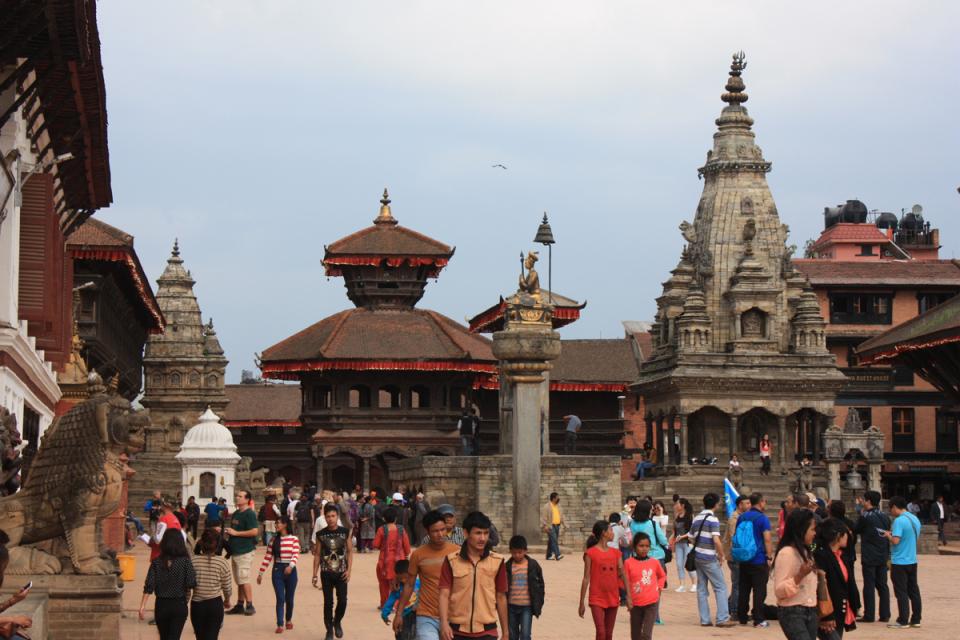
If you are planning a trip to this beautiful country, you are likely wondering: What are the Famous Temples and Monasteries to Visit in Nepal? To help you design an unforgettable itinerary, we at Best Heritage Tour have compiled this definitive, local guide to the most significant spiritual landmarks across the country.
Why Nepal's Spiritual Sites are Globally Unique
What makes the Famous Temples and Monasteries to Visit in Nepal stand out globally is the beautiful harmony between Hinduism and Buddhism. Here, the boundaries between these two distinct faiths soften into mutual respect. It is completely common to see a Hindu practitioner lighting a butter lamp at a Buddhist stupa, or a Buddhist devotee bowing before a Hindu deity.
For international tourists, visiting these sacred spaces is not merely about checking off historical monuments. It is an immersive sensory journey. You will walk alongside local pilgrims spinning copper prayer wheels, listen to the deeply resonant chime of ancient bronze bells, and admire centuries-old architecture that has survived major earthquakes.
Whether you are looking for architectural masterworks in the crowded alleys of the Kathmandu Valley or peaceful monasteries hidden away in the shadows of towering mountains, these sites offer a profound sense of peace and perspective.
Famous Temples to Visit in Nepal
The Hindu traditions of Nepal are deeply tied to its royal history and natural geography. Rivers, hills, and caves are regularly revered as places where the divine touches the earthly world. Below are the essential, must-visit Hindu temples to include on your journey.
1. Pashupatinath Temple: The Epicenter of Hindu Devotion
Situated along the banks of the sacred Bagmati River in Kathmandu, Pashupatinath Temple is widely considered the most sacred temple dedicated to Lord Shiva in the world. This sprawling, gold-roofed pagoda complex is a vibrant, bustling epicenter of faith and ritual.
While the main inner courtyard is strictly reserved for Hindu practitioners, international travelers can easily view the magnificent multi-tiered pagoda architecture, the massive bronze statue of Nandi the bull, and the historic stone shrines from the eastern banks of the river.
-
What to look for: As you explore, you will encounter the Sadhus - ascetic holy men with painted faces and long, matted hair who have renounced worldly possessions.
-
The Evening Ritual: We highly recommend visiting in the late afternoon to witness the daily Bagmati Aarati. This mesmerizing evening ritual involves priests rotating massive oil lamps in sync with traditional hymns, ringing bells, and beating drums. It is a powerful, deeply moving experience that lingers in your memory long after you return home.
-
Traveler Insider Tip: Be mindful and deeply respectful on the riverbanks, as the stone platforms (ghats) are actively used for traditional open-air Hindu cremations.
2. Muktinath Temple: The Sacred Ground of Liberation
For trekkers navigating the famous Annapurna Circuit, Muktinath Temple is a legendary highlight. Situated at an impressive altitude of 3,710 meters (12,171 feet) at the base of the Thorong La mountain pass in the Mustang district, this unique site is highly sacred to both Hindus and Buddhists.
Hindus call this place Mukti Kshetra, which translates literally to the "Place of Liberation or Salvation." They believe bathing here washes away a lifetime of negative karma. Buddhists worship the central deity as Chumig Gyatsa, honoring it as a sacred manifestation of Avalokiteshvara, the Bodhisattva of Compassion.
-
Key Architectural Features: The main pagoda-style temple is surrounded by an outer wall containing 108 brass water spouts shaped like stylized bull heads. Despite the freezing mountain temperatures, devout pilgrims walk directly under these spouts to purify themselves.
-
The Eternal Flame: Just a short walk from the main temple sits the Jwala Mai monastery, where an eternal natural gas flame burns directly on top of a small water spring, perfectly illustrating the elements of earth, water, and fire coexisting in one sacred spot.
3. Changu Narayan Temple: A Living Museum of Ancient History
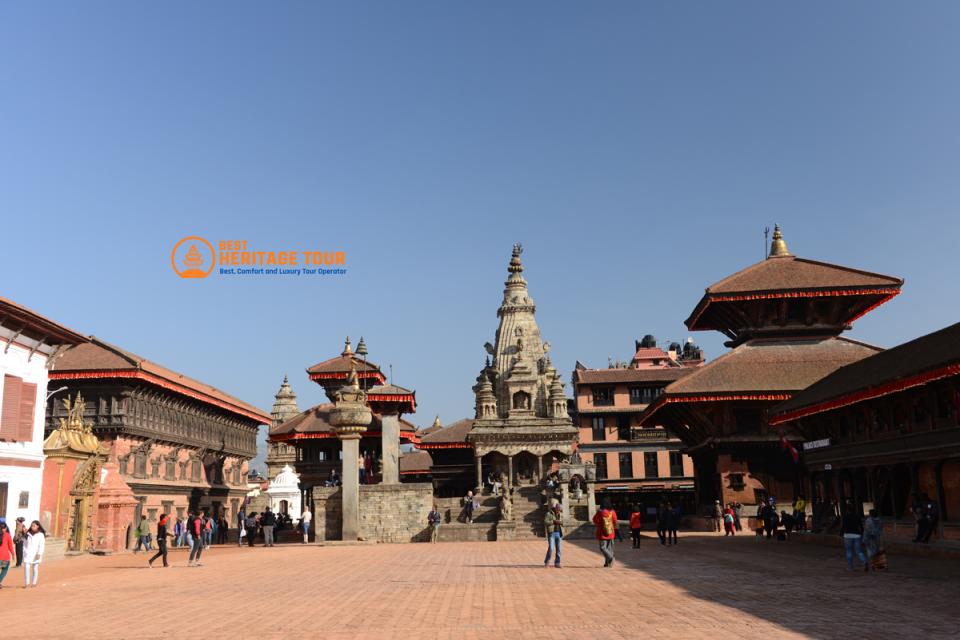
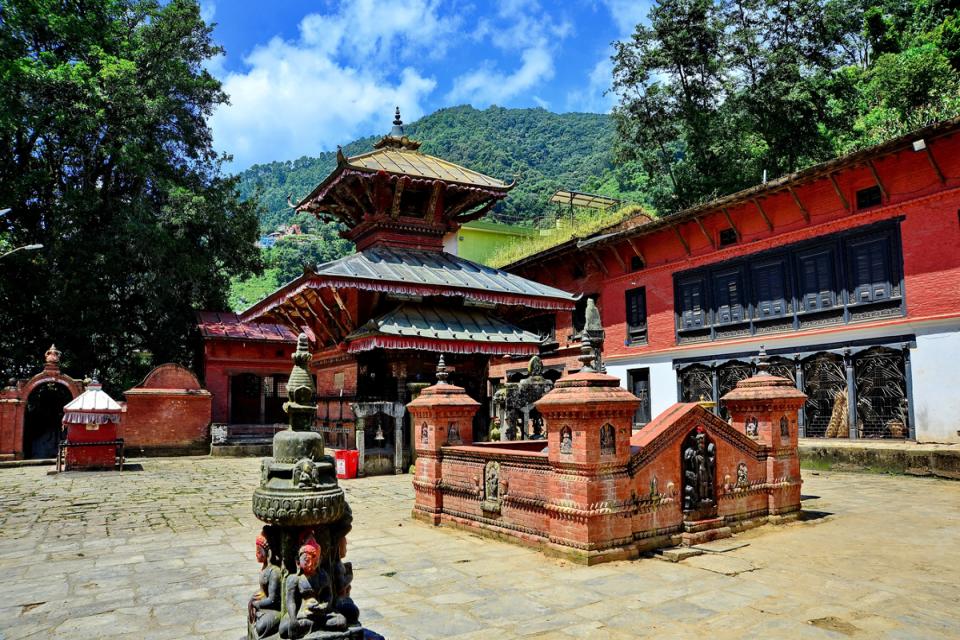
If you want to step away from the busier tourist trails and dive straight into ancient history, Changu Narayan Temple is a spectacular choice. Perched on a scenic, pine-covered ridge about 12 kilometers east of Kathmandu near Bhaktapur, it is widely recognized as the oldest standing Hindu temple complex in Nepal, with origins dating back to the 4th-century Lichhavi dynasty.
Dedicated to Lord Vishnu, Changu Narayan is an absolute masterpiece of traditional Newari craftsmanship. The double-roofed temple features incredibly detailed wood carvings of multi-armed deities holding up the eaves, alongside exquisite stone sculptures that have survived for over a thousand years.
-
Historical Significance: Near the main entrance stands a stone pillar erected by King Manadeva in 464 AD. This is the oldest recorded inscription found in Nepal, making the entire temple courtyard a vital historical archive.
-
The Experience: The atmosphere here is wonderfully quiet and unhurried. Walking through the stone-paved courtyard allows you to admire the art without the large crowds found closer to the city center.
4. Janaki Temple: A Masterpiece of Bright Rajput Architecture
Located in the southern plains of Nepal within the historic city of Janakpur, the Janaki Temple offers a stark and fascinating visual contrast to the classic wooden pagodas of the Kathmandu Valley. This massive, brilliant white structure is built entirely in the ornate Rajput and Mughal architectural styles, featuring grand domes, elegant archways, and multi-storied turrets.
The temple is dedicated to Goddess Sita (also known as Janaki), the heroine of the ancient epic Ramayana. Janakpur is celebrated as her birthplace and the setting for her wedding to Lord Ram.
-
The Vibrant Atmosphere: The temple functions as a colorful, living center for pilgrims coming from all over Nepal and neighboring India. The surrounding courtyards are always alive with traditional Maithili music, chanting, and festivals.
-
The Vivah Mandap: Right next to the main temple sits the Vivah Mandap, a special shrine that marks the exact legendary spot where Ram and Sita were wed, decorated with life-sized statues portraying the ancient wedding scene.
Famous Monasteries to Visit in Nepal
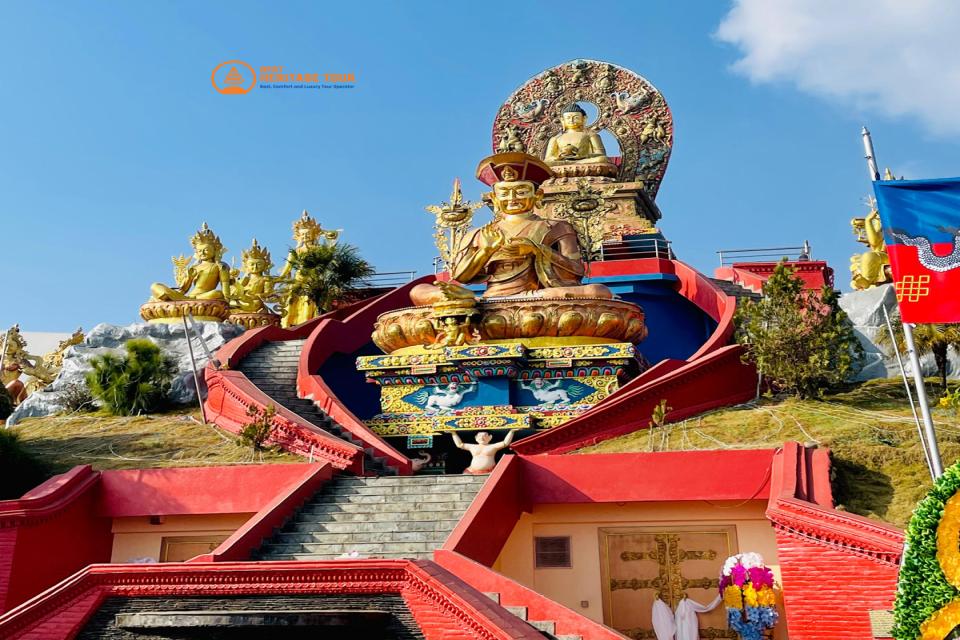
For travelers seeking a quiet space for self-reflection, meditation, or a deeper look into Tibetan Buddhist philosophy, the Famous Monasteries to Visit in Nepal provide an incredibly welcoming escape. Here are the most spiritually significant stupas and monasteries to explore.
5. Boudhanath Stupa: The Heart of Tibetan Buddhism
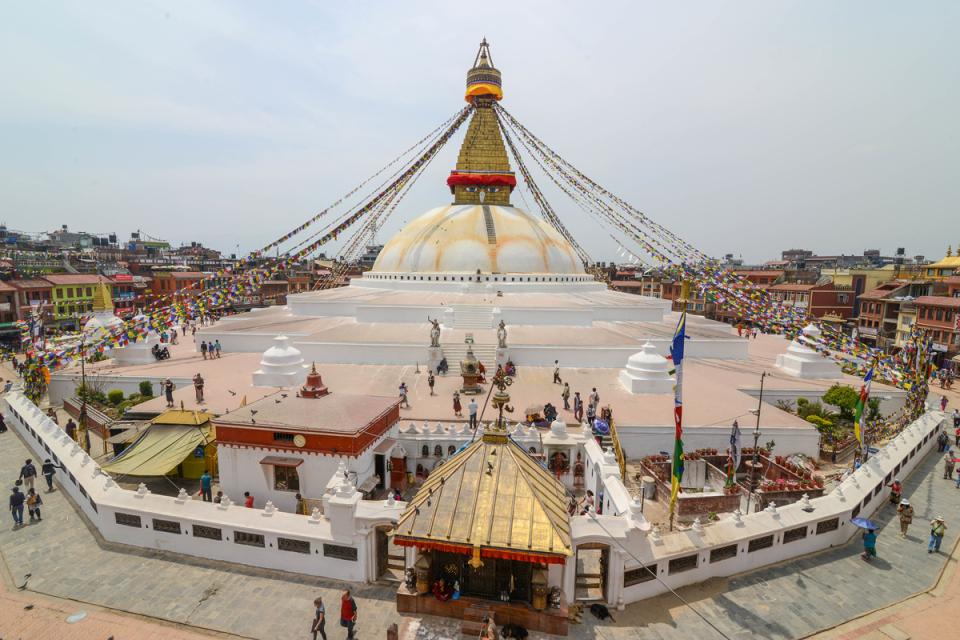
Dominating the northeastern skyline of Kathmandu, Boudhanath Stupa is one of the largest spherical stupas in the world and the undisputed cultural heart of Nepal's Tibetan Buddhist community.
The stupa's massive white dome represents the element of earth, while the square golden tower rising above it features the iconic, compassionate eyes of the Buddha looking out in all four cardinal directions.
-
The Pilgrim's Path: The best time to experience Boudhanath is during the early morning or late afternoon. This is when hundreds of locals gather to perform kora - the ritual practice of walking clockwise around the massive base of the stupa while spinning brass prayer wheels and chanting the sacred mantra, Om Mani Padme Hum.
-
Surrounding Monasteries: The circular street surrounding the stupa is packed with colorful Tibetan shops, cozy rooftop cafes, and more than 50 smaller Tibetan monasteries (known locally as Gumpas). You can easily walk into many of these monasteries to see young monks studying or admire the brilliant wall frescoes.
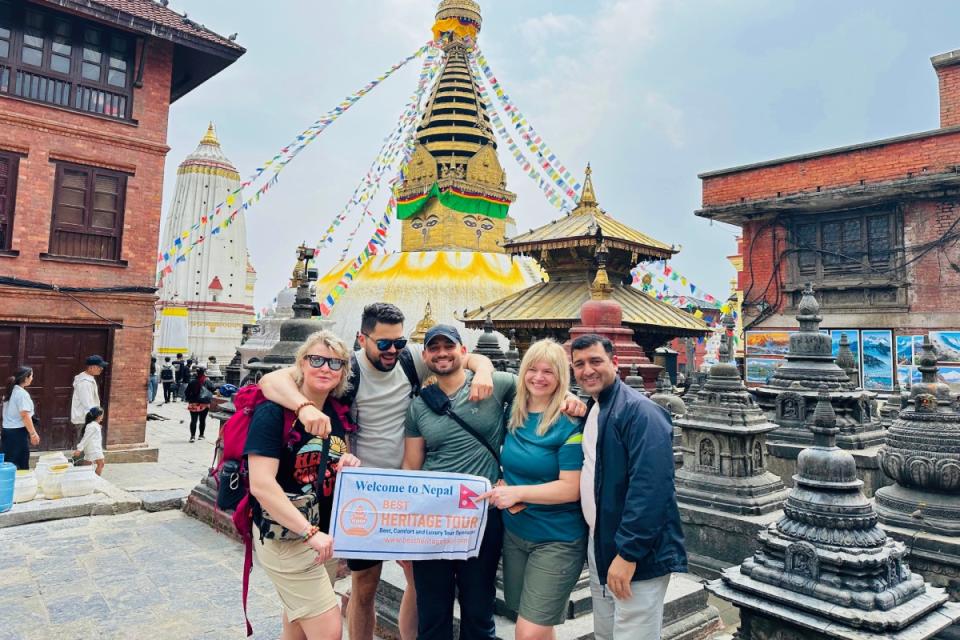
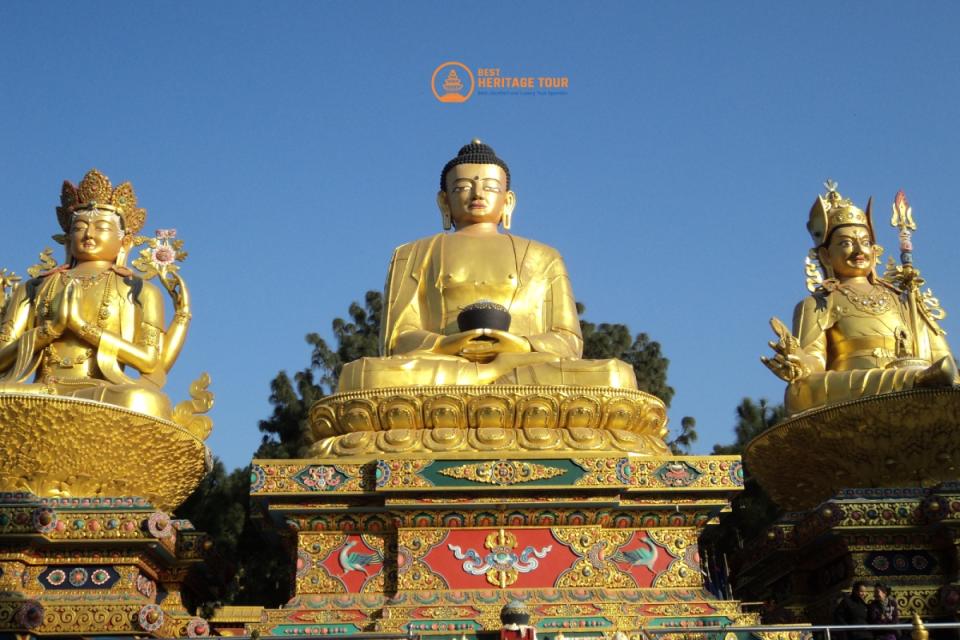
6. Swayambhunath Stupa: The Ancient Monkey Temple
Perched on a hill to the west of Kathmandu, Swayambhunath Stupa is one of the oldest and most recognizable spiritual landmarks in the country. To reach the top, visitors climb a steep flight of 365 worn stone steps, flanked by expressive stone sculptures and playful rhesus macaques - the reason it is affectionately known worldwide as "The Monkey Temple."
According to local legend, the entire Kathmandu Valley was once a massive, deep lake. A miraculous lotus blossomed in the center of the water, radiating a brilliant light. The Bodhisattva Manjushri later cut a gorge through the surrounding hills with his sword of wisdom to drain the lake, leaving the lotus to transform into the sacred hill of Swayambhunath.
-
The Panoramic View: Reaching the top rewards you with a breathtaking, 360-degree panoramic view of the entire Kathmandu Valley floor, framed nicely by the distant green hills.
-
A Fusion of Faiths: The hilltop is a beautiful clutter of small Buddhist shrines, Hindu temples, votive stupas, and rows of fluttering prayer flags, perfectly encapsulating Nepal's unique religious harmony.
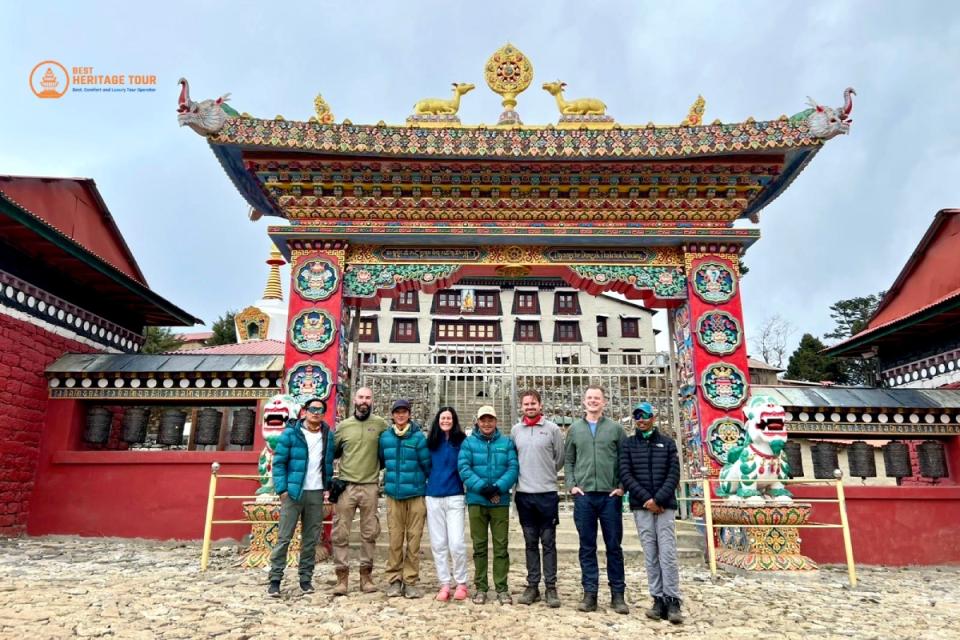
7. Tengboche Monastery: Spiritual Guardian of Mount Everest
For trekkers heading toward Everest Base Camp, Tengboche Monastery (also known as Dawa Choling Gompa) is a world-famous milestone. Perched on a high ridge at an elevation of 3,867 meters (12,687 feet) in the Khumbu region, it is the leading cultural and spiritual center for the local Sherpa people.
The monastery sits against an iconic backdrop, with the sharp ridges of Ama Dablam, Everest, and Lhotse rising dramatically directly behind its brightly painted roofs.
-
Resilience and History: Originally built in 1916, Tengboche has shown incredible resilience, having been completely rebuilt twice - first after a major earthquake in 1934, and again after a devastating electrical fire in 1989.
-
The Mani Rimdu Festival: If you plan your trek during October or November, you might be lucky enough to witness the spectacular Mani Rimdu Festival. This vibrant celebration features monks wearing intricate, colorful masks and heavy silk robes performing ritual dances to defeat negative energies.
8. Kopan Monastery: A Gateway to Buddhist Philosophy
Situated on a peaceful hill just north of Boudhanath, Kopan Monastery was established in the late 1960s by Lama Thubten Yeshe and Lama Zopa Rinpoche. Unlike many remote monastic retreats, Kopan is internationally famous for opening its doors to foreign travelers looking to study Tibetan Gelug Buddhism.
-
Educational Opportunities: The monastery regularly hosts popular residential meditation courses, ranging from short 7-day introductions to intense month-long silent retreats. Here, you can learn directly from Tibetan scholars about the nature of the mind, mindfulness practices, and compassionate living.
-
The Grounds: Even if you only visit for an afternoon, the beautifully landscaped gardens, intricate prayer wheels, and calm, quiet environment offer a wonderful mental break from the busy traffic of Kathmandu below.
9. Maya Devi Temple & The Monastic Zone of Lumbini
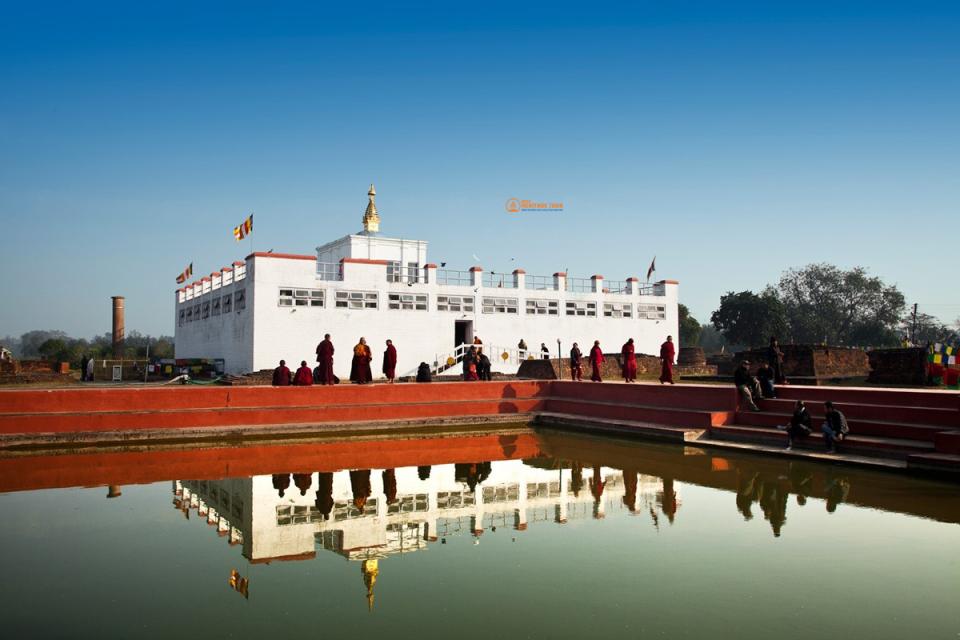
No guide to the Famous Temples and Monasteries to Visit in Nepal would ever be complete without mentioning Lumbini, the birthplace of Siddhartha Gautama, who later became the Buddha. Located in the flat Terai plains of southwestern Nepal, it is a designated UNESCO World Heritage Site and one of the four core holy places in Buddhism.
At the very heart of the sacred garden sits the Maya Devi Temple, a protective white structure built over the precise archaeological foundations marking the Buddha's birth.
-
Key Historic Artifacts: Inside the temple, a marker stone indicates the exact birth spot under the watchful eye of researchers. Just outside stands the historic sandstone Ashoka Pillar, erected by the Indian Emperor Ashoka in 249 BC, featuring an inscription that explicitly confirms Lumbini as the Buddha's birthplace.
-
The Global Monastic Zone: Surrounding the sacred garden is a massive, dedicated Monastic Zone where Buddhist communities from all over the world have constructed stunning monasteries showcasing their unique national architecture. You can easily spend an entire day cycling between the ornate, gold-leafed Thai monastery, the grand Chinese pagoda, and the artistic German and Austrian temple centers.
Practical Reference Guide for Travelers
To make your journey smooth and respectful, we have organized a quick reference table outlining locations, best visiting times, and key features for these iconic destinations.
|
Sacred Site |
Primary Location |
Optimal Time to Visit |
Essential Highlight for Travelers |
|---|---|---|---|
|
Pashupatinath Temple |
Kathmandu (Bagmati River) |
Late Afternoon (5:30 PM - 7:30 PM) |
Watching the mesmerizing evening Bagmati Aarati ritual |
|
Boudhanath Stupa |
Kathmandu (Northeast) |
Sunrise or Sunset |
Walking the clockwise kora path alongside pilgrims |
|
Swayambhunath Stupa |
Kathmandu (West Hill) |
Early Morning |
Sweeping panoramic views of the entire valley |
|
Changu Narayan |
Near Bhaktapur |
Mid-Day Exploration |
Examining the oldest stone inscriptions in Nepal (464 AD) |
|
Muktinath Temple |
Mustang Region |
Mar-May & Sep-Nov |
Walking under the 108 sacred brass water spouts |
|
Tengboche Monastery |
Khumbu (Everest Region) |
October/November |
Witnessing the masked dances during Mani Rimdu |
|
Maya Devi Temple |
Lumbini |
November to February |
Standing next to the ancient 3rd-century BC Ashoka Pillar |
Essential Cultural Etiquette for Visiting Sacred Sites
When exploring the Famous Temples and Monasteries to Visit in Nepal, keeping a few simple cultural norms in mind ensures you show respect to local worshippers and feel entirely welcome:
-
Dress Moderately: Ensure your shoulders and knees are covered. Avoid thin or revealing clothing when entering temple grounds or monastic halls.
-
Remove Shoes and Leather Goods: Always take off your shoes before stepping into a temple's inner shrine or a monastery's main prayer room. At strictly traditional Hindu sites like Pashupatinath, you may also be asked to remove leather items like belts or bags.
-
Walk Clockwise: When walking around stupas, shrines, or mani walls, always walk in a clockwise direction. This is a traditional sign of respect across both Hinduism and Buddhism.
-
Ask Before Taking Photos: Never take photos of people praying, meditating, or participating in cremation rituals without asking first. Photography is strictly forbidden inside the main prayer halls of almost all monasteries.
-
Avoid Physical Affection: Public displays of affection are considered inappropriate near holy ground.
Conclusion
Nepal’s holy places are not frozen museum exhibits; they are vibrant, beating hearts of culture and community. Whether you are standardizing your trekking itinerary to include a stop at the high-altitude Tengboche Monastery, looking to find inner peace at Kopan, or exploring the ancient stone courtyards of Pashupatinath, these destinations offer a rare glimpse into a deeply spiritual way of living.
Planning a respectful, seamless tour of these complex historical spaces requires local expertise, reliable transport, and careful coordination. We at Best Heritage Tour specialize in crafting customized, authentic itineraries that handle all the logistics for you, allowing you to focus entirely on the beauty of the journey.
Let us handle the details while you discover the warm hospitality of the Himalayas.
Contact Best Heritage Tour
Phone / WhatsApp / Viber: +977-9851149197 / +977-9810043046
Email: info@bestheritagetour.com / bestheritagetour@gmail.com
Website: www.bestheritagetour.com
Office: Thamel Marg, Kathmandu, Nepal
Author: Best Heritage Tour
Date: 25th May, 2026