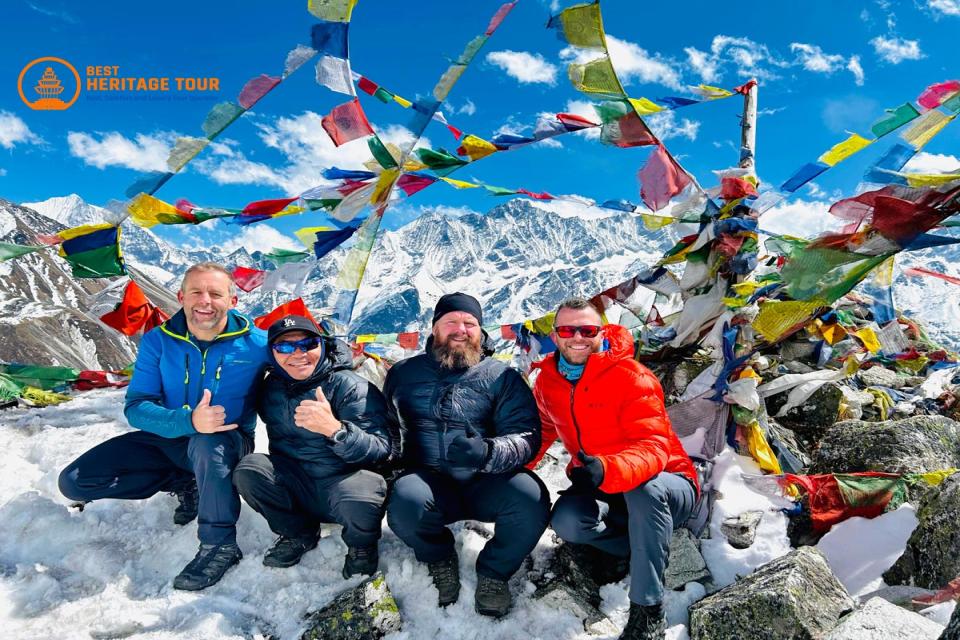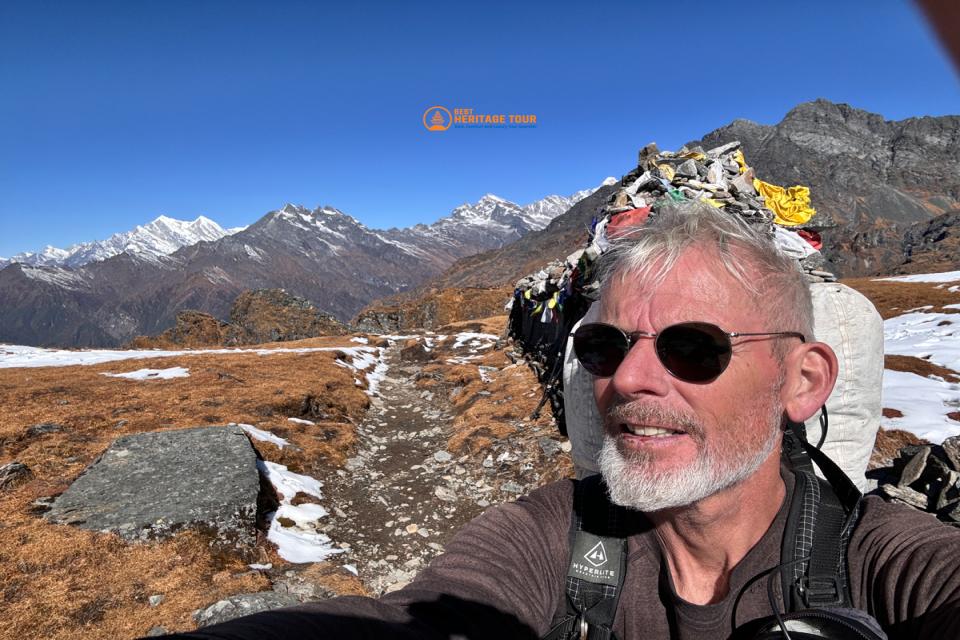
The lure of the Himalayas is timeless, but the way we experience these colossal peaks is undergoing a monumental shift. As we navigate the 2027 trekking season, the influx of global travelers searching for authentic experiences has sparked a common dilemma: Should you choose a classic Teahouse Trek or venture into the wild with a fully serviced Camping Trek?
At Best Heritage Tour, we have spent decades guiding adventurers through the hidden folds of Nepal’s dramatic landscapes. We understand that choosing the right style of trekking isn't just about selecting a route - it dictates how you connect with the terrain, how you interact with local communities, and the level of rugged isolation you will encounter.
Whether you are a classic trekker seeking the comfort of a warm hearth or an off-the-beaten-path lover craving absolute solitude, this comprehensive guide will dissect the structural, cultural, and logistical differences between teahouse and camping treks in Nepal.
Defining the Himalayan Journey: Teahouse vs. Camping
Before diving into the metrics, it is vital to understand what these two distinct accommodation styles entail in the modern Nepalese trekking ecosystem.
What is a Teahouse Trek?
A Teahouse Trek relies on locally owned alpine lodges, historically known as bhattis. These traditional, family-run establishments have evolved over the years into comfortable trail-side sanctuaries. When you trek from teahouse to teahouse, you sleep under a solid roof, dine in communal dining halls centered around a wood-burning or coal-fired stove, and enjoy access to modern conveniences like Wi-Fi, solar hot showers, and localized menus featuring everything from traditional Dal Bhat to continental pizzas.
What is a Camping Trek?
A Camping Trek (or fully organized wilderness expedition) is the purest, most historic form of trekking in Nepal, dating back to the pioneering expeditions of the 1950s. It is a mobile, self-sustaining village managed completely by our crew at Best Heritage Tour. Our team handles everything: guide leaders, camp chefs, kitchen assistants, and a dedicated team of porters or pack animals (yaks and mules) to carry a comprehensive inventory of dome tents, dining tents, kitchen equipment, and fresh ingredients. On a camping trek, you sleep in high-quality mountain tents set up in remote alpine meadows (kharkas) far away from human settlement.
Why Choose a Teahouse Trek? The Case for Mountain Comfort
For many travelers, the communal vibrancy of a lodge is irreplaceable. Here is the definitive breakdown of the reasons to choose a teahouse trek for your Himalayan adventure.
Authentic Cultural Immersion and Local Livelihoods
Trekking through teahouses gives you direct access to the daily lives of Nepal's mountain communities - be it the Sherpas of the Khumbu, the Gurungs of the Annapurnas, or the Tamangs of Langtang. Dining in a shared space allows you to chat with lodge owners, hear stories from elder guides, and observe the incredible socio-economic changes fueled by mountain hospitality. Your tourism dollars directly support the local economy, funding mountain schools, health clinics, and community infrastructures.
Superior Comfort and Physical Recovery
After hiking uphill for six hours, the simple luxury of a solid room, a thick mattress, and a warm blanket cannot be overstated. High-altitude environments present rigorous physical stresses; resting in a well-insulated room assists with physical recovery far better than a standard sleeping pad on freezing ground. Furthermore, the accessibility of hot showers and indoor, Western-style toilets in major hubs significantly boosts hygiene standards.
Streamlined Logistics and Weight Reduction
On a teahouse trek, your personal packing list is considerably lighter. Because you do not need to transport heavy tents, cooking equipment, or multi-week food rations, our support crew can pack lighter. This means fewer porters are required, which minimizes the overall carbon footprint of your journey and keeps your trip highly flexible.
Kathmandu Arrival ➔ Scenic Flight/Drive ➔ Daily Hikes Between Fixed Villages ➔ Evening Rest in Cozy Lodges
Why Choose a Camping Trek? The Call of the Wild
While teahouses offer undeniable comfort, popular routes like the Everest Base Camp or the Annapurna Circuit can feel crowded during peak seasons. For those who want true isolation, a camping trek is the ultimate answer. Here is why you should choose a camping trek instead of a teahouse trek.
Total Off-the-Beaten-Path Isolation
A camping trek unlocks the wild, raw, and pristine corners of Nepal where commercial infrastructure simply does not exist. It allows you to step off the grid completely and access restricted areas, uninhabited valleys, and high-altitude mountain passes where your only neighbors are the towering ice walls. If you want to wake up to the sound of absolute silence, broken only by the wind or distant glacial cracks, camping is your only gateway.
Custom Itineraries and Spatial Autonomy
When you choose a camping trek with Best Heritage Tour, you are no longer tied to the fixed locations of permanent villages. We have the complete freedom to modify the itinerary based on your physical conditioning, acclimatization needs, or sudden weather changes. If we stumble upon an unnamed, breathtaking alpine lake, we can simply drop anchor, pitch our tents, and set up camp right there.
Enhanced Safety in Extreme Environments
In remote, high-altitude regions, a self-contained camping crew offers a massive safety advantage. We carry our own medical supplies, hyperbaric oxygen chambers (when necessary), and dependable communications gear. Because our crew manages the entire supply chain, we can guarantee rigorous hygiene standards for food preparation, filtering all drinking water and serving fresh, nutrient-dense meals cooked by our professional camp chefs.
Head-to-Head Comparison: Teahouse vs. Camping
To help you visualize how these two styles contrast across critical categories, we have compiled a direct structural comparison:
|
Metric / Feature |
Teahouse Trekking |
Camping Trekking |
|---|---|---|
|
Accommodation |
Fixed wooden/stone lodges with twin-sharing beds |
Heavy-duty, four-season dome tents |
|
Dining Experience |
Choice from lodge menus (local & continental) |
Fresh gourmet meals prepared by a private camp chef |
|
Trail Congestion |
Moderate to high (shares paths with main tourist traffic) |
Extremely low (exclusive, off-the-beaten-path paths) |
|
Privacy Levels |
Shared communal halls, thin partition walls |
High privacy with your own tent and exclusive campsites |
|
Crew Support |
Licensed Guide & Porter team |
Guide, Chef, Kitchen Hands, and Porter/Yak caravan |
|
Logistical Complexity |
Low to moderate; utilizes fixed infrastructure |
Extremely high; requires full supply chains and permits |
|
Environmental Footprint |
High concentrated waste in localized villages |
Leave No Trace (LNT) framework managed by crew |
Best Camping Trek and Teahouse Trek Regions for 2027
Nepal offers distinct regions tailored specifically to either teahouse infrastructure or pure wilderness camping. Based on our years of operation, here are our premier recommendations for both styles.
The Best Teahouse Treks
1. The Classic Everest Base Camp Trek (Khumbu Region)
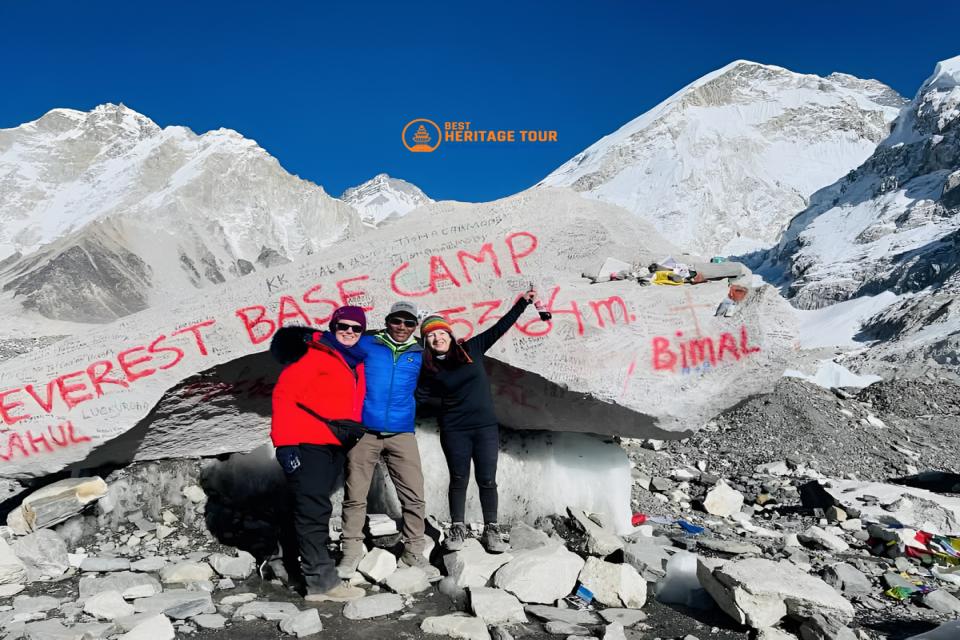
The gold standard of teahouse trekking. The Khumbu boasts some of the most luxurious teahouses in the world, equipped with electric blankets, heated floors, and espresso bars at 3,440 meters in Namche Bazaar. You get up-close views of Mt. Everest while enjoying reliable shelter every single night.
2. The Manaslu Circuit Trek
For trekkers who want an old-school feel without sacrificing a solid roof, the Manaslu Circuit is perfect. It offers a wonderful alternative to the busier Annapurna routes, winding through pristine Tibetan-Buddhist villages and crossing the challenging Larkya La Pass (5,106 m) while relying entirely on rapidly improving teahouses.
The Best Camping Treks
1. Upper Dolpo Wilderness Expedition
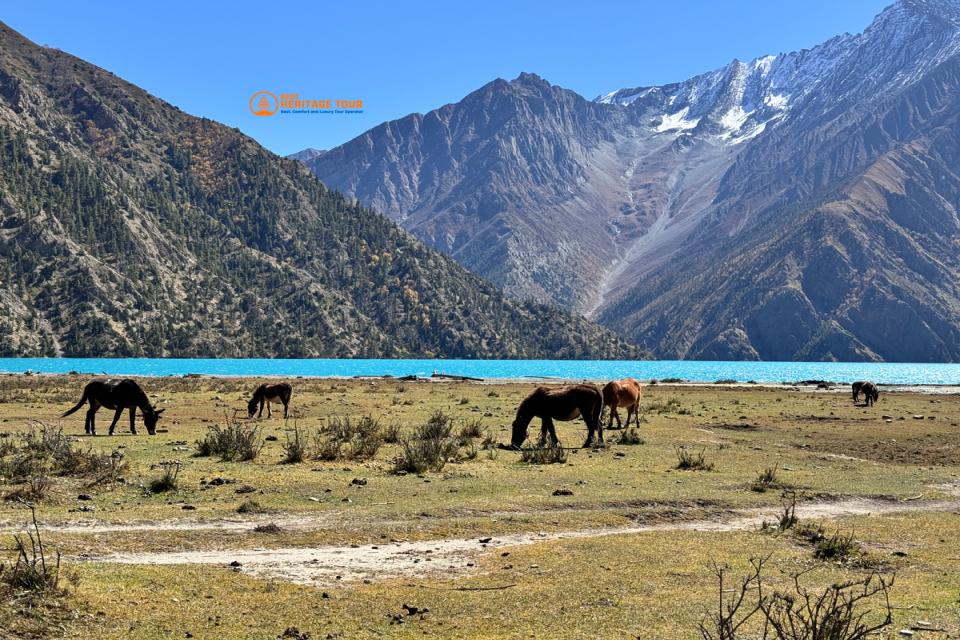
Tucking into the rain shadow of the Himalayas, Upper Dolpo is a barren, mystical landscape of deep gorges, ancient Bon-Po monasteries, and the dazzling, turquoise Phoksundo Lake. Free of commercial tea lodges, this region demands a fully supported camping setup to safely traverse high passes like the Kang La (5,350 m).
Can I Do Both? The Combined Teahouse and Camping Trek
One of the most frequent questions we receive from modern travelers is: Can I do both a teahouse trek and a camping trek during the same itinerary?
The answer is an absolute yes! In fact, hybrid or combined treks are quickly becoming our most highly recommended format at Best Heritage Tour.
Teahouse Approach: Low Altitude Comfort ➔ Wilderness Camp Split: High-Altitude Pass/Peak ➔ Teahouse Return
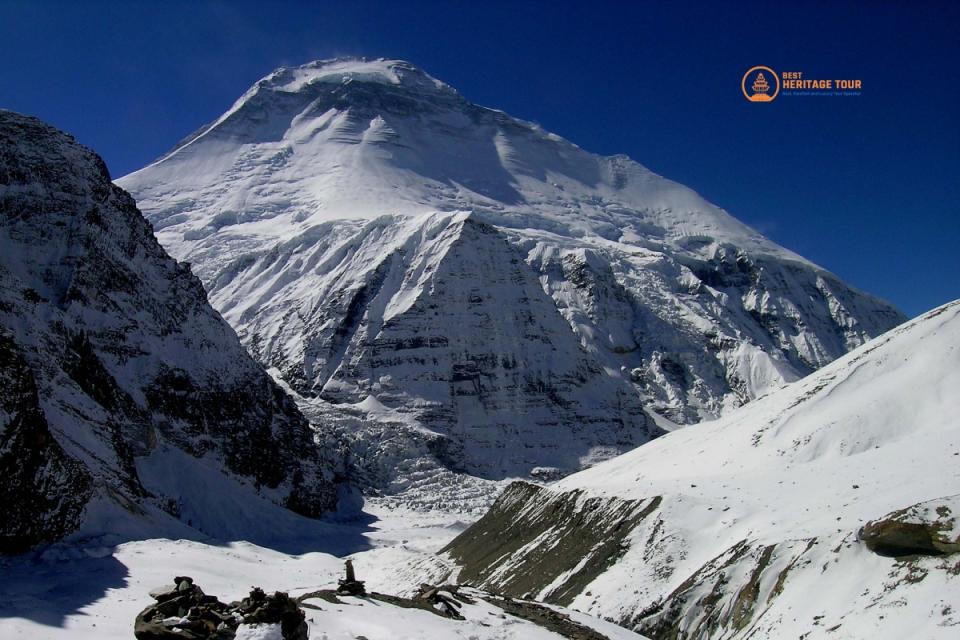
The best combined Teahouse and Camping Trek in Nepal is definitely the: Dhaulagiri Circuit Trek. During theDhaulagiri Circuit Trek, one will trek few days and rest in Teahouses. Once reach the high altitude, one will rest in the Camps and then again back in low altitude, one will rest in Teahouses.
Conclusion
Whether you choose the cozy hospitality of a classic Nepalese teahouse or the rugged freedom of a wilderness campsite, trekking through the Himalayas is a life-changing experience. No single style is superior; it entirely depends on what kind of story you want to write across the roof of the world.
At Best Heritage Tour, we specialize in crafting impeccable, safe, and deeply responsible journeys tailored to your exact pacing and style. Our guides are veterans of these trails, our camp chefs are culinary wizards, and our commitment to local heritage ensures your trek supports the very communities that make Nepal so unforgettable.
Are you ready to plan your landmark 2027 Himalayan expedition? Let us take care of the logistics while you focus on the journey.
Phone / WhatsApp / Viber: +977-9851149197 / +977-9810043046
Email: info@bestheritagetour.com / bestheritagetour@gmail.com
Website: www.bestheritagetour.com
Office: Thamel Marg, Kathmandu, Nepal
Author: Best Heritage Tour
Date: 24th May, 2026